...

A Trusted China Manufacturer Since 2007!

RPET Bag Manufacturer | Custom Recycled Bags Factory

Custom recycled polyester bags developed for established brands, retail programs, e-commerce collections, corporate campaigns, and repeat sourcing projects. Szoneier supports RPET bag projects from initial material review through sample approval and stable bulk delivery.
  • Custom tote bags, backpacks, cooler bags, pouches, shopping bags, and promotional products
  • RPET fabric sourcing, structural development, logo application, packaging, and quality inspection
  • MOQ from 200 pieces for selected standard constructions and available materials
  • Delivery support for brand warehouses, retail distribution centers, Amazon FBA, and multiple destinations

tote bag

Manufacturing Support Built for Serious RPET Programs

Szoneier combines product development, material sourcing, sewing management, inspection, packaging, and international delivery within one coordinated manufacturing system.

18+ Years Experience

More than 18 years of work in custom bags and sewn soft goods gives our team experience with material selection, pattern development, sample correction, production planning, inspection, packaging, and export delivery. RPET projects receive the same structural attention as conventional polyester programs rather than being treated as simple promotional products.

MOQ From 200 Pieces

Selected RPET projects can start from 200 pieces when standard constructions, available fabric colors, simple branding, and conventional packaging are used. Custom-dyed fabric, special recycled components, molded accessories, multiple colors, or complex certification requirements may require a higher quantity after material review.

Factory-Based Development

Szoneier manages sample development, paper patterns, material confirmation, sewing coordination, quality inspection, packaging, and shipment preparation through a factory-based team. A controlled network of more than 10 long-term partner factories adds capacity for different bag categories while Szoneier retains project communication and quality responsibility.

Global Delivery Support

Finished RPET bags can be prepared for express delivery, air freight, sea freight, FOB shipment, DAP, DDP, Amazon FBA, overseas warehouses, retail distribution centers, or split delivery. Carton dimensions, gross weight, labels, packing lists, and destination requirements are reviewed before shipment planning. 

RPET Manufacturing Support for Different Commercial Programs

Every sales channel places different demands on materials, structure, branding, inspection, packaging, and replenishment. Szoneier builds the production plan around the final route to market.

Established Global Brands

Established brands normally require stable materials, clear specifications, controlled sample approval, documented production standards, and repeat-order consistency. Szoneier can maintain paper patterns, BOM records, artwork files, color references, packaging files, and inspection requirements for continuing product programs and seasonal collection updates.

Retail Chains

Retail projects require more than an attractive bag. Barcode accuracy, hangtag position, carton marks, pack quantity, store-ready presentation, shipment dates, and batch consistency influence successful delivery. Szoneier reviews retail packing and labeling requirements before production release to reduce warehouse receiving problems.

Sustainable DTC Brands

Direct-to-consumer brands often prioritize material story, visual consistency, photography-ready samples, distinctive colors, refined branding, and opening experience. Our team can coordinate RPET fabric, matching webbing, branded labels, tissue paper, cards, mailer boxes, and repeat replenishment for growing online collections.

Amazon Private Labels

Amazon programs need controlled product dimensions, unit packaging, FNSKU accuracy, carton labels, carton weight, SKU separation, and replenishment planning. Szoneier can prepare RPET products for FBA delivery while reviewing structures and packaging choices capable of reducing avoidable review and transport risks.

Corporate Gift Companies

Corporate campaigns depend on logo accuracy, budget control, event dates, bulk packing, and dependable delivery. RPET totes, drawstring bags, travel pouches, lunch bags, and gift sets can be configured with available materials and efficient branding methods when schedules are closely tied to a launch or event.

Importers and Distributors

Importers usually need a reliable manufacturing source across several products, quantities, price levels, and destination markets. Szoneier can coordinate multi-SKU quotations, sample rounds, production schedules, export documentation, consolidated packing, and repeat orders without requiring separate communication with multiple subcontractors.

Control Common Risks in RPET Bag Sourcing

RPET projects combine conventional bag manufacturing risks with added material, documentation, and environmental-claim requirements. Early controls reduce disputes after production begins.

Unclear Material Claims

A fabric may be described as recycled without enough information about recycled content, source, supplier documentation, or certification scope. Marketing language should never move ahead of available records. Szoneier control points:
  • Confirm the required recycled claim before quotation
  • Review fabric supplier documents
  • Identify whether GRS, RCS, or transaction records are needed
  • Match final wording with available evidence
  • Avoid blanket environmental promises

Sample and Bulk Differences

Approved samples can lose value when bulk materials, colors, trims, dimensions, or branding are changed without formal control. Visual similarity alone is not enough for a repeatable specification. Szoneier control points:
  • Approved reference sample
  • Written BOM and measurement sheet
  • Material and accessory records
  • Pre-production sample when required
  • Line inspection and final comparison

Weak Handles and Seams

RPET fabric does not automatically create a durable bag. Handle width, webbing quality, stitch density, seam allowance, bar tacks, bottom structure, load direction, and intended contents all affect service life. Szoneier control points:
  • Load-area review during development
  • Reinforced sewing at stress points
  • Suitable webbing and thread
  • Sample loading checks
  • Production inspection at critical seams

Packaging and Label Errors

Correct products can still be rejected or delayed when barcodes, FNSKU labels, SKU information, carton marks, pack quantities, or shipping documents are wrong. Szoneier control points:

  • Artwork and data approval before printing
  • Barcode scan verification
  • Packing sample confirmation
  • Carton label review
  • OQC comparison with packing instructions

What RPET Means in Bag Manufacturing

RPET creates credible value only when material selection, construction, commercial claims, and supporting records remain aligned throughout development and production.

RPET Is Recycled Polyester, Not a Bag Structure

RPET refers to recycled polyethylene terephthalate, commonly processed into recycled polyester fiber and woven or knitted fabric. The term identifies material origin rather than a fixed appearance or performance level. RPET fabrics can be produced in many constructions, including lightweight taffeta, plain weave, twill, ripstop, Oxford-style fabric, canvas-like textures, mesh, lining fabric, and laminated materials. Two fabrics carrying an RPET description may perform very differently because denier, yarn density, weave, finishing, coating, backing, and recycled-content level are not identical. For bag development, material selection should begin with the intended use:
  • Lightweight promotional bags: Low weight, foldability, efficient printing, and cost control matter most.
  • Retail shopping bags: Handle strength, shape, repeated use, barcode packaging, and surface presentation become more important.
  • Backpacks: Abrasion resistance, seam strength, lining, foam, shoulder straps, and zipper quality influence performance.
  • Cooler bags: Outer RPET fabric works together with insulation, lining, binding, and closure construction.
  • Cosmetic pouches: Hand feel, surface cleanliness, lining, zipper smoothness, and refined branding are often priorities.
Material origin alone cannot define quality. A well-developed RPET bag requires suitable fabric specifications, structural engineering, controlled sewing, and inspection based on actual use.

Recycled Content Must Match the Required Claim

Procurement teams should define the intended claim before ordering fabric. “Made with recycled polyester,” “contains recycled material,” “GRS-certified product,” and “produced from recycled bottles” do not carry the same documentation requirements. Several different conditions may exist:
  • A material supplier holds an active scope certificate.
  • A sewing factory operates within a certification scope.
  • A selected fabric includes verified recycled input.
  • A specific shipment can receive a transaction certificate.
  • Only the outer fabric is recycled, while lining, webbing, zipper tape, thread, and labels remain conventional polyester.
Szoneier reviews the required statement, material source, supplier documentation, product composition, production route, and destination market before confirming available support. For a formal sustainability program, the project brief should identify:
  • Required recycled-content wording
  • GRS or RCS expectations
  • Need for transaction documentation
  • Components included in the claim
  • Required hangtag or packaging wording
  • Retailer-specific reporting requirements
  • Testing or audit protocols
A clear claim brief protects both the brand and the manufacturing team from inaccurate environmental communication.

Performance Still Depends on Construction

Recycled polyester can provide good strength, dimensional stability, print compatibility, and broad application across sewn products. Performance remains dependent on the complete construction. A durable RPET tote may require reinforced webbing handles, sufficient stitch length, correct seam allowance, binding, and bottom support. A backpack may require foam, mesh, lining, bar tacks, stronger zipper tape, and reinforced shoulder-strap attachment. A cooler bag needs suitable insulation and lining in addition to the recycled outer fabric. Important development checks include:

  • Fabric weight and tear resistance
  • Abrasion exposure during use
  • Coating adhesion
  • Colorfastness
  • Seam slippage
  • Handle pull strength
  • Zipper compatibility
  • Logo adhesion or stitch quality
  • Odor and surface cleanliness
  • Packaging pressure during transport

Szoneier evaluates RPET fabric as one part of the complete product rather than relying on an environmental label to carry the whole project. 

Custom RPET Bags We Can Manufacture
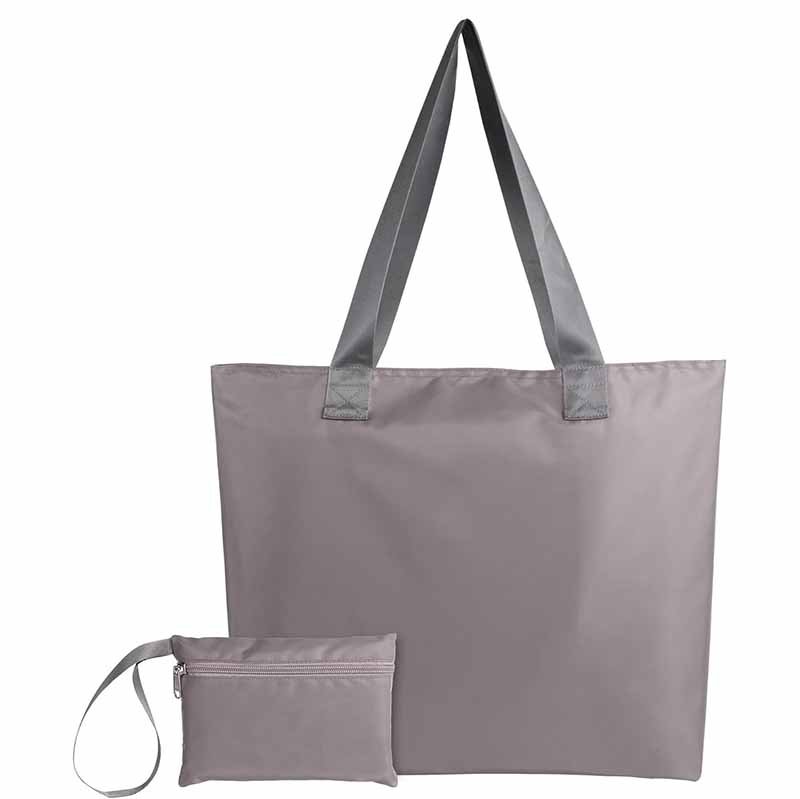
From lightweight promotional styles to structured travel products, each bag can be developed around the intended use, channel, branding, and target cost.
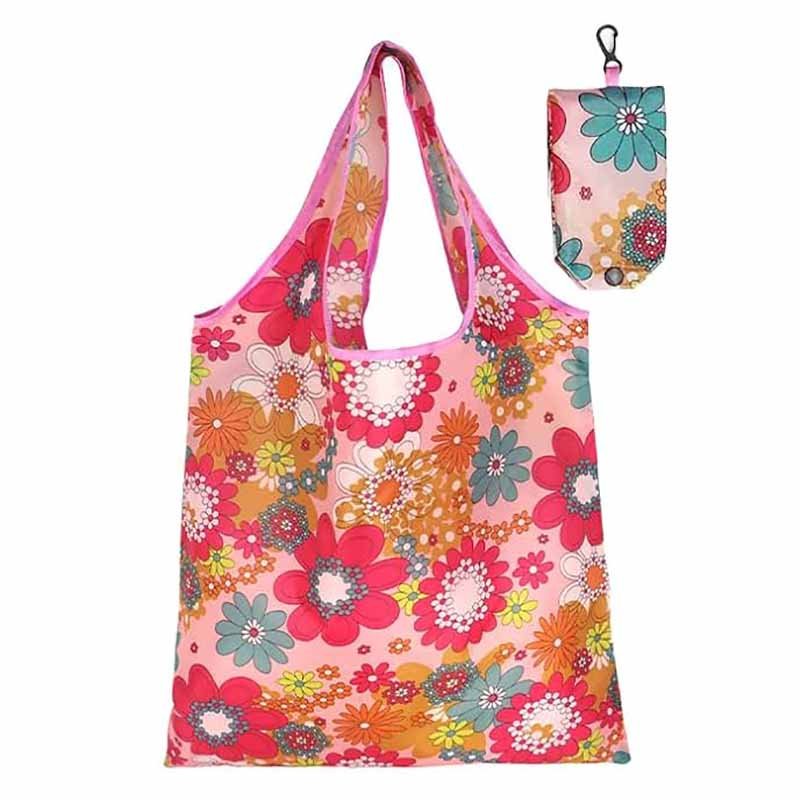
1. recycled polyester tote bags

RPET Tote Bags

Common development sizes include 35 × 40 cm, 40 × 35 × 12 cm, and 45 × 40 × 15 cm. Options include flat or gusseted bodies, short or shoulder handles, inner pockets, zipper closures, bindings, linings, bottom boards, and retail hangtags.
2. recycled polyester shopping bags

Reusable Shopping Bags

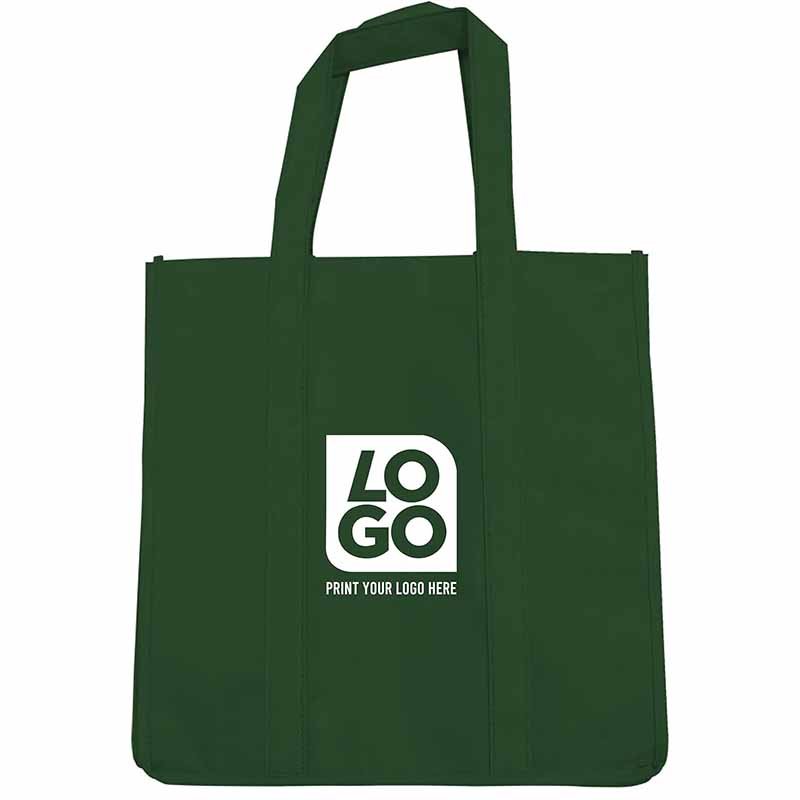
Grocery and retail formats often use side and bottom gussets for higher capacity. A reference size of 38 × 32 × 18 cm suits many everyday programs. Foldability, handle strength, repeated loading, surface printing, barcode presentation, and compact carton packing require early review.
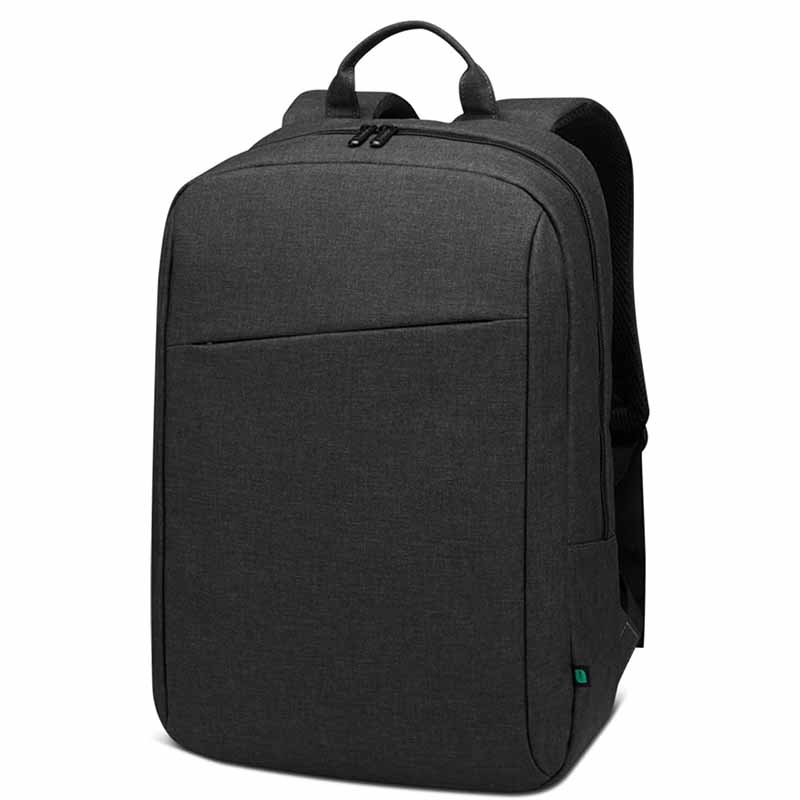
3. recycled polyester backpacks

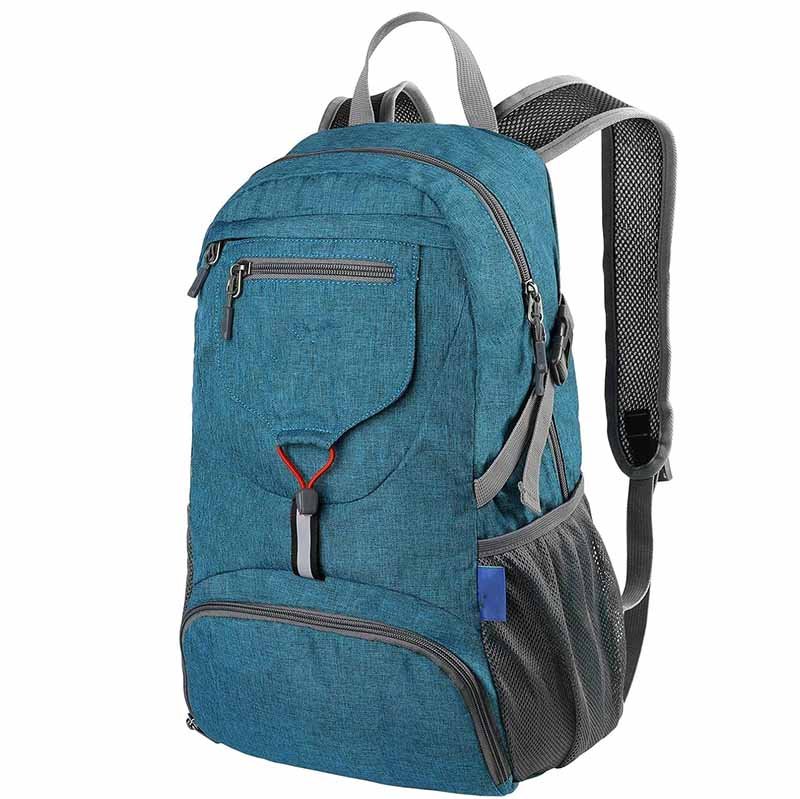
RPET Backpacks

A common daypack reference is approximately 28 × 42 × 14 cm. Development options include padded shoulder straps, laptop sleeves, mesh pockets, front compartments, lining, back padding, branded pullers, reflective details, and reinforced stress points for travel, school, or lifestyle programs.
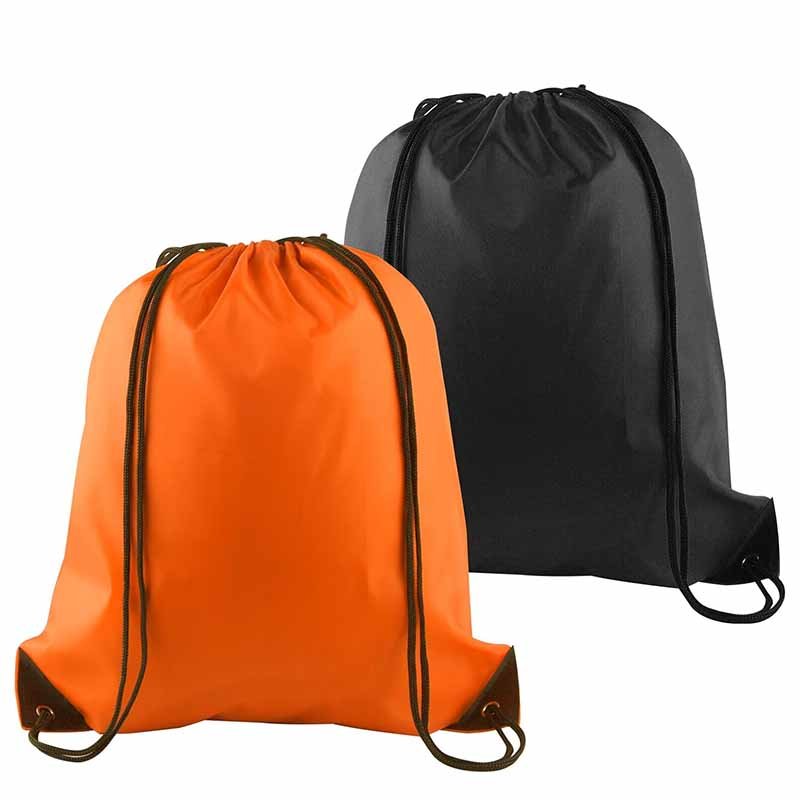
4. recycled polyester drawtring bags

RPET Drawstring Bags

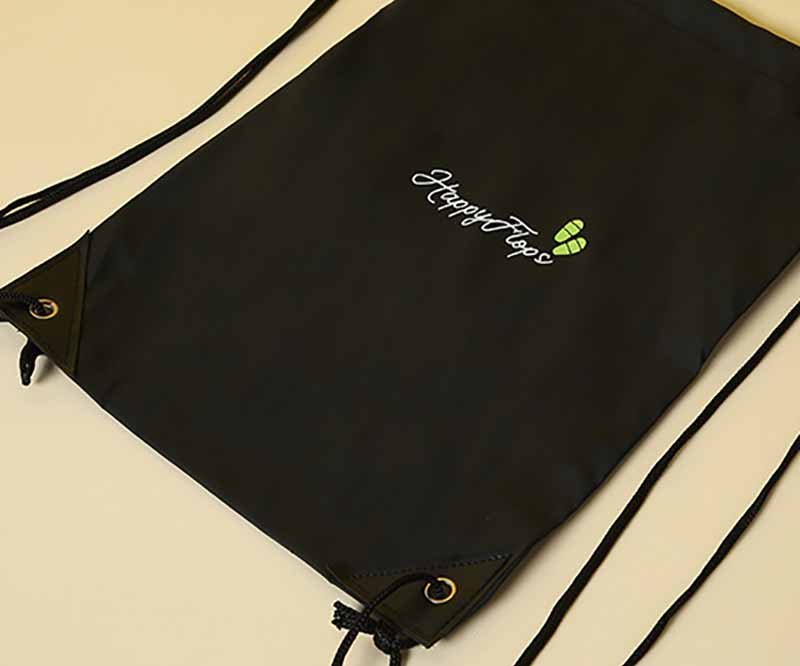
Reference sizes commonly range from 33 × 42 cm to 38 × 48 cm. Lightweight structures suit events, sports programs, gift sets, school activities, and promotional distribution. Cord quality, corner reinforcement, print coverage, seam strength, and efficient bulk packing influence final configuration.
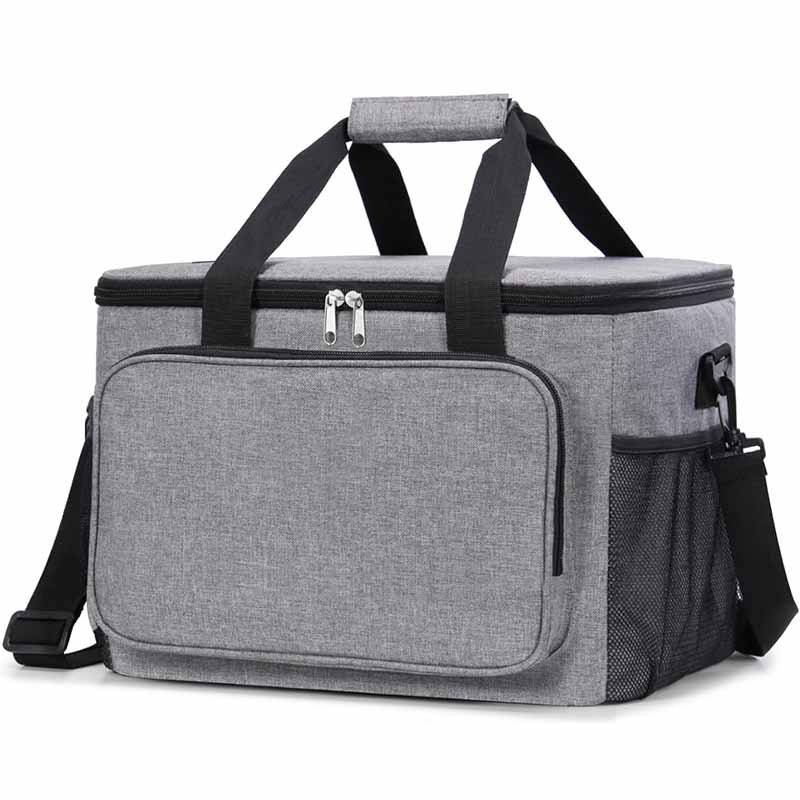
5. recycled polyester cooler bags

RPET Cooler Bags

A reference lunch format may measure 28 × 22 × 20 cm, while larger models require stronger handles and additional bottom support. Outer RPET fabric can be combined with foam insulation, PEVA or foil lining, binding, zipper closures, shoulder straps, and external pockets.
6. recycled polyester travel pouches

RPET Travel Pouches

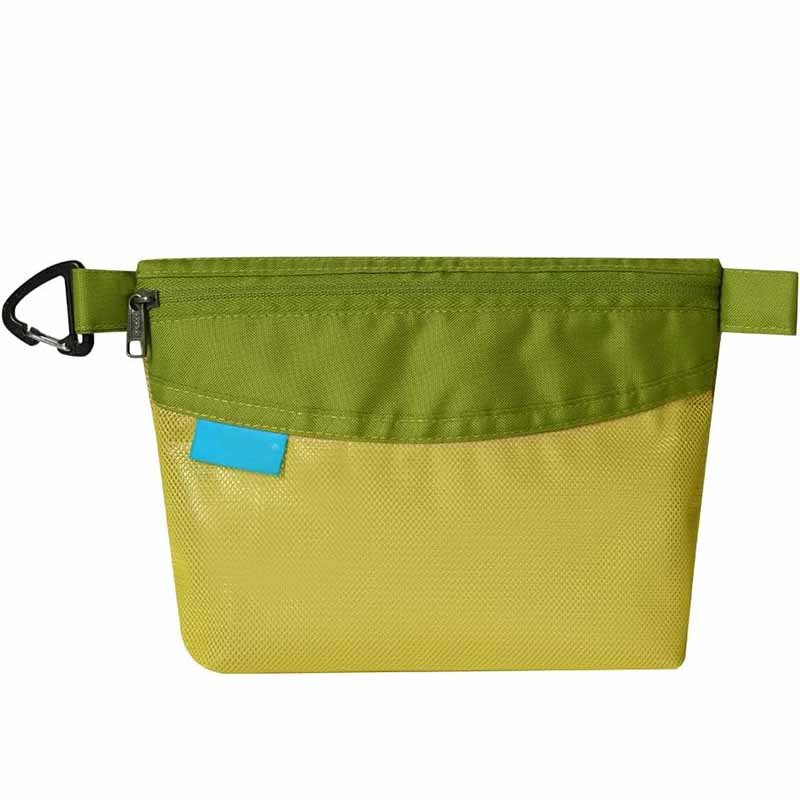
Travel pouches can be developed as flat organizers, gusseted wash bags, cable pouches, shoe bags, passport organizers, or packing accessories. A common medium size is around 30 × 22 × 10 cm. Structure, lining, mesh, handles, compartments, and packability can be adjusted.
7. recycled polyester cosmetic bags

RPET Cosmetic Bags

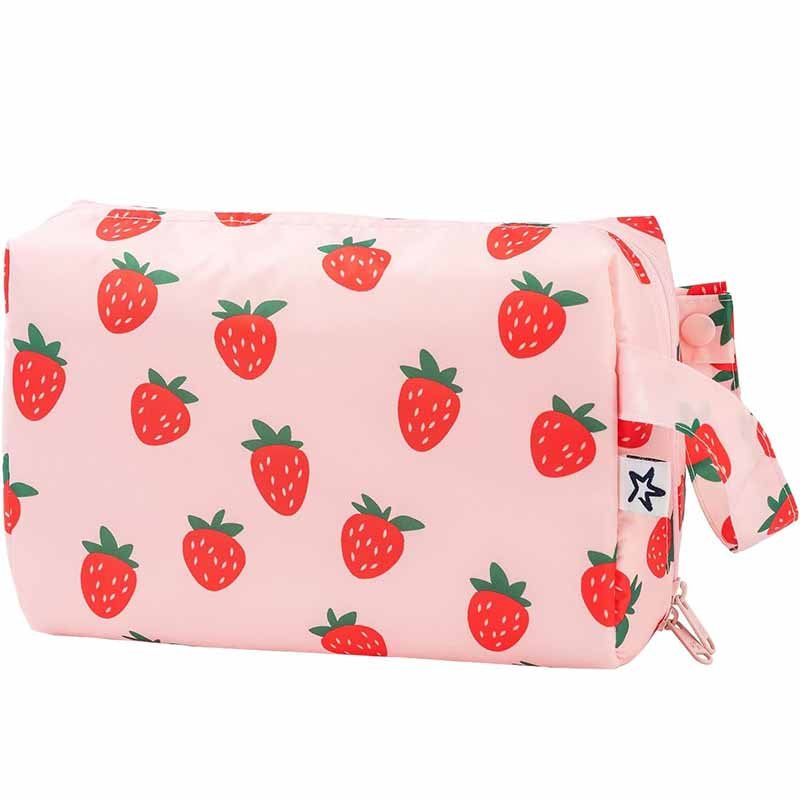
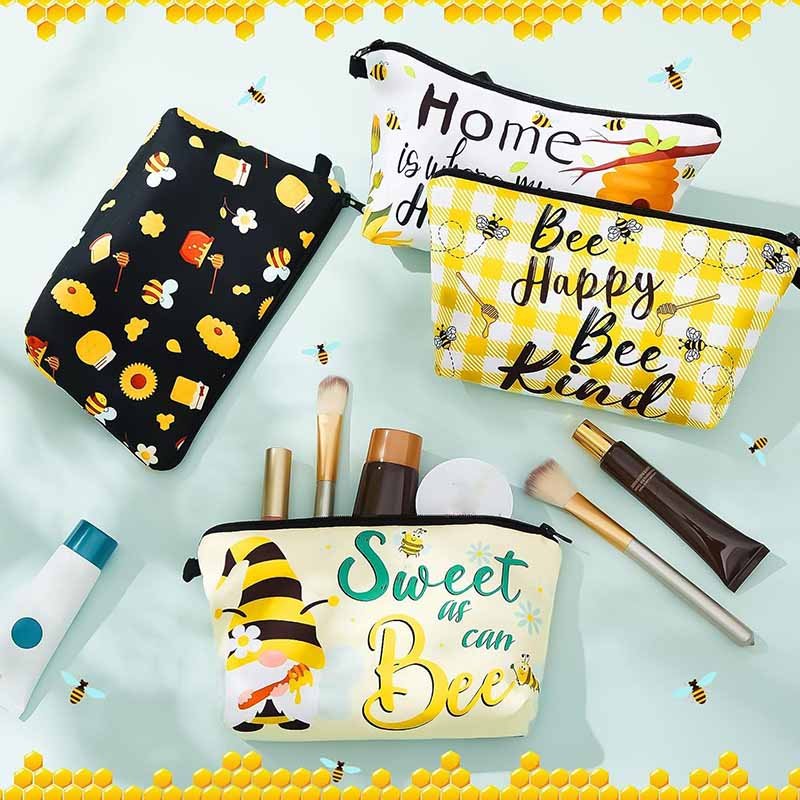
Common references include 23 × 15 × 8 cm and 26 × 18 × 10 cm. Beauty programs often focus on surface feel, clean sewing, smooth zippers, washable lining, accurate color matching, refined heat-transfer logos, woven labels, and branded retail or gift packaging.
8. recycled polyester promotional bags

RPET Promotional Bags

Promotional formats include conference totes, gift pouches, bottle bags, event drawstring bags, foldable shopping bags, and employee gift kits. Available material colors, straightforward structures, efficient logo methods, and bulk packing help control timing and cost for date-sensitive campaigns. 

Match RPET Products With Their Sales Channels

Bag construction, branding, packaging, and inspection priorities change according to how the finished product will be sold, distributed, or repeatedly used.

RPET ProductCommon Size ReferenceSuitable ProgramsMain Construction FocusBranding OptionsPrimary QC Focus
Flat Tote Bag35 × 40 cmEvents, corporate gifts, conferencesHandle position, seam strength, foldabilityScreen print, heat transfer, woven labelPrint position, handle pull, dimensions
Gusseted Retail Tote40 × 35 × 12 cmRetail, grocery, membership programsSide gusset, bottom capacity, reinforced handlesScreen print, embroidery, label, patchShape, barcode, repeated loading
Grocery Bag38 × 32 × 18 cmSupermarkets, food retail, reusable programsWide gussets, stable bottom, strong webbingLarge print, woven label, hangtagLoad points, carton packing, surface marks
Day Backpack28 × 42 × 14 cmLifestyle, school, travel, e-commerceShoulder straps, lining, zippers, laptop sleevePatch, embroidery, heat transfer, pullerStrap strength, zipper function, symmetry
Drawstring Bag35 × 45 cmSports, events, promotions, gift kitsCord channels, corner reinforcement, light weightScreen print, transfer, sublimationCord function, seam strength, print quality
Cooler Bag28 × 22 × 20 cmLunch, outdoor, food promotion, AmazonFoam, lining, closure, handle reinforcementScreen print, patch, woven labelInsulation assembly, lining, zipper, shape
Cosmetic Pouch23 × 15 × 8 cmBeauty, travel, DTC, gift-with-purchaseClean shape, lining, zipper, refined finishingHeat transfer, woven label, embroiderySurface cleanliness, zipper, logo, dimensions
Travel Organizer30 × 22 × 10 cmTravel brands, sets, subscription boxesCompartments, mesh, handles, internal bindingHeat transfer, patch, labelCompartment size, sewing, packaging

Select RPET Fabric for Real Product Performance
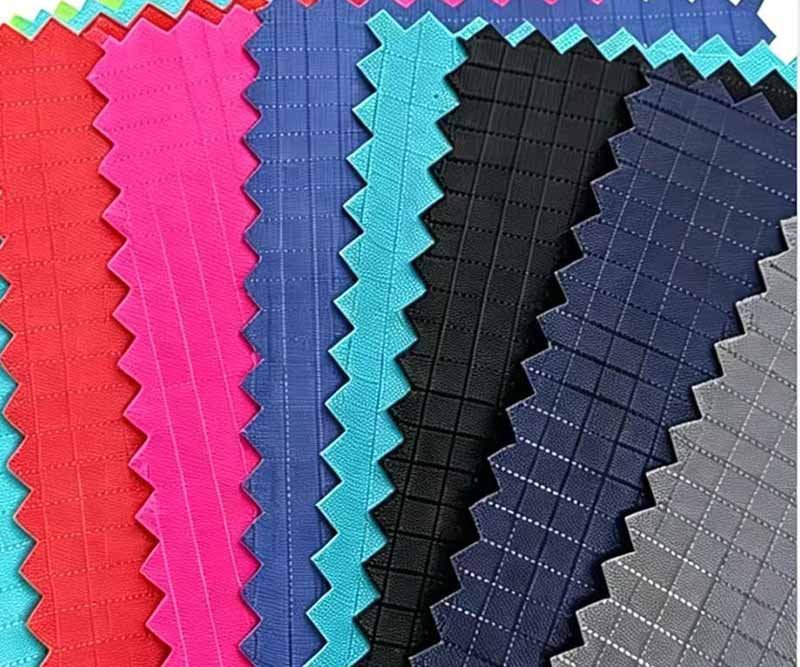
Fabric selection affects structure, hand feel, durability, printing, recycled-content communication, production stability, carton weight, and final cost.
1. denier, weight, weave, and surface

Denier, Weight, Weave, and Surface

Common development references for RPET bag fabrics include 210D, 300D, 420D, and 600D constructions. Denier alone does not provide enough information to judge performance. Yarn density, weave pattern, coating, backing, and fabric weight also influence strength and appearance. Typical selection logic includes:
  • 210D RPET: Lightweight, foldable, and suitable for linings, drawstring bags, promotional products, or compact shopping bags. A thin material may need reinforcement at handles and corners.
  • 300D RPET: Offers a balanced surface for totes, pouches, cosmetic bags, and lifestyle accessories. It can provide a more substantial hand feel without making the product unnecessarily heavy.
  • 420D RPET: Often selected for travel accessories, stronger totes, sports bags, or medium-structure products requiring improved abrasion performance.
  • 600D RPET: Suitable for backpacks, duffle bags, cooler bags, and products needing a firmer body or more robust surface.
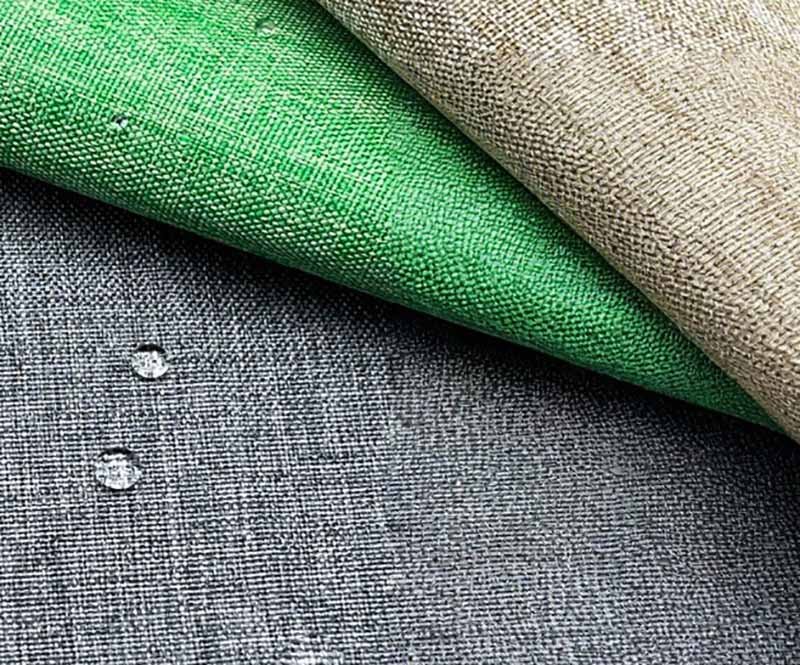
A higher denier does not automatically create a better product. Heavy fabric may raise sewing difficulty, carton weight, and cost. Light fabric may work well when product use, seam construction, and reinforcement are properly matched.
2. coatings, linings, foam, and backing

Coatings, Linings, Foam, and Backing

Outer RPET fabric rarely works alone in structured products. Coatings and internal components determine water resistance, shape, comfort, insulation, and cleaning performance. Common configurations include:
  • PU-coated RPET for improved resistance to light moisture
  • Laminated fabric for added structure or surface protection
  • RPET lining for projects seeking broader recycled-material coverage
  • Conventional polyester lining for cost-controlled programs
  • PEVA or aluminum-foil lining for cooler bags
  • EPE or other foam layers for insulation and structure
  • Mesh panels for ventilation or pocket visibility
  • PP or PE bottom boards for load support
  • Binding tape for cleaner internal seam construction
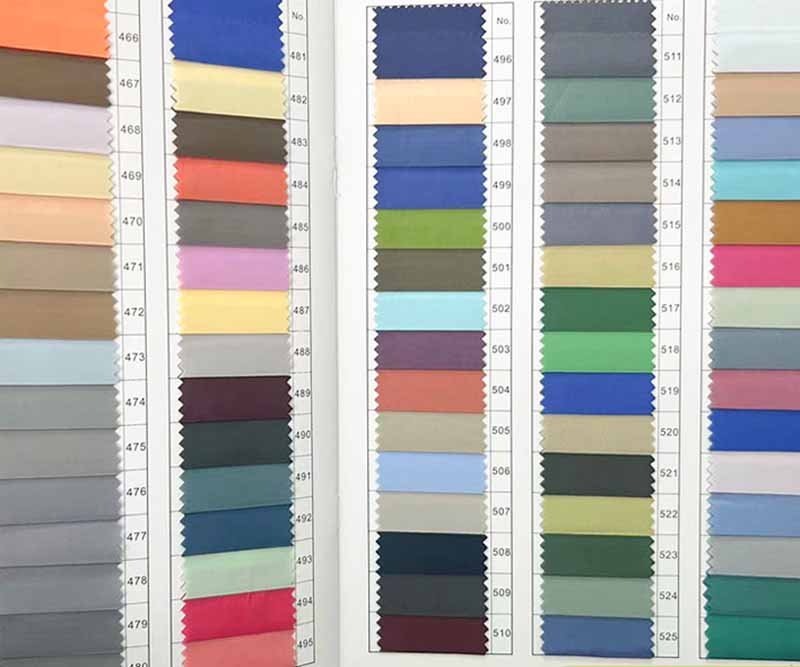
“Water-resistant” and “waterproof” should not be used interchangeably. A coated woven fabric may resist light rain, while needle holes, zipper openings, seam construction, and closure design can still allow water entry. Complete waterproof performance generally needs specialized lamination, seam sealing, welding, or a tested construction.
3. color, printing, and batch stability

Color, Printing, and Batch Stability

Color control begins before sample sewing. Available stock colors normally support a lower MOQ and faster development. Custom-dyed colors can improve brand alignment but may require higher material quantities, additional lead time, and clear approval standards. Important color controls include:

  • Pantone reference or approved physical swatch
  • Fabric lot identification
  • Approval under consistent lighting
  • Matching of fabric, webbing, zipper, binding, and labels
  • Tolerance for texture-related color differences
  • Confirmation of coating or lamination effects
  • Print color approval on the final selected fabric

Different materials reflect light differently. A zipper, webbing, woven fabric, rubber patch, and metal accessory cannot always appear identical even when a similar Pantone target is used. For printed designs, the selected process must match fabric texture, coating, color, and artwork detail. A print method approved on smooth 300D fabric may not create the same result on textured 600D material. Production fabric and production logo methods should be represented in the approval sample whenever possible. 

Confirm Performance Before Bulk Production

Testing should follow product use, material risks, destination market, and retailer requirements. Unnecessary testing adds cost, while late testing can delay shipment.

Color and Surface

Colorfastness, rubbing, coating adhesion, print adhesion, and surface abrasion may be reviewed when the product faces frequent handling or strict retail presentation requirements. Typical process:
  • Approve production fabric
  • Identify dark or high-risk colors
  • Confirm logo process
  • Arrange physical checks where needed
  • Compare tested material with the approved sample
Simple physical testing often requires about 3–7 working days.

Seam and Abrasion

Backpacks, grocery totes, travel bags, and reusable shopping products may require stronger material and seam controls than lightweight event bags. Possible checks include:
  • Fabric abrasion
  • Seam slippage
  • Stitch security
  • Tear behavior
  • Binding durability
  • Zipper cycle assessment
Test methods and acceptance criteria should be confirmed before submitting samples to a laboratory.

Loading and Function

A loading test should reflect intended contents and product geometry. A tote loaded evenly behaves differently from a backpack with concentrated strap forces or a cooler bag carried by two handles. Review areas include:
  • Handle attachment
  • Shoulder-strap attachment
  • Bottom support
  • Zipper opening
  • Pocket loading
  • Repeated lifting
The agreed test load must remain realistic and documented.

Chemical Compliance

REACH, CPSIA, Prop 65, azo dyes, heavy metals, phthalates, or retailer-specific protocols may apply according to materials, product use, age group, and sales location. Typical timing references:

  • Routine chemical tests: about 5–10 working days
  • REACH, CPSIA, or Prop 65 programs: often 7–15 working days
  • Special protocols: confirmed with the selected laboratory

Engineer Every Part of Your RPET Bag

Material choice creates the foundation, while dimensions, load paths, closures, pockets, reinforcements, and accessories determine usability and bulk-production consistency.

Body Dimensions

Length, width, depth, opening size, and gusset shape should follow actual contents and merchandising needs. Larger dimensions increase fabric, lining, binding, zipper length, carton volume, and reinforcement requirements. Confirm:
  • Internal capacity
  • External measurements
  • Folded size
  • Display requirements
  • Shipping limits
  • Measurement tolerance

Handles and Webbing

Handle length, width, material, placement, and stitching influence carrying comfort and strength. Tote handles may use self-fabric, RPET webbing, cotton webbing, or conventional polyester webbing. Control points:
  • Hand-carry or shoulder length
  • Webbing thickness
  • Box stitch or cross stitch
  • Bar-tack placement
  • Edge alignment
  • Load direction

Shoulder Straps

Backpacks and travel bags require balanced strap geometry rather than simply adding padding. Strap width, curve, foam, mesh, binding, adjustment hardware, and attachment angle affect comfort and durability. Review:
  • Target load
  • User profile
  • Adjustment range
  • Foam thickness
  • Anchor reinforcement
  • Matching hardware

Zippers and Closures

Closure choices influence security, cost, appearance, function, and repair risk. Options include nylon coil zippers, reverse zippers, covered zippers, hook-and-loop closures, snaps, drawcords, magnets, and buckles. Specify:
  • Zipper size
  • Tape color
  • Slider quantity
  • Puller design
  • Opening direction
  • Required smoothness

Lining and Padding

Lining creates a cleaner interior and protects internal seams. Foam or padding can provide structure, insulation, impact protection, or comfort. Options include:
  • RPET lining
  • Polyester lining
  • PEVA lining
  • Aluminum-foil lining
  • Mesh
  • EPE foam
  • Sponge and bottom boards

Pockets and Dividers

Internal and external organization should serve real items rather than adding cost without clear value. Every pocket adds cutting pieces, sewing operations, inspection points, and potential dimensional variation. Define:
  • Pocket contents
  • Opening size
  • Closure type
  • Elastic or mesh
  • Device dimensions
  • Access direction

Bottom Reinforcement

Wide totes, grocery bags, backpacks, cooler bags, and equipment bags may need stronger bottom construction. Reinforcement can include additional fabric layers, binding, foam, PP boards, PE boards, feet, or structured panels. Consider:
  • Load distribution
  • Foldability
  • Cleaning
  • Packaging height
  • Board removal
  • Sewing feasibility

Custom Accessories

Brand-specific hardware can include pullers, buckles, snaps, hooks, metal plates, rubber patches, cord locks, sliders, and decorative parts. Custom molds may increase sample cost, MOQ, and development time. Before tooling:

  • Approve dimensions
  • Confirm finish
  • Review load function
  • Check logo legibility
  • Confirm mold ownership
  • Plan spare quantity


Logo Methods Selected for RPET Surfaces
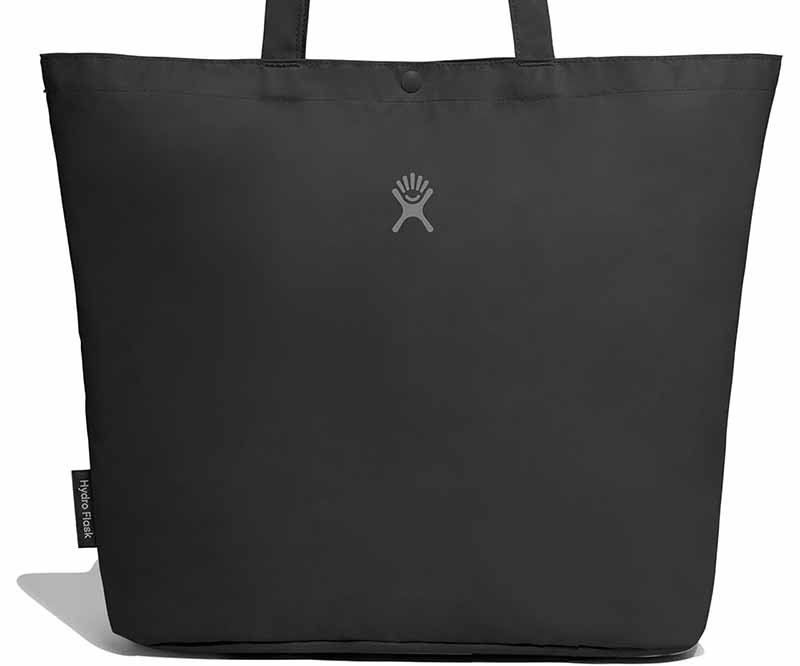
Artwork detail, fabric texture, coating, order quantity, color count, desired hand feel, and brand position determine the most suitable logo process.
1. screen printing

Screen Printing

Screen printing suits bold graphics, solid colors, and larger logo areas on relatively flat fabric. It is commonly selected for totes, drawstring bags, and promotional products. Key controls:
  • Ink compatibility
  • Fabric texture
  • Color opacity
  • Print position
  • Edge definition
  • Curing and adhesion
2. heat transfer

Heat Transfer

Heat transfer supports detailed graphics, multiple colors, gradients, and smaller production programs. It can create a clean visual result on suitable RPET fabric. Key controls:
  • Transfer film selection
  • Press temperature
  • Fabric coating response
  • Edge adhesion
  • Color approval
  • Repeated flexing
3. sublimation printing

Sublimation Printing

Sublimation works best on suitable light-colored polyester surfaces and can create full-area graphics without a raised ink layer. It is useful for sports bags, drawstring bags, linings, and patterned collections. Key controls:
  • Base fabric color
  • Artwork resolution
  • Color shift
  • Panel alignment
  • Cutting position
  • Production print consistency
4. embroidery

Embroidery

Embroidery provides texture and a premium appearance on backpacks, travel bags, pouches, and lifestyle products. Stitch count, backing, thread color, logo size, and fabric stability influence the result. Key controls:
  • Fabric puckering
  • Coating puncture
  • Thread density
  • Small text clarity
  • Backing material
  • Interior appearance
5. woven labels

Woven Labels

Woven labels provide stable color, small-detail reproduction, and consistent branding across several products. Labels can be sewn into seams, placed on exterior panels, folded into side seams, or used inside. Key controls:
  • Label dimensions
  • Edge style
  • Fold type
  • Sewing position
  • Text readability
  • Color consistency
6. custom patches

Custom Patches

Rubber, silicone, leather-like, embroidered, or metal patches create stronger visual identity. Molded and plated parts require attention to dimensions, color, finish, attachment, corrosion risk, and tooling quantities. Key controls:

  • Mold cost
  • Minimum quantity
  • Attachment method
  • Surface finish
  • Logo relief
  • Packing protection

Build Coordinated RPET Product Collections

A shared material and branding system can turn one RPET item into a coherent collection while improving development efficiency and repeat-order control.

Shared Material Platform

A tote, pouch, backpack, and travel organizer can use related RPET materials, colors, linings, labels, and accessories. Shared components may reduce sourcing complexity and create stronger visual continuity. Planning includes:
  • Common outer fabric
  • Shared lining
  • Matching webbing
  • Standard zipper colors
  • Unified labels
  • Component availability

Coordinated Color Series

Seasonal collections may use one core neutral, two supporting colors, and a consistent logo system. Physical color approval remains important because woven fabric, webbing, zipper tape, rubber, and metal surfaces reflect color differently. Control includes:
  • Pantone targets
  • Material swatches
  • Trim matching
  • Seasonal updates
  • Approved production colors
  • Color naming system

SKU File Management

Each SKU should retain its own product code, measurement sheet, BOM, pattern, artwork, packaging data, barcode, carton quantity, and inspection points. A shared collection does not mean every specification is interchangeable. Records include:
  • SKU code
  • Version number
  • Sample approval date
  • Material references
  • Artwork files
  • Packaging details

Repeat Order Control

Repeat production becomes more efficient when earlier samples, patterns, BOM records, packaging files, carton information, and QC notes remain available. Material changes or discontinued trims are reviewed before production rather than substituted without approval. Repeat-order review:
  • Material availability
  • Color lot
  • Cost changes
  • Packaging revision
  • Quantity forecast
  • Delivery schedule

From Product Idea to Approved RPET Sample

Development can begin from a tech pack, reference sample, photo, sketch, product link, dimensional brief, target cost, or sales-channel requirement.

Project Review

Our team reviews product type, use, dimensions, estimated quantity, destination market, logo, packaging, delivery date, target price, and recycled-material requirements. Missing information is identified before material ordering, reducing revisions caused by unclear assumptions.
Useful starting files:
  • Product photos
  • Tech pack
  • Existing sample
  • Sketch
  • Logo artwork
  • Packaging references

Material Selection

RPET fabric options are compared for denier, weave, hand feel, color, coating, recycled-content documentation, MOQ, price, and lead time. Lining, webbing, zippers, foam, binding, hardware, and labels are reviewed as a complete material system.
Selection output:
  • Recommended outer fabric
  • Alternative fabric
  • Trim direction
  • Color references
  • Document availability
  • Cost impact

Pattern Development

A paper pattern converts dimensions and construction ideas into cuttable components. Pattern development considers seam allowance, gussets, zipper paths, pocket openings, handle positions, reinforcement areas, lining relationships, and expected finished shape.
Pattern review covers:
  • Main panels
  • Side panels
  • Bottom panels
  • Pockets
  • Lining
  • Reinforcement pieces

Sample Sewing

The sample room assembles the first physical prototype using approved or closest-available materials. Construction order, machine type, binding, turning method, zipper installation, handle attachment, and logo process are evaluated during sewing.

Development observations may reveal:

  • Difficult corners
  • Excess fabric bulk
  • Weak load points
  • Logo placement conflicts
  • Opening limitations
  • Assembly inefficiencies

Internal Inspection

Before photos or shipment, the sample is checked for dimensions, shape, symmetry, stitching, loose threads, zipper operation, handle alignment, lining, accessories, logo position, surface marks, and packing condition.

Internal review creates:

  • Measurement record
  • Detail photos
  • Revision notes
  • Material notes
  • Function observations
  • Shipping recommendation

Photo and Video Review

Detailed images and short videos can be supplied before courier shipment. Remote review helps identify visible changes early and allows brand teams to comment on shape, dimensions, color, compartments, logo, zipper movement, and packaging.

Useful views include:

  • Front and back
  • Side and bottom
  • Interior
  • Loaded form
  • Logo close-up
  • Measurement video

Sample Revision

Revisions are recorded item by item rather than handled through scattered messages. Each request should identify the affected position, requested change, revised measurement, material update, artwork revision, and approval responsibility.

Common revisions include:

  • Strap length
  • Pocket dimensions
  • Zipper direction
  • Fabric weight
  • Logo size
  • Structural reinforcement

Approval and Handover

The final approved sample becomes a core production reference together with the measurement sheet, BOM, artwork, color standard, packaging instruction, and confirmed comments. A pre-production sample may be arranged for complex structures, new materials, or strict retail programs.

Production release requires:

  • Final specification
  • Approved artwork
  • Material confirmation
  • Packaging confirmation
  • Quantity breakdown
  • Delivery plan

RPET Project Timing and Commercial References

Actual quantity, timing, and pricing depend on material availability, structure, color, logo process, packaging, testing, certification support, and production scheduling.

Project TypeTypical MOQ ReferenceSample TimeBulk ProductionMain Cost Drivers
Standard Flat Tote or Drawstring BagFrom 200 pieces for selected constructionsAbout 7–10 working daysAbout 20–30 daysFabric weight, size, handles, print colors, packing
Gusseted Shopping or Retail ToteCommonly 500 piecesAbout 7–12 working daysAbout 25–35 daysGussets, lining, webbing, reinforcement, barcode packaging
Cosmetic or Travel PouchCommonly 500 piecesAbout 7–12 working daysAbout 25–35 daysLining, zipper, compartments, refined logo, retail packing
Cooler or Lunch BagCommonly 500 piecesAbout 10–15 working daysAbout 30–40 daysFoam, lining, binding, zipper, handle construction, carton volume
Backpack or Duffle BagCommonly 500 piecesAbout 12–20 working daysAbout 35–45 daysFabric grade, lining, foam, straps, pockets, hardware, inspection
Complex or Multi-SKU ProgramEvaluated by SKU and componentAbout 12–20 working days or moreAbout 40–60 daysCustom colors, molds, testing, special trims, packaging, scheduling

Actual quantity, timing, and pricing depend on material availability, structure, color, logo process, packaging, testing, certification support, and production scheduling.

What Changes the Final Quote?
  • Product dimensions and material consumption
  • RPET specification and available documentation
  • Fabric color and minimum material order
  • Number of pockets, zippers, panels, and reinforcements
  • Lining, foam, boards, mesh, and internal construction
  • Logo process, color count, tooling, and application area
  • Unit packaging, hangtags, barcodes, gift boxes, and cartons
  • Order quantity and SKU distribution
  • Testing, audit, or transaction-document requirements
  • Freight method, destination, carton volume, and delivery date

Control RPET Production From Approval to Packing

Stable bulk output depends on controlled specifications, material release, production communication, line inspection, and packaging approval rather than a final inspection alone.

Approved Sample, BOM, and Production Standards

The approval sample is valuable only when supported by clear production documents. Szoneier prepares or coordinates a working specification package covering finished dimensions, tolerances, outer fabric, lining, webbing, zippers, accessories, reinforcement, logo, label positions, unit packaging, carton quantity, and shipment marks. A typical production handover includes:
  • Approved sample or sealed reference
  • Measurement sheet
  • Bill of materials
  • Fabric and trim references
  • Color approval
  • Logo artwork and position
  • Stitching and reinforcement notes
  • Packaging instruction
  • Carton marks and barcode data
  • Special inspection points

Pre-Production Control and Line Start

Before full production, incoming materials and accessories are checked against approved requirements. Inspection may cover fabric color, width, visible defects, coating, odor, lining, webbing, zipper tape, sliders, hardware finish, labels, packaging, and printed materials. A pre-production meeting aligns the development, production, QC, and packing teams on:
  • Product version
  • Critical dimensions
  • Material direction
  • Logo position
  • Difficult sewing points
  • Stress-point reinforcement
  • Inspection method
  • Packing configuration
  • Delivery schedule

Packing Release and Shipment Readiness

Finished units should not move directly from sewing into sealed cartons without inspection and packing controls. Products are cleaned, shaped, counted, checked, and packed according to approved instructions. Packing release may include:

  • Final product inspection
  • Loose-thread removal
  • Surface cleaning
  • Accessory and label check
  • Folding or shape protection
  • Unit packaging
  • Barcode or FNSKU verification
  • Carton quantity
  • Carton dimensions and weight
  • Shipping-mark confirmation
  • Packing-list comparison

Multi-Stage Inspection for RPET Bag Orders

Quality control begins with materials and continues through cutting, sewing, finishing, packing, and shipment preparation.

Material Inspection

RPET fabric is checked against approved color, construction, surface, coating, width, visible defects, odor, and project records. High-risk color differences or surface issues are identified before cutting, when corrective action remains less costly.

Accessory Inspection

Webbing, zippers, sliders, buckles, snaps, cord locks, labels, foam, lining, boards, patches, and packaging materials are compared with approved samples or specifications. Function, color, finish, quantity, and compatibility are reviewed.

Cutting Inspection

Cut parts are checked for dimensions, direction, pattern alignment, color variation, edge quality, notches, and complete quantity. Incorrect cutting can create shape distortion, mismatched panels, assembly difficulty, or unnecessary fabric waste.

Sewing Inspection

Line inspection focuses on stitch security, seam allowance, skipped stitches, thread tension, puckering, binding, panel alignment, handle attachment, bar tacks, zipper installation, reinforcement, and workmanship at difficult corners.

Measurement Inspection

Finished dimensions are checked against the approved measurement sheet and tolerances. Length, width, depth, opening, handle drop, strap range, pocket position, and compartment size are selected according to product structure.

Logo Inspection

Logo checks cover artwork version, color, position, size, alignment, print adhesion, embroidery quality, label orientation, patch attachment, surface marks, and consistency among units. Placement is measured from agreed reference points.

Function and Load Checks

Relevant units may be checked for zipper movement, buckle function, drawcord movement, strap adjustment, pocket use, handle loading, shoulder-strap attachment, bottom support, insulation assembly, or other product-specific functions.

Packaging and OQC

Final checks review product count, unit packaging, warnings, barcodes, FNSKU labels, carton labels, SKU separation, carton quantity, carton dimensions, weight, shipping marks, packing lists, moisture protection, and overall shipment readiness.

Packaging Built Around the Delivery Channel
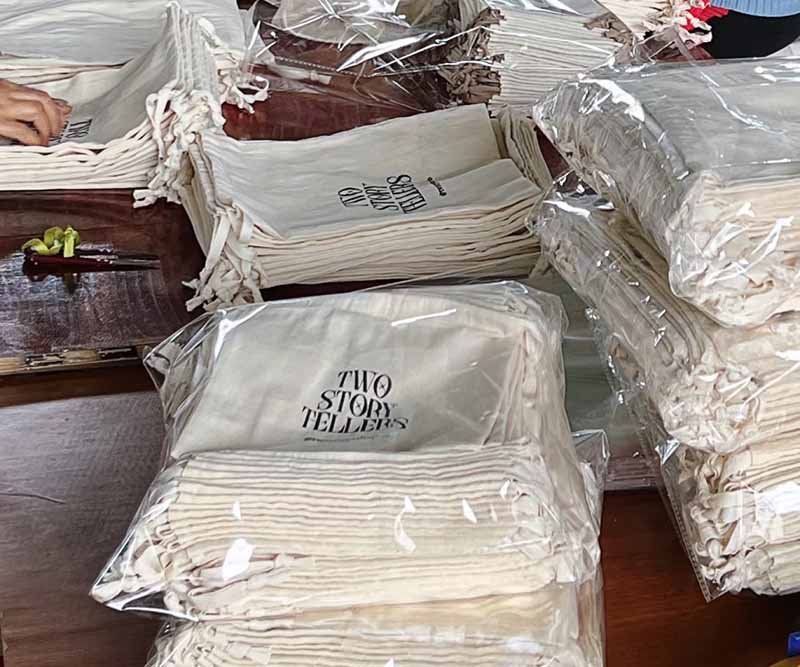
Packaging should protect the product, support brand presentation, meet warehouse requirements, and control transport volume without creating unsupported environmental claims.
1. efficient bulk packing

Efficient Bulk Packing

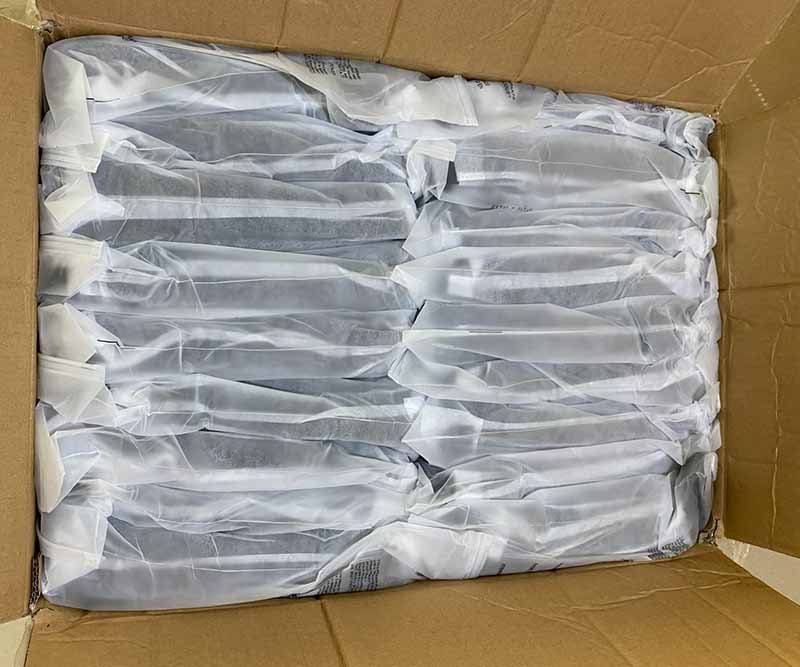
Flat totes, drawstring bags, and simple pouches can often use compact bulk packing to reduce unit packaging and carton volume. Packing method should still prevent dirt, moisture, print transfer, deformation, and mixed-SKU errors during storage and transport. Confirm:
  • Fold direction
  • Units per bundle
  • Inner protection
  • Carton quantity
  • Moisture control
  • SKU separation
2. protective unit bags

Protective Unit Bags

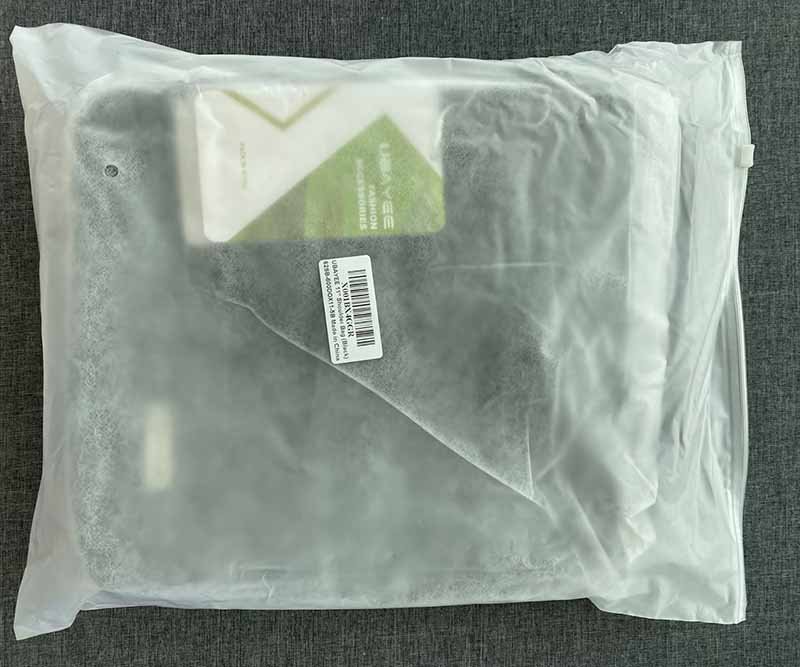
A PE or OPP bag may remain necessary for products requiring individual protection, barcode placement, FBA preparation, or retail cleanliness. Material thickness, warning text, ventilation holes, sealing method, and recyclability claims should be selected according to channel requirements. Confirm:
  • Bag dimensions
  • Adhesive or heat seal
  • Suffocation warning
  • Barcode area
  • Recycled-content claim
  • Pack appearance
3. paper sleeves

Paper Sleeves

Kraft or printed paper sleeves can provide visible branding while using less material than a full box. Sleeves work well for folded totes, pouches, gift sets, or retail presentation when the product can remain adequately protected. Confirm:
  • Paper weight
  • Printing
  • Finish
  • Closure
  • Product compression
  • Barcode position
4. hangtags and labels

Hangtags and Labels

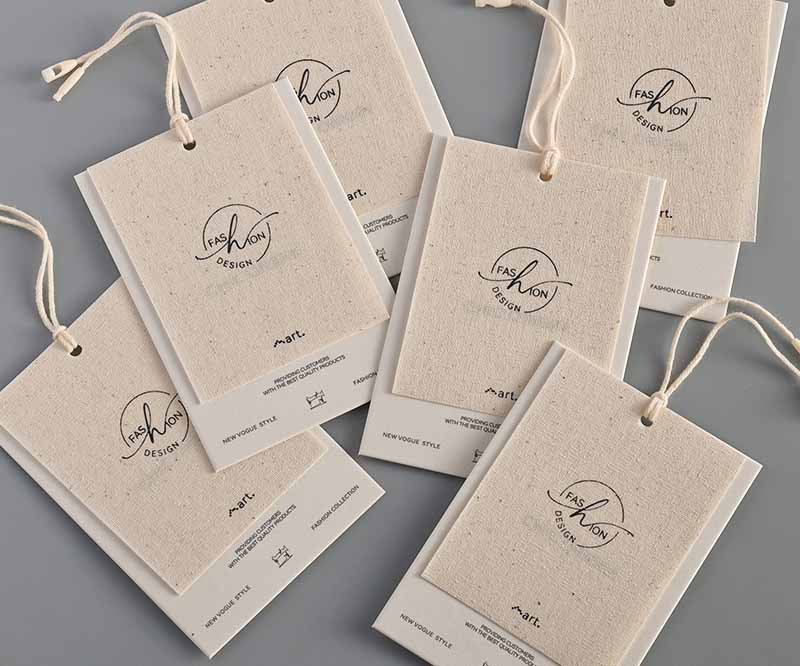
Hangtags can communicate product features, recycled-material information, care instructions, brand story, country of origin, barcode, and retail price. Every environmental statement should match approved records. Confirm:
  • Paper specification
  • Hole and string
  • Printed wording
  • Barcode readability
  • Attachment position
  • Retailer format
5. retail and gift packaging

Retail and Gift Packaging

Premium programs may use mailer boxes, kraft boxes, magnetic boxes, tissue paper, dust bags, thank-you cards, inserts, or complete gift kits. Added packaging can improve presentation but also increases MOQ, development time, carton volume, and freight cost. Confirm:
  • Opening experience
  • Inner support
  • Print files
  • Box dimensions
  • Drop protection
  • Freight impact
6. master cartons

Master Cartons

Master cartons are designed around product shape, pack quantity, transport method, stacking, weight, and warehouse limits. Double-wall cartons, moisture protection, corner support, or internal dividers may be used where needed. Confirm:
  • Units per carton
  • Carton dimensions
  • Gross weight
  • Shipping marks
  • FBA labels
  • Multi-SKU controls

Delivery Options From Factory to Final Destination

Shipping recommendations depend on quantity, packed volume, delivery deadline, destination, import arrangement, sales channel, and replenishment schedule.

Express Sample Delivery

Samples and urgent approval pieces can be sent by international courier. Shipping preparation includes recipient details, declared product information, packing protection, and tracking.
Suitable for:
  • First prototypes
  • Revised samples
  • Material swatches
  • Packaging samples
  • Approval units
  • Urgent replacement samples

Air Freight

Air freight can support launch quantities, urgent replenishment, split shipments, or products with a high value relative to volume. Final carton data is needed before comparing cost and transit options.
Planning includes:
  • Chargeable weight
  • Carton dimensions
  • Airport or door delivery
  • Customs documents
  • Delivery deadline
  • Split quantity

Sea Freight and DDP

Sea freight normally provides a more efficient option for larger RPET orders. FOB, CIF, DAP, or DDP can be evaluated according to destination and project requirements. DDP availability varies by country, product, and shipment conditions.
Planning includes:
  • Port or door destination
  • Carton volume
  • Sailing schedule
  • Customs arrangement
  • Tax responsibility
  • Warehouse appointment

FBA and Multi-Address Delivery

Amazon, overseas warehouse, distributor, and retail programs may require delivery to several destinations. SKU allocation, FNSKU labels, carton labels, packing lists, shipment references, and address-specific quantities must remain accurate.
Support can include:

  • FBA preparation
  • Retail distribution delivery
  • Overseas warehouse delivery
  • Split shipments
  • Multiple addresses
  • Replenishment planning

Representative RPET Bag Project Cases
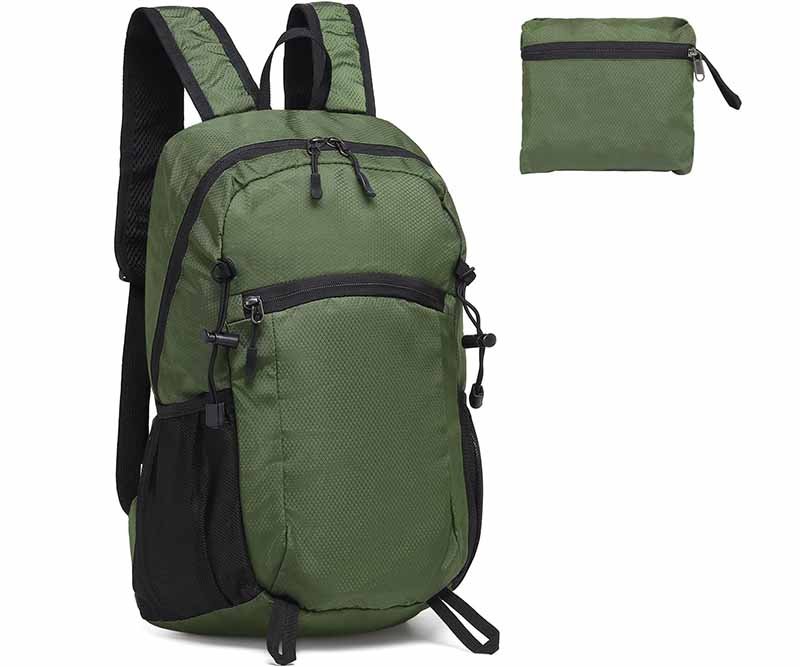
Commercial names and selected design details are withheld. Quantities and production structures reflect representative brand programs managed for international markets.
1. recycled polyester outdoor daypack

US Outdoor Daypack Program

A growing outdoor brand required 3,200 RPET daypacks for online and specialty-retail distribution. The approved size was 29 × 43 × 15 cm, using 600D RPET outer fabric, polyester lining, padded shoulder straps, two bottle pockets, a laptop sleeve, and a molded rubber logo patch. The first prototype revealed excessive fabric bulk near the upper zipper corners and insufficient reinforcement at the shoulder-strap base. Szoneier revised the panel curve, changed the reinforcement layer, adjusted foam thickness, and added bar tacks at critical load points. Project data:
  • Sample rounds: 2
  • Final sample approval: 14 working days
  • Bulk production: 43 days
  • Order quantity: 3,200 pieces
  • Unit packing: Individual protective bag
  • Shipping: Sea freight to a US warehouse
  • Main QC: Strap attachment, zipper movement, laptop compartment, logo position, dimensions, carton weight
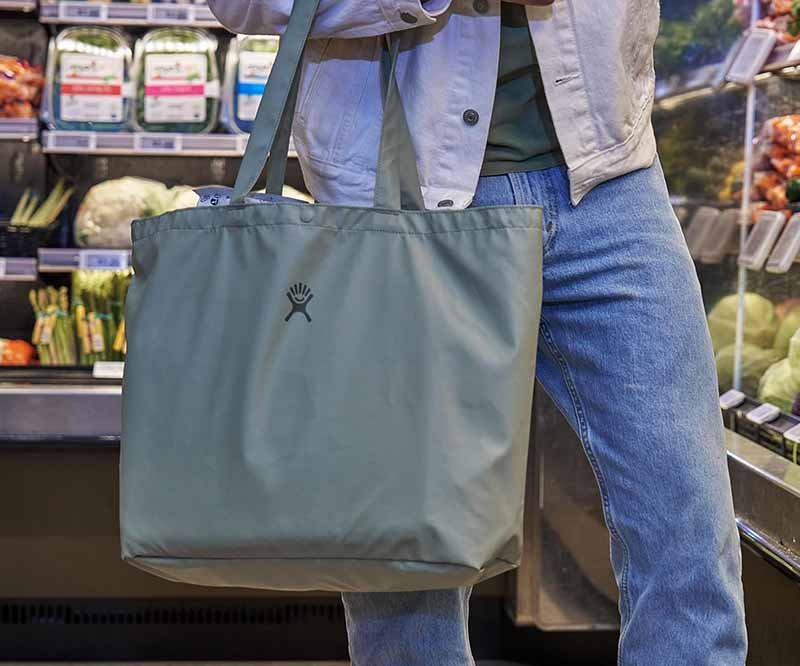
The production lot completed final inspection against the approved sample, BOM, measurement sheet, and packing instructions before shipment release.
2. recycled polyester shopping tote

UK Retail Shopping Tote Program

A retail group developed 12,000 gusseted RPET shopping totes for store distribution. The bag measured 40 × 35 × 12 cm and used 300D RPET fabric, reinforced webbing handles, bound internal seams, a small inner pocket, two-color screen printing, retail hangtags, and barcode labels. Early planning focused on handle loading, folded display size, barcode scan position, carton quantity, and delivery to the retailer’s distribution center. Szoneier prepared a packing sample before bulk production so the retailer could review folding, hangtag visibility, barcode placement, and carton marks. Project data:
  • Sample rounds: 2
  • Final sample approval: 10 working days
  • Bulk production: 38 days
  • Order quantity: 12,000 pieces
  • Packing: 10 pieces per inner bundle
  • Main QC: Fabric color, print position, handle pull, dimensions, barcode scan, carton marks
  • Delivery: Sea shipment to the United Kingdom

The project was packed by SKU and carton sequence, with final quantities checked against the retailer’s packing list.
3. recycled polyester beauty gift pouch

German Beauty Gift Pouch Program

A beauty brand ordered 5,000 RPET cosmetic pouches for a seasonal gift-with-purchase campaign. The selected size was 23 × 15 × 8 cm, using 300D RPET twill, a light-colored lining, smooth nylon zipper, heat-transfer logo, woven side label, recycled-paper sleeve, and master-carton labels. The brand required a clean surface, controlled color, precise logo placement, and compact packing. During sampling, the zipper opening was widened by 12 mm and the side gusset was revised to improve access without increasing the packed volume. Project data:

  • Sample rounds: 2
  • Final sample approval: 9 working days
  • Bulk production: 32 days
  • Order quantity: 5,000 pieces
  • Packaging: Paper sleeve with barcode
  • Main QC: Surface cleanliness, zipper, lining, logo adhesion, shape, barcode, pack count
  • Delivery: Split air and sea shipment

The air portion supported the campaign launch, while the remaining quantity moved by sea to control overall logistics cost. 

RPET Bag Frequently Asked Questions
MOQ starts from 200 pieces for selected standard constructions using available materials, simple branding, and conventional packaging. Many lined, structured, custom-colored, or certification-sensitive programs start from 500 pieces. Exact MOQ depends on fabric availability, color count, component minimums, logo method, packaging, and product complexity.
Szoneier can develop RPET tote bags, shopping bags, grocery bags, backpacks, drawstring bags, cooler bags, lunch bags, cosmetic pouches, travel organizers, packing accessories, promotional bags, and other sewn soft goods. Product structure can be developed from a tech pack, reference sample, photo, sketch, or dimensional brief.
Szoneier can review GRS or RCS requirements according to the selected material supplier, production route, product composition, order quantity, and destination market. Availability must be confirmed for each project. A general RPET material description should not be treated as automatic proof of a certified finished product.
Transaction-document feasibility depends on the certified material source, production entity, order structure, shipment details, and application requirements. The request should be raised before material ordering and quotation. Szoneier will review available support with the relevant supply-chain partners rather than promise a certificate after production is complete.
Not automatically. The outer fabric may be RPET while the lining, foam, webbing, zipper tape, thread, binding, labels, hardware, and packaging use other materials. Szoneier can prepare a component breakdown and recommend broader recycled-material coverage when suitable components, quantities, documentation, cost, and performance are available.
A standard tote, drawstring bag, or pouch normally requires about 7–12 working days after material and artwork confirmation. A backpack, cooler bag, custom-colored product, molded accessory, or complex multi-compartment design may require about 12–20 working days or more. Courier transit is calculated separately.
The best method depends on fabric texture, coating, artwork, logo size, color count, quantity, and desired appearance. Screen printing suits bold graphics, heat transfer supports detailed color, sublimation works on suitable polyester surfaces, embroidery adds texture, woven labels offer consistency, and molded patches create stronger dimensional branding.
Yes. Testing can be coordinated according to material risk, product use, age group, destination market, retailer protocol, and functional claims. Options may include colorfastness, abrasion, seam strength, loading, zipper function, REACH, CPSIA, Prop 65, azo dyes, heavy metals, or other agreed protocols.
Yes. Support can include individual packaging, warning labels, FNSKU labels, barcodes, hangtags, paper sleeves, retail boxes, SKU separation, carton labels, shipping marks, packing lists, and carton-data review. Final requirements should be supplied before packaging materials enter production.

Start Your Custom RPET Bag Project

Send Szoneier your product direction and our team will review the material, structure, MOQ, sample plan, branding, packaging, production timing, and delivery route. A complete tech pack is helpful but not required. Development can also begin from a product photo, sketch, existing sample, online reference, or written idea. For a more accurate quotation, include as much of the following information as available:
  • Product type and intended use
  • Reference photos, sample, sketch, or tech pack
  • Required dimensions or items carried inside
  • Estimated order quantity and SKU breakdown
  • Preferred RPET fabric or performance requirement
  • Required recycled-content, GRS, RCS, or transaction documentation
  • Logo artwork and preferred branding method
  • Lining, pockets, straps, zippers, and accessories
  • Unit packaging, barcode, FNSKU, or retail requirements
  • Target delivery date and destination country
  • Warehouse, retail center, Amazon FBA, or multi-address delivery
  • Target price range, when available
makeup bag

Ask For A Quick Quote

We will contact you within 24 Hours, please pay attention to the email with the suffix“@szoneier.com”

For all inquiries, please feel free to reach out at:

Ask For A Quick Quote

We will contact you within 24 Hours, please pay attention to the email with the suffix“@szoneier.com”

Contact Us

Send us a message if you have any questions or request a quote. We will be back to you ASAP!

For all inquiries, please feel free to reach out at:

Contact Us

Send us a message if you have any questions or request a quote. We will be back to you ASAP!

Exclusive Offer for First-Time Customers

For first-time customers, we will send you a free color card for you to choose.Once you have confirmed the fabric and color, our factory will make a free sample proofing for you.

For customers who frequently cooperate with us, we will send new color charts free of charge several times a year.

For all inquiries, please feel free to reach out at: