 Skip to content
Custom Toiletry Bag Manufacturer for Travel, Cosmetic, and Lifestyle Brands
Reliable OEM & Private Label Toiletry Bag Manufacturing Since 2007
Szoneier is a professional custom toiletry bag manufacturer based in Shenzhen, China. Since 2007, we have supported international brands, e-commerce companies, travel gear distributors, and promotional product businesses with reliable OEM and private label toiletry bag manufacturing.
Unlike many factories that rely on external material suppliers, Szoneier operates integrated material resources including fabric production, leather processing, neoprene manufacturing, and TPU/EVA material supply. This integrated structure allows us to develop toiletry bags with stable quality, faster sampling, and better cost control.
Whether you are launching a new travel accessories brand, expanding a product line, or developing customized promotional travel kits, our team can support your project from concept design to final production.
- Low MOQ starting from 50 pieces
- Sampling time 5–7 days
- Mass production 25–30 days
- Full OEM & private label support
Industries and Businesses That Work With Szoneier
Companies developing toiletry bags often come from different industries. Each group has specific requirements related to product positioning, pricing structure, packaging style, and delivery schedule.
Szoneier works with global brands, retailers, and product developers who require stable production capacity and flexible customization options.
Major Customer Groups
| Customer Category | Product Focus | Key Manufacturing Needs |
|---|---|---|
| Travel Gear Brands | Travel organizers, luggage accessories | Durable materials and reinforced structure |
| Cosmetic Brands | Makeup and skincare storage bags | Premium appearance and clean internal layout |
| E-commerce Companies | Private label travel kits | Low MOQ and fast product launch |
| Promotional Product Companies | Corporate travel gift sets | Cost efficiency and large-volume production |
| Retail Chains | Toiletry kits for stores | Consistent product quality and supply stability |
| Outdoor Brands | Waterproof travel bags | High durability and functional design |
Typical Product Requirements
Travel accessory brands
Often request lightweight, waterproof, and multi-compartment toiletry organizers that match luggage collections. Polyester and nylon materials are commonly used because they balance durability with weight.
Cosmetic companies
Focus on appearance, brand identity, and interior protection for skincare bottles. PU leather or coated fabrics are frequently selected to create a more premium visual presentation.
E-commerce product developers
Usually launch new products with smaller quantities to test market demand. Production flexibility and fast sampling are essential.
Why Long-Term Partners Work With Szoneier
Several operational capabilities make cooperation easier for international companies:
English-speaking sales and development teams
Communication through email, WhatsApp, WeChat, or video meetings
Support for factory visits in Shenzhen
Product development collaboration with internal design engineers
Ability to produce multiple bag categories within the same supply chain
Why Choosing the Right Toiletry Bag Manufacturer Matters
Manufacturing Experience Directly Affects Product Reliability
Travel toiletry bags appear simple at first glance, but long-term durability depends on many small technical decisions made during product development and production.
When a manufacturer lacks experience in bag construction, several problems can occur during large-scale production or after products reach the market.
Common Problems Seen in the Industry
| Manufacturing Issue | Result in the Market |
|---|---|
| Weak zipper selection | Zippers break during travel use |
| Poor internal waterproof coating | Liquid leakage damages luggage |
| Low stitch density | Seams open after repeated use |
| Poor pattern design | Cosmetic bottles do not fit properly |
| Weak handle reinforcement | Bag tears when carrying heavy items |
| Inconsistent material sourcing | Product color varies between batches |
Many brands discover these problems only after products reach customers, which can lead to negative reviews and product returns.

Example Scenario From the Travel Accessories Market
A small travel brand once sourced toiletry bags from a factory that focused mainly on garment manufacturing rather than bags. The structure did not include reinforced seams around the hanging hook.
During use in hotel bathrooms, the hook area gradually tore from the fabric because it supported the weight of full cosmetic bottles. Several hundred units required replacement, resulting in additional logistics costs and damaged brand reputation.
Preventing Manufacturing Risks
Reliable toiletry bag manufacturing normally requires attention to several technical details:
- Correct zipper specification (SBS or YKK quality level)
- Waterproof or wipe-clean interior lining
- Reinforced handle stitching
- Strong edge binding construction
- Durable fabric coating or laminated materials
Factories that regularly produce travel bags understand how these structural elements interact. Production experience helps prevent small design weaknesses that can later become large customer service problems.
Szoneier’s product engineering team evaluates these details during the sampling stage so that large-scale production remains stable and predictable.
Key Factors When Developing Custom Toiletry Bags
Important Factors That Influence Toiletry Bag Manufacturing
Developing a reliable toiletry bag requires more than selecting an attractive fabric or adding a zipper. Travel products experience frequent handling, packing pressure inside luggage, and exposure to liquids such as shampoo or skincare products. For this reason, several manufacturing factors must be carefully evaluated during product development.
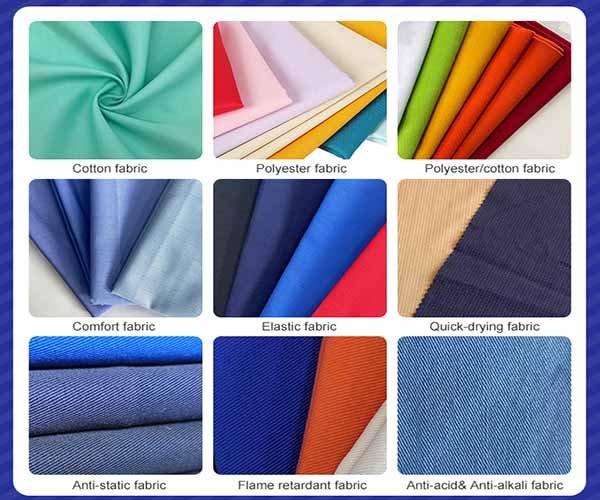
Material Selection
Material choice determines the bag’s durability, appearance, and overall product positioning.
Common materials used in toiletry bags include:
| Material | Characteristics | Typical Applications |
|---|---|---|
| Polyester (300D–600D) | Lightweight and cost-efficient | Travel organizer bags |
| Nylon (210D–1680D) | High strength and abrasion resistance | Premium travel kits |
| Canvas | Thick structure and natural texture | Lifestyle and retail brands |
| PU Leather | Smooth appearance and easy cleaning | Cosmetic and gift sets |
| Neoprene | Soft, flexible, protective | Compact travel pouches |
| TPU Laminated Fabric | Waterproof and wipe-clean | Wet environment travel |
Because Szoneier cooperates with its own fabric production partners, custom fabric colors, coatings, and laminations can be developed according to project requirements.
Structural Design
The internal structure of a toiletry bag directly affects usability.
Common structural features include:
- Multi-layer storage compartments
- Mesh pockets for visibility
- Elastic bottle holders
- Waterproof lining
- Hanging hook for bathroom use
- Reinforced carrying handles
During sampling, the product development team often adjusts compartment spacing and zipper placement to ensure typical cosmetic bottles fit correctly.
Minimum Order Quantity
Many manufacturers require 300–1000 pieces per design, which can be difficult for small product launches.
Szoneier supports starting quantities from 50 pieces, which allows:
- Small product testing orders
- New brand product launches
- Promotional product development
Lead Time Planning
Reliable delivery schedules are essential for product launches.
Typical timeline at Szoneier:
| Stage | Timeline |
|---|---|
| Standard sample | 5–7 days |
| Complex sample with mold accessories | 7–15 days |
| Mass production | 25–30 days |
Lead time may vary slightly depending on order quantity and accessory sourcing.
Quality Control
Every toiletry bag passes through multiple inspection stages:
Raw material inspection
Production line inspection
Final product inspection
Packaging verification
All shipments undergo 100% inspection before leaving the factory, reducing the risk of defective units reaching customers.
Cost Management
Material choice, structure complexity, and accessories determine the final manufacturing cost.
For example:
| Feature | Cost Impact |
|---|---|
| Waterproof TPU lining | Medium increase |
| Custom metal zipper puller | Low increase |
| Genuine leather exterior | Significant increase |
| Multi-compartment structure | Moderate increase |
Because Szoneier controls several material supply channels, pricing can remain competitive even for customized designs.
Compliance and Material Testing
Many international brands require materials to comply with testing standards such as:
REACH (European market)
CPSIA (United States)
Prop 65 (California)
Color fastness testing
Material testing can be arranged through third-party laboratories when required.
Szoneier’s Manufacturing Solution for Custom Toiletry Bags
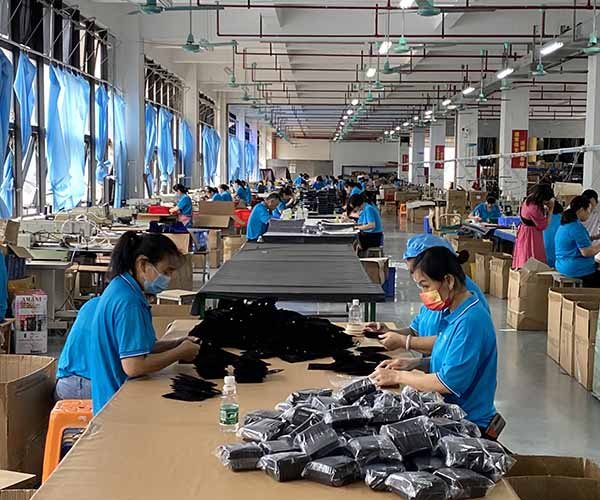
One reason many travel accessory companies cooperate with Szoneier is the company’s integrated manufacturing structure, which simplifies the development of customized bags.
The company combines design, sampling, material sourcing, and production management under one system.
Product Development Support
Szoneier’s internal development team assists with early-stage product design.
Support services include:
- Structure evaluation
- Material recommendations
- Size and compartment planning
- Logo placement suggestions
- Cost estimation
This collaboration helps ensure that the first prototype is already close to production feasibility.
Material Supply Advantages
Szoneier benefits from cooperation with several specialized material factories, including:
- Polyester and nylon fabric production
- Canvas and cotton fabric suppliers
- PU and microfiber leather facilities
- Neoprene material factories
- TPU and EVA laminated materials
Access to multiple material sources allows more flexibility when adjusting product cost, durability, and appearance.
Sampling and Prototype Development
The sampling workshop includes experienced technicians who produce prototypes according to technical drawings or physical references.
Typical sampling process:
- Pattern creation
- Material cutting
- Prototype assembly
- Structure evaluation
- Sample adjustment if necessary
Standard samples are usually completed within 5–7 days.
Production Capacity
The manufacturing network supports a wide range of bag categories, including:
- Travel bags
- Makeup bags
- Toiletry organizers
- Cooler bags
- Neoprene bags
- Canvas bags
Production capacity varies depending on product structure, but typical output ranges between 20,000 and 60,000 bags per month across cooperating production lines.
Communication and Project Management
International clients often require frequent updates during development.
Szoneier supports communication through:
- Video meetings
Sales managers and product engineers communicate directly in English, which helps avoid misunderstandings during development discussions.
Types of Custom Toiletry Bags We Manufacture
Different travel brands, cosmetic companies, and retail distributors require different types of toiletry bags depending on their product positioning, price range, and user scenarios. Over the past 18+ years, Szoneier has developed and produced a wide range of toiletry bag designs for global customers, including travel brands, Amazon sellers, cosmetic companies, and promotional product distributors.
With internal design support, pattern-making capability, and multiple material supply channels, Szoneier can manufacture toiletry bags using polyester, nylon, canvas, PU leather, genuine leather, neoprene, TPU laminated fabrics, and other functional materials.
Below are some of the most commonly manufactured toiletry bag styles.

Travel Toiletry Organizer Bags
Travel toiletry organizers are one of the most widely used travel accessories. These bags are designed to store personal hygiene items such as toothbrushes, toothpaste, skincare bottles, razors, and grooming products.
Typical structural features include:
- Large main compartment for bottles
- Multiple zipper pockets for small items
- Waterproof interior lining
- Reinforced carry handle
Many travel brands request organizers with multi-layer pocket systems, allowing users to separate cosmetics, skincare products, and grooming tools.
Szoneier often manufactures these products using:
- 420D or 600D polyester fabric
- 210D or 420D nylon lining
- SBS or YKK zippers
- Polyester webbing handles
These materials provide a balance between durability, weight, and cost efficiency.
Typical dimensions range between 22 cm and 26 cm in width, making them suitable for luggage packing.

Hanging Toiletry Bags
Hanging toiletry bags are commonly used by travelers who need convenient access to toiletries in hotel bathrooms or shared spaces.
Key design characteristics include:
- Foldable multi-layer structure
- Built-in hanging hook
- Mesh pockets for visibility
- Elastic bottle holders
When designing hanging bags, Szoneier’s engineers pay special attention to hook attachment reinforcement because the hook must support the weight of multiple full-size bottles.
Common reinforcement techniques include:
- Double-layer fabric reinforcement
- Bartack stitching at hook attachment points
- Reinforced webbing anchors
Materials frequently used:
- Nylon fabric for durability
- Polyester lining with waterproof coating
- Breathable mesh pocket panels
These bags are widely used by travel accessory brands, outdoor gear companies, and luggage brands.

Cosmetic Toiletry Bags for Beauty Brands
Many skincare and cosmetic brands include toiletry bags as part of product packaging sets or promotional gift kits.
In these cases, appearance and brand presentation are especially important.
Typical design characteristics include:
- Smooth exterior surface
- Structured shape
- Elegant logo presentation
- Clean interior layout
Materials often used include:
| Material | Advantages |
|---|---|
| PU leather | Smooth appearance and easy cleaning |
| Microfiber leather | Premium texture and durability |
| Coated nylon | Lightweight with glossy finish |
Logo methods commonly used:
- Debossed logos
- Metal logo plates
- Heat transfer printing
Szoneier has produced toiletry bags for cosmetic gift sets with production quantities ranging from 1,000 to more than 20,000 units per project, especially for seasonal retail promotions.

Waterproof Toiletry Bags
Waterproof toiletry bags are designed for situations where moisture protection is important.
Typical use scenarios include:
- Beach travel
- Camping trips
- Swimming or gym activities
- Outdoor adventure travel
Waterproof models often include:
- TPU laminated exterior fabric
- Waterproof zipper
- Seam sealing or waterproof lining
These bags prevent liquid spills from leaking into luggage and protect personal belongings from moisture.
Szoneier’s material partners provide several waterproof fabric options including:
- TPU laminated nylon
- PVC coated polyester
- PU coated polyester
These materials offer different balances between flexibility, durability, and cost.

Men's Dopp Kits
Men’s dopp kits are compact grooming bags traditionally used to store shaving tools, razors, toothbrushes, and personal care products.
Compared with travel organizers, dopp kits usually have simpler internal structures but more rigid shapes.
Common design elements include:
- Rectangular structure
- Top zipper opening
- Reinforced side handles
- Water-resistant lining
Popular materials include:
- Waxed canvas
- PU leather
- Genuine leather
- Heavy-duty nylon
Szoneier manufactures dopp kits for men’s lifestyle brands, grooming product companies, and retail stores.
Typical size range:
20 cm – 26 cm length

Clear TSA Toiletry Bags
Air travel regulations in many countries require liquids to be stored in transparent bags during airport security checks.
Clear toiletry bags are designed specifically for this purpose.
Typical characteristics:
- Transparent PVC or TPU panels
- Lightweight structure
- Simple zipper opening
- Compact size
These bags are commonly sold by:
- Airport retail stores
- Travel accessory brands
- Promotional product distributors
Szoneier produces these bags using clear TPU or PVC panels combined with polyester binding edges to ensure durability.

Compact Cosmetic Pouches
Small cosmetic pouches are designed for storing essential items such as lipstick, makeup brushes, small skincare bottles, or travel cosmetics.
These products are popular in:
- Cosmetic retail collections
- Subscription beauty boxes
- Promotional gift sets
Common features include:
- Lightweight construction
- Soft interior lining
- Simple zipper closure
Materials often used:
- Polyester fabric
- PU leather
- Neoprene
Because these products are smaller, they are often produced in larger quantities ranging from several thousand to tens of thousands of units.

Multi-Compartment Travel Organizer Kits
Some travel brands require more complex toiletry organizers that function as full travel storage systems.
These bags often include:
- Multiple internal compartments
- Detachable pouches
- Mesh visibility pockets
- Expandable storage space
These designs require careful pattern engineering because the internal compartments must remain functional without making the bag too bulky.
Szoneier’s development team typically tests several pocket arrangements during sampling to ensure practical usability.

Luxury Toiletry Bags
Luxury toiletry bags are usually designed for higher-end cosmetic brands or travel accessory companies targeting premium markets.
Design focus includes:
- Refined exterior materials
- Precise stitching quality
- Elegant logo presentation
- Structured internal compartments
Typical materials:
- Genuine leather
- Microfiber leather
- Premium PU leather
These products often use metal logo plates, engraved zipper pullers, or custom hardware to reinforce brand identity.
Szoneier supports these projects by working with leather suppliers and specialized hardware manufacturers to achieve consistent quality.
Production Flexibility Across Categories
Because Szoneier works with multiple material supply chains and cooperating production facilities, the company can produce a wide range of toiletry bag styles within the same manufacturing ecosystem.
Typical project quantities include:
| Order Type | Typical Quantity |
|---|---|
| Trial production | 50–300 pcs |
| Standard retail order | 500–3,000 pcs |
| Large promotional order | 5,000–20,000 pcs |
This flexibility allows brands to start with smaller quantities for market testing and expand production as demand increases.
Structural Engineering Behind Durable Toiletry Bags
The internal structure of a toiletry bag determines how well the product performs during travel. A well-designed bag keeps bottles organized, prevents leakage damage, and maintains its shape even after repeated use.
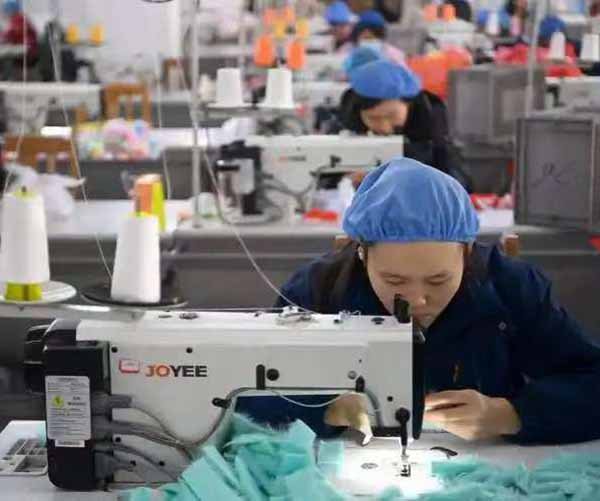
Szoneier’s development team evaluates structure carefully during sampling. Pattern engineers adjust pocket layout, zipper placement, and reinforcement areas to ensure the bag remains durable when filled with typical toiletries such as shampoo, lotion, razors, or skincare bottles.
Common Structural Components
| Structural Component | Function | Manufacturing Notes |
|---|---|---|
| Main compartment | Holds larger items such as shampoo bottles | Requires reinforced zipper stitching |
| Interior pockets | Organize small cosmetics and accessories | Often made with mesh fabric |
| Elastic bottle holders | Keep bottles upright during travel | Elastic width must match bottle size |
| Waterproof lining | Prevent liquid leakage | TPU or PU coating often used |
| Carry handle | Convenient transportation | Reinforced stitching required |
| Hanging hook | Allows bag to hang in bathrooms | Stress points must be reinforced |
Each component must be placed correctly to maintain balance between storage capacity and portability.

Reinforcement Areas
Travel toiletry bags experience stress at several points during daily use. Szoneier typically reinforces these areas:
Handle attachment points
Hook attachment points
Zipper corners
Bottom panel seams
Heavy-load compartments
These reinforcement areas often include double stitching or bartack stitching, which increases durability.

Stitching Density
Stitching quality is one of the most important indicators of bag durability.
Typical stitch density used in Szoneier production:
| Product Area | Stitch Density |
|---|---|
| Main body seams | 8–10 stitches per inch |
| Handle attachment | 10–12 stitches per inch |
| Edge binding | 9–11 stitches per inch |
Higher stitch density improves seam strength but also requires more production time.

Zipper Placement Engineering
Improper zipper placement can make the bag difficult to open or close.
The engineering team evaluates:
Opening angle
Accessibility when packed
Smooth zipper movement
Reinforcement around zipper ends
Many travel organizers use U-shaped openings, allowing the bag to open widely for easier access.

Material Options for Custom Toiletry Bag Manufacturing
Material selection is one of the most important decisions during the development of a toiletry bag. The fabric determines the product’s durability, appearance, water resistance, structure, and overall price level. Different brands choose different materials depending on their target market, product positioning, and expected retail price.
Szoneier supports a wide range of material options because the company works with several specialized material factories and long-term supply partners. These include facilities producing polyester fabrics, nylon fabrics, canvas materials, PU leather, microfiber leather, neoprene, TPU laminated materials, and EVA structures.
Polyester Fabrics
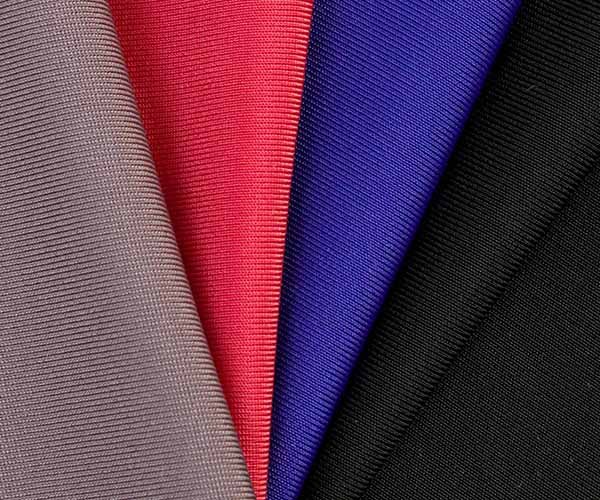
Polyester is one of the most widely used materials for travel bags and toiletry organizers. It offers a practical balance between strength, weight, and affordability, making it suitable for many travel accessory products.
Typical polyester specifications used in toiletry bag manufacturing include:
| Polyester Type | Typical Application |
|---|---|
| 300D polyester | Lightweight cosmetic pouches |
| 420D polyester | Standard travel toiletry bags |
| 600D polyester | Durable travel organizers |
| 900D polyester | Heavy-duty travel bags |
Advantages of polyester:
- Lightweight and easy to carry
- Good abrasion resistance
- Wide range of color and pattern options
- Cost-efficient for large production orders
Many e-commerce brands and promotional product companies prefer polyester because it provides stable performance and competitive production cost.
Szoneier’s fabric partners can also provide PU-coated polyester or PVC-coated polyester, which improves water resistance and durability.
Nylon Fabrics
Nylon fabrics are commonly used in premium travel accessories because they provide stronger tensile strength and better abrasion resistance compared with polyester.
Common nylon materials include:
| Nylon Type | Characteristics |
|---|---|
| 210D nylon | Lightweight and flexible |
| 420D nylon | Balanced durability |
| 840D ballistic nylon | Strong abrasion resistance |
| 1680D nylon | Heavy-duty construction |
Advantages of nylon materials:
- High strength-to-weight ratio
- Smooth surface texture
- Long service life
- Good resistance to tearing
Travel brands that focus on durability and outdoor use often prefer nylon fabrics.
Szoneier frequently produces toiletry bags using 420D or 840D nylon, combined with waterproof interior lining, to create durable travel organizers suitable for frequent use.
Canvas Materials
Canvas fabrics are popular among lifestyle brands and retail product collections because of their natural texture and strong structure.
Common canvas materials used for toiletry bags include:
| Canvas Type | Weight |
|---|---|
| 12 oz cotton canvas | Medium-weight |
| 16 oz cotton canvas | Heavy-duty |
| Waxed canvas | Water-resistant |
Advantages of canvas materials:
- Thick and durable structure
- Classic appearance
- Natural textile feel
- Suitable for embroidery logos
Canvas toiletry bags are often used by fashion brands, lifestyle brands, and gift product collections.
Szoneier can also apply wax coatings or water-resistant treatments to canvas materials, improving moisture protection while maintaining the natural fabric appearance.

PU Leather and Microfiber Leather
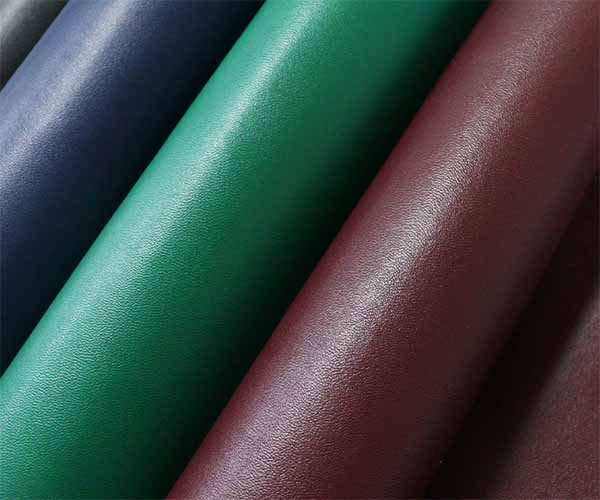
PU leather and microfiber leather provide a more refined appearance compared with textile fabrics. These materials are frequently used in cosmetic bags and premium travel accessories.
Typical options include:
| Material Type | Characteristics |
|---|---|
| PU leather | Smooth surface and cost-efficient |
| Microfiber leather | Higher durability and more realistic leather texture |
| Recycled PU leather | Environmentally friendly option |
Advantages:
- Elegant appearance suitable for retail products
- Easy to clean surface
- Consistent color and texture
- Suitable for debossed logos
Many cosmetic brands use PU leather toiletry bags as gift packaging for skincare product sets.
Szoneier has produced large quantities of PU leather toiletry bags for retail promotions, sometimes reaching production runs of 10,000–20,000 units during seasonal campaigns.
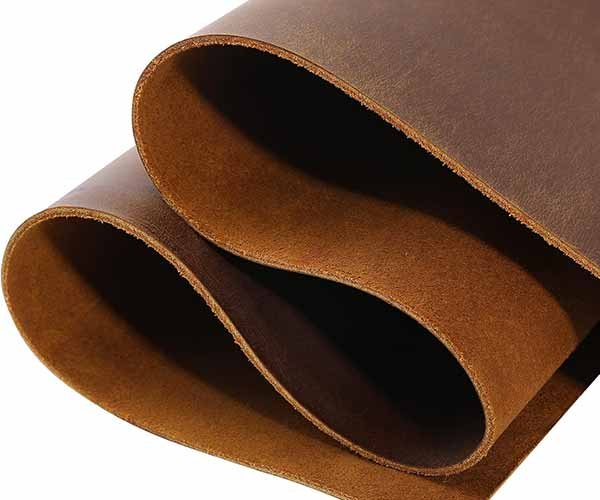
Genuine Leather
For luxury travel accessories and premium grooming products, genuine leather creates a high-end appearance and superior durability.
Typical leather types used include:
- Full-grain leather
- Top-grain leather
- Cowhide leather
Advantages:
- Natural texture
- Long service life
- Premium product positioning
Leather toiletry bags are commonly used for:
- Luxury travel brands
- Men’s grooming products
- Premium corporate gifts
Because Szoneier cooperates with leather processing facilities in Guangdong, leather materials can be sourced with stable quality and consistent color batches.

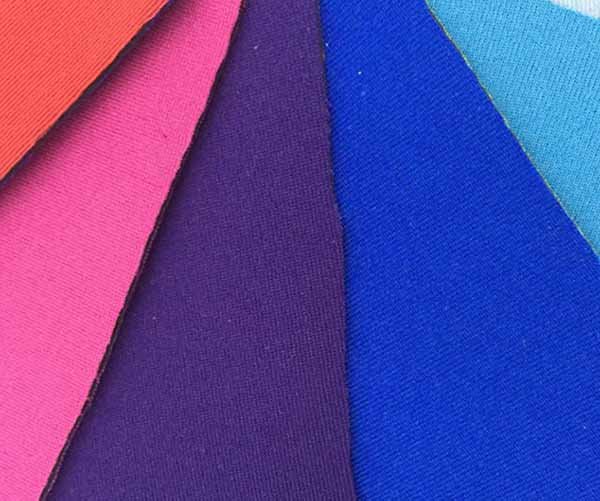
Neoprene Materials
Neoprene is a soft synthetic rubber material that provides flexibility and cushioning. It is commonly used for protective bags and lightweight pouches.
Advantages:
- Soft and elastic structure
- Water-resistant properties
- Shock absorption
Neoprene toiletry pouches are often used for:
- Compact cosmetic kits
- Travel makeup pouches
- Promotional gift bags
Szoneier works with neoprene material factories capable of producing 2mm to 5mm neoprene thickness, depending on product structure requirements.
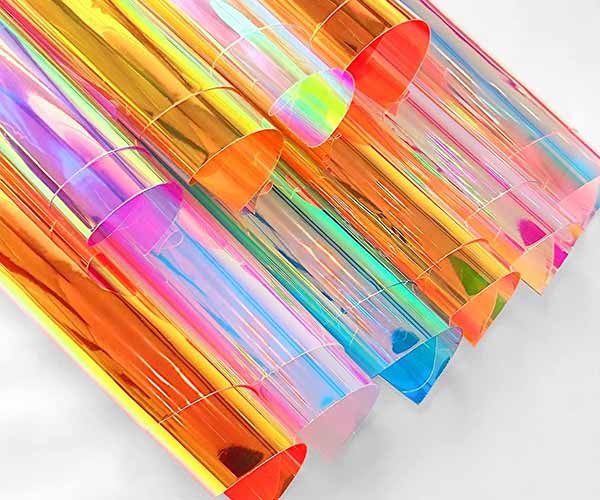
TPU Laminated Fabrics
TPU laminated fabrics are widely used for waterproof travel products. These fabrics combine a textile base layer with a thermoplastic polyurethane coating.
Advantages:
- Strong waterproof performance
- Smooth surface texture
- High flexibility
- Good resistance to oils and chemicals
TPU laminated fabrics are commonly used in:
- Waterproof toiletry bags
- beach travel kits
- outdoor travel organizers
These materials prevent liquid leakage and are easy to clean.

EVA Structured Materials
EVA materials are sometimes used in structured travel cases rather than soft bags.
Advantages:
- Semi-rigid shape
- Impact protection
- Clean molded appearance
EVA toiletry cases are commonly used for:
- travel accessory kits
- cosmetic tool storage
- electronic accessory organizers
Szoneier can cooperate with EVA molding factories to produce these structured cases when needed.
Lining Materials for Toiletry Bags
In addition to exterior fabrics, interior lining materials play an important role in protecting the bag contents.
Common lining materials include:
| Lining Material | Purpose |
|---|---|
| Polyester lining | Standard interior lining |
| Nylon lining | Durable and lightweight |
| Waterproof TPU lining | Prevents liquid leakage |
| PEVA lining | Used for moisture resistance |
Many toiletry bags use wipe-clean waterproof lining, which protects luggage from spilled liquids.


Choosing the Right Material Combination
A well-designed toiletry bag often combines several materials to achieve the best balance between durability and cost.
Example combinations:
| Exterior Material | Interior Lining | Result |
|---|---|---|
| 600D polyester | waterproof polyester | affordable travel organizer |
| 420D nylon | TPU laminated lining | durable waterproof travel bag |
| PU leather | polyester lining | cosmetic brand gift bag |
| canvas | PEVA lining | lifestyle toiletry bag |
Szoneier’s development team typically reviews these material combinations during sampling to ensure the final product meets the brand’s expectations for performance, appearance, and cost efficiency.
Hardware Components Used in Toiletry Bags
Hardware and accessories play a significant role in the durability and usability of toiletry bags. Small components such as zippers, hooks, and pullers often determine how customers perceive the overall product quality.
Szoneier provides multiple accessory options depending on project requirements and target price range.
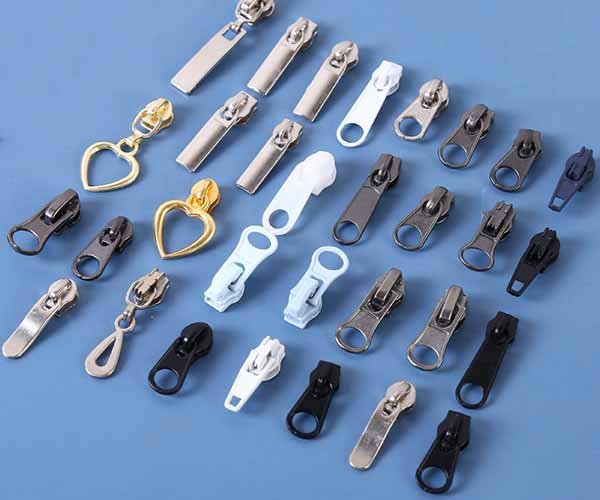
Zipper Systems
Zippers are one of the most critical components in any toiletry bag. Poor-quality zippers can cause product failure even if the rest of the bag is well constructed.
Szoneier typically recommends using reliable zipper brands for travel products.
Common Zipper Options
| Zipper Type | Application | Characteristics |
|---|---|---|
| SBS zipper | Standard travel bags | Reliable performance and cost efficiency |
| YKK zipper | Premium products | Industry-leading durability |
| Nylon coil zipper | Flexible openings | Smooth movement |
| Resin zipper | Structured bags | Strong teeth and durability |
Typical Zipper Sizes
| Zipper Size | Usage |
|---|---|
| #5 zipper | Most toiletry bag compartments |
| #8 zipper | Large main compartments |
| #10 zipper | Heavy-duty travel organizers |
During sampling, Szoneier tests zipper installation to ensure smooth opening angles and proper reinforcement at zipper corners.

Zipper Pullers
Zipper pullers influence both functionality and brand identity. A well-designed puller improves grip and adds a distinctive visual element to the product.
Common Zipper Puller Types
- Metal zipper pullers
- Rubber logo pullers
- Cord zipper pullers
- Molded silicone pullers
- Custom engraved pullers
Puller Material Comparison
| Puller Material | Characteristics | Typical Use |
|---|---|---|
| Metal | Premium appearance | Leather toiletry bags |
| Rubber | Flexible and lightweight | Travel organizers |
| Cord | Simple and practical | Outdoor gear |
| Silicone | Soft and branded | Cosmetic bags |
Szoneier frequently produces custom logo pullers, especially for brands that want stronger visual identity.

Hanging Hooks for Toiletry Bags
Hanging hooks are essential for many travel toiletry organizers. They allow the bag to be suspended in hotel bathrooms or small travel spaces.
Hook Types
| Hook Material | Application |
|---|---|
| Plastic hook | Lightweight travel bags |
| Aluminum hook | Durable mid-range bags |
| Stainless steel hook | Premium hanging organizers |
| Rotating hook | Flexible hanging angles |
Hook attachment points must be reinforced carefully because the hook supports the weight of filled cosmetic bottles.
Szoneier normally uses:
- Double-layer reinforcement fabric
- Bartack stitching
- Reinforced webbing anchors
These reinforcements help prevent tearing during repeated use.
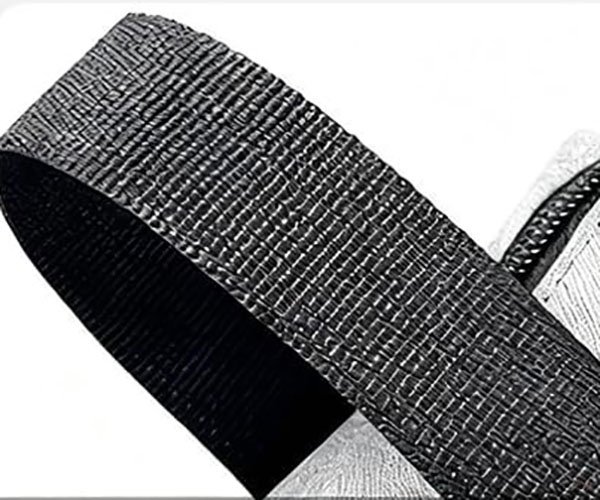
Webbing Handles and Carry Straps
Handles are important for portability. Toiletry bags are frequently carried in luggage or held by hand during travel.
Common Webbing Materials
| Material | Characteristics |
|---|---|
| Nylon webbing | Strong and durable |
| Polyester webbing | Cost-effective and color stable |
| Cotton webbing | Soft and natural appearance |
Typical Handle Widths
| Width | Application |
|---|---|
| 20 mm | Small cosmetic pouches |
| 25 mm | Standard toiletry bags |
| 38 mm | Larger travel organizers |
Szoneier reinforces handles with multiple stitching rows to ensure the bag can support the weight of full bottles.

Internal Elastic Bands
Elastic bands are used to secure bottles and prevent them from shifting inside the bag during travel.
Elastic Band Applications
- Bottle holders
- Cosmetic brush holders
- Razor storage loops
Common Elastic Sizes
| Elastic Width | Typical Use |
|---|---|
| 20 mm | Small cosmetic bottles |
| 25 mm | Standard travel bottles |
| 40 mm | Large containers |
Elastic quality is important because weak elastic may lose tension after repeated use. Szoneier sources elastic materials designed for long-term durability.

Interior Mesh Pockets
Mesh pockets allow users to quickly identify stored items without opening each compartment.
Mesh Types Used in Toiletry Bags
| Mesh Type | Characteristics |
|---|---|
| Polyester mesh | Lightweight and economical |
| Nylon mesh | Stronger durability |
| Sandwich mesh | Breathable and structured |
Mesh pockets are often combined with zipper closures to keep smaller items organized.

Buckles and Fastening Components
Some toiletry bags use buckles to secure foldable sections or compression straps.
Buckle Types
Plastic side-release buckles
Adjustable ladder locks
Magnetic closures
Snap buttons
Plastic buckles are widely used because they provide reliable strength while remaining lightweight.
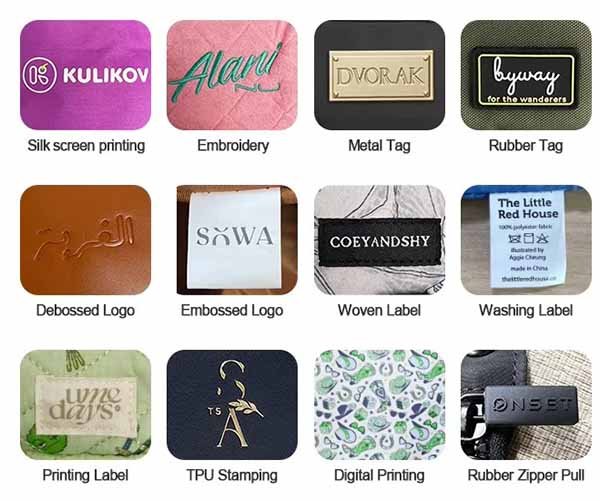
Logo Accessories
Some brands prefer hardware elements that display the brand logo directly on the bag.
Common Logo Hardware Options
| Logo Hardware | Characteristics |
|---|---|
| Metal logo plates | Premium appearance |
| Rubber patches | Durable and flexible |
| Woven logo labels | Cost-effective branding |
| Embossed leather patches | Luxury look |
Szoneier works with accessory suppliers capable of producing custom molds for metal logo plates and rubber patches, allowing brands to create unique hardware components.

Protective Components
Certain accessories help protect the bag from wear and damage during travel.
Protective Hardware Examples
Bottom studs for leather bags
Edge binding reinforcement
Corner reinforcement patches
These elements improve durability and extend the product’s lifespan.
Accessory Customization Capabilities at Szoneier
Because Szoneier cooperates with multiple hardware suppliers in the Shenzhen and Dongguan manufacturing region, the company can support a wide range of accessory customization options.
Capabilities include:
- Custom zipper puller molds
- Custom metal logo plates
- Color-matched hardware
- Branded woven labels
- Custom zipper tape colors
These options allow travel brands and cosmetic companies to create toiletry bags that match their overall product identity.

Logo and Branding Options for Custom Toiletry Bags

Screen Printing
- Clear logo visibility
- Cost-effective for medium and large production runs
- Suitable for simple or bold graphics
- Durable when properly applied
- Travel organizer bags
- Promotional toiletry kits
- Retail cosmetic pouches
| Logo Placement | Typical Width |
|---|---|
| Center front panel | 6–12 cm |
| Corner branding | 3–5 cm |
| Side label area | 4–8 cm |
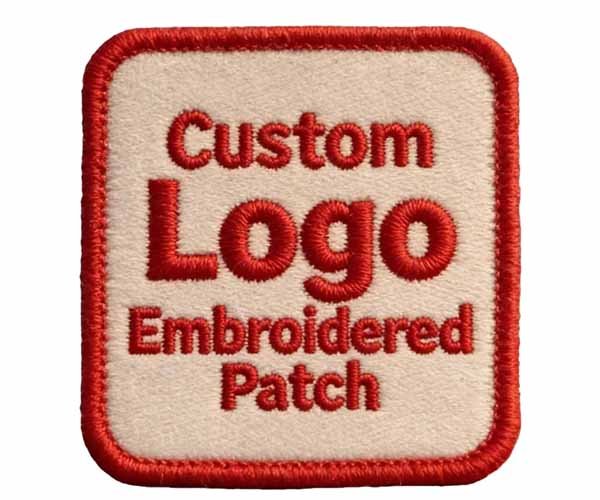
Embroidery Logos
- High durability
- Premium look
- Strong brand visibility
- Canvas toiletry bags
- Nylon travel organizers
- Lifestyle brand travel accessories
| Feature | Typical Value |
|---|---|
| Stitch density | 6,000–10,000 stitches |
| Logo size | 4–8 cm width |
| Thread type | Polyester embroidery thread |
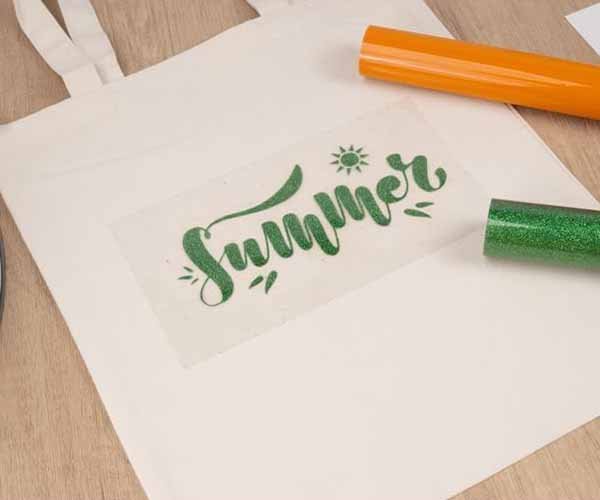
Heat Transfer Printing
- Supports complex designs
- Suitable for photographic images
- Smooth logo surface
- Multiple colors
- Gradients
- Fine graphic details
- Polyester cosmetic bags
- Travel organizers
- Promotional gift bags
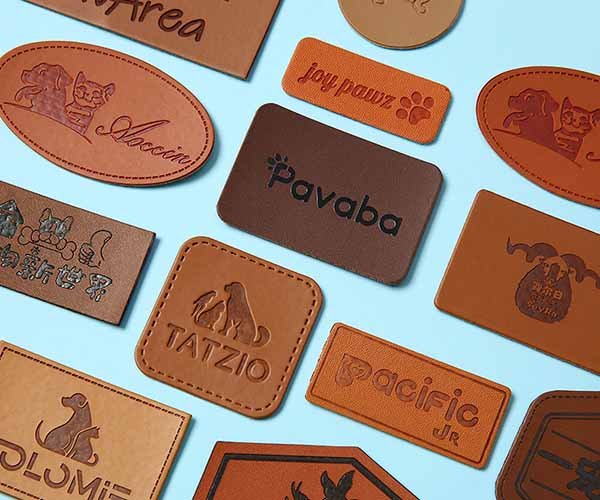
Debossed and Embossed Logos on Leather
- Subtle appearance
- Premium visual effect
- Long-lasting impression
- Strong visual presence
- Three-dimensional effect
- Men’s grooming kits
- Premium cosmetic travel bags
- Leather dopp kits
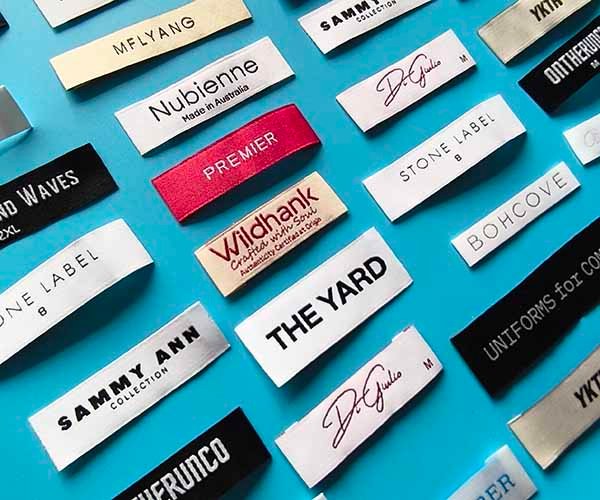
Woven Labels
- Cost-efficient
- Durable
- Suitable for many materials
- Interior seams
- Side edges of the bag
- Internal lining areas
- E-commerce brands
- travel accessory companies
- retail product collections
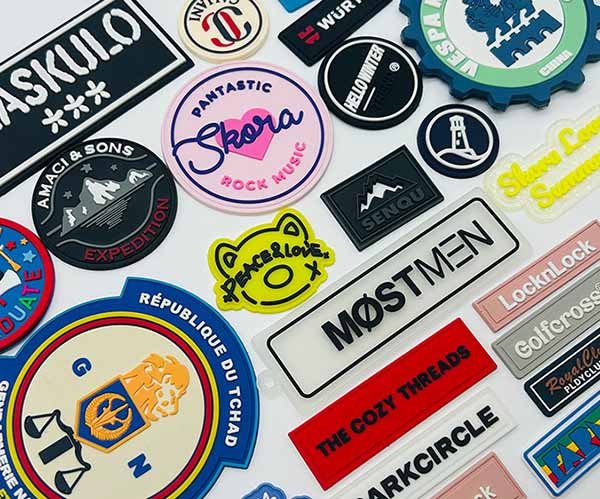
Rubber and Silicone Logo Patches
- Flexible material
- Waterproof surface
- Strong durability
- stitching
- adhesive backing
- molded attachment points
- nylon travel bags
- neoprene cosmetic pouches
- outdoor toiletry organizers
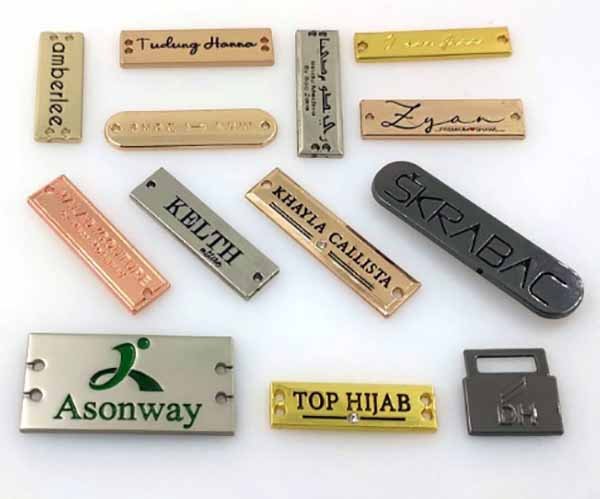
Metal Logo Plates
| Material | Characteristics |
|---|---|
| Stainless steel | Durable and corrosion-resistant |
| Zinc alloy | Good for detailed logo shapes |
| Brushed aluminum | Lightweight and modern |
- rivets
- stitching
- adhesive reinforcement
- PU leather cosmetic bags
- luxury travel kits
- gift packaging bags
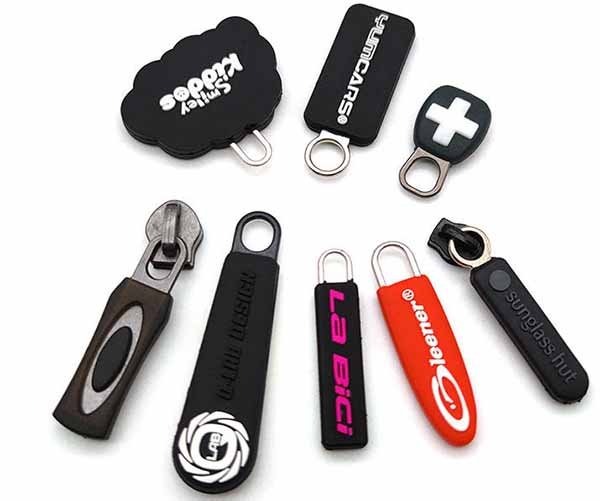
Custom Zipper Puller Branding
Another effective branding opportunity is the zipper puller. Instead of a standard puller, brands often use custom pullers with engraved or molded logos. Common puller branding options include:
engraved metal pullers
molded rubber pullers
silicone logo pullers
custom shape pullers
These small details strengthen brand identity without increasing product size or changing bag structure. Szoneier frequently develops custom zipper pullers for private label projects, especially for travel gear brands.
Logo Method Comparison
| Logo Method | Suitable Materials | Cost Level | Visual Impact |
|---|---|---|---|
| Screen printing | Polyester / nylon / canvas | Low | Clear and simple |
| Embroidery | Canvas / nylon | Medium | Textured and durable |
| Heat transfer | Polyester fabrics | Medium | Detailed graphics |
| Debossed leather | PU leather / genuine leather | Medium | Elegant |
| Woven label | Most fabrics | Low | Subtle branding |
| Rubber patch | Nylon / neoprene | Medium | Modern |
| Metal plate | Leather / PU leather | Higher | Premium |
Production Capacity and Order Requirements
Production planning is an important factor when launching a new product. Many travel accessory brands must coordinate manufacturing schedules with product launches, marketing campaigns, or retail distribution timelines.
Szoneier offers flexible production arrangements suitable for both emerging brands and established companies.
Minimum Order Quantity
The minimum order quantity for most custom toiletry bag designs begins at: 50 pieces per design This flexible quantity helps companies:
Test new product concepts
Launch limited product collections
Develop promotional travel kits
For large production runs, quantities often range between 500 and 10,000 pieces per order.
Sampling Time
Sample development usually requires 5–7 working days for standard designs. Projects that involve new hardware molds or special construction may require slightly longer.
| Sample Type | Lead Time |
|---|---|
| Standard toiletry bag sample | 5–7 days |
| Complex sample with new accessories | 7–15 days |
During the sampling stage, the product development team verifies:
- Material quality
- Structural stability
- Compartment layout
- Zipper performance
Adjustments can be made before mass production begins.
Mass Production Timeline
After sample approval and deposit payment, production normally requires 25–30 days depending on order quantity and factory schedule. Typical production stages include:
Material preparation
Fabric cutting
Sewing and assembly
Quality inspection
Packaging preparation
Production progress updates are provided throughout the process.
Shipping Options
International clients can choose different shipping methods depending on delivery urgency.
| Shipping Method | Typical Transit Time |
|---|---|
| Express courier | 3–7 days |
| Air freight | 5–10 days |
| Sea freight | 20–40 days |
Shipping terms available include:
- EXW
- FOB
- DAP
- DDP
Payment Methods
Szoneier supports several secure payment options:
PayPal
Credit card
Bank transfer (T/T)
Alibaba Trade Assurance
Alipay
Western Union
These options provide flexibility for international transactions.
Product Design and Development Support for Custom Toiletry Bags
Initial Product Concept Evaluation
- product dimensions and capacity
- target user scenario (travel, cosmetic storage, outdoor use)
- preferred materials
- number of compartments and pockets
- zipper placement and opening structure
- logo style and branding method
- hand sketches
- reference photos
- competitor product images
- rough size estimates
- product requirement notes
Material and Structure Recommendations
| Product Goal | Recommended Material |
|---|---|
| lightweight travel bag | polyester or nylon |
| premium cosmetic bag | PU leather or microfiber leather |
| waterproof travel organizer | TPU laminated fabric |
| lifestyle toiletry bag | canvas |
- compartment arrangement
- bottle storage layout
- hanging hook placement
- zipper opening style
- handle reinforcement
Pattern Development and Engineering
Once the design direction is confirmed, the next step is pattern development. Pattern making is one of the most important stages in bag manufacturing because it determines how the fabric panels are cut and assembled. Szoneier’s pattern makers create technical patterns based on the agreed dimensions and structure. Typical pattern development steps include:
1. dimension confirmation
2. pattern drafting for each fabric panel
3. accessory placement planning
4. seam allowance calculation
5. prototype cutting templates The pattern must ensure that all parts fit together precisely during assembly.
Experienced pattern makers also anticipate production challenges, such as areas requiring reinforcement or adjustments to improve durability.
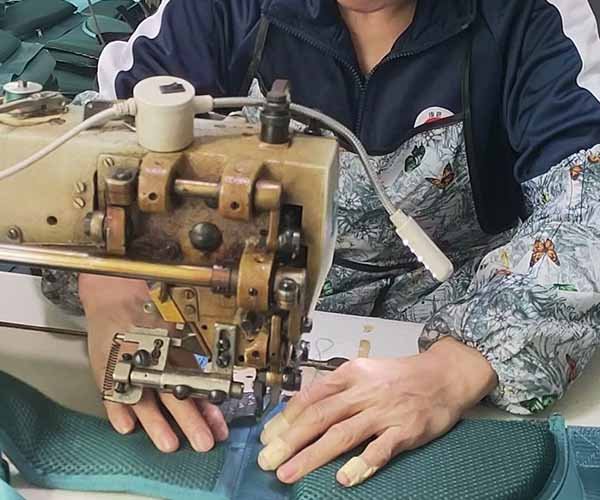
Prototype Creation and Sampling
After the pattern is completed, the design moves to the sampling workshop, where technicians create the first prototype. The sampling stage usually takes 5–7 working days for standard toiletry bag designs. During prototype production, technicians verify several aspects of the design:
zipper alignment and smooth movement
pocket accessibility
handle strength
structural balance
material compatibility
For more complex projects involving custom hardware molds or unusual structures, sampling may require 7–15 days. The completed sample is then provided for evaluation.
Sample Review and Optimization
After receiving the prototype, customers typically review several key aspects of the bag. These may include:
overall size and proportions
internal compartment layout
ease of opening and closing
material appearance and texture
logo placement
If adjustments are required, Szoneier’s development team can modify the pattern and produce a revised sample. This iterative process ensures that the final product meets both design expectations and production feasibility.
Logo and Branding Integration
- logo visibility on the front panel
- balance between branding and product aesthetics
- compatibility between logo method and material
| Material | Recommended Logo Method |
|---|---|
| polyester fabric | screen printing |
| canvas | embroidery |
| PU leather | debossed logo |
| nylon fabric | rubber patch |
Technical Specification Preparation
For customers who plan to scale production or develop multiple SKUs, Szoneier can assist in organizing the final design information into a clearer specification. Typical specification elements include:
finished product dimensions
fabric and lining materials
zipper and hardware details
logo method and placement
packaging requirements
This documentation helps ensure that future production batches remain consistent.
Collaboration With International Clients
- voice calls
- video meetings
From Concept to Production
| Stage | Time |
|---|---|
| concept discussion | 1–2 days |
| pattern development | 1–2 days |
| sample production | 5–7 days |
| sample revision if needed | 3–5 days |
| mass production | 25–30 days |
Development Experience at Szoneier
- weak handle reinforcement
- insufficient internal space
- poor zipper positioning
- unstable pocket layouts
Supporting Both Small Brands and Large Programs
| Project Type | Quantity Range |
|---|---|
| product launch testing | 50–300 pcs |
| standard retail production | 500–3,000 pcs |
| promotional programs | 5,000–20,000 pcs |

Quality Control and Product Testing
Raw Material Inspection
Quality control begins before production starts. Incoming materials such as fabrics, zippers, webbing, and lining materials are checked for:
Fabric thickness and density
Color consistency between batches
Coating quality for waterproof materials
Zipper smoothness and durability
Strength of webbing and handles
For example, polyester and nylon fabrics are checked for GSM weight consistency and coating adhesion before entering production.
In-Line Production Inspection
| Inspection Area | What Is Checked |
|---|---|
| Cutting accuracy | Fabric pieces match pattern size |
| Stitching consistency | Stitch density and seam alignment |
| Zipper installation | Smooth opening and closing |
| Handle attachment | Reinforcement strength |
| Pocket alignment | Correct placement of compartments |
Final Product Inspection
Before packaging begins, finished toiletry bags undergo a full inspection. Typical checks include:
Appearance inspection
Zipper function test
Pocket and compartment verification
Logo placement accuracy
Stitch strength
Each shipment undergoes 100% final inspection before leaving the factory.
Durability and Function Tests
| Test Type | Purpose |
|---|---|
| Zipper cycle test | Evaluates zipper durability |
| Load test | Checks handle strength |
| Fabric abrasion test | Measures wear resistance |
| Color fastness test | Prevents color transfer |
Third-Party Laboratory Testing
For brands selling in regulated markets, material testing can be arranged through independent laboratories. Common testing standards include:
REACH compliance for European markets
CPSIA requirements for the United States
Prop 65 material safety testing
Testing documentation can be provided when required for product compliance.
Step-by-Step Manufacturing Process
Step 1 — Requirement Discussion
The process begins with a detailed discussion about the project. Information normally reviewed includes:
Product size and structure
Material preference
Logo method
Target price range
Order quantity
Reference photos, sketches, or existing products are often used during this stage.
Step 2 — Material and Structure Confirmation
Once the concept is defined, the development team evaluates suitable materials and accessories. Decisions may include:
Fabric type and thickness
Lining materials
Zipper brand and size
Pocket layout and compartments
These elements determine the initial cost estimate.
Step 3 — Cost Evaluation and Quotation
| Cost Component | Description |
| Material cost | Fabric, lining, hardware |
| Labor cost | Cutting, sewing, assembly |
| Logo application | Printing, embroidery, metal plates |
| Packaging | Polybags, cartons, custom packaging |
Step 4 — Sample Order
- Sample order quantity
- Logo artwork
- Color references
Step 5 — Prototype Development
The pattern-making and sampling workshop produces the first prototype.
Technicians verify:
- Structural balance
- Pocket functionality
- Material compatibility
Adjustments can be made before moving forward.
Step 6 — Sample Confirmation
The completed sample is sent for evaluation.
Clients typically review:
- Overall appearance
- Size accuracy
- Internal layout
- Material feel
Any improvements can be implemented before mass production.
Step 7 — Production Deposit
After sample approval, production begins once the deposit is received.
Production planning includes:
Material preparation
Production scheduling
Quality inspection planning
Step 8 — Mass Production
Mass production involves several coordinated steps.
| Production Stage | Description |
|---|---|
| Material cutting | Fabric panels prepared |
| Sewing assembly | Compartments and structure built |
| Hardware installation | Zippers, hooks, handles attached |
| Inspection | Quality control checks |
Production normally takes 25–30 days.
Step 9 — Final Quality Inspection
All finished bags undergo final inspection before packaging.
Products that do not meet standards are repaired or replaced.
Step 10 — Shipment
After final payment, goods are shipped according to the selected logistics method.
Options include:
- Express courier
- Air freight
- Sea freight
The logistics team assists with export documentation and shipment tracking.

Examples of Toiletry Bag Projects Produced by Szoneier

Case Example 1 — European Outdoor Brand
- Water-resistant nylon exterior
- Multiple internal compartments
- Strong hanging hook
- Reinforced stitching

Case Example 2 — United States E-commerce Company
- Lightweight polyester fabric
- Multi-pocket storage
- Custom woven logo label

Case Example 3 — Cosmetic Brand Gift Set Project
- Smooth PU leather exterior
- Waterproof interior lining
- Debossed brand logo
Frequently Asked Questions About Custom Toiletry Bag Manufacturing

Start Your Custom Toiletry Bag Project With Szoneier
- New product concept development
- Sample improvement
- Supplier replacement
- Cost optimization for existing designs
- Private label product launches
- Retail and promotional programs

