Skip to content
A tote style cooler bag may look simple on the surface: soft body, easy handles, clean shape, zip closure, lightweight feel. But once a customer starts developing one for real market use, the questions become much more practical. How long should it keep food cold? Will the handles hold when the bag is full of drinks? Does the lining crack after repeated folding? Can the logo still look sharp after months of use? Can the factory control quality from sample to bulk order? These are the real issues that separate a basic insulated bag from a product that customers reorder.
Tote style cooler bag manufacturing is the complete process of turning a concept into a functional insulated carry bag. It includes structure planning, material matching, insulation design, lining selection, stitching method, logo application, testing, sampling, and bulk production. A well-made tote cooler bag is not just “a tote bag with insulation inside.” It is a product built around temperature retention, carrying comfort, leak resistance, appearance, cost control, and repeatable production quality.
For many importers, brand owners, Amazon sellers, retailers, and promotional product companies, this category is attractive because it sits in a sweet spot: useful, giftable, easy to customize, and suitable for many markets such as grocery, beach, picnic, lunch, sports, travel, and event giveaways. Yet it is also a product category where poor material choice or weak production control quickly creates complaints. A bag that looks good in a photo but fails in daily use can damage trust fast. That is why the manufacturing side matters so much. And once you understand how tote style cooler bags are really made, it becomes much easier to choose the right product direction and the right factory partner.
What Is Tote Style Cooler Bag Manufacturing?
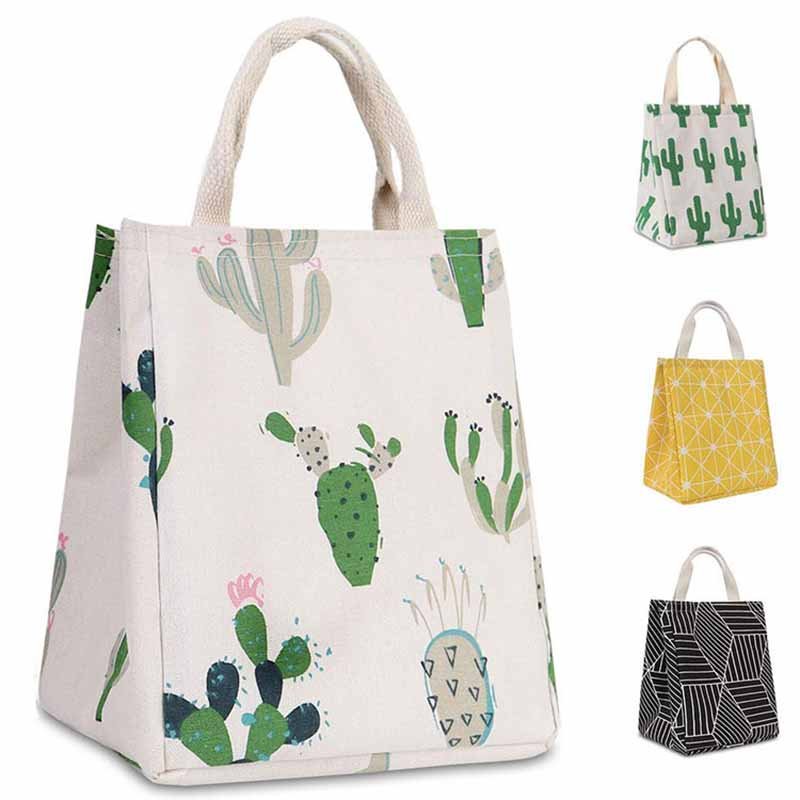
Tote style cooler bag manufacturing is the process of turning a simple carry bag concept into a functional insulated product that performs reliably in daily use. For most customers, the goal is not just to “make a bag,” but to create a product that can carry weight safely, keep food and drinks cool for a practical period of time, resist leakage, and still look good after repeated use. This requires careful coordination between materials, structure, and production methods.
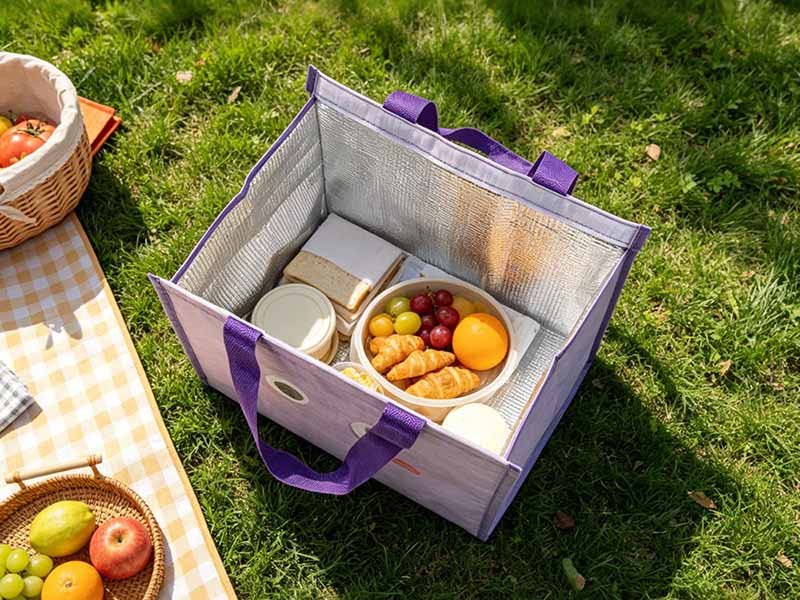
At the production level, a tote style cooler bag is built as a multi-layer system, not a single fabric product. Each layer plays a specific role:
- Outer material → appearance, durability, branding surface
- Insulation layer → temperature control
- Inner lining → waterproofing and easy cleaning
- Structural elements → handles, bottom support, stitching
If any one of these layers is poorly designed or mismatched, the final product will quickly show problems such as weak insulation, deformation, or leakage.
What Is a Tote Style Cooler Bag in Manufacturing?
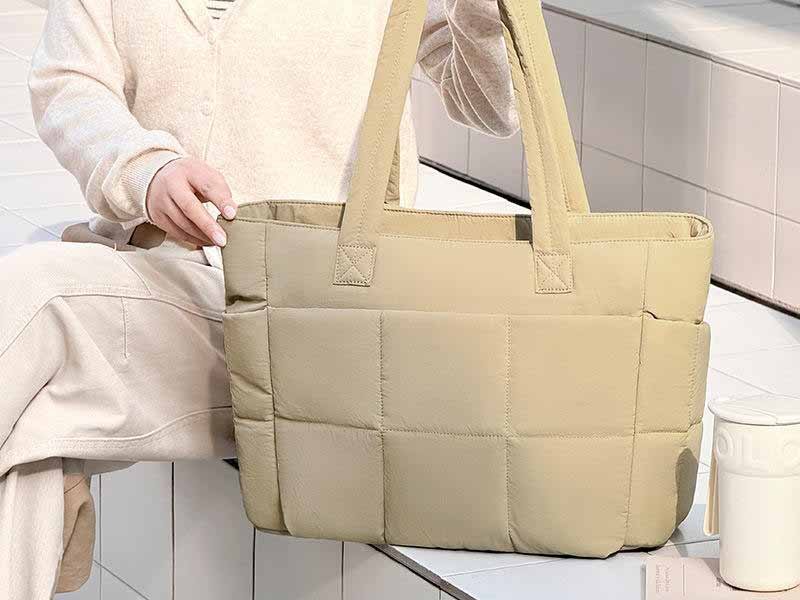
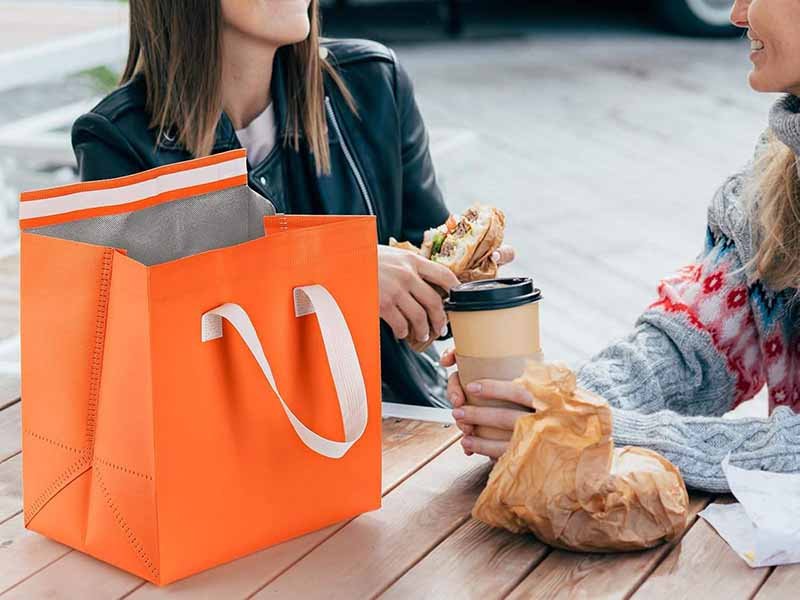
A tote style cooler bag is a soft insulated bag with a tote shape—usually featuring two long handles, a wide opening, and a rectangular body. It is designed for easy carrying by hand or over the shoulder, making it more convenient than bulky hard coolers.
From a manufacturing perspective, this type of bag is typically developed based on capacity and usage scenario first, rather than just appearance.
Common capacity standards in production:
| Size Type | Typical Capacity | Common Use |
|---|---|---|
| Small tote cooler | 6–12 cans | Lunch, short trips |
| Medium tote cooler | 12–24 cans | Grocery, picnic |
| Large tote cooler | 24–36 cans | Family outdoor use |
Weight load is another key factor. A fully loaded cooler tote can easily reach 8–15 kg, especially when carrying beverages or ice packs. Because of this, manufacturers must reinforce:
- Handle stitching points
- Side panels
- Bottom structure
If these reinforcements are not properly designed, the bag may tear or deform after only a few uses.
Another important point is user comfort. Handle width, length, and material affect how the bag feels during carrying. For example:
- Narrow handles may cut into the hand
- Thin webbing may twist under load
- Poor positioning may cause imbalance
A well-designed tote cooler bag should feel stable and comfortable even when fully loaded.
What Makes Tote Style Cooler Bag Manufacturing Different?
Compared to standard bags, tote style cooler bags have stricter functional requirements. They are expected to perform under real conditions such as heat, moisture, weight pressure, and repeated use.
The main differences are:
1. Multi-layer construction requirement
A normal tote bag may only have one or two fabric layers. A cooler bag usually has 3 to 5 layers, each with a different function. These layers must be compatible in flexibility, thickness, and bonding.
2. Temperature performance expectations
Customers expect the bag to maintain temperature for a certain period. In most real-use scenarios:
- Entry-level bags: 2–3 hours
- Standard bags: 4–6 hours
- Premium bags: 6–8 hours
This performance depends not only on foam thickness but also on how well the layers are assembled.
3. Moisture and leakage control
Cooler bags often deal with condensation, ice packs, or chilled items. If the lining or seams are not properly constructed, leakage becomes a common issue.
4. Structural durability under load
Unlike light tote bags, cooler bags often carry heavy contents. This creates stress at:
- Handle connections
- Bottom panel
- Side seams
Factories must design reinforcement points carefully to avoid failure.
What Are the Key Production Steps in Tote Style Cooler Bag Manufacturing?
A typical production process involves several controlled steps. Each step affects the final product quality.
1. Material Selection and Matching
The factory selects outer fabric, insulation foam, lining, and accessories based on the product positioning and price target.
2. Pattern Development
Patterns are created according to size, capacity, and structure. This step determines how the bag will hold shape and distribute weight.
3. Cutting and Preparation
Materials are cut precisely to avoid misalignment. Inconsistent cutting often leads to uneven seams and poor finishing.
4. Layer Assembly
Foam and lining are bonded or attached to the outer material. This step is critical for insulation performance.
5. Sewing and Construction
Panels are stitched together, handles are attached, and structural reinforcements are added.
6. Lining Sealing or Finishing
Depending on the design, lining may be sewn or heat-sealed to improve leak resistance.
7. Quality Inspection
Finished products are checked for:
- Stitch strength
- Appearance
- Size accuracy
- Functionality
Below is a simplified overview:
| Production Stage | Key Focus |
|---|---|
| Material selection | Performance + cost balance |
| Pattern design | Shape and load distribution |
| Cutting | Accuracy and consistency |
| Assembly | Insulation effectiveness |
| Sewing | Strength and durability |
| Finishing | Leak resistance and appearance |
| Inspection | Overall quality control |
Why Does Manufacturing Quality Directly Impact Market Success?
In real business situations, many buyers face the same problem: the sample looks good, but the bulk order performs poorly. This usually happens because manufacturing details were not controlled properly.
Common issues seen in the market:
- Bags lose shape after loading
- Cooling performance is weaker than expected
- Lining wrinkles or cracks after use
- Handles break under weight
- Logos fade or peel
These problems are not caused by design alone—they are caused by inconsistent manufacturing execution.
For example:
- Using lower-density foam can reduce cost but also reduces insulation time
- Skipping reinforcement stitching saves time but increases failure risk
- Using thinner lining reduces cost but shortens product life
This is why experienced factories focus on consistency across production, not just making one good sample.
At Szoneier, production is controlled with:
- Stable material sourcing
- Standardized production processes
- In-line quality checks
- Final inspection before shipment
This helps ensure that every batch matches the approved sample, which is critical for brands that rely on repeat orders and customer trust.
Which Materials Are Used in Tote Style Cooler Bag Manufacturing?
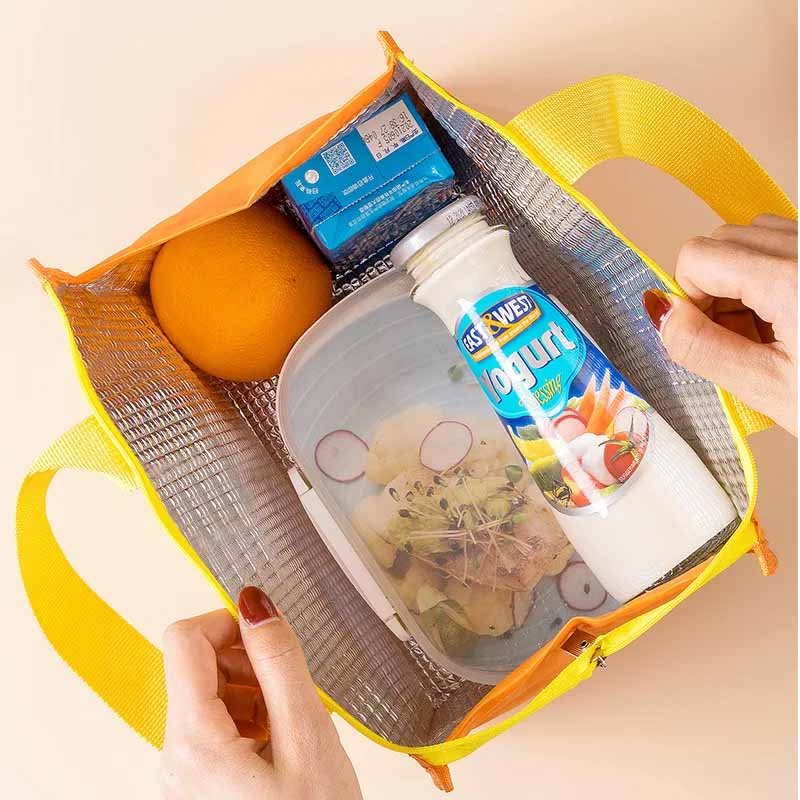
The materials used in tote style cooler bag manufacturing directly affect temperature performance, durability, weight, cost, appearance, and customization results. A good cooler tote is not built from one “best” material. It is built from the right combination of outer fabric, insulation layer, inner lining, webbing, zipper, reinforcement, and logo application method.
Which Outer Materials Are Best for Tote Style Cooler Bag Manufacturing?
The outer material is the first thing customers see and touch, so it influences both product perception and durability. In cooler bag development, the outer shell also affects abrasion resistance, water resistance, structure, and print compatibility. The right outer material depends on product positioning, target price, and sales channel.
Polyester is one of the most common choices because it is versatile and cost-effective. It works well for large-volume orders, promotional bags, supermarket programs, and practical lifestyle products. It accepts many printing methods and can be combined with different backings. Nylon feels lighter and often stronger for the weight. It performs well for outdoor-focused or travel-oriented product lines, especially when water resistance matters. Canvas gives a more natural and premium lifestyle look, but it usually needs extra treatment or lamination if moisture resistance is important.
Neoprene is especially interesting because Szoneier has deep experience in neoprene material development and neoprene product manufacturing. For tote style cooler bags, neoprene gives several strong advantages. It has inherent cushioning, a soft premium handfeel, good flexibility, and an attractive body shape. It also supports full-surface printing well, especially for colorful custom designs. For premium retail programs or branded OEM projects, neoprene often creates a stronger value impression than basic woven materials.
The comparison below shows the strengths more clearly:
| Outer Material | Main Advantages | Common Concerns | Suitable Market Position |
|---|---|---|---|
| Polyester | Cost-effective, stable, printable, widely available | Less premium handfeel | Entry to mid-level |
| Nylon | Durable, lightweight, cleaner technical look | Higher cost than polyester | Mid to higher level |
| Canvas | Natural look, lifestyle appeal | Heavier, less water-resistant unless treated | Mid-level lifestyle |
| Neoprene | Soft, flexible, insulated feel, premium appearance | Material cost is higher | Premium and custom-focused |
Customers should also look beyond the fabric name itself. Fabric weight, lamination method, backing material, surface finish, and color consistency all matter. Two polyester fabrics can perform very differently. Two neoprene sheets can vary in density, stretch, surface smoothness, and printing effect. That is why a factory’s material control matters as much as the material label.
Why Is Neoprene a Strong Option for Premium Cooler Totes?
Neoprene is often associated with wetsuits and protective products, but its value in cooler bag manufacturing is broader than that. For premium tote cooler bags, neoprene helps solve several product development challenges at once. It provides a soft yet supportive body, a comfortable carrying feel, a modern product look, and a degree of natural thermal performance. It is also foldable, resilient, and visually distinctive.
For private label brands, neoprene also helps create better shelf appeal. A neoprene cooler tote usually feels more substantial in the hand than a very basic insulated fabric bag. That higher perceived value can support better pricing in retail and online channels. In custom design projects, neoprene is also friendly for strong visual expression. Printed graphics often look richer and more integrated with the product surface.
Another strength is comfort and portability. Because neoprene has flexibility and cushioning, the bag feels less stiff and more user-friendly in daily carry. This matters for lunch totes, small picnic bags, women’s cooler totes, and family-use designs where comfort affects repeat use.
At Szoneier, neoprene projects can be developed with different thicknesses, lamination options, surface treatments, and logo methods depending on the target market. That makes neoprene especially suitable for brands that want more than a standard catalog product. Instead of competing only on price, the product can compete on feel, design, and customer experience.
Which Inner Layers Improve Tote Style Cooler Bag Manufacturing?
The inside of the bag is where functional value is built. A tote cooler bag may attract attention because of color or shape, but customers stay satisfied because of what happens inside: insulation performance, cleaning convenience, leak resistance, smell control, and product life after repeated folding and use.
A typical cooler tote has three main internal elements: insulation foam, inner lining, and structural attachment. Foam is responsible for slowing temperature transfer. Inner lining creates the moisture barrier and makes the bag easier to wipe clean. Attachment method determines whether the layers stay stable or shift during use.
Foam thickness makes a visible difference in product positioning. Thinner foam keeps the bag lighter and cheaper, but usually offers shorter temperature retention. Thicker foam improves insulation and body shape, but raises cost and can make the bag less flexible. For many practical tote cooler bags, 3 mm to 8 mm insulation is a common working range, but the right choice depends on use. A lunch tote does not need the same performance target as a grocery freezer transport bag.
The chart below shows how thickness often influences product direction:
| Insulation Thickness | Product Feel | Common Use Direction |
|---|---|---|
| 3 mm | Light, flexible, economical | Promotional lunch totes |
| 5 mm | Balanced structure and insulation | Retail everyday cooler totes |
| 8 mm | Fuller body and better temperature control | Premium outdoor or grocery use |
For lining, PEVA is widely used because it is wipe-clean, water-resistant, and cost-effective. Aluminum foil laminates help reflect heat and can improve thermal performance in some builds. EVA and food-contact-safe coated linings are also used in certain projects depending on target market and compliance needs. The right lining is not just about “cold retention.” It also affects odor, touch, crack resistance, ease of cleaning, and long-term appearance.
Customers should be careful here. Some low-priced cooler bags look acceptable at first glance but use very thin inner materials that become brittle, wrinkle badly, or separate after repeated folding. In practical use, lining quality is one of the first things end users notice.
How Do Materials Affect Cost, MOQ, and Product Positioning?
Material selection shapes the whole business model of the bag. It affects sample cost, unit price, logo method, minimum order quantity, production speed, and final sales channel. This is why smart product development starts with market positioning first, then material choice, not the other way around.
If the target is a promotional campaign with tens of thousands of units, the material system needs to be cost-stable, production-friendly, and efficient for printing. Polyester with standard foam and PEVA lining is often a workable direction. If the target is a boutique brand, premium gift program, or e-commerce product that needs stronger visual identity and better user feel, a neoprene-based or upgraded insulated construction may create much better product value.
The material choice also changes the factory process. Some materials cut faster. Some need more careful handling. Some accept sublimation well. Some are better for screen printing or heat transfer. Some create more sewing difficulty at corners and handle connection points. That is why experienced factories discuss use case, budget, quantity, and target customer before locking the material.
The table below shows how materials often align with product goals:
| Product Goal | More Suitable Material Direction |
|---|---|
| Lowest entry cost | Polyester + standard foam + PEVA |
| Better outdoor durability | Nylon + reinforced base + upgraded zipper |
| Eco/lifestyle image | Canvas-look outer with insulated lining |
| Premium branding | Neoprene + custom print + upgraded trim |
| High gift value | Structured insulated build + refined accessories |
For customers comparing suppliers, this is an important point: a factory that only offers a price is not enough. A more valuable factory explains how material decisions affect performance, margin, freight, and customer satisfaction. That guidance is often what saves the project from becoming a product that is cheap to buy but hard to sell.
This is exactly where Szoneier brings practical value. With more than 18 years of experience in neoprene material development and custom manufacturing, Szoneier can help customers balance appearance, function, MOQ, speed, and cost according to the real market they are targeting. Whether the project is a private label launch, a custom promotional line, or an OEM insulated tote collection, the right material plan is usually the first step toward a product that customers actually want to reorder.
How Does Tote Style Cooler Bag Manufacturing Ensure Insulation?
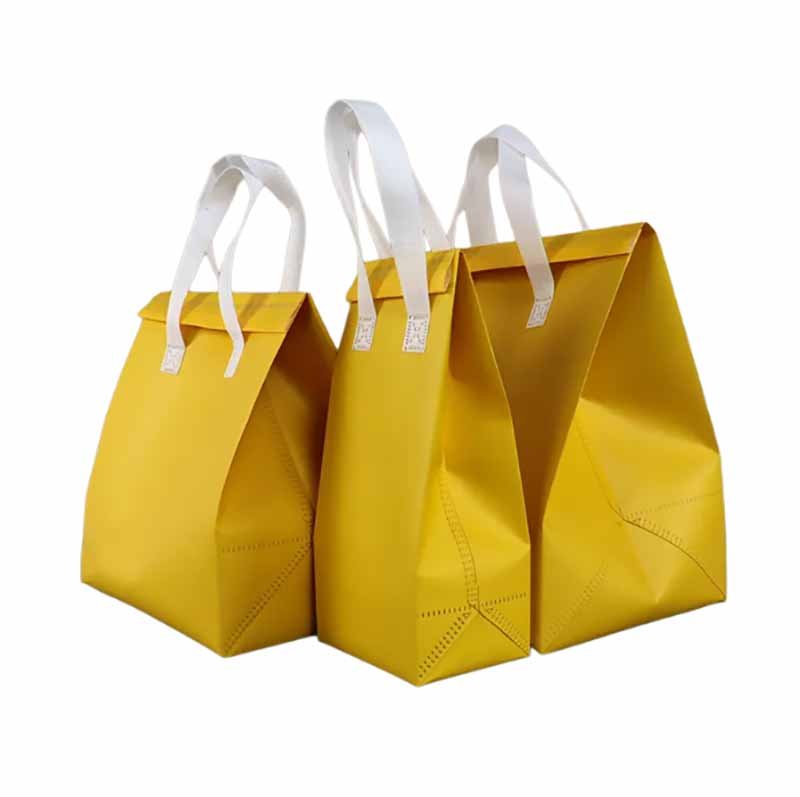
A tote style cooler bag keeps contents cool by combining layered materials, structural sealing, and controlled heat transfer. The outer fabric slows external heat, the insulation foam reduces temperature exchange, and the inner lining prevents air leakage and moisture escape. When these elements are properly matched and assembled, the bag can maintain internal temperature for several hours under normal use conditions.
How Does Structure Affect Tote Style Cooler Bag Manufacturing?
The internal structure is the core factor that determines whether a cooler bag performs well or fails in real use. Many customers assume insulation depends only on foam thickness, but in reality, structure design plays an equally important role.
A well-constructed tote cooler bag usually follows this layered system:
- Outer shell (fabric or neoprene)
- Bonding layer or backing
- Insulation foam (EPE or similar)
- Inner lining (PEVA, aluminum, or EVA)
- Seam structure and closure system
The way these layers are combined affects:
- Heat retention time
- Bag stiffness and shape
- Resistance to folding damage
- Long-term durability
For example, if the foam is loosely attached, it can shift after repeated use, creating weak points where heat escapes faster. If the lining is not properly bonded, it may separate, wrinkle, or tear at corners.
A critical design detail is bottom panel structure. The bottom carries the highest load and is also where cold air tends to settle. If the bottom is too soft, it will sag under weight, increasing internal air circulation and reducing cooling efficiency. Many experienced factories reinforce this area with:
- Double-layer foam
- Insert boards (removable or fixed)
- Reinforced stitching
Another key factor is closure design. Open-top tote coolers lose cold air quickly. Zippered closures perform better, especially when combined with a flap or overlapping edge. Even a small gap along the zipper line can reduce performance significantly.
Below is a structural comparison:
| Structure Feature | Basic Construction | Improved Construction |
|---|---|---|
| Foam attachment | Loose | Fully laminated |
| Bottom support | Single layer | Reinforced + insert |
| Closure | Open or weak zipper | Sealed zipper + flap |
| Side panels | Thin | Structured with foam consistency |
| Handle reinforcement | Standard stitching | Cross-stitch + load reinforcement |
At Szoneier, structure is not copied blindly. Each project is adjusted based on:
- Expected load weight
- Use duration (short trips vs extended use)
- Target price level
This ensures the bag performs in real conditions, not just in samples.
How Does Seam and Lining Design Prevent Leakage?
Leakage is one of the most common complaints in cooler bags, especially when carrying ice, frozen items, or condensation-heavy contents. Preventing leakage is not about one single solution—it requires coordination between lining material, seam method, and construction technique.
There are three main approaches used in manufacturing:
1. Stitching Only (Basic Level)
- Lining is sewn together
- Lowest cost
- Risk of leakage through needle holes
2. Heat Sealing (Mid-Level)
- Lining panels are heat welded
- Better water resistance
- More stable performance
3. Seamless Lining or Fully Welded Structure (High-End)
- Inner liner formed with minimal seams
- Highest leak resistance
- Used in premium products
However, even with good materials, poor execution leads to failure. Common problems include:
- Uneven heat sealing temperature
- Misaligned panels causing stress points
- Weak corners where pressure builds
Corner construction is especially important. The bottom corners experience pressure when the bag is filled. If these areas are not reinforced or sealed correctly, leakage often starts there first.
Another factor is lining thickness and flexibility. If the lining is too thin, it may crack after folding. If it is too stiff, it may not adapt well to the bag shape. A balanced approach is needed.
The table below shows how different lining methods perform:
| Method | Leak Resistance | Durability | Cost Level |
|---|---|---|---|
| Sewn lining | Low | Medium | Low |
| Heat-sealed PEVA | Medium-High | High | Medium |
| Seamless liner | High | Very High | High |
Szoneier often recommends a hybrid solution for many clients:
- Heat-sealed lining for leak control
- Reinforced stitching for outer durability
This approach balances performance and cost, especially for mid-to-high volume orders.
How Long Can Tote Style Cooler Bags Keep Items Cold?
Cooling performance depends on multiple variables, not just material thickness. Real-world performance is influenced by:
- Ambient temperature (indoor vs outdoor)
- Initial temperature of contents
- Whether ice packs are used
- Frequency of opening
- Bag volume vs fill level
Based on common production standards, here is a practical performance range:
| Construction Level | Cooling Duration (Approx.) | Use Case |
|---|---|---|
| Basic (3mm foam) | 2–3 hours | Lunch, short trips |
| Standard (5mm foam) | 4–6 hours | Daily grocery, picnic |
| Premium (8mm+ foam or neoprene) | 6–8 hours | Outdoor, beach, extended use |
It is important to communicate realistic expectations to customers. A soft cooler bag is not designed to replace a hard cooler with ice retention for days. Instead, it offers portable, short-to-medium duration cooling.
Professional manufacturers test performance using:
- Controlled temperature environments
- Ice pack retention tests
- Load simulation
At Szoneier, sample evaluation often includes practical testing scenarios to ensure the product matches the intended use case before mass production.
How to Customize Tote Style Cooler Bag Manufacturing?
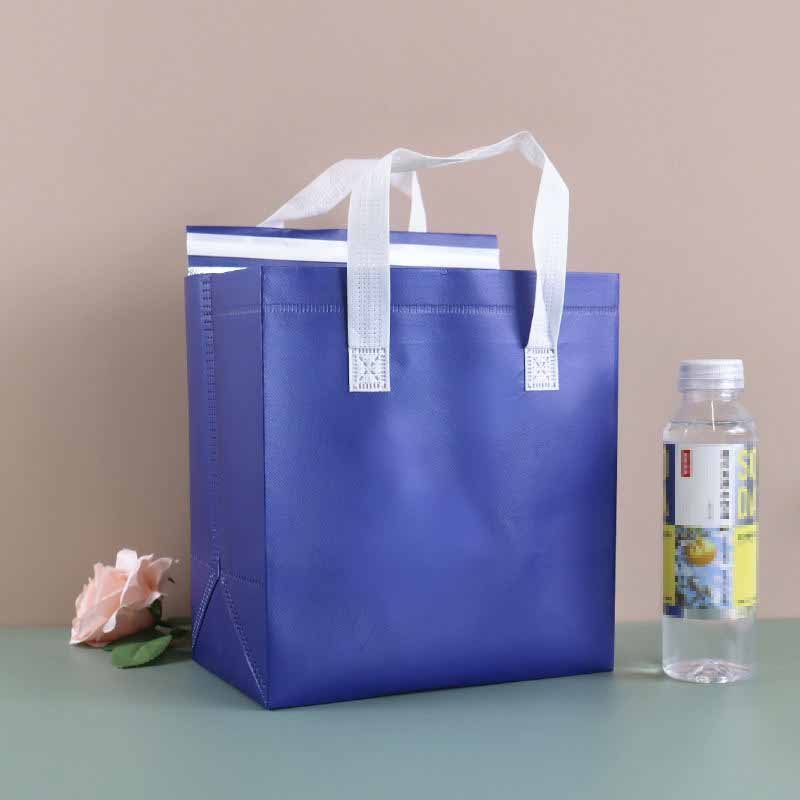
Customization is one of the strongest advantages of tote style cooler bags. From size and material to logo and packaging, almost every element can be adjusted to match a brand’s identity and market positioning.
What Logo Options Fit Tote Style Cooler Bag Manufacturing?
Logo application is not only about appearance—it also affects durability, cost, and production efficiency. Different materials support different logo methods.
The most common options include:
| Logo Method | Features | Best For |
|---|---|---|
| Screen printing | Cost-effective, simple colors | Large volume orders |
| Heat transfer | Detailed graphics, flexible | Medium runs |
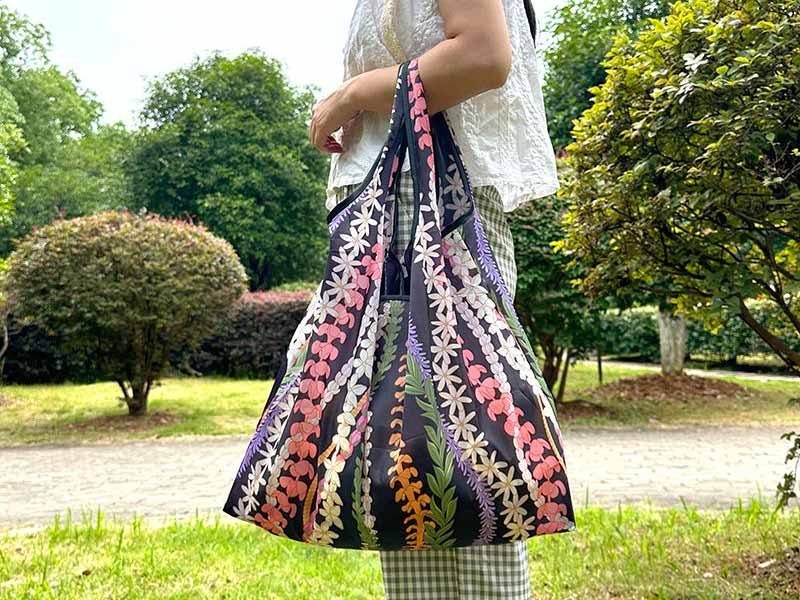
| Sublimation | Full-color, all-over printing | Neoprene products |
| Embroidery | Premium, textured look | High-end branding |
| Rubber patch / label | Strong identity, durable | Outdoor or lifestyle brands |
For neoprene cooler bags, sublimation printing is especially effective because it allows:
- Full surface design
- Gradient colors
- Complex patterns
This is widely used in:
- Fashion-oriented cooler totes
- Promotional products with strong visual identity
- Brand collaborations
However, each method has trade-offs. For example:
- Embroidery increases cost and production time
- Screen printing is limited in color detail
- Heat transfer requires careful control to avoid peeling
A professional factory will recommend the right logo method based on:
- Order quantity
- Design complexity
- Target market positioning
How Does OEM Work in Tote Style Cooler Bag Manufacturing?
OEM (Original Equipment Manufacturing) and private label production follow a structured process. A typical development flow looks like this:
- Concept discussion
- Material recommendation
- Design drawing or sample reference
- Sampling and adjustments
- Cost confirmation
- Bulk production
- Quality inspection
- Packaging and shipment
The sampling stage is especially important. Many problems can be solved at this stage:
- Adjusting size for better capacity
- Improving handle comfort
- Testing insulation performance
- Checking logo placement and color
Below is a simplified OEM timeline:
| Stage | Time Required |
|---|---|
| Design + material confirmation | 3–5 days |
| Sample production | 5–10 days |
| Sample revision | 3–7 days |
| Bulk production | 20–35 days |
Szoneier offers:
- Low MOQ customization
- Fast sampling
- Free design support
- Stable production timelines
This makes it easier for small-to-medium buyers and growing brands to launch products without excessive risk.
What Custom Features Increase Product Value?
Beyond basic customization, several features can significantly improve product competitiveness:
- Adjustable or padded handles for comfort
- External pockets for added storage
- Reinforced bottom panels
- Premium zippers and accessories
- Foldable or collapsible design
- Eco-friendly materials
These details often determine whether a product becomes:
- A one-time order
- Or a repeatable, scalable product line
For example, adding a structured bottom panel can:
- Improve carrying stability
- Enhance perceived quality
- Reduce product returns
At Szoneier, customization is not limited to appearance. It extends to functional upgrades that improve real user experience, which ultimately drives repeat orders.
How to Choose a Tote Style Cooler Bag Manufacturing Partner?
Choosing the right manufacturing partner is one of the most important decisions in developing a successful tote style cooler bag product. A good factory does more than produce—it helps reduce risk, improve product performance, and support long-term growth. A poor choice often leads to delays, inconsistent quality, and costly rework.
The key is to evaluate factories based on capability, experience, communication, and production control, not just price.
What to Check in Tote Style Cooler Bag Manufacturing Factories?
When comparing suppliers, buyers should focus on practical production factors rather than only catalog samples. A reliable factory should be able to demonstrate consistency, not just one good sample.
Here are the most important checkpoints:
1. Material Knowledge and Sourcing Ability
A qualified manufacturer should clearly explain:
- Differences between polyester, nylon, neoprene, and canvas
- Insulation options and their performance impact
- Lining materials and their durability
Factories with strong supply chains can offer more stable pricing and better material consistency.
2. Sampling Capability and Speed
Sampling is where product success begins. A professional factory should:
- Provide clear sample timelines (usually 5–10 days)
- Offer design suggestions, not just execution
- Adjust quickly based on feedback
Slow or inaccurate sampling is often a warning sign for future production delays.
3. MOQ Flexibility
Many small and medium buyers need flexibility. A good factory can:
- Support low MOQ for testing the market
- Scale production smoothly when demand grows
Szoneier supports low MOQ customization, which is especially helpful for:
- New brands
- Amazon sellers
- Promotional product companies
4. Production Capacity and Lead Time Control
Factories should provide realistic production timelines, typically:
- 20–35 days for bulk orders
Unrealistically short promises often lead to quality issues.
5. Quality Control System
A reliable factory should have:
- Incoming material inspection
- In-line production checks
- Final inspection before shipment
Below is a comparison of factory types:
| Factory Type | Strength | Risk |
|---|---|---|
| Small workshop | Low price | Unstable quality |
| Trading company | Easy communication | Less production control |
| Experienced manufacturer | Balanced cost and quality | Slightly higher price but better consistency |
Choosing an experienced manufacturer like Szoneier helps reduce long-term risk, especially for repeat orders.
Why Experience and R&D Matter in Manufacturing?
Experience is not just about years—it is about problem-solving ability. In tote style cooler bag manufacturing, small details often create big issues. For example:
- A zipper placed too close to the edge may cause deformation
- Incorrect foam density may reduce insulation performance
- Weak handle stitching may fail under load
An experienced factory anticipates these issues before production begins.
R&D capability is equally important. Instead of copying existing designs, a strong factory can:
- Suggest better material combinations
- Improve product structure
- Optimize cost without sacrificing performance
Szoneier, with over 18 years of experience in neoprene and soft product manufacturing, supports:
- Material development
- Structural optimization
- Custom product innovation
This is especially valuable for brands looking to differentiate in competitive markets.
What Services Do Top Manufacturers Offer?
A professional tote style cooler bag manufacturer should provide a complete service system, not just production.
Key services include:
- Free design support
- Material consultation
- Fast sampling
- OEM and private label production
- Packaging design
- Logistics coordination
The difference between average and top manufacturers is often seen in how they handle details:
- Clear communication
- Transparent pricing
- Consistent production quality
- Ability to meet deadlines
For example, Szoneier offers:
- Free sample support for selected projects
- Fast turnaround on sampling
- Short lead times for bulk orders
- Full customization from material to packaging
These services help buyers move faster from idea to market.
Common Problems in Tote Style Cooler Bag Manufacturing
Even experienced buyers encounter issues in cooler bag production. Understanding common problems can help avoid costly mistakes.
Problem 1: Poor Insulation Performance
Cause:
- Thin or low-density foam
- Weak structure allowing heat exchange
Solution:
- Choose appropriate foam thickness (5–8mm for most use cases)
- Ensure proper layer bonding
Problem 2: Leakage Issues
Cause:
- Sewn lining without sealing
- Weak corner construction
Solution:
- Use heat-sealed lining
- Reinforce bottom corners
Problem 3: Handle Failure
Cause:
- Insufficient reinforcement
- Poor stitching technique
Solution:
- Use cross-stitch reinforcement
- Test load capacity (8–15 kg standard)
Problem 4: Inconsistent Logo Quality
Cause:
- Incorrect printing method
- Poor color control
Solution:
- Match logo method to material
- Approve pre-production samples
Problem 5: Delayed Production
Cause:
- Poor planning
- Material shortages
Solution:
- Work with factories with stable supply chains
- Confirm timelines before order
Below is a quick reference table:
| Issue | Impact | Prevention |
|---|---|---|
| Weak insulation | Poor user experience | Correct foam selection |
| Leakage | Customer complaints | Heat sealing + QC |
| Handle breakage | Safety risk | Reinforced stitching |
| Logo fading | Brand damage | Proper printing method |
| Delivery delay | Sales loss | Reliable factory |
Final Thoughts: Start Your Tote Style Cooler Bag Project with Szoneier
Tote style cooler bag manufacturing is not just about making a product—it is about creating something that works in real life, represents your brand, and performs consistently across every order.
Whether you are:
- Launching a new product line
- Expanding your brand
- Developing promotional items
- Looking for a reliable OEM partner
The right manufacturing partner makes all the difference.
From concept to bulk production, Szoneier helps turn ideas into reliable, market-ready products.
If you are planning to develop tote style cooler bags, now is the right time to move forward.
Contact Szoneier today to request a quote, get free design support, and start your custom cooler bag project.