Skip to content

Cotton tote bags may look simple, but good manufacturing is never simple. A well-made tote bag needs the right fabric weight, the right handle structure, the right stitching method, and the right logo process. If one detail is wrong, the bag may feel too thin, lose shape, break under load, or fail to match the customer’s brand image. That is why more importers, retailers, promotional companies, and private label brands now pay much closer attention to how cotton tote bags are made, not just how they look in photos.
A strong cotton tote bag is produced through a full process that includes fabric selection, pattern making, cutting, sewing, reinforcement, logo application, inspection, and packaging. The most important production decisions usually focus on fabric type, GSM, handle strength, logo method, and quality control. These five points directly affect cost, durability, delivery performance, and how the final product is received by end users.
In real business, many custom tote bag projects do not fail because of design. They fail because the factory and the customer never aligned on the details that matter in daily use. A bag that looks fine on screen can still disappoint in the hand. And once it reaches your market, it is already too late to fix. That is exactly why this guide matters. The deeper you understand cotton tote bag manufacturing, the easier it becomes to avoid expensive mistakes and build a product people actually want to keep using.
What Is Cotton Tote Bag Manufacturing?
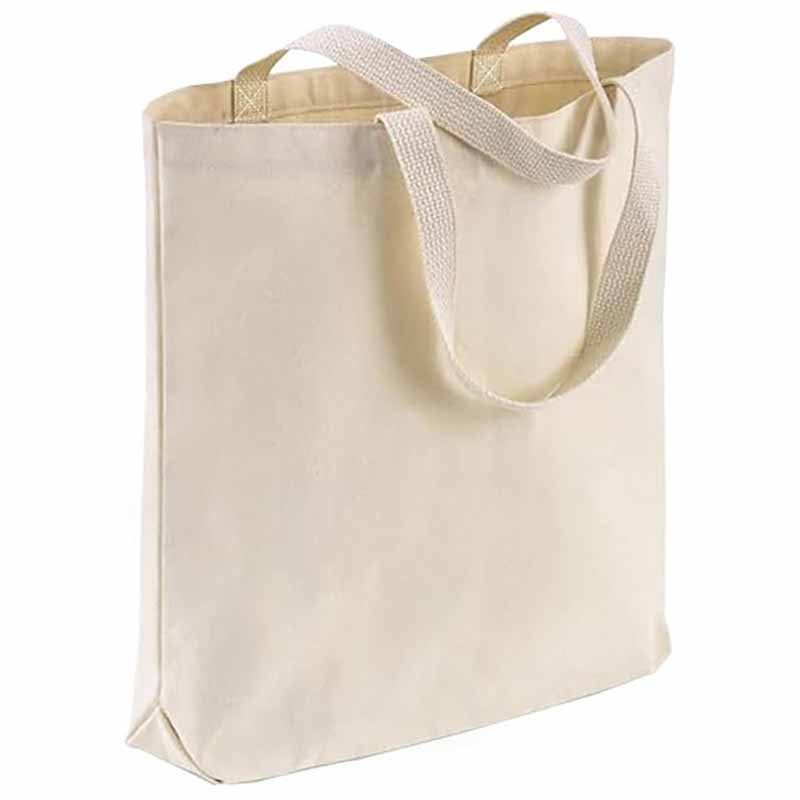
Cotton tote bag manufacturing is the complete process of turning cotton fabric into finished bags for retail, promotional use, gifting, private label, or branded merchandise. It includes choosing suitable cotton material, confirming size and structure, cutting fabric accurately, sewing key parts securely, adding logos or artwork, checking quality, and packing the goods for shipment. Good manufacturing is not just about making a bag. It is about making a bag that fits the market, protects your brand reputation, and performs well in real use.
Cotton tote bag manufacturing is often underestimated because the product looks straightforward. In reality, it is one of the clearest examples of how small production choices create big differences in commercial results. A cotton tote bag is usually judged on five things very quickly: hand feel, appearance, structure, carrying comfort, and print quality. End users may not know the technical terms, but they notice immediately when a bag feels cheap, wrinkles badly, hangs unevenly, or has handles that look weak.
For factories and sourcing teams, cotton tote bag production is a balance between appearance, performance, cost, and speed. A 5 oz promotional bag and a 12 oz retail tote may both be called “cotton tote bags,” but they are completely different products in user experience, lifespan, and price structure. One may be made for a one-day event. The other may be expected to serve as a daily shopping bag for 12 to 24 months.
For companies ordering custom cotton bags, the manufacturing process usually begins with a product brief. This includes bag size, gusset requirements, handle length, target fabric weight, logo artwork, order quantity, packaging request, and target price. From there, the factory develops a sample, adjusts details, confirms production standards, and then moves into bulk manufacturing.
This process matters because tote bags today are used for much more than carrying products. They are now widely used in retail packaging, subscription boxes, trade shows, fashion collections, bookstores, cosmetic promotions, supermarkets, wellness brands, and corporate campaigns. In many cases, the bag itself becomes part of the product experience. Some companies even find that their tote bag gets more public exposure than the product inside it.
At Szoneier, cotton tote bag manufacturing is approached as both a product job and a brand job. That means the discussion is not only about sewing the bag correctly. It is also about helping customers choose the fabric, structure, logo method, and finishing details that fit their market positioning. A low-cost giveaway bag should look clean and practical. A premium private label cotton tote should feel sturdy, refined, and consistent with the rest of the brand.
The table below shows how production choices usually shift based on product positioning:
| Product Positioning | Common Fabric Weight | Typical Logo Method | Expected Use Time | Price Sensitivity | Main Priority |
|---|---|---|---|---|---|
| Event giveaway | 120–150 GSM | Screen printing | 1–3 months | Very high | Low cost |
| Supermarket reusable bag | 140–180 GSM | Screen printing | 3–9 months | High | Balance of cost and durability |
| Retail brand tote | 180–260 GSM | Screen printing / embroidery | 6–18 months | Medium | Appearance and structure |
| Premium merchandise tote | 240–320 GSM | Embroidery / woven label / high-detail print | 12–24 months | Lower | Brand image and longevity |
This is also why the “same” cotton tote bag can vary so much in factory pricing. A quote only makes sense when the specifications are clear. Without a confirmed GSM, size, handle construction, and logo process, two factories may appear to offer the same product while actually quoting completely different quality levels.
For customers, the most important thing to understand is simple: cotton tote bag manufacturing is not just sewing fabric into a rectangle. It is a structured production system where every small decision changes the final cost, durability, look, and commercial value of the bag.
What Materials Matter in Cotton Tote Bag Manufacturing?
The most important materials in cotton tote bag manufacturing are cotton fabric, thread, reinforcement materials, printing supplies, labels, and packaging materials. Among these, cotton fabric has the biggest impact on cost, feel, appearance, durability, and printing performance. If the fabric choice is wrong, the rest of the production process becomes much harder to optimize.
When customers talk about cotton tote bags, they often focus first on shape or logo. But in factory production, material selection comes first for a reason. Material determines whether the bag feels soft or firm, light or heavy, budget-friendly or premium. It also affects how well the bag holds a box, book, grocery load, laptop, or personal items.
The good news is that cotton tote bag materials are flexible enough to support many market levels. The challenge is that many customers choose based on appearance alone, while the actual performance depends on details that are not obvious in a product photo.
Which Cotton Fabrics Work Best?
The most common fabrics used in cotton tote bag manufacturing include plain cotton, cotton canvas, organic cotton, recycled cotton, and blended cotton fabrics. Each one serves a different purpose.
Plain cotton is often used for basic promotional bags. It is softer, lighter, and more affordable, but usually less structured. This makes it suitable for lightweight items, event giveaways, or cost-sensitive campaigns. It is not usually the best option for heavy daily use if the fabric weight is too low.
Cotton canvas is one of the most popular choices for custom tote bags because it is thicker, stronger, and holds shape better. It gives the bag a more substantial feel and usually supports cleaner stitching and better long-term use. For retail brands and giftable products, canvas is often the safer choice.
Organic cotton is selected when environmental positioning matters. It helps support a stronger sustainability story and can raise the product’s value perception in markets where customers actively read material claims. However, it usually adds cost, and customers should be clear whether they need certified organic supply or only organic-content fabric.
Recycled cotton is increasingly used in eco-focused collections. It supports a more responsible material story, but the texture and color consistency can vary more depending on the source blend and yarn quality. It can work very well for brands that want a natural, slightly less uniform visual style.
Cotton blends may include polyester or other fibers to improve wrinkle resistance, reduce cost, or create a different fabric effect. These can be practical in some cases, but if the product is sold as a pure cotton tote, blend content should be declared clearly.
The table below gives a practical comparison:
| Fabric Type | Common Use | Hand Feel | Structure | Print Performance | Cost Level | Best For |
|---|---|---|---|---|---|---|
| Plain cotton | Promotions, giveaways | Soft | Light | Good | Low | Large-volume, budget-driven orders |
| Cotton canvas | Retail, daily-use bags | Firm | Strong | Very good | Medium | Better durability and premium feel |
| Organic cotton | Eco-focused collections | Soft to medium | Medium | Good | Medium to high | Sustainability-driven projects |
| Recycled cotton | Eco campaigns, natural-look collections | Slightly textured | Medium | Good | Medium | Environment-focused branding |
| Cotton blend | Functional or price-controlled projects | Varies | Medium | Good | Low to medium | Cost control or special performance |
For most serious custom cotton tote projects, customers usually choose between plain cotton and canvas. If the bag needs to carry books, groceries, cosmetics, boxed products, or regular daily items, canvas is often the more reliable option.
At Szoneier, customers are usually guided by real use case instead of only by budget. That makes the decision easier. A thin plain cotton bag may work perfectly for a 10,000-piece event order. But the same fabric may be a poor choice for a retail brand charging premium pricing.
What GSM Is Right for Tote Bags?
GSM means grams per square meter. It is one of the clearest ways to measure fabric weight. In cotton tote bag manufacturing, GSM affects bag thickness, drape, durability, carrying capacity, stitching behavior, and price.
A low GSM fabric can help reduce cost, but if it is too light, the bag may feel weak, wrinkle heavily, and wear out faster. A high GSM fabric improves strength and structure, but it also increases material cost, shipping weight, and sometimes printing complexity.
Here is a practical range for cotton tote bags:
| GSM Range | Fabric Feel | Common Application | Performance Level |
|---|---|---|---|
| 120–140 GSM | Thin, flexible | Giveaways, leaflets, lightweight use | Basic |
| 150–180 GSM | Light-medium | Promotional use, simple daily carry | Moderate |
| 180–220 GSM | Medium, balanced | Retail, bookstore, beauty, lifestyle | Good |
| 220–280 GSM | Thick, structured | Premium totes, boxed products, repeated use | Strong |
| 280–320 GSM | Heavy, solid | High-end merchandise, luxury support packaging | Very strong |
Many customers ask what GSM gives the best balance. In practice, 180–220 GSM is often the most commercial range. It feels noticeably better than cheap giveaway fabric, but it is still manageable in cost. This range also performs well for screen printing and daily reuse.
A simple way to think about GSM is this:
- If the bag is meant for one-time or short-term use, lighter GSM may be enough.
- If the bag is sold as part of a product or brand experience, medium GSM is usually safer.
- If the bag is intended to replace paper bags, hold heavier goods, or act as a premium reusable item, higher GSM is worth the extra cost.
The difference in material cost can be meaningful. For example, a 240 GSM canvas tote may cost 20% to 40% more than a 140 GSM plain cotton bag depending on construction and order quantity. But the stronger bag can also feel far more valuable in hand, reduce complaint rates, and stay in circulation longer, which increases the number of times your logo is seen in public.
Customers should also remember that GSM alone does not decide quality. Yarn quality, weave density, and finishing also matter. Two fabrics with the same GSM can still behave differently in production and use.
Are Organic Cotton Options Worth It?
Organic cotton can be worth it, but only when it matches your market position, pricing level, and customer expectations. It is not automatically the best choice for every project.
For brands targeting eco-conscious retail channels, lifestyle customers, museum shops, wellness markets, or sustainable gifting programs, organic cotton can add real sales value. It is not just about the raw material. It is about what that material says to the end customer. In many cases, it supports stronger packaging language, better storytelling, and more trust from consumers who actively compare environmental claims.
However, there are also practical questions customers should ask before specifying organic cotton:
- Do your end users actually care about organic material claims?
- Will they see the certification or understand the value?
- Does your product margin support the added cost?
- Are you prepared to align labels, packaging, and marketing with the material claim?
In general, organic cotton fabric often costs more than conventional cotton. The cost increase can vary by market and certification route, but many custom orders see a noticeable rise in unit cost. Lead times can also become tighter depending on fabric availability and color options.
Below is a simple business comparison:
| Material Choice | Value to End User | Cost Impact | Best Fit |
|---|---|---|---|
| Conventional cotton | Familiar and practical | Lower | Budget-conscious or volume-driven orders |
| Organic cotton | Stronger environmental story | Higher | Eco retail, premium gifting, sustainability-led brands |
| Recycled cotton | Responsible and modern | Medium to high | Brands wanting a greener message with a natural look |
For some customers, organic cotton gives a clear commercial return. For others, it adds cost without improving sell-through. The best decision depends on whether the market will reward the feature.
At Szoneier, the right approach is usually to define the sales goal first. If the bag is a premium branded accessory or part of a sustainability collection, organic cotton may be a smart investment. If the bag is mainly a cost-controlled promotional tool, standard cotton or canvas may be more efficient.
How Do Materials Affect Cost?
Material choice is usually the largest single cost factor in cotton tote bag manufacturing. In many cases, fabric and related trims account for more than half of the total unit cost.
Customers often focus heavily on the ex-factory price, but it is important to understand what is driving that number. A lower quote may come from thinner fabric, lighter stitching, shorter handles, cheaper labels, or simpler printing. Without a material breakdown, price comparison can easily become misleading.
A cotton tote bag cost structure often looks like this:
| Cost Component | Typical Share of Total Cost |
|---|---|
| Fabric | 45%–65% |
| Sewing labor | 15%–25% |
| Logo application | 8%–18% |
| Labels, accessories, packaging | 5%–12% |
| Quality control and overhead | 5%–10% |
Several material decisions can push cost up or down quickly:
- Higher GSM increases fabric consumption and bag weight.
- Gussets and boxed bottoms use more fabric than flat bags.
- Longer handles use more material and stitching time.
- Organic or recycled cotton typically increases raw material cost.
- Inner pockets, lining, zipper closures, snaps, and woven labels all add cost.
- Custom dyeing or exact Pantone matching may increase both cost and lead time.
Here is a practical example of how material choices change the product:
| Specification Level | Entry Level Tote | Mid-Level Retail Tote | Premium Cotton Tote |
|---|---|---|---|
| Fabric | 140 GSM plain cotton | 200 GSM cotton canvas | 280 GSM heavy canvas |
| Handles | Single layer | Reinforced | Reinforced with clean finishing |
| Logo | 1-color screen print | Multi-color print or woven label | Embroidery or premium print |
| Packaging | Bulk pack | Individual polybag or folded pack | Custom insert or branded packaging |
| Unit Cost Trend | Low | Medium | High |
For customers, the key is not chasing the cheapest bag. The key is understanding which parts of the product create visible value and which parts simply increase cost without improving performance. A slightly higher fabric weight and stronger handle stitching often create more real value than decorative extras that the end user barely notices.
This is where experienced production support matters. Szoneier works with customers to identify where cost should be spent and where it can be controlled. That leads to a more market-ready product, especially for brands that need the bag to look good, hold weight properly, and maintain repeatable quality across production runs.
How Does Cotton Tote Bag Manufacturing Work?
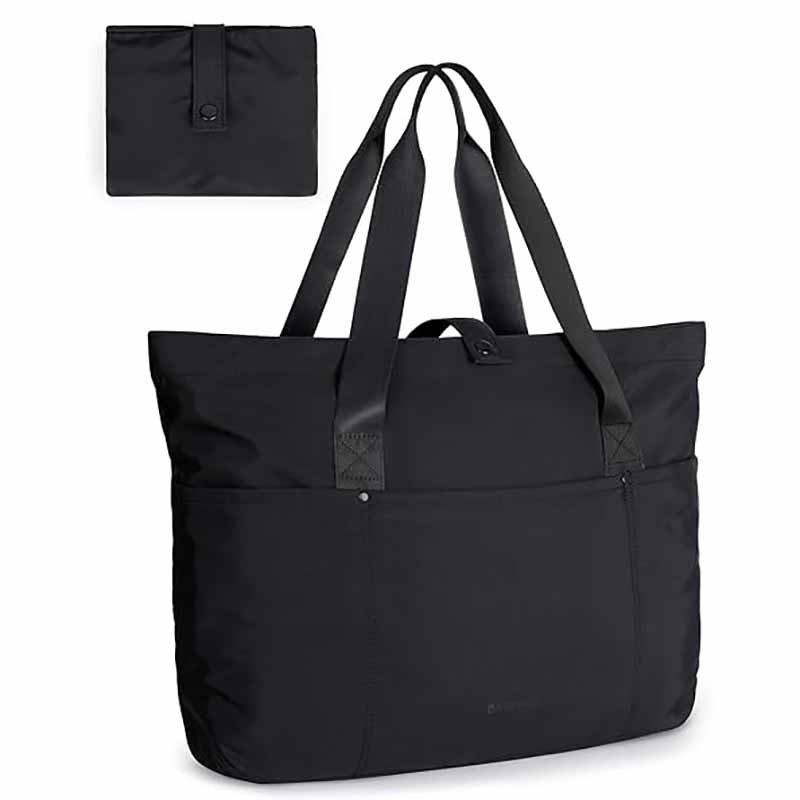
Cotton tote bag manufacturing usually follows a clear process: product briefing, material confirmation, pattern development, sample making, fabric cutting, sewing, logo application, inspection, packaging, and shipment. Each stage affects quality, timing, and cost. A good factory controls every detail carefully because tote bags may look simple, but even small errors can lead to crooked seams, weak handles, poor print position, or inconsistent sizing in the final shipment.
For many customers, this is the part that matters most. They want to know what actually happens between the approved sample and the final cartons arriving at their warehouse. Understanding the production flow helps reduce delays, avoid misunderstanding, and improve communication with the factory.
A cotton tote bag may be a soft goods product, but its manufacturing process still requires discipline. The bag must be consistent in dimension, stitching, structure, print placement, and finishing quality. If the process is loose, problems usually show up in bulk production, not in one carefully made sample.
How Is Fabric Prepared?
Fabric preparation is the first important production stage after material confirmation. Before cutting begins, the factory needs to make sure the fabric is suitable for the approved bag design and logo process.
Preparation often includes these steps:
- Checking fabric width and roll consistency
- Confirming color and surface appearance
- Testing shrinkage tendency if needed
- Making sure the fabric surface is ready for printing or embroidery
- Relaxing fabric rolls before cutting when necessary
This stage matters because cotton is a natural fiber. It can behave differently depending on yarn quality, weave construction, finishing treatment, and moisture conditions. If the fabric is unstable, it may distort after cutting or create problems during sewing and printing.
For printed cotton tote bags, surface readiness is especially important. Uneven or rough fabric can affect logo sharpness. If the customer expects a clean and professional print result, the base fabric cannot be ignored.
Customers should also understand that natural cotton is not always perfectly uniform. Minor variation can happen, especially in recycled or heavily natural-looking materials. The question is not whether cotton is perfect in theory, but whether the variation stays within acceptable production standards.
At Szoneier, material preparation is treated as a control point, not a formality. It helps prevent later issues such as panel mismatch, unstable sizing, print inconsistency, or avoidable rework during production.
How Are Bags Cut and Sewn?
Cutting and sewing are the core stages that turn fabric into a functional tote bag. This is where product consistency is won or lost.
In cutting, the factory follows an approved pattern based on the confirmed size, gusset, panel shape, and handle dimensions. Accurate cutting is essential because even a small deviation can make the bag look uneven once assembled. If the front and back panels are not aligned properly, the finished bag may twist or hang badly.
The sewing process usually includes:
- Joining the side seams
- Building the bottom or gusset area
- Folding and stitching top hems
- Attaching handles
- Adding pockets, labels, closures, or inner components if required
- Cleaning loose threads and shaping the final bag
For standard flat cotton tote bags, the construction may look simple. But real production quality still depends on seam straightness, stitch density, edge finishing, and handle positioning. A bag can be technically completed and still look poor if these details are inconsistent.
The table below shows what customers usually care about most in sewing quality:
| Sewing Detail | What Customers Notice |
|---|---|
| Straight seams | Bag looks neater and more professional |
| Even top hem | Opening looks clean and balanced |
| Consistent stitch density | Better durability and cleaner finish |
| Symmetrical handles | More comfortable carrying and better appearance |
| Clean thread trimming | Better presentation and retail readiness |
Factories with strong sewing management can keep the bulk order close to the approved sample. Factories with weak control may produce bags that vary in shape, size, or handle position across cartons. That is one of the most common causes of customer complaints in simple textile bags.
How Are Handles Reinforced?
Handles are the highest-stress area of almost any tote bag. If the handle construction is weak, the bag may fail even when the body fabric is acceptable. This is why handle reinforcement deserves more attention than many customers initially give it.
In daily use, cotton tote bag handles experience repeated lifting, shifting weight, and constant friction. A bag used for books, groceries, skincare products, or trade show materials puts significant stress on the handle attachment point. This is often the first place where low-quality bags break.
Common handle reinforcement methods include:
- Box stitch
- Cross stitch
- Box with cross reinforcement
- Extended handle stitching into the body panel
- Extra internal support layer at the handle area
Each method has a different balance of appearance, labor time, and strength. For light promotional bags, simple reinforcement may be enough. For heavier retail or reusable bags, stronger reinforcement is a better long-term choice.
A practical strength comparison looks like this:
| Handle Construction | Suitable Load Range | Typical Use |
|---|---|---|
| Basic attachment | 3–5 kg | Light handouts |
| Box stitch | 5–8 kg | Standard promotional tote |
| Cross stitch | 8–12 kg | Regular daily-use tote |
| Reinforced extended handle | 10–15 kg or more | Retail and heavier-use bag |
Handle width and length also matter. Narrow handles may cut into the hand more easily under weight. Wider handles often feel better for daily carrying. Long shoulder handles improve comfort, but they also increase material usage and can affect balance if the bag body is too small.
For many custom projects, better handle reinforcement is one of the smartest places to invest. It raises actual usability, reduces complaint risk, and improves the feeling of quality immediately when the customer lifts the bag.
How Are Logos Added?
Logo application is often the most visually sensitive part of cotton tote bag manufacturing. Even if the sewing is strong and the fabric is correct, poor logo execution can make the entire product feel low quality.
The main logo methods for cotton tote bags include:
- Screen printing
- Heat transfer printing
- Digital printing
- Embroidery
- Woven labels
- Patch application
Each method serves a different commercial purpose.
Screen printing is widely used because it is cost-effective, dependable, and well suited to larger orders. It works especially well for simple artwork, bold logos, and clear messaging. It remains one of the best choices for many cotton tote bag projects.
Heat transfer can support more complex graphics or special visual effects, but the result depends heavily on process quality and artwork type.
Digital printing is useful for lower quantities or more detailed multicolor artwork, though cost and color expectations should be reviewed carefully.
Embroidery gives a more premium feel and works well for lifestyle brands, fashion projects, and stronger perceived value.
Woven labels or patches can help create a more refined, product-like appearance, especially when the tote bag is sold rather than given away.
The table below shows a practical comparison:
| Logo Method | Visual Effect | Order Size Suitability | Durability | Cost Level |
|---|---|---|---|---|
| Screen printing | Clean and bold | Medium to large | Good | Low to medium |
| Heat transfer | Flexible artwork style | Small to medium | Medium to good | Medium |
| Digital printing | Detailed and colorful | Small to medium | Medium | Medium |
| Embroidery | Premium and textured | Medium | Very good | Medium to high |
| Woven label | Refined branded detail | Medium to large | Very good | Medium |
Customers should also think beyond the logo method itself. Print size, logo position, color contrast, and fabric texture all affect the final look. A logo that works beautifully on a smooth digital mockup may not look as sharp on textured cotton canvas unless the artwork is adjusted correctly.
At Szoneier, logo application is discussed early because it affects both production planning and quality expectations. A successful tote bag logo should not only look attractive in product photos. It should also stay clear, stable, and visually balanced across the full production run.
How Is Quality Checked?
Quality control is one of the clearest differences between an experienced bag factory and a workshop that simply finishes the order and ships it out. In cotton tote bag manufacturing, good inspection protects both the product and the customer’s brand image.
The most common quality points checked in production include:
- Fabric defects
- Size tolerance
- Seam quality
- Stitch consistency
- Handle alignment
- Logo position and clarity
- Thread trimming
- Packaging accuracy
- Carton quantity and labeling
Customers often think of defects as dramatic problems, but in textile bags, many complaints come from repeated small issues rather than one major error. A slightly crooked logo, a handle length mismatch, a weak seam in part of the order, or inconsistent bag width across cartons can all damage the overall impression.
Below is a practical inspection checklist:
| Inspection Area | Why It Matters |
|---|---|
| Fabric surface | Prevents stains, holes, weaving issues, and color inconsistency |
| Bag size | Helps keep the product consistent for retail and packing use |
| Handle strength | Reduces breakage risk in real-world carrying |
| Logo quality | Protects visual consistency and brand reputation |
| Stitching and seams | Supports durability and cleaner appearance |
| Packaging | Affects warehouse handling and customer presentation |
For custom orders, customers should also define what level of tolerance is acceptable. Soft textile products will always have some minor variance, but those variances should stay controlled. Professional factories document standards clearly and inspect against approved references.
Szoneier places strong importance on production quality because tote bags are often reordered products. If the first shipment performs well, customers usually return. If the first shipment shows inconsistent quality, repeat business becomes much harder.
That is why manufacturing discipline matters so much. A cotton tote bag may be simple in concept, but from a business standpoint, it is still a product that must meet visual, functional, and commercial expectations at scale.
Why Choose Cotton Tote Bag Manufacturing for Branding?
Cotton tote bags have become one of the most effective and long-lasting branding tools because they combine daily utility with repeated brand exposure. Unlike disposable packaging, a well-made cotton tote bag can be reused for months or even years. Every time it is carried in public, it becomes a moving advertisement. This makes it one of the lowest cost-per-impression products available for both retail brands and promotional campaigns.
For companies, the real value of cotton tote bags is not just the product itself. It is the combination of usability, visibility, and perceived brand responsibility. When customers choose to reuse a bag, they are also choosing to carry your brand with them. That is a level of engagement that traditional packaging rarely achieves.
Are Cotton Tote Bags Eco-Friendly?
Cotton tote bags are generally considered more environmentally friendly than single-use plastic bags because they are reusable, biodegradable, and made from natural fibers. However, the environmental value depends heavily on how many times the bag is reused and how it is produced.
A cotton tote bag typically needs to be reused multiple times to offset the environmental impact of its production. In real usage, many consumers use their tote bags for grocery shopping, daily carrying, or storage, which helps extend the product life.
Key environmental points customers often consider:
- Reusability reduces dependence on single-use packaging
- Cotton is biodegradable under proper conditions
- Organic and recycled cotton support stronger sustainability positioning
- Durable bags reduce replacement frequency
However, it is important to be realistic. If a tote bag is too thin or poorly made and breaks quickly, it loses its environmental advantage. Durability is directly linked to sustainability.
For brands targeting eco-conscious markets, material transparency and honest communication are more important than simply labeling a product as “eco-friendly.”
How Durable Are Cotton Tote Bags?
Durability depends mainly on three factors: fabric weight, stitching quality, and handle construction.
A lightweight cotton bag may only last a few weeks under regular use, while a well-constructed canvas tote can last over a year with repeated use. This difference has a direct impact on customer satisfaction and brand perception.
Typical durability expectations:
| Bag Type | Estimated Use Cycles | Common Use Scenario |
|---|---|---|
| 120–140 GSM | 10–30 uses | Events, giveaways |
| 150–180 GSM | 30–80 uses | Light shopping, daily errands |
| 180–220 GSM | 80–150 uses | Retail tote, bookstore, lifestyle use |
| 220–300 GSM | 150+ uses | Heavy-duty, long-term use |
Durability is not only about lifespan. It also affects how the bag looks over time. Higher-quality bags maintain shape better, resist tearing, and keep the logo intact longer.
From a branding perspective, a durable tote bag increases the number of times your brand is seen in public, which improves overall marketing value.
Do Cotton Tote Bags Boost Branding?
Yes, and in many cases more effectively than traditional promotional items.
A cotton tote bag works as both packaging and marketing. Unlike flyers or disposable packaging, it stays with the user and continues to represent your brand in everyday situations such as shopping, commuting, or travel.
Brand exposure advantages:
- High visibility in public spaces
- Large printable surface for logos and messaging
- Repeated exposure over time
- Association with practicality and sustainability
A simple comparison shows why tote bags are effective:
| Marketing Tool | Average Lifespan | Visibility Frequency |
|---|---|---|
| Flyer | Minutes | Very low |
| Paper bag | 1–2 uses | Low |
| Cotton tote bag | Months to years | High |
For retail brands, tote bags can also become part of the product experience. A well-designed tote can increase perceived value and encourage repeat purchases.
Which Businesses Use Them Most?
Cotton tote bags are used across many industries, but some sectors rely on them more heavily due to their practicality and branding value.
Common industries include:
- Fashion and apparel brands
- Cosmetic and skincare companies
- Bookstores and publishers
- Supermarkets and organic food retailers
- Corporate gifting and events
- Trade shows and exhibitions
- Subscription box businesses
Each industry uses tote bags differently. For example:
| Industry | Main Purpose | Key Requirement |
|---|---|---|
| Fashion retail | Brand extension | Premium look and feel |
| Supermarket | Reusable shopping | Durability and cost control |
| Events | Promotion | Low cost, fast production |
| Cosmetics | Gift packaging | Clean printing and soft feel |
Understanding how your industry uses tote bags helps determine the right specifications and manufacturing approach.
How to Choose a Cotton Tote Bag Manufacturing Partner?
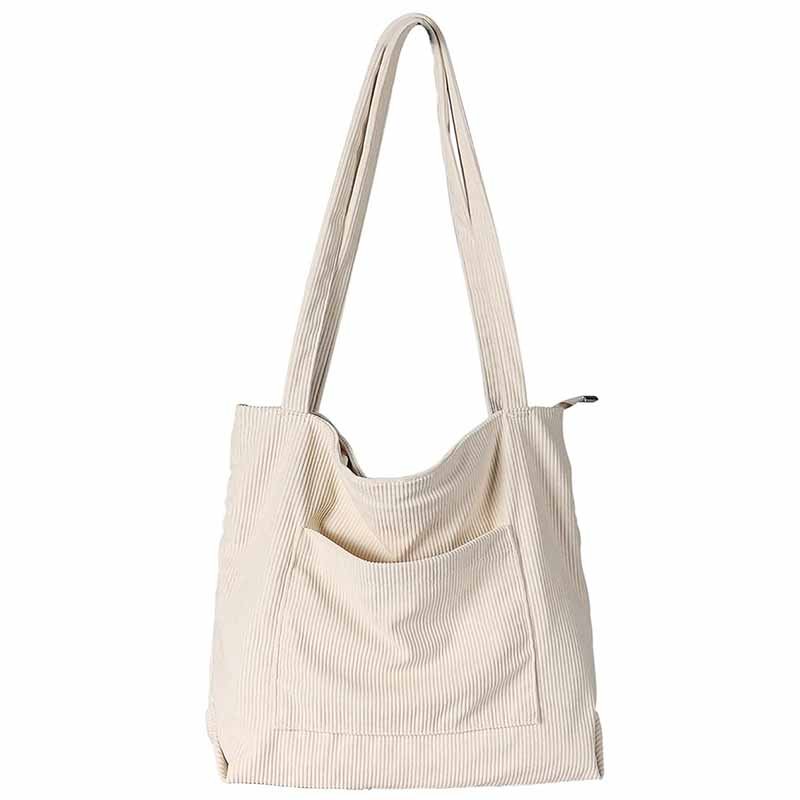
Choosing the right manufacturing partner is one of the most important decisions in any custom tote bag project. The difference between a reliable factory and an inconsistent one often determines whether your product launches smoothly or runs into delays, quality issues, or unexpected costs.
A good factory does more than produce bags. It helps you refine specifications, avoid mistakes, control costs, and maintain consistent quality across orders.
What Certifications Matter?
Certifications help demonstrate that a factory follows recognized standards in production, labor conditions, and material sourcing.
Common certifications in the cotton tote bag industry include:
- BSCI (Business Social Compliance Initiative)
- SEDEX (Supplier Ethical Data Exchange)
- GOTS (Global Organic Textile Standard) for organic cotton
- ISO quality management systems
For many customers, certifications are not only about compliance. They are also about reducing risk, especially when selling in regulated markets or working with large retailers.
However, certifications should be considered together with actual production capability. A certified factory still needs to deliver consistent quality, clear communication, and reliable lead times.
How Important Is MOQ?
MOQ (Minimum Order Quantity) directly affects flexibility, especially for startups and small brands.
Typical MOQ ranges:
| Factory Type | MOQ Range |
|---|---|
| Large-scale factory | 3000–10000 pcs |
| Mid-size manufacturer | 500–3000 pcs |
| Flexible OEM supplier | 100–500 pcs |
Low MOQ allows customers to:
- Test new designs
- Reduce inventory risk
- Launch products faster
At Szoneier, low MOQ customization is supported to help small and medium-sized buyers enter the market without large upfront commitments.
Which Custom Options Are Key?
Customization is where your tote bag becomes unique to your brand. Important customization areas include:
- Bag size and shape
- Fabric type and GSM
- Handle length and width
- Gusset or bottom structure
- Logo method and placement
- Inner pockets or closures
- Labels and packaging
Customers should prioritize functional customization first, then visual elements.
For example:
- Handle length affects usability more than decorative stitching
- Fabric weight affects durability more than packaging design
A well-balanced design improves both user experience and cost efficiency.
How Fast Should Production Be?
Production speed affects inventory planning, product launches, and seasonal campaigns.
Typical timelines:
| Stage | Time |
|---|---|
| Sampling | 3–7 days |
| Sample revision | 3–5 days |
| Bulk production | 15–35 days |
| Shipping | 5–30 days (depending on method) |
Fast sampling is especially important because it allows customers to test and adjust the product before committing to bulk production.
Short lead times also reduce the risk of missing sales windows, especially for seasonal products or event-based campaigns.
At Szoneier, quick sampling and short production cycles are designed to support faster market entry.
How Does Quality Assurance Affect Your Business?
Quality assurance is directly tied to customer satisfaction, return rates, and brand reputation.
Poor quality can lead to:
- Product returns
- Negative reviews
- Lost repeat orders
- Damage to brand image
On the other hand, consistent quality builds trust and supports long-term business growth.
Key quality practices to look for:
- Pre-production sample approval
- In-line production inspection
- Final product inspection
- Clear quality standards and tolerance control
For repeat orders, consistency is even more important than the first shipment. Customers expect the second order to match the first one in size, color, and construction.
A reliable factory like Szoneier focuses on long-term cooperation, not just one-time production. That means maintaining consistent quality standards across all orders.
What Trends Shape Cotton Tote Bag Manufacturing?
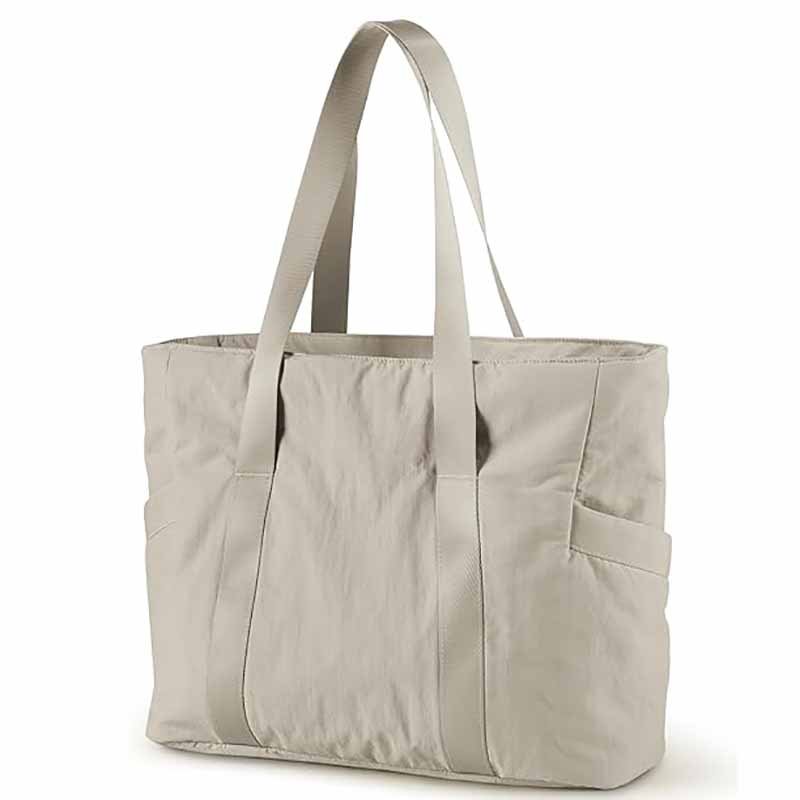
Cotton tote bag manufacturing is changing quickly because customer expectations are changing. A few years ago, many orders were driven mainly by low cost and simple logo printing. Today, more brands want a better balance of price, appearance, sustainability, durability, and customization. In other words, the tote bag is no longer just a cheap promotional item. In many markets, it has become a real product category with stronger design requirements and higher quality standards.
For importers, retailers, and private label brands, understanding these changes is important because market demand now moves in two directions at the same time. One direction is still cost-driven, especially for events, trade shows, and high-volume giveaways. The other direction is value-driven, where brands want a tote bag that feels premium enough to be sold, reused, photographed, and shared. Factories that only understand one side of the market often struggle to support both.
The biggest trend is that customers now care more about the full product experience. They do not only ask whether the bag can be made. They ask whether the bag will feel good in hand, match the brand image, hold daily-use items properly, and support a cleaner sustainability story. This change is pushing manufacturers to improve fabric sourcing, sewing consistency, print quality, and low-MOQ development support.
Another clear trend is that tote bags are becoming more segmented by market type. A basic supermarket tote, a museum gift shop tote, a beauty brand tote, and a high-end lifestyle tote may all look simple, but they are designed for very different commercial goals. The structure, material weight, finishing, and logo method often need to be adjusted based on the sales channel and expected user behavior.
The table below shows how market demand is shifting:
| Market Direction | Past Focus | Current Focus | What Customers Ask More Often Now |
|---|---|---|---|
| Promotional orders | Lowest price | Better balance of price and durability | How long will the bag last? |
| Retail packaging | Simple carry use | Better brand presentation | Will the bag feel premium? |
| Private label | Generic bag body | More custom structure and detail | Can we create our own look? |
| Eco collections | Basic cotton story | More transparent material choices | Is it organic, recycled, or traceable? |
| Small brand orders | Large MOQ pressure | More flexible development | Can we start with lower quantities? |
From a factory perspective, this means cotton tote bag manufacturing is becoming more demanding, not less. Customers want more guidance, more consistency, and more control. They expect the factory to understand not just how to sew, but how the bag will function in real-life use and how it will support their product positioning.
At Szoneier, this shift is very familiar because customers are no longer only comparing quotations. They are comparing development support, customization depth, fabric recommendations, sample speed, and quality reliability. That is exactly why factories with real bag manufacturing experience have a stronger advantage than suppliers who only trade standard styles.
Are Sustainable Materials Growing?
Yes, sustainable materials are becoming a bigger part of cotton tote bag manufacturing, and this shift is not limited to one market. It is growing across Europe, North America, Australia, and even parts of Asia where retailers and end users now look more closely at what products are made from and how they are presented.
The most common material directions include:
- Organic cotton
- Recycled cotton
- Cotton blended with recycled fibers
- Natural-look unbleached cotton
- Reduced-plastic packaging
This trend is being driven by three different groups at the same time.
The first group is retail brands that want stronger environmental positioning. They often need their packaging and accessories to support the same message as their main product line.
The second group is consumers who are more aware of waste, reusability, and material claims than before. Even when they do not fully understand textile sourcing, they often react positively to products that clearly look reusable and responsibly made.
The third group is buyers and sourcing teams who supply large retailers or premium clients and need to meet internal sourcing standards.
But sustainable material growth is not only about selecting organic cotton. Customers now ask more detailed questions, such as:
- Does the fabric have a natural look or an over-processed look?
- Can the bag be made with less packaging waste?
- Is the dyeing method more controlled?
- Can recycled or organic material be supported by documents if needed?
The table below shows how sustainable material choices usually compare in business terms:
| Material Option | Sustainability Appeal | Cost Impact | Supply Flexibility | Best Fit |
|---|---|---|---|---|
| Conventional cotton | Moderate | Low | High | Price-sensitive reusable bag projects |
| Organic cotton | Strong | Medium to high | Medium | Eco retail, premium brand programs |
| Recycled cotton | Strong | Medium | Medium | Natural-style and sustainability-focused collections |
| Unbleached cotton | Moderate to strong | Low to medium | High | Brands wanting a natural, less processed look |
It is also important to be honest here. Sustainable material demand is growing, but not every customer is ready to pay a premium for it. In many cases, a stronger and longer-lasting standard cotton tote may create more real environmental value than a “green” bag that is too thin or too cheaply made to last. So the real question is not only whether a material sounds sustainable. The real question is whether the finished bag is designed to be used again and again.
That is why material recommendation must be tied to actual use. At Szoneier, sustainable material options are most effective when combined with the right construction, realistic pricing, and product positioning that makes sense in the customer’s market.
How Is Eco Production Changing?
Eco production is changing from a simple marketing statement into a more practical manufacturing requirement. In the past, some projects only needed a cotton bag and a basic “reusable” message. Now customers pay more attention to the full production process, not just the fabric content.
Factories are seeing more requests related to:
- Lower-waste cutting layouts
- Reduced plastic in inner packaging
- More efficient printing choices
- Cleaner and more durable product design
- Less overproduction through smaller trial orders
- Better quality control to reduce reject rates
This matters because waste in bag manufacturing does not only come from raw materials. It also comes from poor planning, inaccurate sampling, unstable bulk production, and excessive packaging. A customer may ask for an eco bag, but if the order requires repeated rework, has high defect rates, or uses unnecessary packaging, the production result is not as environmentally efficient as it appears.
For many brands, eco production now means making smarter choices at several points:
1. Product design stage
Simpler structures can reduce waste and improve efficiency. A well-designed bag often uses material more effectively than an overly complicated one.
2. Material selection stage
Choosing the right GSM matters. A bag that is too light may fail too quickly. A bag that is too heavy may waste material or push cost unnecessarily high.
3. Printing stage
Logo method should match fabric and order size. A practical print choice often reduces error rate and improves usable yield.
4. Packaging stage
Many customers now prefer bulk packaging, folded packing, paper bands, or reduced polybag usage where market requirements allow.
The table below shows common eco production adjustments:
| Production Area | Traditional Approach | More Efficient Approach |
|---|---|---|
| Fabric planning | Standard layout | Optimized cutting layout to reduce waste |
| Bag structure | Overbuilt or unclear design | Balanced design based on real use |
| Logo process | Chosen mainly by habit | Chosen by artwork, volume, and durability need |
| Packaging | Full individual plastic packing | Bulk or reduced-plastic packing when suitable |
| Order planning | Large guess-based ordering | Trial order + reorder strategy |
For customers, one of the smartest eco decisions is often not a dramatic one. It is simply creating a bag that customers genuinely want to keep. If the shape is practical, the handles are comfortable, the fabric feels reliable, and the branding looks attractive, the bag is more likely to stay in use. That is where eco production becomes commercially meaningful.
At Szoneier, eco production is treated as a practical design and manufacturing discussion. The goal is not to overload the product with claims. The goal is to help customers make decisions that improve both product value and material efficiency.
What Do Global Buyers Want?
Global buyers now want more than a basic factory quotation. They want clearer communication, more flexible development, more dependable quality, and a product that fits their market instead of simply following a standard catalog style.
In cotton tote bag manufacturing, the most common expectations from global customers include:
- Clear and fast response during development
- Accurate recommendations on fabric and structure
- Low MOQ options for testing
- Quick sampling
- Stable production quality
- Short but realistic lead times
- Support for custom branding details
- Better cost control without hidden quality loss
This shift is especially visible among small and medium-sized importers, startup brands, e-commerce sellers, boutique retailers, and growing private label companies. These customers are often more sensitive to both cash flow and product reputation. They cannot afford to overbuy weak stock, and they also cannot afford quality failure.
What they usually want is not the absolute cheapest factory. They want the most dependable factory within a workable cost range.
The table below summarizes what many international customers care about most:
| Customer Priority | Why It Matters |
|---|---|
| Low MOQ | Reduces inventory risk and helps test new markets |
| Fast sample turnaround | Helps speed up product launch decisions |
| Material guidance | Prevents wrong fabric choice and poor market fit |
| Reliable quality | Protects reviews, reorder potential, and brand trust |
| Flexible customization | Helps the product stand out in crowded markets |
| Stable lead time | Supports better inventory and campaign planning |
Another major change is that global buyers now compare suppliers in more practical ways. They do not only compare unit price. They also compare how well the supplier understands their market, how transparent the communication is, how quickly revisions are made, and how much risk the supplier helps remove from the project.
For example, a factory that saves a customer 5% on unit price but causes a delayed launch or a 7% defect rate may be much more expensive in the end than a factory with slightly higher pricing and much more stable execution.
At Szoneier, many customers stay for repeat orders because the discussion goes beyond the initial quote. The focus is on helping customers build a tote bag that works commercially, not just technically. That includes fabric recommendations, structure suggestions, logo advice, and realistic timelines based on the actual project.
Is Recycled Cotton the Future?
Recycled cotton is becoming a more important part of the future, but it is best seen as one strong direction rather than the only direction. It is growing because it helps brands tell a more responsible material story, and because more consumers now respond positively to products that reduce virgin resource use.
That said, recycled cotton is not a perfect replacement for every cotton tote bag project. Its commercial success depends on several factors:
- Fabric consistency
- Color stability
- Surface texture
- Price point
- End-market expectations
- Branding message
For some brands, recycled cotton is an excellent fit because a slightly natural or irregular texture supports the brand image. For other brands, especially those wanting very crisp printing or a highly uniform retail finish, conventional canvas or organic cotton may still be easier to control.
A balanced comparison looks like this:
| Material Direction | Strength | Limitation |
|---|---|---|
| Conventional cotton | Stable supply and broad usability | Weaker sustainability story |
| Organic cotton | Stronger environmental positioning | Higher cost |
| Recycled cotton | Modern sustainability value and waste-reduction story | Can vary more in texture and consistency |
So is recycled cotton the future? In many segments, yes, it will continue growing. But the future of cotton tote bag manufacturing is more likely to be multi-path, not single-path. Different brands will choose different routes depending on their customers, margins, and design goals.
The smartest approach is not to assume every trend fits every project. It is to choose the material route that matches your actual market. A recycled cotton tote works best when the customer understands the visual and commercial trade-offs and when the bag’s positioning is built around that choice.
For customers working with Szoneier, recycled cotton is part of a broader development conversation. The goal is always the same: choose a material that supports the product story, meets performance expectations, and stays realistic in pricing and production.
What Mistakes Should You Avoid in Cotton Tote Bag Sourcing?
The biggest sourcing mistakes in cotton tote bag manufacturing usually happen before mass production begins. Most problems do not start in the sewing line. They start in specification gaps, unrealistic price expectations, weak sample review, or poor communication about quality standards. Because cotton tote bags seem simple, many customers move too fast and assume fewer details need to be confirmed. That assumption often leads to the exact problems they hoped to avoid.
The most common sourcing mistake is comparing quotations without comparing specifications. Two suppliers may both quote for a “custom cotton tote bag,” but the actual products behind those quotations can be very different. One may use 140 GSM plain cotton, basic handles, loose tolerance, and simple print quality. Another may use 220 GSM canvas, reinforced handles, better finishing, and stricter inspection. If the details are not aligned, price comparison becomes misleading.
Another major mistake is choosing fabric by photo instead of by real sample. Cotton fabric is highly tactile. Hand feel, thickness, drape, and structure are hard to judge accurately from images alone. A bag that looks acceptable in a digital mockup may feel too soft, too thin, or too rough in real life. That becomes a problem especially for retail and gifting projects where customer perception matters.
The following table shows common sourcing mistakes and the likely consequences:
| Sourcing Mistake | What Usually Happens |
|---|---|
| No clear GSM confirmation | Bag feels thinner or heavier than expected |
| No handle reinforcement standard | Handle failure or weaker carrying performance |
| No approved print standard | Logo color, size, or placement inconsistency |
| Chasing lowest price only | Higher defect rate, weaker durability, delayed reorders |
| Skipping sample revision | Bulk order does not match real market need |
| No packaging confirmation | Packing style causes warehouse or retail issues |
| No tolerance discussion | Size and shape inconsistency across shipment |
Customers also often underestimate the importance of use-case clarity. A tote bag designed for cosmetics, books, groceries, trade show materials, and fashion retail all at once usually ends up not being ideal for any of them. Good product development becomes easier when the main usage scenario is defined early.
A very practical sourcing habit is to ask the factory direct questions such as:
- What fabric weight do you recommend for this use?
- How much load can this handle structure support?
- Which logo method gives the cleanest result on this fabric?
- What size tolerance is normal in bulk production?
- What part of the product adds the most cost?
- Where can we save cost without affecting real use?
Factories with real experience will answer clearly and specifically. Factories without enough control often give vague answers or simply say yes to everything.
At Szoneier, avoiding sourcing mistakes starts with sharper development support. The goal is to help customers define the bag correctly before bulk production begins. That saves money, shortens revision time, and leads to a final product that performs more strongly in the market.
How Can You Compare Factory Quotes Correctly?
The right way to compare factory quotes is to compare them line by line against the same specification sheet. Without that, a low quotation is often not truly low. It may simply describe a lower-grade product.
A strong quote comparison should include:
- Fabric type
- GSM
- Bag size
- Gusset details
- Handle size and reinforcement
- Logo method and print size
- Labels and accessories
- Packaging method
- Sample cost and lead time
- Bulk production lead time
A useful comparison table looks like this:
| Item | Supplier A | Supplier B | Supplier C |
|---|---|---|---|
| Fabric | 140 GSM plain cotton | 180 GSM canvas | 200 GSM canvas |
| Handles | Basic | Cross stitch | Reinforced |
| Logo | 1-color screen print | 1-color screen print | Embroidery |
| MOQ | 1000 pcs | 500 pcs | 300 pcs |
| Lead time | 25 days | 22 days | 28 days |
| Unit price | Low | Medium | Higher |
Once the details are visible, the quotation becomes easier to understand. The cheapest quote is not automatically the best value. The best value is the one that supports your market requirements with the least avoidable risk.
Why Is Sampling So Important?
Sampling is important because it turns assumptions into something physical that can be checked, tested, carried, photographed, and improved. In cotton tote bag manufacturing, the sample is often where the real product finally becomes clear.
A proper sample review should check:
- Fabric feel and thickness
- Bag shape and proportion
- Handle comfort and position
- Logo quality and visibility
- Stitching and finishing
- Real carrying performance
Many expensive production mistakes can be caught at sample stage for a very small cost. That is why fast sampling matters, but careful sampling matters even more.
A strong sample review often leads to improvements such as:
- Increasing GSM slightly for better hand feel
- Adjusting handle drop for shoulder comfort
- Making the bag wider for product fit
- Moving the logo higher for better visual balance
- Strengthening reinforcement for heavier use
At Szoneier, quick sample development helps customers move faster, but the real value comes from using the sample to refine the product before bulk production begins.
How Can You Reduce Risk Before Bulk Production?
Risk reduction in tote bag sourcing comes from clarity, not luck. The more clearly the product is defined before bulk production, the lower the chance of disappointment later.
Customers can reduce risk by confirming:
- Material standard
- Approved size and structure
- Handle construction
- Logo artwork and color
- Packaging method
- Inspection expectations
- Delivery timeline
It also helps to approve one final pre-production reference before the full run starts, especially for larger or more customized orders.
A simple pre-production checklist is often enough:
| Checkpoint | Confirmed? |
|---|---|
| Fabric and GSM | Yes / No |
| Size and gusset | Yes / No |
| Handle length and reinforcement | Yes / No |
| Logo method and position | Yes / No |
| Label and packaging details | Yes / No |
| Quality standard and tolerance | Yes / No |
This kind of discipline is especially important for repeatable business. One good order is useful. A product that can be reordered smoothly again and again is much more valuable.
When Should You Upgrade the Bag Instead of Cutting Cost?
Customers should upgrade the bag when the improvement directly affects real use, visible quality, or the product’s commercial value. They should be more cautious about spending money on details that sound attractive but do not change the user experience in a meaningful way.
The best areas to upgrade usually include:
- Fabric weight, when the current fabric feels too weak
- Handle reinforcement, when the bag will carry regular weight
- Logo execution, when the bag supports brand positioning
- Shape and proportion, when product fit matters
- Finishing consistency, when the bag is sold at retail
The table below shows where upgrades usually make the most sense:
| Upgrade Area | Why It Often Pays Off |
|---|---|
| Higher GSM | Better feel, stronger use, better value perception |
| Stronger handles | Lower complaint risk, improved usability |
| Better print method | Cleaner branding, more premium appearance |
| Improved sizing | Better fit for product or everyday use |
| Cleaner finishing | Stronger retail readiness |
For many customers, the smartest strategy is not to build the most expensive tote bag possible. It is to build the most convincing tote bag possible within the target budget. That is where experienced manufacturing advice creates real commercial value.
How Can Szoneier Help You Build Better Cotton Tote Bags?
Szoneier helps brands, importers, wholesalers, and private label customers build cotton tote bags that are easier to launch, easier to customize, and more reliable in quality. With more than 18 years of experience in bag development, manufacturing, and export service, Szoneier supports projects across a wide range of material types, structures, and branding needs.
What many customers value most is not only production capacity, but also product guidance. A custom bag project becomes much smoother when the factory can help answer practical questions early:
- Which fabric fits your market best?
- Which GSM gives the right balance of cost and feel?
- Which handle structure is safer for daily use?
- Which logo process matches your artwork and order size?
- Which upgrades improve the bag most clearly?
That kind of support helps customers avoid costly trial and error.
Szoneier also works well for customers who need flexibility. Not every brand is placing a huge order from the beginning. Many customers start with smaller quantities, test response in the market, adjust details, and then reorder with more confidence. This is especially useful for growing brands, e-commerce sellers, boutique retailers, and custom gift programs.
The table below summarizes why many customers choose a factory partner like Szoneier:
| What Customers Need | How Szoneier Responds |
|---|---|
| Lower starting risk | Low MOQ customization |
| Faster launch | Quick sample making |
| More brand identity | Full custom logo and private label support |
| Better product fit | Material and structure recommendations |
| More stable quality | Quality-focused production control |
| Better reorder experience | Consistent manufacturing support |
In practical terms, a stronger cotton tote bag project usually comes from better early decisions. Szoneier helps customers make those decisions more clearly, whether the goal is a cost-effective promotional tote, a durable daily-use shopping bag, or a premium branded cotton carry bag.
If your business is planning a custom cotton tote bag project, now is a good time to turn your idea into a real sample. Share your target size, fabric preference, logo artwork, quantity range, and usage scenario with Szoneier, and the team can help you move from concept to production with a more reliable plan.
If you want a cotton tote bag that fits your market, reflects your brand, and performs well in real use, send Szoneier your inquiry today. A good bag starts with good specifications, but a successful bag starts with the right manufacturing partner.