
Custom Print Bags Manufacturer | Low MOQ 50 pcs | Factory Direct Production
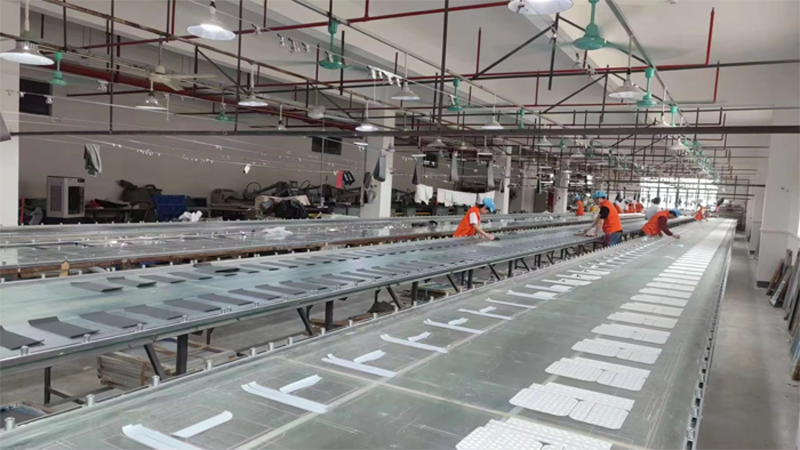
Szoneier is a Shenzhen-based custom bag manufacturer with 18+ years of experience in fabric development, printing coordination, and structured bag production. We specialize in custom printed backpacks, tote bags, travel bags, cosmetic bags, promotional bags, and private label programs with full control over materials and logo execution.
- MOQ: 50 pcs per design
- Sampling: 5–7 days (standard printing)
- Mass Production: 25–30 days
- Pantone color matching supported
- In-house fabric & webbing coordination
- 100% pre-shipment inspection
- EXW / FOB / DDP available
What Are Custom Print Bags?
Custom print bags are fabric-based bags with logos, artwork, patterns, or brand elements applied directly onto the surface using printing or stitching methods.
They are widely used for:
- Retail product lines
- Promotional events
- Brand merchandise
- Corporate gifting
- School and university programs
- E-commerce private label products
At Szoneier, printing is not treated as a separate decoration step. It is engineered based on:
- Fabric type
- Bag structure
- Expected durability
- Retail positioning
- Production scale
Printing decisions are made during development, not after production starts.
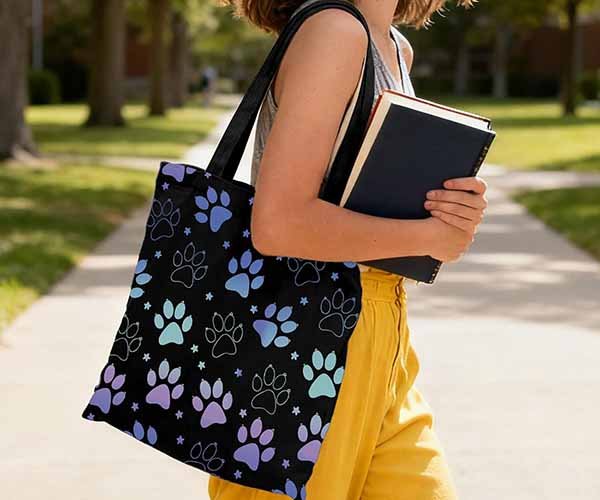
Types of Custom Print Bags We Manufacture
At Szoneier, custom print bags are not treated as a single category.
Each structure requires different fabric preparation, printing method selection, reinforcement mapping, and assembly sequencing.
With over 18 years of experience in fabric and bag manufacturing, Szoneier integrates printing coordination into the structural design phase — not as an afterthought.
Below are the main custom print bag categories we manufacture, including technical details and print compatibility.
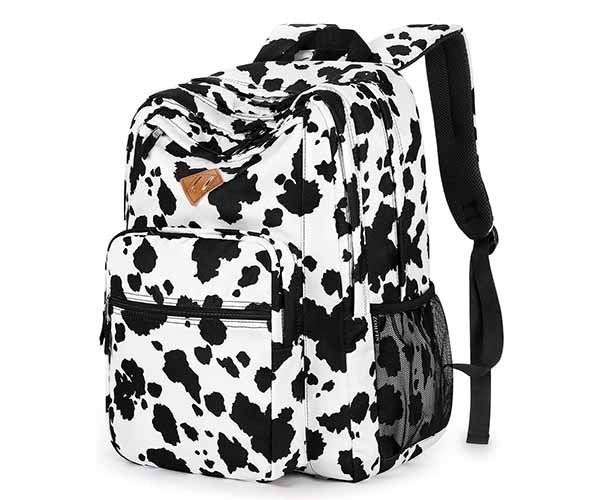
Custom Printed Backpacks
Backpacks require balanced structure + print durability due to daily friction.
Common Materials:
- 600D / 900D polyester
- 1680D nylon
- 300D lightweight polyester (school use)
Printing Options:
- Screen print (most stable for front panels)
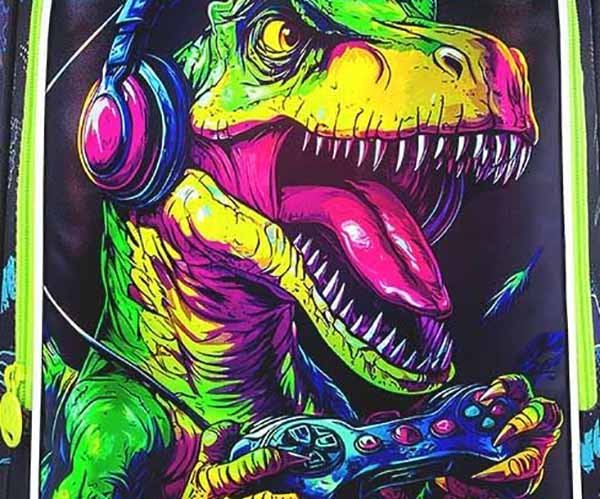
- Heat transfer (multi-color logos)
- Embroidery (for reinforced identity)
- Sublimation (full polyester designs)
Engineering Focus at Szoneier:
- Bar-tack reinforcement at strap anchors (24+ stitch reinforcement)
- Print positioning away from high-tension seam zones
- #5 / #8 zipper selection based on load
Typical MOQ: 50pcs Sampling: 5–7 days
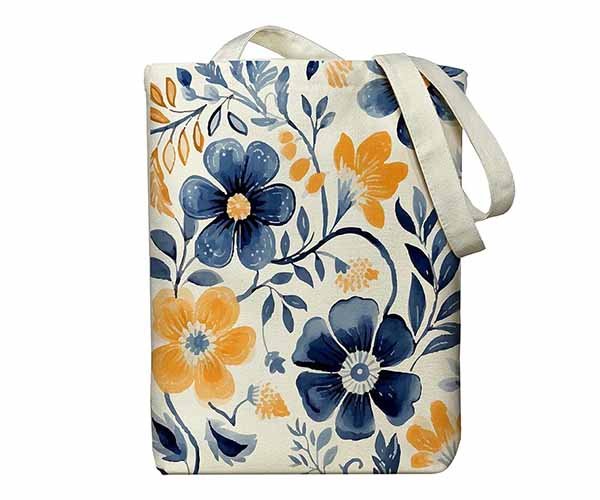
Custom Printed Tote Bags
Tote bags offer the largest printable surface area.
Material Options:
- 8oz–16oz cotton canvas
- 600D polyester
- RPET fabric
- Laminated non-woven
Print Compatibility:
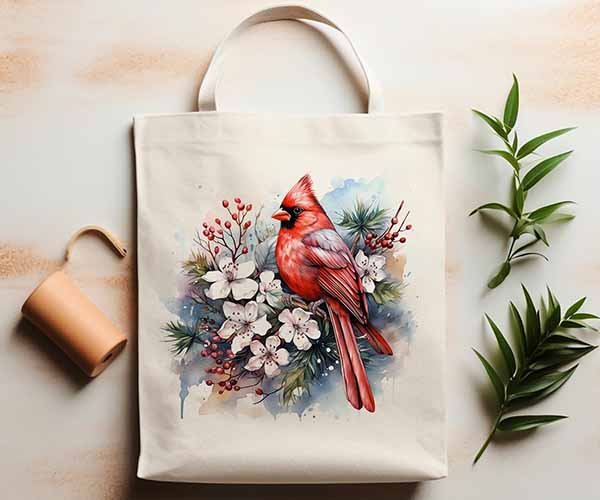
- Water-based screen print
- Plastisol screen print
- Heat transfer
- Full sublimation (polyester only)
Why Szoneier Controls Print Quality Well:
- Canvas thickness pre-tested for ink absorption
- Polyester surface smoothness checked before printing
- Handle reinforcement stitched after print curing
Common Use:
- Retail merchandise
- Promotional events
- University programs
- Corporate giveaways
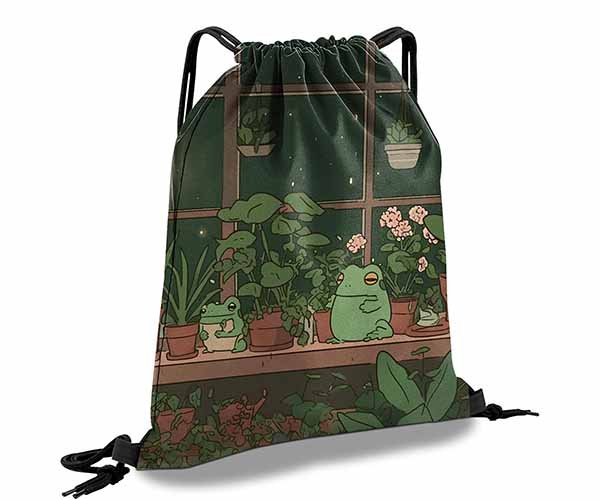
Custom Printed Drawstring Bags
Lightweight structure, high-volume printing.
Typical Fabric:
- 210D polyester
- 420D polyester
- Mesh-panel combination
Print Style:
- Large single-color logo
- Multi-color heat transfer
- Sublimation (sports designs)
Structural Notes:
- Reinforced corner patch
- Double stitching on drawstring channel
- Nylon or polyester cord selection
Szoneier manages cord thickness and color matching to reduce mismatch between print and drawstring tone.
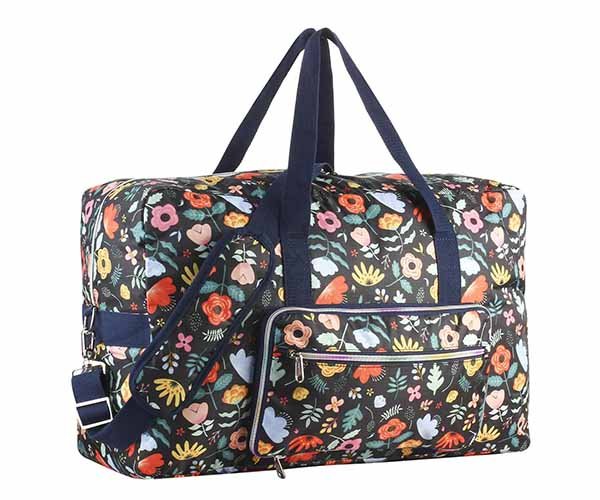
Custom Printed Duffel Bags
Duffel bags require durable printing due to travel abrasion.
Common Fabrics:
- 600D / 900D polyester
- 1680D ballistic nylon
- TPU laminated polyester (water-resistant models)
Recommended Print Methods:
- Screen print (side panel)
- Rubber patch (heavy-duty models)
- Embroidery (sports duffels)
Engineering Integration:
- Print done before cylindrical body closure
- Reinforced base panel after print curing
- #8 or #10 zipper for larger volumes
For gym and travel models, Szoneier often upgrades zipper gauge to improve long-term durability.
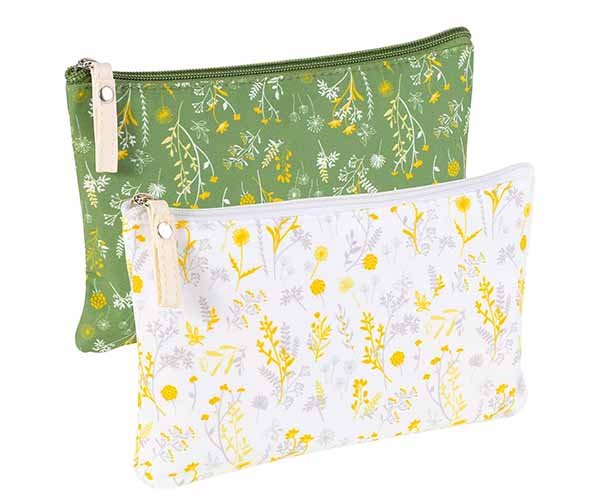
Custom Printed Cosmetic Bags
Smaller format but requires sharp logo precision.
Materials:
- PU leather
- Polyester lining
- Neoprene
- PVC transparent panels
Branding Options:
- UV print (PU surface)
- Deboss logo
- Heat transfer
- Metal logo plate
Szoneier evaluates:
- Surface oil removal before UV print
- Pressure testing for deboss depth consistency
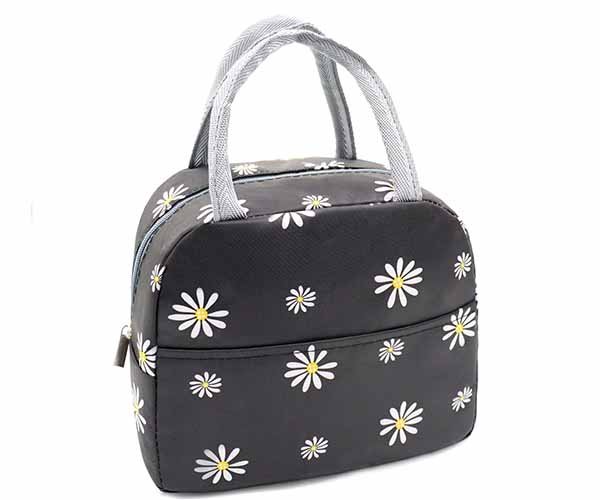
Custom Printed Lunch Bags
Insulated structure with layered composition.
Outer Fabric:
- 600D polyester
- 300D polyester
- 900D Oxford
Interior:
- 3–8mm EPE foam
- PEVA lining
Print Considerations:
- Printing applied before foam insertion
- Avoid heat distortion of insulation
- Panel flatness maintained during curing
Szoneier coordinates printing and insulation layering to prevent panel warping.
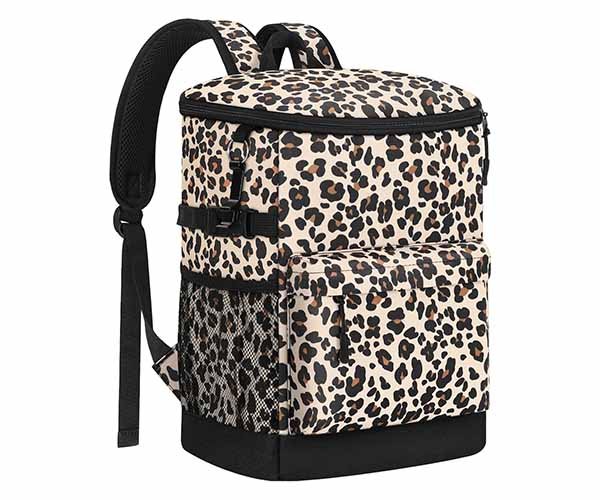
Custom Printed Cooler Bags
Larger insulated bags with reinforced base.
Print Strategy:
- Screen print on flat panel
- Rubber patch for outdoor models
- Embroidery for premium line
Structural Control:
- EVA board base support
- Reinforced side seams
- Zipper alignment post-print inspection
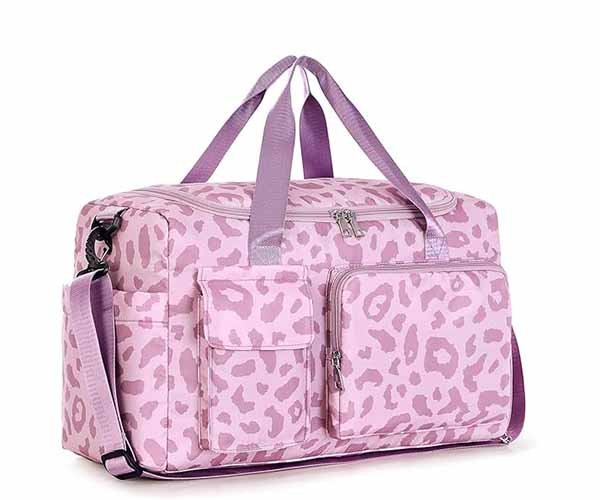
Custom Printed Gym Bags
Used frequently and exposed to friction.
Fabric:
- 900D polyester
- 1680D nylon
Print Method:
- Screen print with plastisol ink
- Embroidery for sports branding
Szoneier recommends plastisol ink for darker gym fabrics to improve opacity and abrasion resistance.
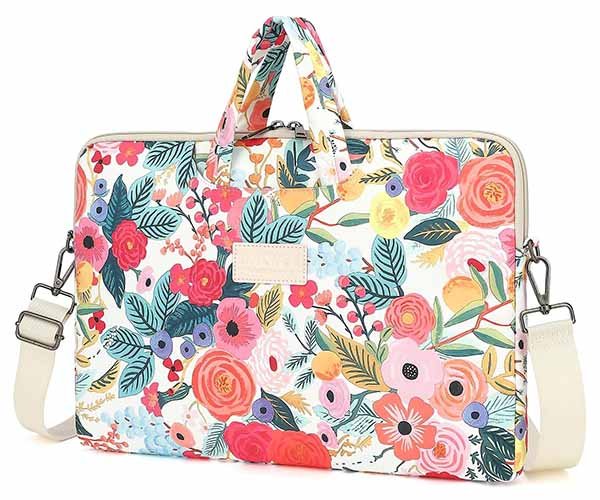
Custom Printed Laptop Bags
Professional positioning with controlled branding size.
Materials:
- 600D polyester
- PU leather
- 1680D nylon
Branding:
- Embroidery
- Deboss PU
- Small screen print logo
Excessive large-area printing is avoided to maintain professional aesthetic.
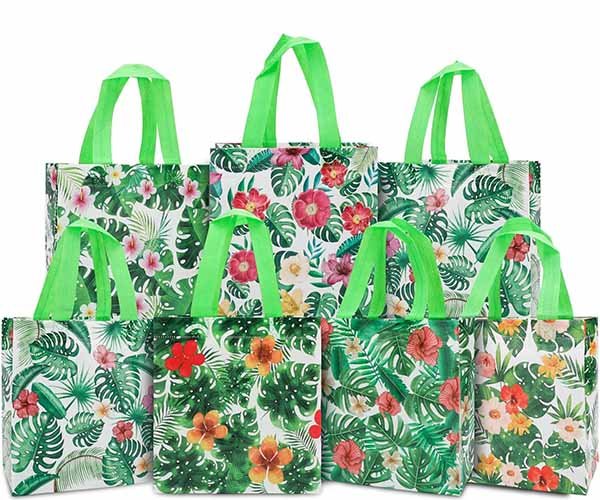
Custom Printed Non-Woven Bags
High-volume promotional category.
Material:
- 80gsm–120gsm non-woven polypropylene
Print:
- Screen print (single color)
- Large area print
Szoneier controls:
- Ink drying time
- Preventing bleed-through
- Handle stitching after print cure
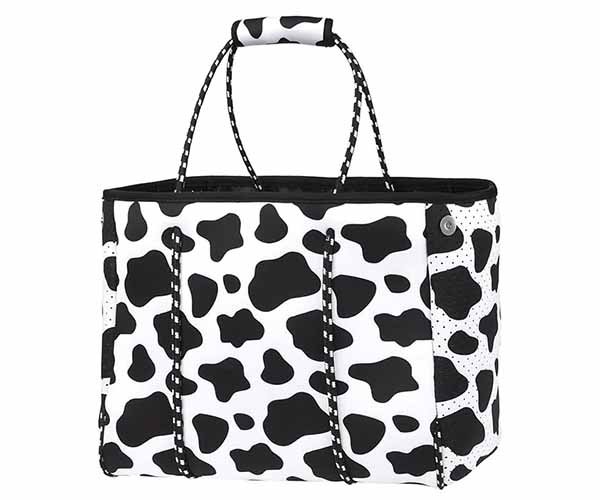
Custom Printed Neoprene Bags
Stretchable surface with different print absorption.
Options:
- Sublimation
- Heat transfer
- Rubber patch
Because neoprene stretches, Szoneier ensures:
- Print scaled to prevent distortion
- Pattern positioned on low-stress areas
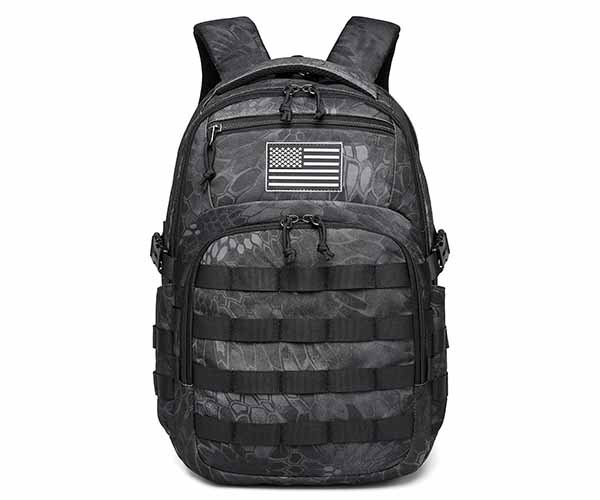
Custom Printed Tactical Bags
Heavy-duty structure.
Material:
- 900D / 1000D polyester
- 1680D nylon
Branding:
- Rubber patch (Velcro-backed)
- Embroidery
- Minimal screen print
Printing on textured tactical fabric requires adjusted ink viscosity.
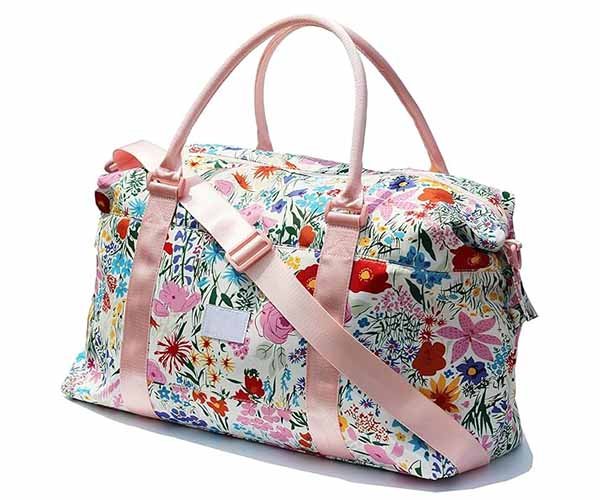
Custom Printed Travel Bags
Large surface, high exposure.
Print Placement:
- Side panel
- Front pocket
- Strap branding via jacquard weaving
Szoneier integrates jacquard webbing production when logo needs to appear on shoulder straps.
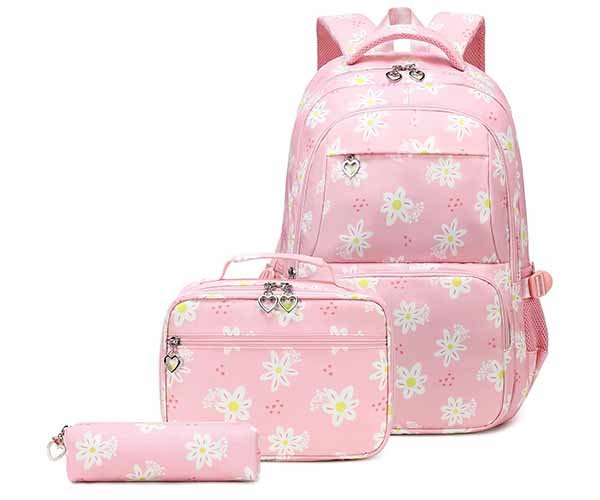
Custom Printed School Bags
Frequent washing and abrasion.
Best Print Choices:
- Screen print
- Embroidery
Heat transfer is used selectively for graphic-heavy designs.
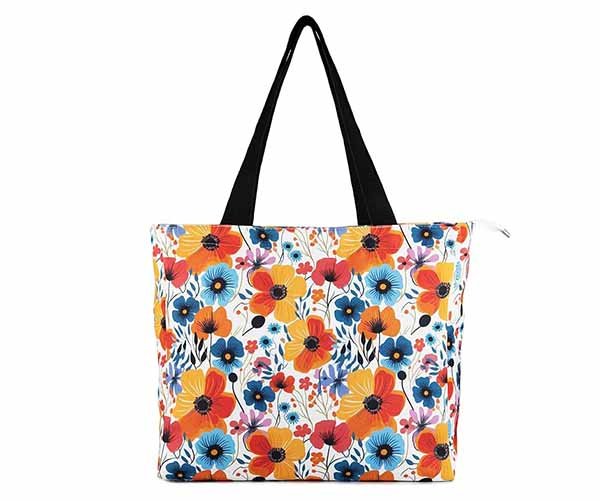
Custom Printed Shopping Bags
Retail-oriented lightweight models.
Common Materials:
- Canvas
- Polyester
- RPET
Print alignment checked before bottom seam closure.
| Bag Type | Best Print Method | Durability Level |
|---|---|---|
| Backpack | Screen / Embroidery | High |
| Tote | Screen / Sublimation | Medium–High |
| Duffel | Screen / Patch | High |
| Cosmetic | UV / Deboss | Medium–High |
| Lunch Bag | Screen / Transfer | Medium |
| Tactical | Patch / Embroidery | Very High |
| Non-Woven | Screen | Medium |
| Neoprene | Sublimation | Medium |
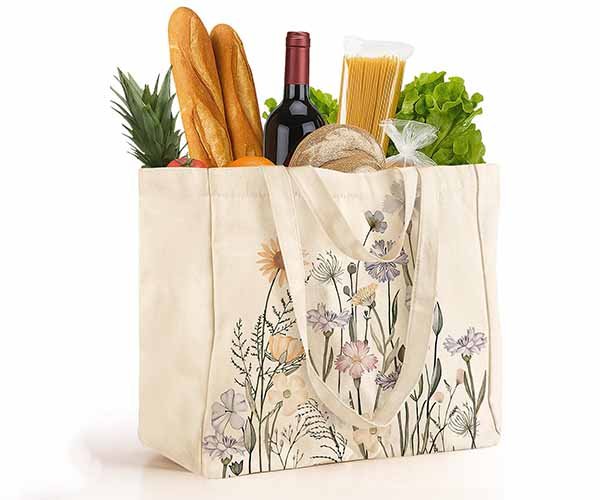
Printing Methods for Custom Print Bags — Technical Comparison
Printing is not one universal process. The correct method depends on:
- Fabric type
- Surface texture
- Color base
- Order quantity
- Logo complexity
- Durability requirement
Below are the main printing methods Szoneier coordinates for bag production.
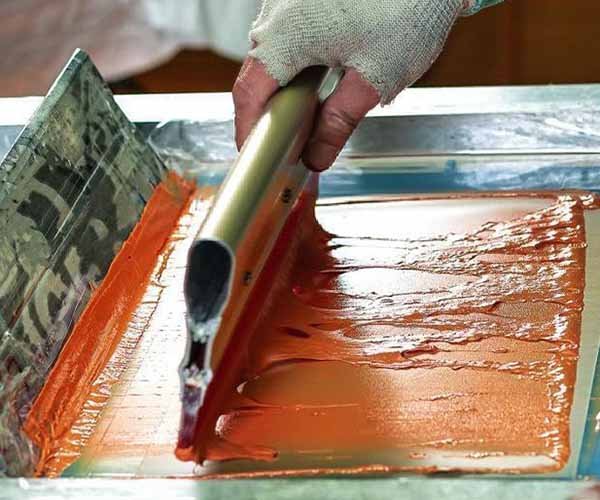
Screen Printing (Most Cost-Efficient for Fabric Bags)
Best for:
- 300D / 600D polyester
- 8–16oz canvas
- Large flat panels
- Simple to medium-complex logos
Technical Process:
- Screen plate prepared per color
- Ink manually or semi-automatically applied
- Heat curing for bonding
Suitable Order Range:
50–5,000pcs
Durability:
- Medium to high (depending on ink type)
- With proper curing, survives daily abrasion
Limitations:
- Not ideal for gradient artwork
- Each color requires separate screen plate
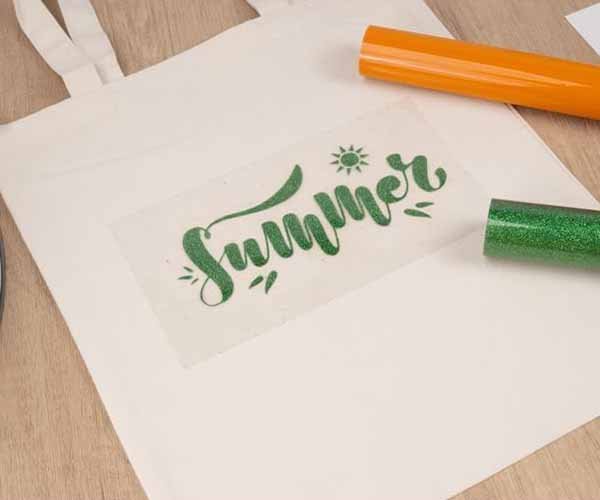
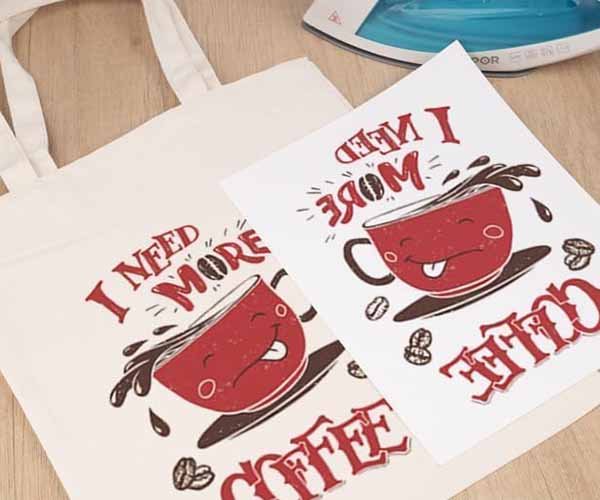
Heat Transfer Printing (Multi-Color & Gradient Friendly)
Best for:
- Polyester
- Nylon
- Smooth fabric surfaces
Process:
- Artwork printed on transfer film
- Heat pressed at 150–170°C
- Adhesive layer bonds to surface
Suitable For:
- Complex logos
- Gradient graphics
- Small to medium production
Durability Level:
- Medium
- Suitable for backpacks, laptop bags, gym bags
Heat transfer requires correct pressure and time control. At Szoneier, pressing temperature and dwell time are standardized to reduce peeling risk.
Sublimation Printing (Full-Surface & Pattern Printing)
Best for:
- White or light polyester fabric
- All-over print designs
Process:
- Dye sublimates into polyester fibers under high heat
- Ink becomes part of the fabric
Advantages:
- No surface cracking
- Extremely durable
- Full coverage patterns possible
MOQ:
Usually higher than 50pcs due to fabric setup.
Szoneier coordinates sublimation when full-surface pattern bags are required.
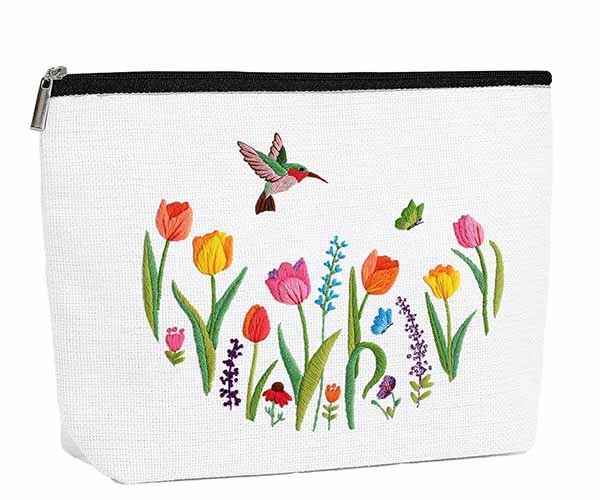
Embroidery (Premium Branding)
Best for:
- Polyester
- Canvas
- Nylon
Control Points:
- Thread density
- Stitch path
- Back reinforcement patch
Durability:
High — suitable for long-term daily use.
Often combined with printed base for layered branding.
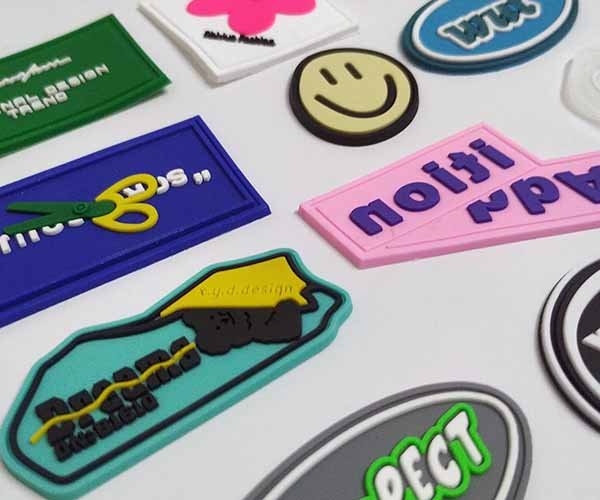
Rubber Patch & Silicone Print
Common for:
- Tactical bags
- Outdoor backpacks
- Streetwear lines
Features:
- 3D raised effect
- Sewn-on or Velcro backed
- High abrasion resistance
Provides stronger visual identity than flat print.
UV Printing (For PU & Smooth Surfaces)
Used for:
- PU leather bags
- Cosmetic bags
- Structured handbags
UV ink is cured instantly under UV light, creating sharp logo detail.
Durability depends on surface treatment and handling conditions.
| Method | Best Fabric | Complexity | Durability | MOQ |
|---|---|---|---|---|
| Screen Print | Canvas / Polyester | Low–Medium | Medium–High | 50pcs |
| Heat Transfer | Polyester / Nylon | High | Medium | 50pcs |
| Sublimation | Polyester (white) | High | Very High | 100pcs+ |
| Embroidery | Canvas / Poly | Low–Medium | Very High | 50pcs |
| Rubber Patch | Nylon / Tactical | Low | High | 100pcs |
| UV Print | PU Leather | Medium | Medium | 100pcs |

Ink Systems & Durability Standards
Printing durability is influenced by:
- Ink type
- Fabric surface
- Coating thickness
- Heat curing accuracy
Szoneier selects ink systems based on bag category and intended usage.
Water-Based Ink
Used for:
- Canvas tote bags
- Promotional fabric bags
Advantages:
- Soft hand feel
- Eco-friendlier
- Good penetration into fabric
Durability:
- Suitable for light to medium use
Plastisol Ink
Common in:
- Polyester backpacks
- Heavy-duty canvas
Advantages:
- Thicker coverage
- Higher opacity
- Better abrasion resistance
Requires correct curing temperature to avoid cracking.
PU-Based Transfer Ink
Used in heat transfer printing.
Advantages:
- Strong adhesion to polyester
- Supports multi-color gradient
Durability depends on:
- Pressing temperature
- Surface smoothness
- Washing exposure
Sublimation Dye
Integrated into polyester fibers.
Advantages:
- No cracking
- No peeling
- Long-term color retention
Only works effectively on polyester.
Abrasion Consideration
Daily-use backpacks experience:
- Friction from clothing
- Contact with floors
- Compression inside lockers
For high-abrasion categories (school backpacks, travel bags), Szoneier recommends:
- Plastisol screen print
- Embroidery
- Rubber patch
Rather than thin heat transfer on textured surfaces.
Fabric Compatibility & Print Planning Matrix
Not all fabrics behave the same during printing.
At Szoneier, printing method is matched with fabric before sampling begins.
Polyester (300D / 600D / 900D)
Best printing options:
- Screen print
- Heat transfer
- Sublimation (if white)
Surface smoothness and coating thickness affect ink bonding.
Nylon (420D / 1680D)
Recommended:
- Heat transfer
- Embroidery
- Rubber patch
Direct screen printing may require surface treatment.
Canvas (8–16oz)
Best for:
- Screen printing
- Water-based ink
- Embroidery
Canvas absorbs ink well, creating stable logo bonding.
PU Leather
Recommended:
- UV print
- Deboss logo
- Foil stamping
- Embroidery patch
Screen printing may not adhere well without surface preparation.
Neoprene
Recommended:
- Heat transfer
- Sublimation
Screen printing less common due to stretch factor.
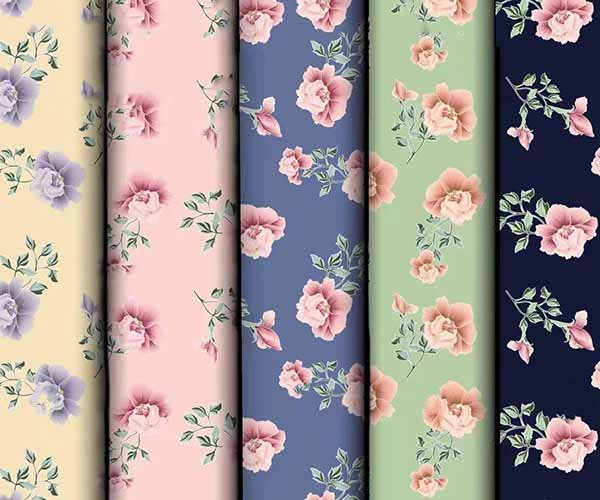
Fabric vs Printing Compatibility Table
| Fabric | Screen | Heat Transfer | Sublimation | Embroidery |
|---|---|---|---|---|
| Polyester | Yes | Yes | Yes (white) | Yes |
| Nylon | Limited | Yes | No | Yes |
| Canvas | Yes | Limited | No | Yes |
| PU | Limited | Yes | No | Limited |
| Neoprene | No | Yes | Yes | Limited |
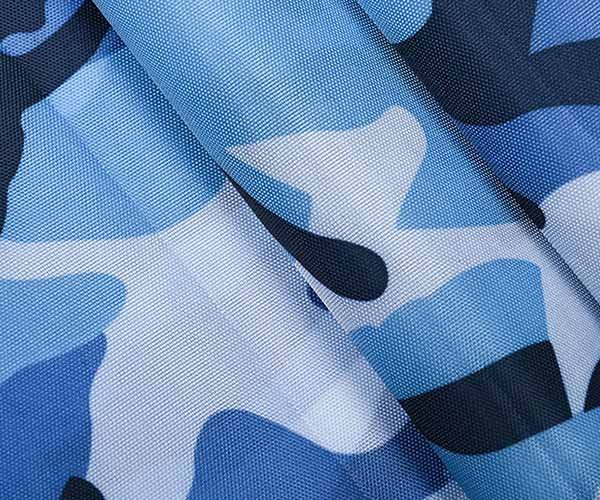
MOQ Structure for Custom Print Bags — What Is Realistic?
MOQ in printed bags is influenced by two main factors:
- Base bag structure
- Printing method complexity
At Szoneier, standard MOQ starts from 50 pieces per design for most screen print and heat transfer programs.
Standard MOQ — 50pcs
Applies to:
- 600D polyester backpacks
- Canvas tote bags
- 210D drawstring bags
- Polyester cosmetic bags
- Basic laptop bags
This works because:
- Base fabrics are regularly produced
- Standard zipper sizes (#5 / #8) are stocked
- Screen printing plates are prepared per color
- Webbing is coordinated internally
Small production does not disrupt main manufacturing lines.
When MOQ Increases
MOQ may increase to 100–300pcs if:
- Full-surface sublimation printing
- Custom-dyed exclusive fabric color
- Complex multi-layer heat transfer
- Custom rubber patch mold required
- Metal logo plate development needed
These adjustments are driven by setup cost and raw material preparation.
Mixed Color Orders
Mixed color programs are possible if:
- Fabric base colors are already in production
- Printing color plates remain the same
- No major structural change
Szoneier evaluates material availability before confirming mixed orders.
Why Unrealistically Low MOQ Creates Risk
In custom printing, extremely low MOQ (below 50pcs) often leads to:
- Unstable color matching
- Rushed curing
- Poor print bonding
- Higher unit cost
Szoneier sets MOQ at a level that ensures printing stability and structural consistency.
Sampling Workflow for Custom Print Bags
Printed bags require two approvals:
- Bag structure
- Printing result
At Szoneier, both are tested before bulk production.
Sampling Timeline — 5–7 Days (Standard)
Sampling breakdown:
| Stage | Time |
|---|---|
| Pattern preparation | 1–2 days |
| Material allocation | 1–2 days |
| Printing test | 1–2 days |
| Assembly | 2–3 days |
| QC & photo confirmation | 1 day |
Total: 5–7 days
Printing Test Before Full Assembly
For screen printing and heat transfer:
- Ink adhesion test
- Color comparison under lightbox
- Small-area abrasion test
This prevents mass production with unstable ink bonding.
Sample Approval Process
Before bulk production, Szoneier confirms:
- Print color accuracy
- Logo alignment
- Stitch alignment around printed area
- No heat deformation
- No ink bleeding
Sample photos and close-up print detail images are shared for confirmation.
Common Sampling Issues Prevented
During sample stage, Szoneier checks:
- Ink cracking on coated polyester
- Heat transfer bubbling
- Misaligned screen plate
- Uneven pressure marks
- Over-penetration on canvas
Corrections are made before bulk scheduling.
Production Timeline & Printing Coordination
Printing adds one additional layer to production planning.
Szoneier integrates printing stage within overall bag assembly timeline.
Standard Production Timeline — 25–30 Days
| Stage | Duration |
|---|---|
| Fabric preparation | 3–5 days |
| Printing preparation | 3–5 days |
| Cutting | 3–5 days |
| Assembly | 8–12 days |
| Inspection | 2–3 days |
| Packing | 2–3 days |
Printing is completed before final assembly to avoid logo distortion.
Printing Order of Operation
General workflow:
- Fabric panel printing
- Curing / pressing
- Quality check
- Panel cutting
- Assembly
Printing first prevents:
- Heat pressure damage on assembled bag
- Misalignment after stitching
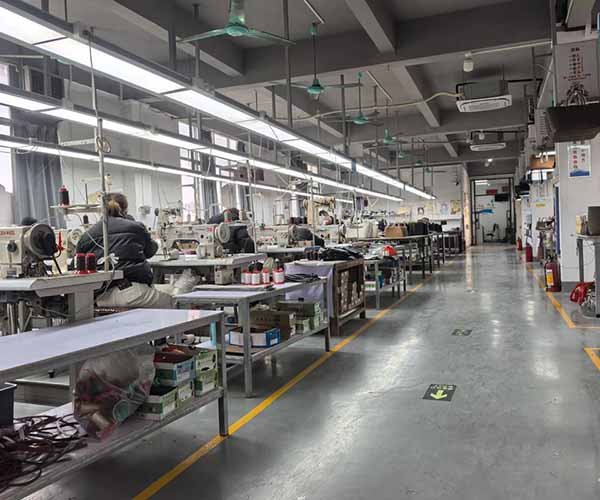
Peak Season Planning
During Q3–Q4, printing schedules are tighter.
Szoneier prepares:
- Screen plates early
- Fabric batch locking
- Webbing scheduling
- Printing slot reservation
Early artwork confirmation shortens lead time risk.
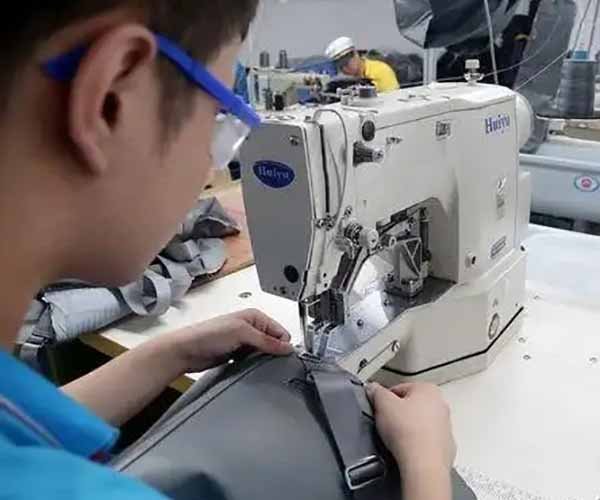
Cost Factors in Custom Print Bags
Printing cost depends on:
- Fabric type
- Ink system
- Number of colors
- Print size
- Order quantity
- Structural complexity
Printing Method Cost Comparison
| Method | Setup Cost | Unit Cost Impact |
|---|---|---|
| Screen Print | Plate per color | Low–Medium |
| Heat Transfer | Digital film prep | Medium |
| Sublimation | Fabric setup | Medium–High |
| Embroidery | Stitch density dependent | Medium |
| Rubber Patch | Mold cost | Medium–High |
Number of Colors Matters
Screen printing requires:
- Separate plate for each color
- Separate ink curing
More colors = higher setup cost.
For simple logos (1–2 colors), screen print is most cost-efficient.
Print Size Impact
Large print area:
- Requires more ink
- Increases curing time
- Increases surface preparation cost
Small chest-logo style prints are more economical.
Fabric Surface Preparation
Certain fabrics (coated polyester, textured nylon) may require:
- Surface wipe
- Pre-treatment
- Stronger adhesive
These factors affect cost slightly.
Unit Cost Optimization Strategy
For cost control, Szoneier may recommend:
- Reducing color count
- Switching from heat transfer to screen print
- Adjusting print size
- Choosing base fabric with better ink bonding
Structure decisions are aligned with target price early in development.
Quality Control for Custom Print Bags — Beyond Visual Inspection
Printed bags require two layers of quality control:
- Structural quality
- Print durability quality
At Szoneier, both are inspected before shipment.
Raw Fabric Inspection Before Printing
Before printing begins, fabric rolls are checked for:
| Inspection Item | Control Standard |
|---|---|
| GSM tolerance | ±5% |
| Surface smoothness | No coating bubbles |
| Color consistency | Pantone reference match |
| Oil/dust presence | Surface clean |
Printing on uneven or dusty surfaces leads to weak bonding and color distortion.
Printing Adhesion Check
For screen print and heat transfer, Szoneier checks:
- Ink curing completeness
- Surface adhesion strength
- Edge sharpness
- No ink overflow
A small abrasion test is conducted on sample panels before bulk assembly.
Heat Transfer Stability Control
Heat transfer quality depends on:
- Press temperature (150–170°C)
- Pressure uniformity
- Dwell time
Incorrect pressure can cause:
- Partial peeling
- Bubble formation
- Surface gloss imbalance
Szoneier standardizes pressing parameters to reduce variability.
Sublimation Color Verification
For sublimation programs:
- Color comparison under lightbox
- Full-pattern alignment check
- Seam alignment verification
Since sublimation penetrates polyester fibers, color must be confirmed before cutting.
100% Pre-Shipment Print Check
Before packing, each printed bag is inspected for:
- Print alignment
- Color consistency
- No cracking
- No lifting edges
- No surface contamination
Inspection is done before carton sealing.
Try Before You Order – Free Sample Program
We offer free custom samples for qualified clients. Whether you’re testing a new market or validating design quality, our samples help you move forward with confidence.
Abrasion & Daily Use Durability Considerations
Printed bags experience friction from:
- Clothing
- Locker storage
- Travel handling
- Floor contact
At Szoneier, printing method is matched with expected use.
Durability Recommendation by Usage
| Use Case | Recommended Print Method |
|---|---|
| School backpacks | Screen print / Embroidery |
| Travel duffels | Screen print / Rubber patch |
| Promotional totes | Screen print |
| Premium PU bags | Deboss / UV |
| Tactical gear | Rubber patch / Embroidery |
Heat transfer is not recommended for highly textured tactical nylon surfaces.
Reinforcement Around Print Area
Common issue: Printed area becomes weak due to heat exposure.
Szoneier avoids:
- Stitching directly over heat transfer edges
- Excessive pressure on coated polyester
- Printing on highly curved panels
Printing is done before structural closure to avoid deformation.
Production Capacity for Custom Print Programs
Printing requires coordination between printing stage and sewing stage.
Standard Capacity Overview
| Capability | Szoneier Standard |
|---|---|
| MOQ | 50pcs |
| Sampling | 5–7 days |
| Production | 25–30 days |
| Inspection | 100% before shipment |
| Peak Season Planning | Fabric + print slot coordination |
Production Allocation by Volume
| Quantity | Strategy |
|---|---|
| 50–500pcs | Flexible shared line |
| 500–3,000pcs | Dedicated print schedule |
| 5,000+ pcs | Parallel line scheduling |
Screen plates and heat transfer film are prepared in advance to reduce delay.
Peak Season Control
During Q3–Q4:
- Screen plates prepared early
- Fabric dye batch locked
- Printing slots reserved
- Webbing production scheduled
This prevents bottlenecks during high demand season.
Ready To Elevate Your business Line?
Begin your journey with Szoneier bag now. We can assist in wholesaling or customizing Luggage and bags at the most competitive prices to enhance your brand.
Case Studies — Real Custom Print Bag Programs Executed by Szoneier
Below are three representative printed bag programs handled by Szoneier in recent years.
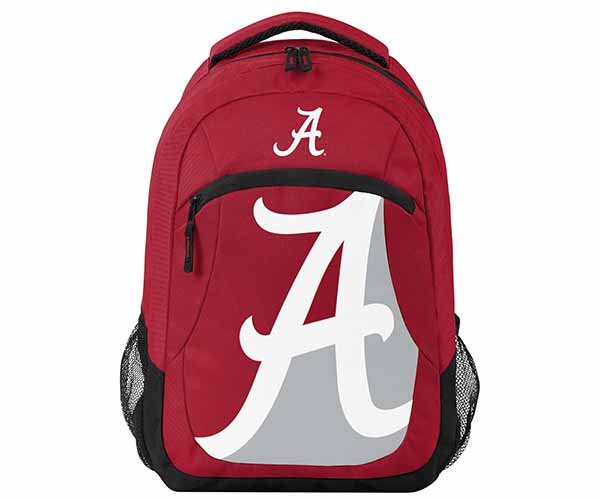
University Printed Backpack Program (USA)
Product Type: 600D polyester school backpack
Quantity: 2,500pcs
Print Method: 2-color screen print Timeline: 7.5 weeks total
Requirements:
- Large front logo
- Pantone-specific school color
- Durable print for daily student use
- Reinforced shoulder straps
Engineering Decisions:
- 600D polyester (PU 1500mm coating)
- Plastisol screen ink for higher opacity
- 24-stitch bar-tack at strap anchors
- #8 SBS zipper upgrade
Production Breakdown:
| Stage | Duration |
|---|---|
| Sampling | 6 days |
| Artwork confirmation | 3 days |
| Production | 28 days |
| Sea freight | 30 days |
Print Durability Control:
- Adhesion test before bulk printing
- Abrasion test on sample panel
- Full curing confirmation
Result: Reorder confirmed for next semester with color variation.
Promotional Canvas Tote Campaign (Europe)
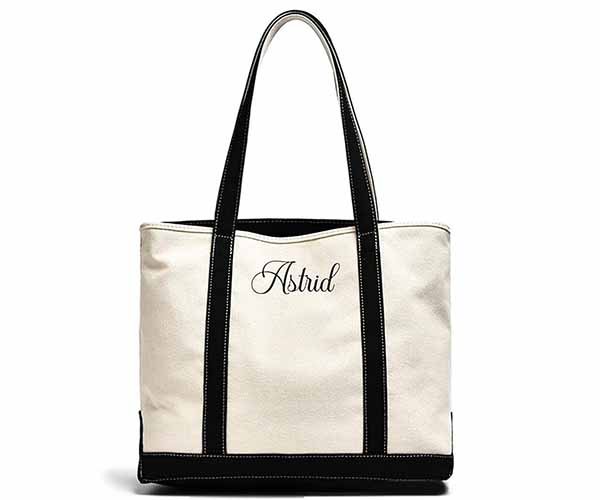
Product Type: 12oz cotton canvas tote
Quantity: 5,000pcs
Print Method: 1-color water-based screen print
Key Considerations:
- Eco-friendly positioning
- Soft-hand feel required
- Large print area (28cm width)
Production Controls:
- Ink absorption test on canvas
- Print penetration check
- No ink bleeding through inner layer
- Reinforced 25mm cotton handles
Outcome:
Delivered under 30 days production timeline. Repeat order placed within 3 months.
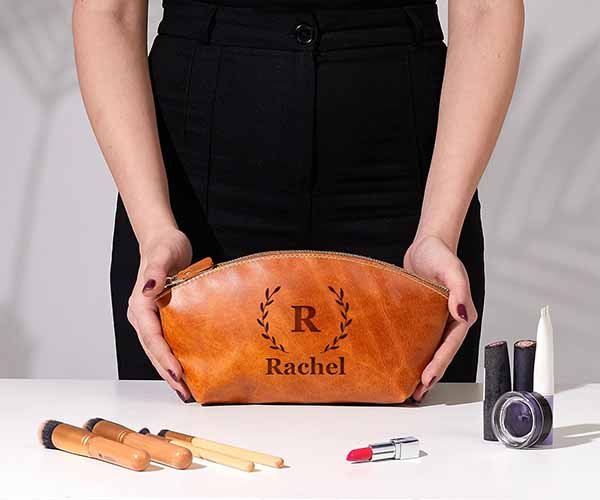
Premium PU Cosmetic Bag (Australia)
Product Type: PU leather cosmetic pouch
Quantity: 1,200pcs
Print Method: UV logo + deboss branding
Challenges:
- Smooth PU surface
- Logo must remain sharp
- No peeling under travel friction
Solutions:
- UV ink curing test
- Surface cleaning before print
- Pressure test for logo durability
- Separate QC check for each logo plate
Result:
Expanded into full cosmetic accessory series.
Why Brands Choose Szoneier for Custom Print Bags
Printing quality alone does not guarantee product success.
It must be supported by structural discipline and material control.
Integrated Fabric & Printing Coordination
Because Szoneier coordinates fabric production:
- Surface smoothness is controlled
- Coating thickness is stable
- Color base matched with print tone
This reduces unpredictable bonding issues.
Reinforcement Planning Around Print Areas
Print location is reviewed during development to avoid:
- Stitch overlap
- Heat distortion
- Panel tension stress
This protects long-term durability.
Low MOQ with Stable Process
50pcs MOQ is realistic because:
- Base materials stocked
- Screen plates prepared efficiently
- Webbing produced internally
Small programs do not compromise process stability.
Structured Production Workflow
Printing integrated into:
- Fabric preparation
- Panel cutting
- Assembly scheduling
- Final inspection
No split responsibility between separate factories.
100% Pre-Shipment Inspection
Each printed bag checked for:
- Logo clarity
- Alignment
- No cracking
- No peeling
- Clean surface
Inspection completed before packing.
Frequently Asked Questions — Custom Print Bags
What is the minimum order quantity (MOQ) for custom print bags?
At Szoneier, the standard MOQ is 50 pieces per design for most types of printed bags such as polyester backpacks, canvas tote bags, and cosmetic pouches. This MOQ is achievable because we control fabric production, webbing weaving, and material sourcing internally, which enables us to provide cost-effective solutions even for smaller batches. For more complex bags that require custom dyes, molds, or specialized materials, the MOQ may increase to 100-300 pieces, depending on the specific requirements of the design.
How long does sampling take for custom print bags?
Sampling for custom print bags typically takes 5–7 days for standard designs. This includes:
- Pattern preparation
- Material allocation
- Printing test
- Assembly
If your design requires new mold development, custom jacquard webbing, or specialized prints like sublimation, the sampling time may extend to 7–15 days. At Szoneier, we provide digital mock-ups and sample photos before production to ensure alignment with your vision.
Can you print on different types of fabrics?
Yes, we can print on a variety of fabrics including polyester, nylon, canvas, PU leather, and neoprene. Each fabric requires a different approach to printing:
- Polyester is ideal for sublimation and screen printing, especially for vibrant, full-surface designs.
- Canvas is perfect for screen printing and embroidery, offering a durable, eco-friendly option.
- Nylon is commonly used for heat transfer printing and embroidery, especially for tactical bags or bags requiring stronger abrasion resistance.
- PU leather requires debossing, embossing, or UV printing to maintain the texture while providing high-end branding.
Szoneier’s deep knowledge of fabric behavior allows us to choose the right printing technique for each type, ensuring that the print adheres properly and lasts.
Can you match Pantone colors for prints?
Yes, Szoneier ensures Pantone color matching for all print designs. We have an internal color reference system, and we compare all prints using a lightbox to check for color consistency between the Pantone swatch and the printed sample. This process is crucial when working with brands that require precise color reproduction, such as corporate branding or promotional campaigns. We retain color samples for future reorders to guarantee color consistency across all batches.
What are the most durable print methods for custom bags?
The durability of printed logos depends on the print method and fabric:
- Screen printing is the most durable method for polyester, canvas, and nylon bags, especially when using plastisol inks, which have excellent abrasion resistance.
- Embroidery offers extremely high durability, making it perfect for high-end bags or logos exposed to heavy wear.
- Rubber patches are a great choice for tactical and outdoor bags. They are extremely durable and add a premium look to the product.
- Sublimation offers the best print longevity on polyester, as the ink becomes part of the fabric itself. It’s ideal for full-surface printing but can only be used with light-colored polyester materials.
Szoneier tests all prints before bulk production to ensure they will withstand daily use and retain their visual integrity.
How do you ensure high-quality prints on different fabrics?
At Szoneier, we carefully choose the printing technique based on the fabric used. The fabric is checked for compatibility with the chosen print method:
- For smooth fabrics like polyester, sublimation is ideal for vibrant, full-color prints.
- For heavier fabrics like canvas and nylon, we rely on screen printing and embroidery for durability.
- For PU leather, we use debossing or UV printing to maintain the premium feel and ensure a high-quality finish.
We also perform extensive pre-production tests on sample panels to ensure print adhesion, color accuracy, and durability before proceeding with the bulk order. This helps avoid issues like fading, cracking, or peeling after use.
Can you handle multi-color logos and designs?
Yes, we can print multi-color logos on custom print bags. Szoneier uses screen printing, heat transfer, and sublimation for multi-color designs:
- Screen printing allows for multiple colors, but each color requires a separate screen and plate, which can increase setup time and cost for very complex designs.
- Heat transfer printing supports multi-color gradients and detailed designs, especially for logos with fine details or photo-like quality.
- Sublimation supports full-color printing across the entire surface of the bag, but only on light-colored polyester fabrics.
The complexity of your design will determine the final cost and timeline, but our team will always work to optimize for your project’s budget and timeline without sacrificing quality.
Do you offer eco-friendly printing options?
Yes. At Szoneier, we are committed to sustainability. We offer eco-friendly printing options using water-based inks for canvas and cotton tote bags, and solvent-free heat transfer for lightweight bags. For those looking for even more sustainable options, we can also print on recycled polyester fabrics (RPET), which are made from recycled plastic bottles.
We help brands align their products with eco-friendly initiatives, ensuring that print methods and materials match their sustainability goals.
Can you support international shipping and delivery to platforms like Amazon FBA?
Yes, Szoneier regularly handles international shipping to various destinations, including the United States, Europe, and Australia. We are experienced with Amazon FBA shipping and can meet their carton labeling, packaging, and barcoding requirements. Our team ensures that all items are packed according to FBA standards, with the correct FNSKU labels applied and cartons properly dimensioned for efficient storage.
We also provide DDP (Delivered Duty Paid) shipping options, which means that all taxes, duties, and import fees are included in the shipping cost. This is especially useful for e-commerce sellers who want to streamline their import/export process.
How do I know if my design will look good on the bags?
Szoneier provides digital mockups and sample photos for design approval before production. Once your design is finalized and you choose the printing method, we will create a digital mock-up of how the logo or artwork will appear on the bag. We then send you these mock-ups for approval.
Before proceeding to full production, we also offer physical sample bags so you can review the quality of the print, fabric, and structure. This ensures you are 100% satisfied with the final product before we proceed with bulk production.
Can you help with product development from scratch?
Absolutely. Szoneier works with brands to co-develop custom print bags from the concept phase to the final product. Whether you have an idea, a reference product, or a detailed design, our R&D team can help turn your vision into a manufacturable product.
We evaluate:
- Material suitability
- Structural design
- Reinforcement needs
- Print compatibility
With full internal control over fabric, webbing, and production lines, Szoneier ensures that your product is manufacturable, cost-effective, and on-brand.
Start Your Custom Print Bag Project with Szoneier
If you are developing:
- A printed backpack collection
- A promotional tote campaign
- A private label travel bag
- A university merchandise line
- A corporate branded bag program
Szoneier provides:
- 50pcs MOQ
- 5–7 day sampling
- 25–30 day production
- Screen, heat transfer, sublimation, embroidery
- Fabric and strap coordination
- 100% inspection before shipment
- EXW / FOB / DDP shipping options
What You Gain:
- Stable print adhesion
- Reinforced structural durability
- Controlled color consistency
- Clear production scheduling
- Reliable repeat orders
- info@szoneier.com
- (+86)13423847456
Exclusive Offer for You
As a first-time buyer, you’ll receive a Free bags Color Card to help you select the right material and shade. Once confirmed, we’ll also provide a Free Sample made by our factory—no extra cost.
For our regular partners, we send New Color Charts multiple times a year—completely free—to support your latest collections.
