Skip to content
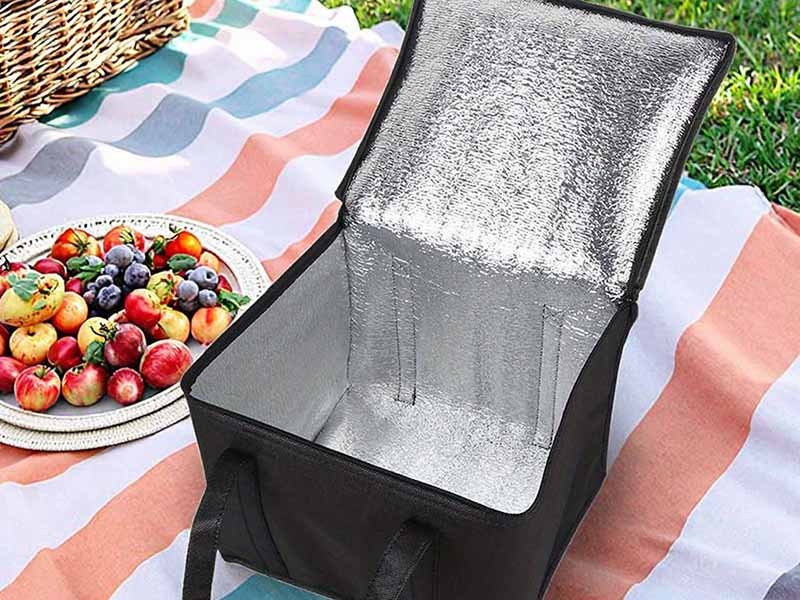
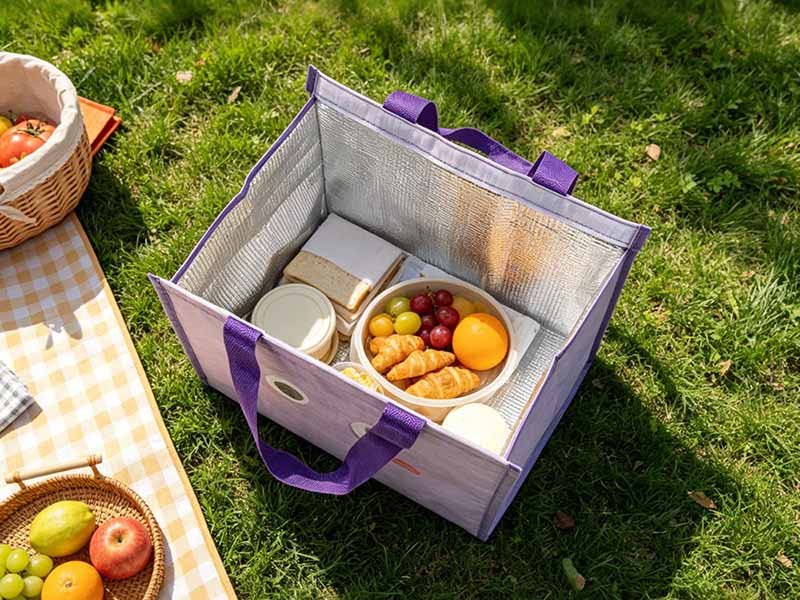
A cooler bag may look simple from the outside, but its real performance depends on what is hidden between the shell fabric and the inner lining. Two bags can look almost the same in photos, use similar colors, and even have the same size, yet their cold retention can be very different in real use. One may keep drinks cool for only 2 to 3 hours, while another can hold temperature much longer under the same outdoor conditions. The reason usually comes down to the insulation system: the choice of foam, reflective layer, lining material, thickness, sealing method, and overall bag structure.
Most cooler bag insulation systems use a layered construction made of four core parts: an outer fabric such as polyester or nylon, an insulation core such as EPE foam, PE foam, XPE foam, or PU foam, a reflective layer such as aluminum foil or metallized film, and a waterproof inner lining such as PEVA or PVC. These materials work together to slow heat transfer, reduce cold loss, prevent leakage, and make the bag easier to clean and safer for food contact.
For customers developing cooler bags, this is not just a material question. It is directly linked to product positioning, cost, user experience, and repeat orders. A low-cost insulation structure may help reduce the first quote, but poor temperature retention often leads to complaints, weak reviews, and price pressure. A better insulation system usually improves perceived value and makes the product easier to sell. At Szoneier, with more than 18 years of manufacturing experience in sewn products and custom material applications, we have seen many cooler bag projects succeed or fail based on insulation details that were overlooked at the sampling stage. That is why understanding insulation materials matters before you confirm your next design.
What Is Cooler Bag Insulation?
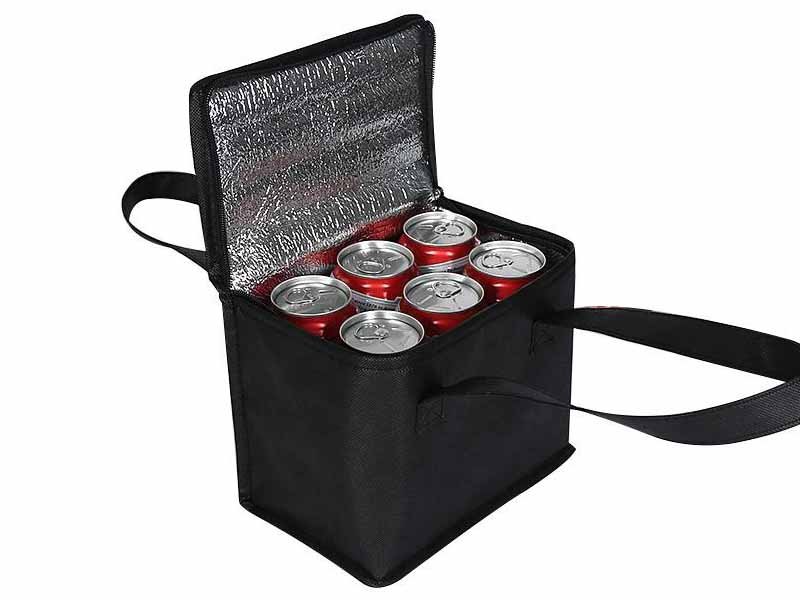
Cooler bag insulation is the material system inside the bag that reduces heat moving from the outside into the interior. It is not one single layer. In most products, it is a combination of foam, reflective film, lining, and shell fabric working together to keep cold items cool for longer and to reduce moisture leakage during use.
What Does Cooler Bag Insulation Do?
Cooler bag insulation has one core job: slow down temperature change. When cold drinks, fruit, sandwiches, meal boxes, or frozen items are placed inside a bag, the outside air immediately starts trying to warm them up. Insulation reduces the speed of this process.
From a product development point of view, insulation does five practical things:
- It extends cold retention time.
- It reduces outside heat entering the bag.
- It helps maintain food freshness during transport.
- It prevents condensation and leakage from becoming a mess.
- It improves the value perception of the finished product.
For many customers, cold retention time is the first concern. In the mass market, a basic cooler bag with thin insulation may perform for around 2 to 4 hours under moderate use. A mid-range structure with better foam and lining may reach 4 to 6 hours. A stronger build with thicker foam, tighter seams, and better closure design can often reach 6 to 8 hours or longer, depending on ice pack quantity, fill ratio, ambient temperature, and how often the bag is opened.
This means insulation is not only a technical issue. It affects how the product is marketed. A grocery cooler bag, lunch bag, picnic tote, delivery bag, and beach cooler bag may all use different insulation targets because their real use conditions are different.
How Does Cooler Bag Insulation Work?
Cooler bag insulation works by reducing three main forms of heat transfer: conduction, radiation, and air movement. A good bag does not depend on one material alone. It depends on how several materials work together as a system.
Here is a simple breakdown:
| Heat Transfer Source | What Happens | Material That Helps |
|---|---|---|
| Conduction | Heat moves through direct contact from warm outside surfaces to the cold inside area | EPE foam, PE foam, XPE foam, PU foam |
| Radiation | Heat from sunlight or hot surroundings transfers toward the bag | Aluminum foil, metallized film |
| Air movement | Warm air enters through gaps, zipper areas, or weak seams | PEVA lining, sealed construction, better closures |
Foam is the main thermal barrier because it contains many small closed air cells. These air pockets slow heat movement. Reflective foil helps by pushing back radiant heat, especially in outdoor settings. Inner lining materials help reduce moisture escape and make the inside easier to wipe clean. The closure system also matters. Even if the insulation material is good, poor zipper sealing or an open-top design can weaken the real result.
In real production, performance is never decided by one layer alone. It is decided by the full structure. That is why two bags using “foam insulation” can still perform very differently.
Why Is Cooler Bag Insulation Important?
For customers sourcing or developing cooler bags, insulation quality directly affects whether the product can meet the promised use scenario. If the bag is sold for lunch commuting, grocery pickup, beach use, picnic use, camping, or medical transport, weak insulation will quickly become visible to the end user.
The most important reasons insulation matters are clear:
- Food safety becomes harder to control when temperature rises too quickly.
- Melted ice and condensation can leak if the lining structure is weak.
- Low performance often creates negative feedback even when the bag looks attractive.
- Premium insulation helps justify a higher selling price.
- Better material selection can reduce returns and increase reorder potential.
Perishable foods are generally safer when kept under 4°C or 40°F for limited transport periods. While a soft cooler bag is not a replacement for long-term refrigeration, good insulation helps extend the safe window for short outdoor or daily-use situations. This matters a lot for lunch bags, meal prep bags, baby bottle cooler bags, and delivery applications.
For sellers and brand owners, insulation also influences market positioning. A low-end promotional cooler bag may focus on light use and aggressive pricing. A premium private label cooler bag needs stronger materials, cleaner construction, and more consistent thermal performance. Customers comparing quotes should always match insulation structure to the intended retail level instead of only comparing price per piece.
Why Do Cooler Bags Use Multi-Layer Insulation?
Most cooler bags use multiple layers because one material alone cannot solve every performance need. Foam slows heat movement, reflective foil helps with radiant heat, the lining contains moisture, and the outer shell provides strength, appearance, and abrasion resistance.
A standard multi-layer structure usually looks like this:
| Layer Position | Common Material | Main Function |
|---|---|---|
| Outer shell | Polyester, nylon, Oxford fabric | Strength, printing surface, abrasion resistance |
| Middle insulation | EPE foam, PE foam, XPE foam, PU foam | Main thermal barrier |
| Reflective layer | Aluminum foil, metallized film | Reflects heat, improves thermal efficiency |
| Inner lining | PEVA, PVC, TPU, EVA film | Waterproofing, leak resistance, cleanability |
This layered construction gives factories more flexibility. A lightweight lunch bag may use 3 mm to 5 mm foam. A grocery tote may use 5 mm to 8 mm. A larger outdoor cooler bag may go thicker depending on shape, weight target, and price point. The layer combination can also change based on whether the product needs folding performance, leak resistance, or a more structured appearance.
For sourcing customers, this is important because the “same bag style” can be built in very different ways. Before confirming production, it is better to ask about foam type, foam thickness, lining type, and seam method instead of only looking at photos or dimensions.
Which Cooler Bag Insulation Materials Are Common?
The most common cooler bag insulation materials are foam-based insulation, reflective aluminum layers, and waterproof inner linings. In practical manufacturing, the most widely used materials include EPE foam, PE foam, XPE foam, PU foam, aluminum foil film, PEVA lining, PVC lining, and outer fabrics such as polyester and nylon.
Is Foam a Main Cooler Bag Insulation Material?
Yes. Foam is usually the main insulation material in cooler bags because it delivers the biggest contribution to cold retention. In most sewn cooler bags, the insulation value comes primarily from the foam layer, not from the fabric shell and not from the foil alone.
The most commonly used foam types include:
- EPE foam
- PE foam
- XPE foam
- PU foam
Each one has a different role in product design.
| Foam Type | Common Use Level | Key Advantages | Main Limits |
|---|---|---|---|
| EPE Foam | Entry to mid-range | Light, affordable, easy to process | Lower structure strength than premium foams |
| PE Foam | Basic to mid-range | Good thermal value, economical | Less premium feel |
| XPE Foam | Mid to premium | Better resilience, cleaner structure, stronger closed-cell performance | Higher cost |
| PU Foam | Premium or specialty | Better insulation potential, softer body control in some builds | Costlier, more process-sensitive |
For many commercial cooler bag projects, EPE foam is a popular choice because it balances price and function. It is lightweight, easy to laminate, and suitable for lunch bags, promotional cooler bags, and many daily-use products. XPE foam is often chosen when the customer wants a cleaner body, stronger rebound, and a more premium result. PU foam may be used when stronger insulation or shaped panel construction is required, though it usually comes with a higher material cost.
Thickness also matters. A 3 mm foam layer may be acceptable for compact lunch bags. A 5 mm to 8 mm structure is more common in bags expected to hold temperature longer. Once the bag size gets larger, insufficient foam thickness becomes more noticeable in real use.
Why Is Aluminum Used in Cooler Bag Insulation?
Aluminum is commonly used because it helps reflect radiant heat and supports the overall insulation system. On its own, aluminum foil is not the main thermal barrier. Its value comes from being combined with foam and lining materials.
In real product construction, aluminum is usually applied as:
- Aluminum foil film
- Metallized PET film
- Foil-laminated inner layers
Its main functions include:
- Reflecting external heat, especially under sunlight
- Supporting thermal stability inside the bag
- Creating a cleaner and brighter inner appearance
- Helping the bag look more “insulated” to the customer
This last point matters more than many people expect. End users often associate a silver foil interior with thermal performance. Even when foam is doing most of the real insulation work, the foil layer adds both function and visible value.
Still, aluminum has limits. It can wrinkle, crack, or weaken if the structure is too thin or folded too aggressively over time. That is why many factories now use laminated foil systems rather than raw thin foil alone. Better lamination improves durability and reduces peeling risk.
For customers developing custom cooler bags, aluminum should be viewed as a support layer, not a complete solution. If a supplier highlights foil heavily but uses weak foam and poor seam construction, the finished performance may still disappoint.
Is PEVA Used in Cooler Bag Insulation?
PEVA is not the main insulation layer, but it is one of the most important inner materials in cooler bag construction. It is widely used as a lining because it is soft, waterproof, easy to clean, and generally preferred in many consumer products over heavier traditional PVC-based interiors.
PEVA helps cooler bags in several ways:
- It contains moisture from ice packs and condensation.
- It improves wipe-clean convenience for food and drink use.
- It supports leak resistance when paired with proper seam construction.
- It gives the inside a softer and cleaner finish.
PEVA is especially common in lunch bags, grocery cooler totes, baby bottle cooler bags, and family picnic products. For many private label customers, PEVA is also easier to market because it is often seen as a more modern lining option in consumer goods.
That said, lining performance depends on more than the material name. Customers should also check:
- Lining thickness
- Lamination quality
- Whether seams are stitched only or heat sealed
- Whether the bottom structure is reinforced
- Whether zipper attachment areas are protected against leakage
A bag with PEVA lining can still leak if construction is weak. A good lining material needs good process control behind it.
Are Neoprene Materials Used in Cooler Bag Insulation?
Yes, neoprene can be used in cooler bag products, but it plays a different role from conventional foam-plus-foil cooler bag systems. Neoprene is a closed-cell synthetic rubber material, and it naturally offers some insulation because its internal structure traps gas and resists temperature transfer better than ordinary fabric.
Neoprene is commonly used in:
- Can koozies
- Bottle sleeves
- Lunch totes
- Small cooler pouches
- Lifestyle cooler bags with stretch and soft-touch appeal
Its main strengths are easy to understand:
- Good soft insulation for short-duration use
- Flexible and comfortable hand feel
- Strong visual appeal for retail products
- Good printing and customization options
- Natural cushioning for cans and bottles
But neoprene also has clear limits. In large cooler bags, it usually cannot match the cold retention of a thicker multi-layer insulation system built with foam, foil, and waterproof lining. This means neoprene is excellent for compact insulation products and fashion-oriented cooler items, but not always the best option for heavy-duty long-hour cooling needs.
For Szoneier, neoprene is especially relevant because it is one of the company’s core material strengths. For customers developing neoprene koozies, bottle coolers, lunch sleeves, sports supports, medical supports, or wetsuit-related sewn products, material control, lamination stability, thickness selection, and logo application are all critical parts of the project. When used correctly, neoprene adds both functional insulation and strong product identity.
How Do Cooler Bag Insulation Materials Work?
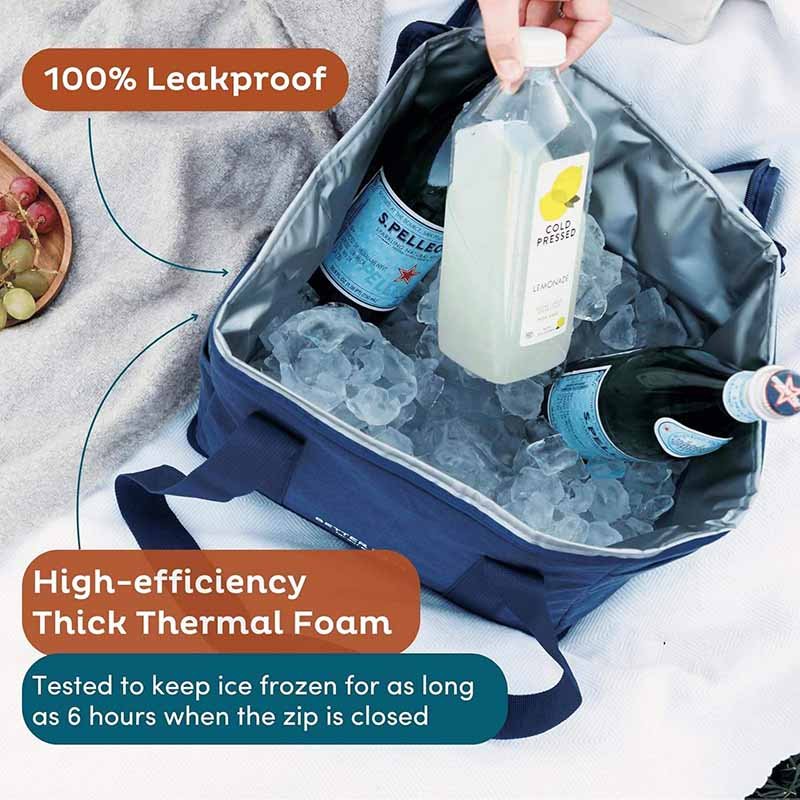
Cooler bag insulation materials work by slowing down heat transfer between the outside environment and the cold interior of the bag. In real use, heat is constantly trying to move into the bag from warm air, sunlight, and surrounding surfaces. Insulation materials do not “create cold”; instead, they delay temperature change, allowing ice packs or frozen items to stay cold longer.
A well-designed cooler bag usually combines several materials—foam insulation, reflective layers, waterproof lining, and durable outer fabric—so that each layer addresses a different type of heat transfer. When these layers are balanced correctly, a soft cooler bag can maintain cold temperatures for 4–8 hours or more, depending on insulation thickness, ice pack quantity, and ambient temperature.
From a product development perspective, insulation performance depends on four main mechanisms:
| Heat Control Mechanism | Material Solution | Practical Effect |
|---|---|---|
| Heat conduction reduction | Foam insulation | Slows heat moving through the bag wall |
| Heat radiation reflection | Aluminum foil or metallized film | Reflects radiant heat from sunlight |
| Airflow reduction | Inner lining and sealed seams | Prevents warm air exchange |
| Moisture containment | Waterproof lining | Keeps melted ice inside and improves hygiene |
The key point is that no single insulation material performs all these functions alone. Instead, cooler bag performance comes from the combined effect of several layers working together.
How Does Foam Cooler Bag Insulation Stop Heat?
Foam insulation is the primary thermal barrier in most cooler bags. Materials such as EPE foam, PE foam, XPE foam, or PU foam contain thousands of tiny closed air cells. These air pockets significantly slow down heat transfer because air conducts heat much more slowly than solid materials.
When a cooler bag is exposed to warm surroundings, heat begins moving toward the colder interior. The foam layer interrupts this movement by forcing heat to pass through multiple air barriers. Each air pocket reduces the speed of heat conduction.
Several characteristics influence foam insulation performance:
| Foam Factor | Why It Matters |
|---|---|
| Foam thickness | Thicker insulation increases thermal resistance |
| Cell structure | Closed-cell foam traps air better than open-cell foam |
| Density | Higher density improves durability and shape retention |
| Compression resistance | Prevents insulation collapse under weight |
For example, a cooler bag using 3 mm foam insulation may keep beverages cold for about 2–3 hours, while a bag using 5–8 mm foam insulation can often maintain temperature for 4–8 hours, depending on external conditions.
Foam selection also affects product positioning. Lightweight lunch bags often prioritize flexibility and cost efficiency, while outdoor cooler bags require thicker foam to maintain performance under hot weather conditions.
How Does Aluminum Cooler Bag Insulation Reflect Heat?
Aluminum layers help reduce heat entering the bag through thermal radiation, which is especially important when the bag is exposed to sunlight or hot surroundings.
Unlike foam insulation, which slows heat conduction, aluminum surfaces reflect radiant heat away from the interior space. This reflective property is why many insulated bags have a shiny silver interior.
However, aluminum foil alone does not provide strong insulation. Its real value appears when combined with foam layers. The reflective surface helps reduce heat buildup on the inner side of the insulation system.
Manufacturers commonly use the following reflective materials:
| Reflective Material | Characteristics |
|---|---|
| Aluminum foil | Strong reflection but less flexible |
| Metallized PET film | Flexible and tear resistant |
| Laminated aluminum film | Durable multi-layer reflective material |
Reflective materials also improve perceived product quality. Many consumers associate the shiny silver lining with insulation performance, so aluminum layers serve both functional and visual roles in cooler bag design.
How Do Layered Cooler Bag Insulation Materials Work Together?
Cooler bag insulation performs best when materials are arranged in multiple layers, each contributing to temperature control and structural durability.
A common cooler bag insulation structure may look like this:
| Layer | Material | Purpose |
|---|---|---|
| Outer shell | Polyester or nylon fabric | Protects insulation layers and adds durability |
| Insulation core | Foam insulation (EPE, PE, XPE) | Main thermal barrier |
| Reflective layer | Aluminum film | Reflects radiant heat |
| Inner lining | PEVA or PVC | Waterproof and easy to clean |
When heat from the outside reaches the bag surface, it must pass through several barriers before reaching the interior. Each layer slows the process.
For example:
- The outer fabric absorbs some heat but protects the insulation structure.
- The foam layer slows heat conduction through trapped air cells.
- The reflective layer reduces radiant heat penetration.
- The inner lining prevents warm air exchange and moisture leakage.
This layered system is why cooler bags can remain effective even when made from relatively thin materials.
From a design perspective, insulation layers are often adjusted depending on the target product category.
| Cooler Bag Type | Typical Insulation Thickness |
|---|---|
| Lunch bags | 3–5 mm foam |
| Grocery cooler totes | 5–8 mm foam |
| Outdoor cooler bags | 8–10 mm foam |
| Beverage sleeves | Neoprene insulation |
For brands developing insulated products, understanding this layered structure helps avoid common sourcing mistakes. Many buyers focus only on the outer fabric appearance, but insulation performance depends mainly on foam quality, thickness, and lining construction.
How Does Lining Material Improve Temperature Retention?
While foam and reflective layers control heat transfer, the inner lining plays an important supporting role in insulation performance.
A good lining performs three practical functions:
- Prevents melted ice from leaking
- Reduces air movement inside the bag
- Makes the interior easier to clean
PEVA is one of the most common lining materials used in cooler bags because it offers a balance of flexibility, waterproofing, and durability.
Here is a comparison of common lining materials:
| Lining Material | Advantages | Typical Use |
|---|---|---|
| PEVA | Food-safe, flexible, easy cleaning | Lunch bags and family cooler bags |
| PVC | Strong waterproofing | Utility cooler bags |
| TPU | Premium waterproof performance | High-end outdoor cooler bags |
Seam construction also affects insulation performance. Even with good lining material, weak seams can allow warm air or melted ice to escape.
Factories often use several seam construction methods:
- Stitched seams for standard cooler bags
- Reinforced binding seams for durability
- Heat-sealed seams for leak resistance
When the lining and seams are properly constructed, the cooler bag maintains a more stable internal environment. This improves temperature retention and makes the product more reliable for everyday use.
For companies developing custom cooler bags, these details—foam density, reflective layers, lining materials, and seam construction—are often the difference between a product that performs well in real use and one that only looks good on a product page.
Cooler Bag Insulation Material Comparison
| Material | Main Role | Common Use | Cost Level | Performance Level |
|---|---|---|---|---|
| EPE Foam | Main insulation core | Lunch bags, grocery bags, promo coolers | Low to medium | Medium |
| PE Foam | Main insulation core | Value cooler bags | Low to medium | Medium |
| XPE Foam | Main insulation core | Better retail cooler bags | Medium | Medium to high |
| PU Foam | Main insulation core | Premium or specialty coolers | Medium to high | High |
| Aluminum Film | Reflective support layer | Most insulated bags | Low | Supportive |
| PEVA | Inner waterproof lining | Lunch bags, food-use bags | Low to medium | High practicality |
| PVC | Inner lining | Utility coolers, lower-cost bags | Low | Practical but less premium |
| Neoprene | Soft insulating body | Koozies, sleeves, small coolers | Medium | Short-duration insulation |
What Should Customers Check Before Sampling a Cooler Bag?
Before confirming a sample, customers should ask for the exact insulation structure instead of only asking whether the bag is “insulated.”
Key questions include:
- What foam type is used?
- What is the foam thickness in millimeters?
- Is there an aluminum reflective layer?
- What inner lining material is used?
- Are seams stitched, bound, or heat sealed?
- Is the bag intended for 2-hour use, 4-hour use, or longer use?
- Is the sample based on the final production structure or only a visual mockup?
These questions save time and reduce misunderstanding. Many sample problems happen because the appearance is approved first while the insulation build remains vague. A professional factory should be able to explain the structure clearly.
Which Fabrics Support Cooler Bag Insulation Materials?
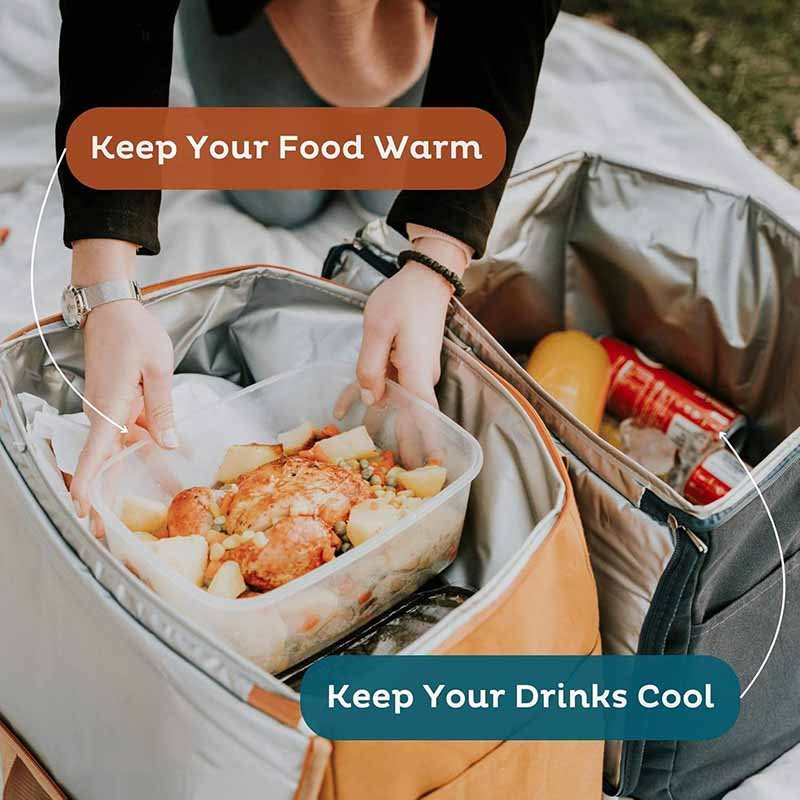
The insulation inside a cooler bag cannot function properly without the right supporting fabrics. Outer fabrics protect insulation layers from abrasion, sunlight, and moisture, while inner linings keep melted ice contained and ensure food safety. Most cooler bags use polyester or nylon shells combined with waterproof inner linings such as PEVA or PVC to stabilize insulation materials and maintain durability during daily use.
Are Polyester Fabrics Used with Cooler Bag Insulation?
Yes, polyester fabrics are one of the most widely used outer materials in cooler bag manufacturing. Polyester offers an excellent balance between durability, cost control, and print compatibility, which makes it popular across lunch bags, grocery cooler totes, picnic bags, and promotional insulated bags.
Several reasons explain why polyester is so common in insulated bag production:
- Strong abrasion resistance – cooler bags are often used outdoors or carried with groceries, so the shell must resist wear.
- Lightweight structure – polyester maintains structural strength without making the bag too heavy.
- Good printing compatibility – screen printing, heat transfer logos, sublimation printing, and embroidery all work well on polyester fabrics.
- Cost efficiency – compared with high-end technical fabrics, polyester provides reliable performance at a competitive cost.
Polyester used in cooler bags typically ranges from 210D to 600D thickness, depending on the target product level.
| Polyester Fabric | Common Use | Product Level |
|---|---|---|
| 210D Polyester | Promotional cooler bags | Entry-level |
| 300D Polyester | Lunch bags | Mid-range |
| 420D Polyester | Picnic bags and tote coolers | Mid-range |
| 600D Polyester | Outdoor cooler bags | Higher durability |
For most consumer cooler bags sold online or in retail stores, 600D polyester with PU coating provides a good combination of durability and water resistance. The PU coating also helps reduce moisture penetration when the bag is placed on damp surfaces.
Is Nylon Used in Cooler Bag Insulation Bags?
Nylon is another strong option for cooler bag outer shells, especially when the product is intended for premium outdoor use or heavy-duty applications. Compared with polyester, nylon fabrics usually provide higher tear strength and better flexibility, although they are typically more expensive.
Nylon is commonly used in:
- Hiking cooler bags
- Fishing cooler bags
- Camping insulated bags
- Tactical or outdoor gear cooler bags
Many premium cooler bags use 420D nylon or 840D nylon, which offer superior durability in demanding environments.
Here is a simple comparison between nylon and polyester fabrics used in cooler bags:
| Fabric Type | Strength | Weight | Cost | Best Application |
|---|---|---|---|---|
| Polyester | Good | Lightweight | Lower | Lunch bags, grocery coolers |
| Nylon | Very strong | Lightweight | Higher | Outdoor, tactical cooler bags |
From a product development perspective, nylon also performs well when combined with waterproof coatings such as TPU or PU lamination. These coatings help prevent moisture penetration from melted ice or condensation inside the cooler bag.
For brands targeting outdoor sports markets, nylon shells often improve both product durability and perceived product value.
Which Linings Protect Cooler Bag Insulation?
The inner lining of a cooler bag plays a critical role in protecting insulation materials and maintaining hygiene. While foam insulation slows heat transfer, the lining prevents water leakage and creates a smooth surface that is easy to clean.
Several lining materials are commonly used in cooler bags:
| Lining Material | Key Benefits | Typical Use |
|---|---|---|
| PEVA | Food-safe, flexible, easy to clean | Lunch bags, grocery coolers |
| PVC | Waterproof and durable | Utility cooler bags |
| TPU | Premium waterproof material | High-end outdoor coolers |
| EVA | Flexible and lightweight | Compact cooler bags |
PEVA lining has become increasingly popular because it offers a good balance between waterproof performance, softness, and food contact safety. It is widely used in lunch bags, baby bottle cooler bags, and meal prep bags.
However, lining performance also depends heavily on seam construction. Even the best lining material can leak if seams are poorly stitched or not sealed properly.
Common seam construction options include:
- Stitch seams (basic construction)
- Binding seams (reinforced edges)
- Heat-sealed seams (leak resistant)
High-end insulated bags often use heat sealing or reinforced seam taping to improve leak resistance.
How Do Manufacturers Choose Cooler Bag Insulation Materials?
Selecting the right insulation material requires balancing several factors: cooling performance, product weight, cost control, and intended use scenario. Manufacturers typically evaluate insulation materials based on thermal retention time, material density, durability, and production efficiency.
Which Cooler Bag Insulation Materials Keep Cold Longer?
Among commonly used materials, XPE foam and PU foam generally provide stronger insulation performance compared with basic PE or EPE foam. This is because these materials have higher density closed-cell structures, which trap air more effectively.
Below is a general comparison of common insulation materials:
| Insulation Material | Cooling Performance | Durability | Cost |
|---|---|---|---|
| EPE Foam | Moderate | Good | Low |
| PE Foam | Moderate | Good | Low |
| XPE Foam | High | Very good | Medium |
| PU Foam | High | Very good | Higher |
However, insulation material alone does not determine cooling performance. Other factors influence cold retention time, including:
- Foam thickness
- Bag size
- Closure system
- Ice pack quantity
- Environmental temperature
For example, a bag using 5 mm XPE foam insulation with aluminum foil lining may keep beverages cool for approximately 6–8 hours under moderate outdoor conditions when combined with ice packs.
How Thick Should Cooler Bag Insulation Be?
Insulation thickness directly affects cooling duration. Thicker insulation usually slows heat transfer more effectively, but it also increases product weight and cost.
Typical foam thickness ranges in cooler bags include:
| Foam Thickness | Typical Product Type |
|---|---|
| 3 mm | Lightweight lunch bags |
| 5 mm | Standard cooler bags |
| 8 mm | Outdoor picnic cooler bags |
| 10 mm or more | Premium insulated cooler bags |
For small lunch bags designed for daily commuting, 3–5 mm foam insulation is usually sufficient. Larger picnic cooler bags or grocery cooler totes often require 5–8 mm insulation to maintain temperature longer.
In premium outdoor cooler bags, manufacturers sometimes use multi-layer foam structures, combining foam layers with reinforced reflective film to improve thermal performance.
How Do Factories Develop Custom Cooler Bag Insulation?
Developing a custom cooler bag involves more than selecting insulation materials. Manufacturers must also consider production methods, structural design, and real-world use conditions.
The typical custom cooler bag development process includes:
- Product concept and target market analysis
- Material selection for outer shell, insulation core, and lining
- Sample prototyping
- Insulation performance testing
- Structural adjustments for weight and durability
- Mass production preparation
At Szoneier, the development process often starts with a discussion about how the product will be used. For example:
- Lunch bags for office workers require compact size and easy cleaning.
- Grocery cooler bags need stronger seams and larger insulation areas.
- Outdoor cooler bags require thicker insulation and stronger fabrics.
- Beverage cooler sleeves may use neoprene for flexibility.
After identifying the use scenario, the factory recommends insulation materials and fabric structures that match the target price range and performance expectations.
This collaborative development approach helps reduce sampling revisions and ensures the final product meets both functional performance and brand positioning requirements.
What Factors Affect Cooler Bag Insulation Performance?
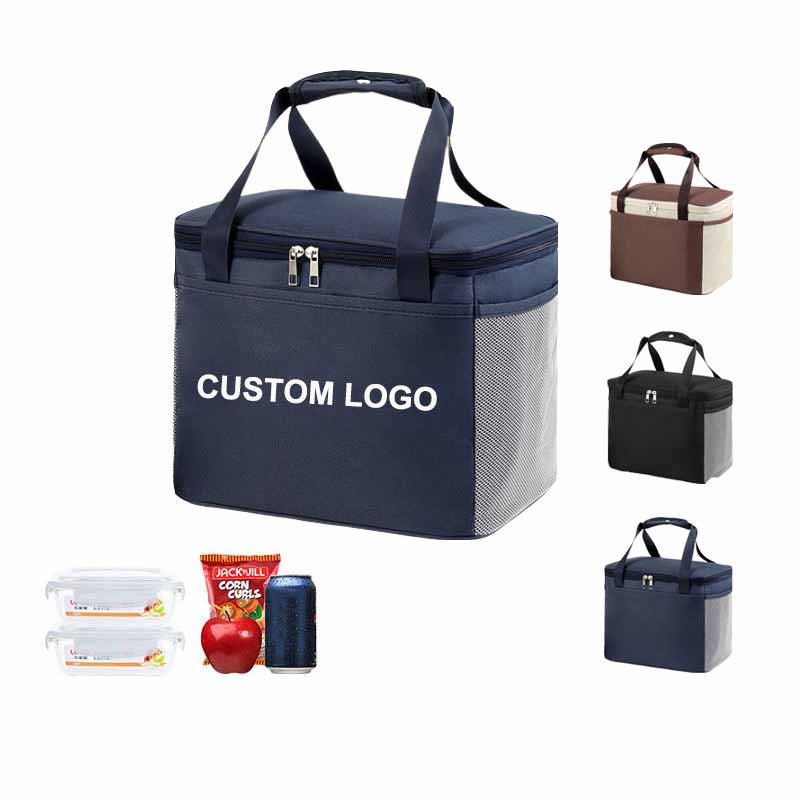
Cooler bag insulation performance is influenced by several practical factors beyond the insulation material itself. While foam type and reflective layers are important, the overall product design, insulation thickness, closure structure, seam construction, and how the bag is used all play a significant role in determining how long the bag can maintain low temperatures.
In real applications, two cooler bags using the same insulation materials can perform very differently depending on these factors. A well-designed insulated bag may keep beverages cold for 6–8 hours, while a poorly designed one using similar materials may only perform for 2–3 hours.
The most important factors that affect cooler bag insulation performance include:
| Performance Factor | Why It Matters |
|---|---|
| Insulation thickness | Thicker foam slows heat transfer |
| Foam density | Higher density improves thermal stability |
| Bag size and shape | Larger bags require stronger insulation |
| Closure design | Prevents warm air entering the bag |
| Seam construction | Prevents air leaks and water leakage |
| Ice pack quantity | Provides the cooling source |
| External temperature | Higher heat exposure reduces cooling time |
Understanding these factors helps brands design cooler bags that meet real-world expectations rather than relying only on material specifications.
How Does Insulation Thickness Affect Cooling Performance?
Insulation thickness is one of the most important factors determining how long a cooler bag can maintain temperature. Thicker insulation creates a stronger barrier against heat transfer.
Foam insulation thickness in cooler bags typically ranges between 3 mm and 10 mm, depending on the intended use.
| Foam Thickness | Typical Product Type | Expected Cooling Duration* |
|---|---|---|
| 3 mm | Lightweight lunch bags | 2–3 hours |
| 5 mm | Standard grocery cooler bags | 3–5 hours |
| 8 mm | Outdoor picnic cooler bags | 5–7 hours |
| 10 mm or more | Premium insulated cooler bags | 8+ hours |
- Cooling duration depends on environmental temperature and ice pack quantity.
Thicker insulation improves thermal performance but also increases:
- Product weight
- Material cost
- Shipping volume
For example, many lunch bags designed for office workers use 3–5 mm foam insulation, which balances portability and cooling performance. Larger picnic cooler bags or beach cooler bags often require 8 mm or thicker insulation to maintain temperature under outdoor conditions.
When developing a cooler bag product, manufacturers usually adjust insulation thickness based on the bag size and expected use scenario.
How Does Bag Size and Structure Influence Insulation?
The size and internal structure of a cooler bag directly affect how efficiently insulation materials perform. Larger bags contain more air space, which requires more cooling energy to maintain low temperatures.
A small lunch bag holding 5–7 liters of food can maintain temperature with relatively thin insulation. However, a larger grocery cooler bag holding 20 liters or more requires stronger insulation and additional ice packs.
Bag shape also influences cooling efficiency. Bags with wide openings or weak lid structures allow warm air to enter more easily when opened.
Design features that improve insulation performance include:
- Insulated lid panels
- Structured foam walls
- Tight-fitting closure systems
- Reinforced base panels
For example, cooler bags designed for grocery shopping often use box-shaped structures to maximize insulation coverage and reduce air gaps around stored items.
How Does Closure Design Affect Cold Retention?
The closure system of a cooler bag plays a critical role in maintaining temperature. Even with good insulation materials, a poorly sealed opening allows warm air to enter the bag and cold air to escape.
Common cooler bag closure types include:
| Closure Type | Insulation Efficiency | Common Applications |
|---|---|---|
| Zipper closure | High | Lunch bags, picnic cooler bags |
| Hook-and-loop closure | Medium | Promotional cooler bags |
| Roll-top closure | Very high | Waterproof outdoor cooler bags |
| Magnetic closure | Medium | Lifestyle cooler bags |
Zipper closures are the most widely used because they provide a tighter seal compared with open-top designs. Some premium cooler bags include zipper covers or insulation flaps that further reduce air leakage.
Frequent opening of the bag also affects temperature retention. Every time the bag is opened, warm air enters and replaces the cooled interior air.
For optimal cooling performance, users should:
- Open the bag as few times as possible
- Close the zipper completely after each use
- Keep the bag in shaded areas during outdoor use
These simple habits can extend cooling duration by 20–30% in many real-world situations.
How Do Ice Packs and Cold Sources Affect Insulation Performance?
Insulation materials alone cannot keep items cold. They only slow the rate of temperature change. The actual cooling energy comes from ice packs, frozen gel packs, or frozen food items placed inside the bag.
The quantity and placement of ice packs significantly influence cooling performance.
A general guideline used by many outdoor gear manufacturers is:
| Bag Capacity | Recommended Ice Packs |
|---|---|
| 5–10 liters | 1–2 ice packs |
| 10–20 liters | 2–3 ice packs |
| 20–30 liters | 3–5 ice packs |
Ice packs should ideally be placed on top of the food or drinks, because cold air naturally sinks downward. This arrangement helps distribute cold air more evenly throughout the bag.
Pre-chilling the cooler bag before use can also improve performance. Placing ice packs inside the bag for 15–20 minutes before loading food lowers the internal temperature and improves cold retention.
How Do Seam Construction and Lining Quality Affect Insulation?
The seams of a cooler bag are potential weak points in the insulation system. If seams are not properly reinforced, warm air and moisture can escape through stitching holes.
Several seam construction methods are used in cooler bag manufacturing:
| Seam Type | Performance Level | Typical Use |
|---|---|---|
| Standard stitched seams | Basic insulation | Promotional cooler bags |
| Binding seams | Improved durability | Grocery cooler bags |
| Heat-sealed seams | Leak resistant | Premium cooler bags |
Heat-sealed seams create a continuous waterproof barrier that reduces leakage and improves insulation stability. This method is commonly used in high-performance insulated bags for food delivery or outdoor use.
The inner lining material also contributes to seam performance. Thicker PEVA or TPU linings tend to provide better durability and leak resistance compared with very thin lining films.
How Does External Environment Affect Cooler Bag Performance?
Even the best insulation materials cannot completely stop heat transfer in extremely hot environments. External conditions such as sunlight exposure and ambient temperature have a major impact on cooler bag performance.
Typical cooling duration changes under different conditions:
| Environment | Cooling Duration Impact |
|---|---|
| Indoor room temperature | Longest cooling time |
| Shaded outdoor environment | Moderate cooling time |
| Direct sunlight exposure | Shorter cooling time |
| Inside hot vehicles | Rapid temperature increase |
For example, a cooler bag that maintains cold temperature for 6 hours in shaded outdoor conditions may only maintain the same temperature for 3–4 hours under direct sunlight.
Using reflective outer fabrics or placing the bag in shaded areas can significantly improve performance in hot environments.
Why Manufacturing Quality Matters for Insulation Performance?
Beyond material selection and design, manufacturing quality plays an important role in cooler bag insulation performance.
Common production factors affecting insulation quality include:
- Foam lamination stability
- Stitching accuracy
- Lining attachment quality
- Structural reinforcement
If insulation layers are not laminated properly, gaps may form between materials. These gaps allow heat transfer and reduce cooling efficiency.
Professional manufacturers typically conduct quality inspections during production, checking foam thickness, seam strength, and lamination consistency.
For companies sourcing custom cooler bags, choosing a factory with strong experience in insulation material processing helps ensure consistent product performance and reduces production risks.
In practical product development, insulation performance is never determined by one factor alone. It is the result of materials, structure, manufacturing quality, and user behavior working together. Understanding these factors allows brands to design cooler bags that meet real-world expectations and deliver reliable cooling performance.
Are New Insulation Materials Improving Cooler Bag Performance?
Yes. In recent years, cooler bag manufacturers have started experimenting with improved insulation materials and composite structures to increase cooling performance while reducing weight and bulk. These innovations are especially visible in premium outdoor cooler bags, food delivery systems, and specialized transport bags.
While traditional insulation systems rely heavily on EPE foam and aluminum foil, newer materials and structures offer additional advantages such as improved durability, reduced thickness, and higher thermal resistance.
Are High-Density Foam Materials Better for Insulation?
High-density closed-cell foams are becoming increasingly popular in insulated bag design because they provide stronger structural stability and better heat resistance compared with low-density foam.
Examples include:
- XPE foam (cross-linked polyethylene foam)
- High-density PE foam
- Closed-cell PU foam
These materials contain tightly sealed air cells that improve insulation efficiency. The more stable the cell structure, the harder it is for heat to travel through the foam.
High-density foams also provide additional benefits:
- Better shape retention during long-term use
- Reduced compression under heavy loads
- Higher resistance to moisture absorption
This makes them particularly suitable for cooler bags designed for camping, outdoor sports, or food delivery, where insulation performance must remain consistent even after repeated use.
Are Reflective Films Replacing Traditional Aluminum Foil?
Traditional aluminum foil is still widely used, but many factories now use metallized PET films or aluminum laminated films instead of pure foil layers.
These upgraded reflective materials provide several improvements:
- Higher tear resistance
- Less wrinkling over time
- Better compatibility with lamination processes
- Improved durability in folding cooler bags
For example, metallized PET films are frequently used in insulated lunch bags because they combine reflective properties with better flexibility.
From a manufacturing perspective, laminated reflective films also simplify the sewing and lamination process, which improves overall production efficiency.
Are Multi-Layer Insulation Panels Used in Premium Cooler Bags?
Yes. Many premium cooler bags now use multi-layer insulation panels instead of a single foam sheet.
These panels often combine several materials into one laminated structure.
Example structure:
| Layer | Material | Function |
|---|---|---|
| Outer layer | Polyester or nylon | Durability |
| Secondary layer | EVA or PE film | Moisture barrier |
| Insulation core | XPE foam | Thermal barrier |
| Reflective layer | Metallized film | Heat reflection |
| Inner lining | PEVA or TPU | Waterproof lining |
This type of layered panel improves thermal performance while maintaining structural stability.
For larger insulated bags used in food delivery or grocery transport, multi-layer panels can improve cooling duration by 20–40% compared with basic insulation structures, depending on foam thickness and sealing quality.
How Is Cooler Bag Insulation Performance Tested?
Insulation materials must be tested to ensure they perform as expected in real use situations. Professional cooler bag manufacturers typically evaluate insulation performance using controlled temperature tests and structural durability assessments.
How Do Factories Test Cold Retention?
Cold retention testing usually involves placing ice packs or chilled products inside a cooler bag and measuring how long the internal temperature stays within a target range.
A common test procedure includes:
- Place ice packs inside the cooler bag.
- Insert temperature sensors inside the bag.
- Store the bag in a controlled environment.
- Record temperature changes over time.
Example testing results may look like this:
| Insulation Type | Foam Thickness | Cold Retention Time |
|---|---|---|
| Basic EPE foam | 3 mm | 2–3 hours |
| Standard PE foam | 5 mm | 3–5 hours |
| XPE foam | 5–8 mm | 5–8 hours |
| Multi-layer insulation | 8–10 mm | 8–12 hours |
These values vary depending on environmental temperature and ice pack quantity, but they help manufacturers compare insulation systems.
How Is Leak Resistance Evaluated?
Leak resistance testing is important for cooler bags used with ice or frozen foods. During testing, water or ice is placed inside the bag to evaluate whether the lining and seams prevent leakage.
Key factors evaluated include:
- Lining thickness
- Seam construction
- Lamination quality
- Zipper sealing structure
Heat-sealed seams generally perform better than simple stitched seams for leak resistance.
How Is Durability Tested?
Durability testing ensures insulation materials maintain performance after repeated use.
Common durability tests include:
- Repeated folding tests
- Compression resistance tests
- Abrasion testing for outer fabrics
- Seam strength testing
These tests help manufacturers confirm that insulation materials do not degrade after transportation, outdoor use, or long-term storage.
What Determines the Cost of Cooler Bag Insulation Materials?
Cooler bag pricing is influenced by multiple insulation-related factors. Understanding these cost drivers helps customers select materials that match their budget and product positioning.
How Do Insulation Materials Affect Cooler Bag Cost?
Foam material selection is one of the biggest cost factors.
Approximate relative cost comparison:
| Material | Relative Cost Level |
|---|---|
| EPE foam | Low |
| PE foam | Low |
| XPE foam | Medium |
| PU foam | Medium to High |
While premium insulation materials increase product cost, they also improve product durability and cold retention, which may justify a higher retail price.
How Does Insulation Thickness Affect Pricing?
Thicker insulation usually increases material cost and production complexity.
For example:
| Foam Thickness | Relative Cost Impact |
|---|---|
| 3 mm | Base cost |
| 5 mm | +10–15% |
| 8 mm | +20–30% |
| 10 mm | +35% or more |
Thicker insulation also increases shipping volume, which can affect freight cost in bulk orders.
How Do Lining Materials Influence Cost?
Lining materials such as PEVA, PVC, and TPU vary in price and performance.
| Lining Material | Cost Level | Typical Use |
|---|---|---|
| PVC | Low | Promotional cooler bags |
| PEVA | Medium | Lunch bags and retail coolers |
| TPU | High | Premium outdoor coolers |
For many retail cooler bags, PEVA offers the best balance between cost, food safety perception, and durability.
How Szoneier Develops Custom Cooler Bag Insulation Systems
Szoneier has more than 18 years of manufacturing experience in neoprene materials and sewn product development, including cooler bags, koozies, wetsuits, sports supports, and medical supports.
For brands developing custom cooler bags, the company provides full customization support from material selection to mass production.
Material Development
Szoneier helps customers evaluate insulation materials based on product goals, including:
- target retail price
- expected cooling duration
- product size and capacity
- intended use scenario
Material options may include:
- EPE foam
- XPE foam
- PE foam
- neoprene insulation structures
- PEVA or TPU lining systems
Rapid Sampling
The company provides fast sampling services so customers can test insulation performance before bulk production.
Typical sampling timeline:
| Stage | Time Required |
|---|---|
| Design review | 1–2 days |
| Material preparation | 2–3 days |
| Sample production | 5–7 days |
Custom Branding and Private Label
Szoneier supports multiple customization options including:
- screen printing logos
- embroidered branding
- heat transfer logos
- woven labels
- custom packaging
This allows brands to develop private label cooler bag products that align with their market positioning.
Conclusion: Develop Better Cooler Bags with the Right Insulation Materials
Choosing the right insulation materials is one of the most important decisions when developing a cooler bag. The combination of foam insulation, reflective layers, waterproof linings, and durable outer fabrics determines how long the bag can maintain temperature and how well it performs during real-world use.
Understanding how these materials work together helps brands create products that meet customer expectations for convenience, food safety, and durability.
For businesses planning to launch cooler bags, insulated lunch bags, neoprene koozies, or other temperature-controlled products, working with an experienced manufacturer makes a significant difference.
With over 18 years of experience in neoprene materials and custom sewn products.
If you are developing a new insulated product or improving an existing cooler bag design, this is the right time to evaluate your insulation materials carefully.
Contact Szoneier today to discuss your cooler bag project, request samples, and explore customized insulation solutions tailored to your brand.