When designing a canvas bag, the bottom panel is one of the most important elements to consider. After all, the bottom panel is the first part of the bag that comes into contact with the ground, rough surfaces, and potentially sharp objects. Without proper reinforcement, it can quickly become the weak point, leading to tears, abrasions, and structural damage.
A well-engineered bottom panel ensures durability, waterproofing, and abrasion resistance, crucial factors for bags that need to endure everyday wear and outdoor conditions. Whether it’s a tote bag, a backpack, or a gym bag, having a strong and reliable bottom panel can significantly extend the life of your bag.
To engineer strong bottom panels for canvas bags, use reinforced fabrics, double stitching, and bar tack reinforcement methods at key stress points. Adding abrasion-resistant coatings or insert materials like PVC or TPU can further strengthen the bottom panel, making it more resistant to wear, tears, and punctures. Proper panel design and strategic seam placement also enhance durability and load-bearing capacity.
With the right materials and techniques, you can design canvas bags that can withstand prolonged use, heavy loads, and rough conditions without compromising performance or comfort. Let’s explore the key elements involved in engineering a strong bottom panel for canvas bags.
What makes a bottom panel strong?
A strong bottom panel is durable enough to resist wear, tear, and abrasions while supporting the weight of the bag’s contents. It’s made from high-quality materials like reinforced canvas or nylon, and designed with reinforced stitching and coatings to ensure it can withstand everyday stress and tough environments. Key reinforcement methods include double stitching and bar tacking at stress points.
What forces act on bag bottoms?
The bottom panel of a canvas bag is subjected to several forces during use. These forces must be considered during the design phase to ensure that the material can handle the stress without failure.
Types of forces acting on the bottom panel:
- Compression: The weight of the bag’s contents exerts downward pressure on the bottom panel.
- Abrasion: Friction caused by the bag rubbing against surfaces like floors, gravel, or rocks.
- Impact: The bottom panel can experience sudden forces when the bag is dropped or hit.
- Moisture: Prolonged exposure to water, mud, or damp surfaces can affect the fabric and stitching over time.
| Force Type | Description | Impact on Panel |
|---|---|---|
| Compression | Weight bearing down on the bag | Causes fabric strain, stitching pressure |
| Abrasion | Rubbing against rough surfaces | Fraying, tearing, material breakdown |
| Impact | Bag dropping or bumping into hard surfaces | Punctures, tears, fabric damage |
| Moisture | Exposure to water or damp environments | Weakening of material, seam failures |
For bags exposed to rough environments or used in heavy-duty applications, reinforced bottom panels with abrasion-resistant coatings are essential to withstand these forces.
What failures happen with weak bottoms?
A weak bottom panel will show visible signs of wear and tear early in the bag’s lifespan. Common failures often occur in areas subjected to high stress or frequent friction.
Common bottom panel failures:
- Fabric fraying: Repeated rubbing against surfaces wears down the fabric, leading to exposed fibers.
- Seam rupture: Insufficient stitching or weak thread causes seams to tear under pressure.
- Panel punctures: Sharp objects like rocks or metal can easily puncture weak panels.
- Deformation: The bottom panel may lose its shape if not reinforced properly, causing the bag to sag or lose structure.
- Moisture damage: Prolonged exposure to moisture can weaken stitching and cause the fabric to degrade.
| Failure Type | Causes | Consequences |
|---|---|---|
| Fabric fraying | Constant friction and exposure | Weakening fabric, tearing edges |
| Seam rupture | Insufficient stitching, weak thread | Separation of panels, bag collapse |
| Panel punctures | Contact with sharp objects | Ruined contents, bag instability |
| Deformation | Lack of reinforcement or weak fabric | Loss of bag shape, structural failure |
| Moisture damage | Long-term exposure to damp surfaces | Fabric deterioration, seam failure |
To prevent these common failures, use reinforced canvas and heavy-duty stitching for high-stress areas. Add protective inserts like PVC or EVA foam to absorb impact and pressure.
Which materials reinforce bottom strength?
Reinforcing the bottom panel of a canvas bag requires using materials that provide strength, abrasion resistance, and flexibility. Reinforced canvas, nylon, PVC inserts, and TPU laminates are popular choices for making durable bottom panels. These materials help improve the bag’s ability to withstand heavy loads, abrasion, and moisture, ensuring the bottom panel remains intact during regular use.
Which canvases add durability?
The canvas fabric itself plays a huge role in the strength of the bottom panel. Not all canvas is created equal, and using a high-denier or heavy-weight fabric significantly improves the panel’s abrasion resistance and load-bearing capacity.
Best canvases for durability:
- Heavy-duty cotton canvas (12oz to 16oz): Provides good strength for light to medium-use bags, such as shopping or travel bags.
- Reinforced polyester-cotton blends: These blends are more abrasion-resistant than pure cotton and offer better resistance to tearing and UV degradation.
- Nylon-reinforced canvas: Offers superior strength and is ideal for heavy-duty bags exposed to high-friction surfaces.
| Canvas Type | Strength Level | Abrasion Resistance | Best Use |
|---|---|---|---|
| Heavy-duty cotton canvas | Medium | Medium | Casual, light-duty bags |
| Polyester-cotton blend | High | High | Everyday bags, backpacks |
| Nylon-reinforced canvas | Very high | Very high | Outdoor, heavy-duty bags |
For high-load bags like backpacks or weekend duffles, nylon-reinforced canvas provides the best balance between durability and flexibility, especially for the bottom panel.
Which reinforcements (inserts) help?
In addition to the canvas itself, reinforcements like PVC inserts, EVA foam, and TPU laminates can significantly improve the bottom panel’s strength and waterproofing.
Effective reinforcements for bottom panels:
- PVC inserts: Provide rigidity and abrasion resistance, ideal for high-wear areas like the bottom of a bag.
- EVA foam: Adds impact protection while keeping the bag lightweight.
- TPU laminates: Offer both waterproofing and abrasion resistance, making them ideal for outdoor bags that need extra durability.
| Reinforcement Type | Benefits | Best Use |
|---|---|---|
| PVC inserts | Strong, rigid, abrasion-resistant | Bottom panel reinforcement |
| EVA foam | Cushioning, lightweight | Impact protection, flexible |
| TPU laminates | Waterproof, abrasion-resistant | Extreme conditions, waterproofing |
For outdoor bags and heavy-duty use, combining PVC inserts with TPU laminates on the bottom panel ensures the bag will resist abrasion while staying lightweight and flexible.
Are coatings useful for strength?
Coatings like PU, PVC, and TPU can significantly enhance the bottom panel’s abrasion resistance, waterproofing, and durability. These coatings form a protective layer that shields the fabric from harsh conditions, such as wet environments or rough surfaces, while maintaining the bag’s flexibility and softness.
What coatings add strength?
Coatings are key for improving the strength and durability of the bottom panel. Common options include PU, PVC, and TPU.
Coating benefits:
- PU (Polyurethane): A flexible, lightweight coating that offers waterproofing and UV resistance.
- PVC (Polyvinyl Chloride): More rigid than PU, providing excellent abrasion resistance and waterproofing.
- TPU (Thermoplastic Polyurethane): Offers superior abrasion resistance, waterproofing, and cold-resistance.
| Coating Type | Benefits | Best Use |
|---|---|---|
| PU coating | Flexible, waterproof, UV-resistant | Light-duty, fashion bags |
| PVC coating | Abrasion-resistant, durable | Heavy-duty bags |
| TPU coating | Waterproof, abrasion-resistant | Extreme conditions, rugged bags |
For heavy-duty bags, TPU or PVC coatings provide the best protection against abrasion, moisture, and rough environments.
How does structure impact bottom panel performance?
The structural design of the bottom panel affects its performance under stress. The bottom shape, seam placement, and reinforcement methods all play a significant role in ensuring the bag can withstand compression, abrasion, and impact. A well-designed bottom panel distributes force evenly and prevents failure under heavy loads or frequent use.
How to choose bottom shape (flat vs boxed)?
The shape of the bottom panel significantly influences both the strength and functionality of a canvas bag. While the flat bottom is common for everyday bags, a boxed bottom offers increased capacity and strength.
Flat vs. Boxed Bottom Panel:
- Flat Bottom: This design is often used in tote bags or simple duffles. It’s easier to produce but offers less stability and weight distribution under load. It works best for light-duty applications.
- Boxed Bottom: Also known as a gusseted bottom, this design creates more space in the bag, making it more sturdy and stable. It is commonly used for backpacks, travel bags, and heavier-duty duffle bags.
| Bottom Shape | Load Distribution | Stability | Best Use |
|---|---|---|---|
| Flat bottom | Moderate | Low | Light-use, totes |
| Boxed bottom | Excellent | High | Heavy-duty, travel bags |
For heavier bags or those with more weight-bearing capacity, a boxed bottom provides the necessary strength and capacity to handle the load efficiently.
How does seam design affect strength?
Seam placement and design are crucial to ensuring the strength and durability of the bottom panel. Poor seam placement or weak stitching can lead to failure points that may compromise the entire bag.
Key seam design techniques for strength:
- Double stitching: Used for high-stress areas, double stitching reinforces the fabric and distributes the load evenly across the seam.
- Bar tacking: This technique uses reinforced stitches at points of high tension (e.g., where the straps connect to the bottom panel) to ensure the seam doesn’t tear under pressure.
- Flat-felled seams: These seams are stronger because the fabric edges are folded and stitched over, preventing them from fraying and adding extra strength.
| Seam Type | Strength | Durability | Best Use |
|---|---|---|---|
| Double stitching | High | High | Reinforcing bottom seams |
| Bar tacking | Very high | Very high | Stress points, handle attachment |
| Flat-felled seams | High | Very high | Heavy-duty and rugged bags |
For high-load areas, such as bottom panels and strap anchors, always use double stitching and bar tacking to ensure seam integrity over time.
How does edge binding help?
Edge binding is a method used to reinforce the edges of the bottom panel. It serves as an additional layer of protection that prevents fraying, enhances abrasion resistance, and ensures the structural integrity of the fabric.
Benefits of edge binding:
- Prevents fraying: Adds a protective layer to the raw edges of the fabric, preventing fraying and disintegration over time.
- Increases abrasion resistance: By covering the edges with a stronger fabric, it reduces the risk of damage from contact with rough surfaces.
- Enhances aesthetics: Edge binding adds a clean, professional look to the bag, giving it a polished finish.
| Edge Binding Type | Protection Level | Aesthetic Benefit | Ideal Use |
|---|---|---|---|
| Fabric binding | High | Neat, polished | Light to medium-duty |
| Leather binding | Very high | Premium, durable | Luxury bags, heavy-duty bags |
| Nylon binding | High | Strong, flexible | Everyday and travel bags |
For luxury or heavy-duty bags, leather edge binding adds both strength and a premium look that enhances the bag’s overall durability and appearance.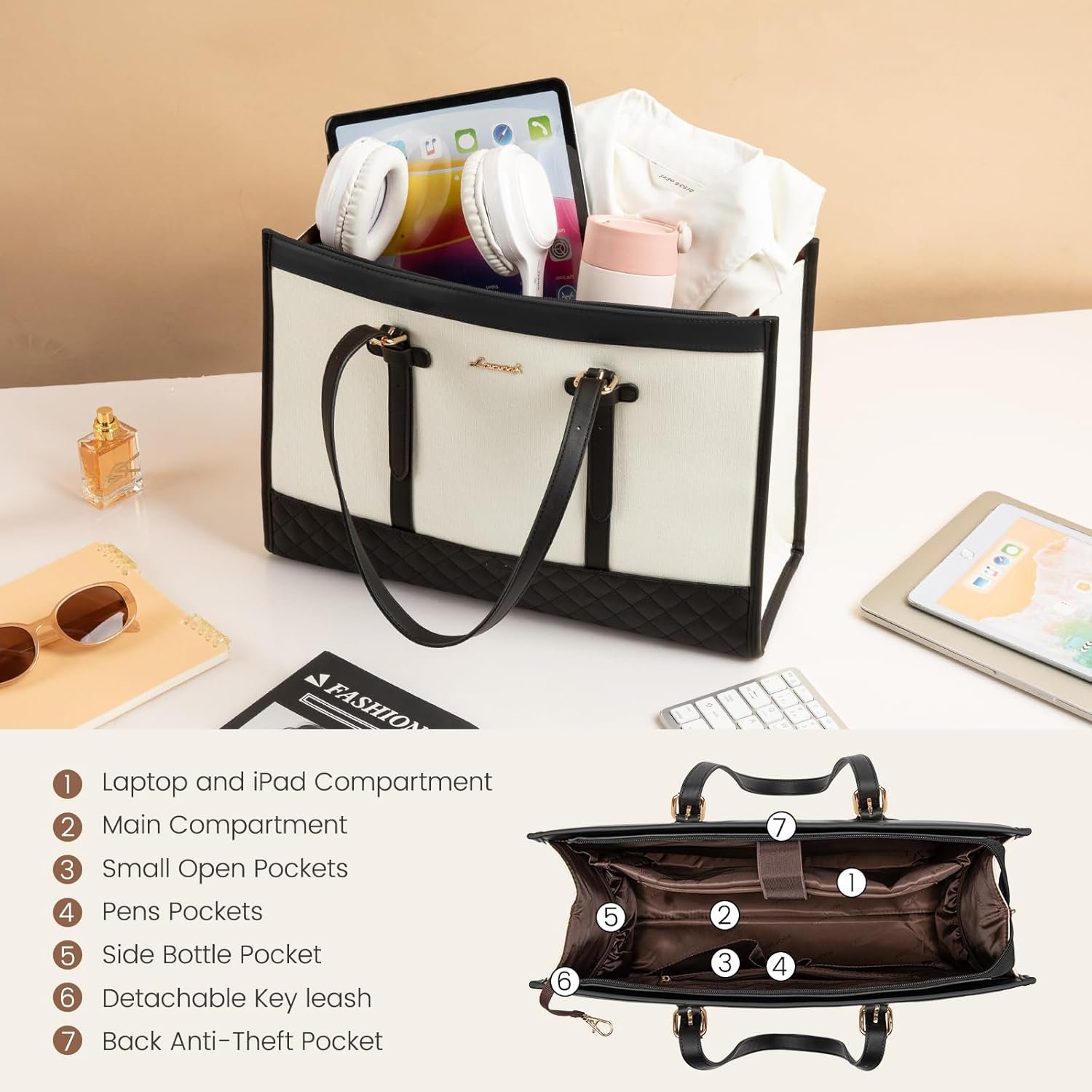
What construction techniques improve bottom durability?
Using reinforced stitching, reinforcement inserts, and strategic seam placement can significantly improve the bottom panel’s durability. Bar tacking, double stitching, and adding internal support layers (like PVC or EVA foam) provide extra strength to high-stress areas, ensuring that the bottom panel can withstand heavy loads, abrasions, and impacts over time.
What stitching methods add strength?
The stitching methods used in constructing the bottom panel affect its overall durability and strength under pressure. Choosing the right stitching technique is crucial for ensuring that the bag holds up under heavy loads.
Effective stitching methods:
- Double stitching: This method strengthens seams by using two lines of stitches, making the seams less likely to tear.
- Bar tacking: Reinforces areas of the bag where stress is highest, such as the bottom corners or where the straps attach.
- Overlocking stitches: This stitch type locks the fabric together at the edge, preventing it from unraveling and ensuring the bottom panel stays intact under stress.
| Stitch Type | Strength | Durability | Ideal Use |
|---|---|---|---|
| Double stitching | Very high | Very high | High-stress seams, reinforcement |
| Bar tacking | Very high | Very high | Stress points, strap attachment |
| Overlocking stitches | High | High | Prevents fabric unraveling |
Bar tacking is especially effective at stress points, where the shoulder straps and bottom panel meet. It ensures that these high-load areas don’t tear under pressure.
How to reinforce stress points?
Stress points, such as where the bottom panel meets the bag’s sides or where straps attach, need extra reinforcement to handle high tension. These points are subject to continuous pressure, so they must be designed with durability in mind.
Reinforcement strategies:
- Corner reinforcements: Adding triangular patches or double stitching at the corners ensures that the bottom panel doesn’t split or tear from frequent impacts.
- Reinforced strap attachments: Use heavy-duty stitching and bar tacking to secure straps to the bottom panel, preventing damage when carrying heavy loads.
- Padded layers: Adding a layer of foam or PVC inserts at the base can cushion the load, preventing excessive wear and tear.
| Stress Point | Reinforcement Method | Benefit |
|---|---|---|
| Bottom corners | Triangular patches, double stitching | Prevents tearing, adds shape |
| Strap attachments | Bar tacking, reinforced stitching | Increases load capacity, durability |
| Bottom padding | PVC inserts, EVA foam | Reduces impact, provides stability |
Use triangular reinforcements at the bottom corners and double stitching at the strap attachment points for extra strength and to distribute the load more evenly.
Do internal support layers matter?
Adding internal support layers inside the bottom panel helps distribute weight evenly and improves overall bag stability. This is especially important for heavy-duty bags used for travel or sports.
Types of internal support layers:
- PVC inserts: Provide a rigid structure and abrasion resistance, ideal for heavy-duty bags.
- EVA foam: Offers lightweight padding and impact protection, preventing damage to both the bag and its contents.
- TPU laminate: Adds a layer of waterproofing and abrasion resistance while maintaining flexibility.
| Support Layer | Function | Ideal Use |
|---|---|---|
| PVC inserts | Rigid, abrasion-resistant | Heavy-duty bags, outdoor use |
| EVA foam | Padding, lightweight | Travel bags, sports bags |
| TPU laminate | Waterproof, abrasion-resistant | Extreme conditions, rugged outdoor use |
How do you test and validate bottom panel strength?
Testing the strength of bottom panels for canvas bags is crucial to ensure long-term durability and reliability. Methods such as static load tests, abrasion resistance tests, and impact simulations help assess how well the bottom panel can handle heavy loads, friction, and real-world wear and tear. Field testing is also essential to see how the bag holds up in everyday use.
How to simulate real load tests?
Real-world use often places a dynamic load on a bag, especially when it’s picked up, dropped, or dragged. Simulating these conditions allows manufacturers to test the stress tolerance of the bottom panel without relying solely on theoretical calculations.
Real load test methods:
- Static load testing: Load the bag with weight (e.g., 20 kg) and test how the bottom panel handles compression and weight distribution over time. The fabric and stitching should hold without sagging or tearing.
- Dynamic stress testing: Simulate real-world movements, such as swinging or lifting the bag. This can involve lifting the bag repeatedly or dropping it from a height to test how the bottom holds up under impact.
- Stress cycling: Repeat the loading and unloading process to simulate frequent use. This test helps identify weak spots where repeated strain could lead to failure.
| Test Type | What It Measures | Ideal Outcome |
|---|---|---|
| Static load test | Bag’s ability to carry weight over time | No deformation, even load distribution |
| Dynamic stress test | Bag’s resistance to real-world handling | No wear or damage under normal use |
| Stress cycling | Bag’s durability under repetitive strain | No seam failure, no fabric deterioration |
For heavier-duty bags, it’s essential to conduct dynamic stress tests to simulate the real impact of sudden drops or forceful handling, which can reveal potential weak spots.
How to test abrasion & wear?
Abrasion resistance is one of the most critical factors in determining how well the bottom panel will hold up over time. Testing for abrasion simulates frictional wear from surfaces that the bag interacts with regularly.
Abrasion testing methods:
- Martindale Abrasion Tester: The fabric is rubbed against a rotating abrasive surface to simulate friction. The number of cycles the fabric can endure before showing signs of wear helps determine its abrasion resistance.
- Crocking test: Measures how well the fabric resists rubbing from external materials. This test is particularly useful for checking how well the bottom panel fabric holds up against rough surfaces or sharp edges.
- Drag test: Simulates the bag being dragged across rough surfaces. This helps assess how well the bottom panel’s material can handle the abrasion caused by frequent movement on floors, rocks, and other rough environments.
| Test Method | What It Measures | Ideal Outcome |
|---|---|---|
| Martindale Abrasion Test | Resistance to friction | 5000–10,000 cycles without damage |
| Crocking Test | Resistance to rubbing | No significant damage or discoloration |
| Drag Test | Abrasion resistance from dragging | No tear, fraying, or wear |
For bags that are frequently placed on rough surfaces, such as gym bags or travel duffles, using abrasion-resistant fabrics like reinforced canvas with TPU laminates is essential to ensure long-lasting durability.
Are field tests necessary before production?
Yes, field tests are critical for validating the performance of the bottom panel in real-world conditions. While lab tests can simulate controlled environments, they cannot fully replicate the stresses that come from actual user handling, environmental exposure, and frequent usage.
Why field tests matter:
- Real-world handling: Test how the bottom panel behaves under real-life usage, such as being dropped, dragged, or placed on rough surfaces.
- Environmental exposure: Ensure the bottom panel holds up under conditions like moisture, sunlight, and extreme temperatures, which can affect materials over time.
- User feedback: Field tests provide valuable user insights, including comfort, ease of use, and resilience under stress.
| Field Test Type | What It Measures | Ideal Outcome |
|---|---|---|
| Handling test | Performance under real-world conditions | No fabric wear or seam failures |
| Environmental test | Resistance to moisture, UV, temperature | Fabric remains intact and functional |
| User feedback | Comfort and practical use | User-friendly, durable under use |
Conducting real-world field tests before full-scale production helps identify potential weaknesses in the bottom panel, such as seam stress, abrasion points, or waterproofing issues. This helps reduce return rates and improves overall customer satisfaction.
How to reinforce bottom panels for durability?
To reinforce the bottom panel of canvas bags, consider using PVC inserts, EVA foam, or TPU coatings to add rigidity and abrasion resistance. These reinforcements should be strategically placed to protect against high-pressure points and abrasion while maintaining the bag’s flexibility. Using double stitching and bar tacking at stress points further strengthens the bottom panel’s durability.
What stitching methods add strength?
The stitching methods used to construct the bottom panel are crucial in ensuring the strength and longevity of the bag. Proper stitching reinforces the seams, especially at areas subjected to high stress.
Stitching methods to reinforce the bottom panel:
- Double stitching: Reinforces the seams with two parallel rows of stitching, helping to distribute stress evenly and preventing seam failure.
- Bar tacking: Adds reinforcement at key stress points (like where straps are attached) to prevent seam tearing.
- Box-X stitching: Used at corner seams and high-stress areas, providing extra support and ensuring the corners don’t break under heavy loads.
| Stitch Type | Strength | Durability | Ideal Use |
|---|---|---|---|
| Double stitching | Very high | Very high | High-stress seams, reinforcement |
| Bar tacking | Very high | Very high | Stress points, strap attachment |
| Box-X stitching | Very high | Very high | Corner seams, heavy-duty bags |
For heavy-duty bags, always use double stitching and bar tacking to reinforce the bottom panel, particularly at the corners and attachment points.
How to reinforce high-stress points?
High-stress points, such as where the bottom panel meets the sides or where straps are attached, should be reinforced to handle increased load and frequent handling.
Reinforcement strategies:
- Corner reinforcements: Use triangular patches or reinforced stitching at the corners to prevent fabric splitting.
- Strap attachments: Ensure the straps are securely attached with bar tacking and heavy-duty stitching to distribute weight evenly.
- Padded inserts: Add EVA foam or PVC inserts to reinforce the bottom without adding excessive weight.
| Stress Point | Reinforcement Method | Benefit |
|---|---|---|
| Bottom corners | Triangular patches, double stitching | Prevents tearing, adds shape |
| Strap attachments | Bar tacking, reinforced stitching | Increases load capacity, durability |
| Bottom padding | PVC inserts, EVA foam | Reduces impact, provides stability |
To avoid wear and tear on the high-stress points, always use reinforced stitching and additional padding at key areas like the corners and strap attachment points.
Conclusion
Building strong bottom panels for canvas bags requires careful attention to material selection, reinforcement, stitching methods, and testing. By using high-quality fabrics, reinforcements like PVC or EVA foam, and implementing strong stitching techniques, manufacturers can create durable bags that withstand abrasion, moisture, and heavy loads. Field testing ensures that these panels can perform under real-world conditions, increasing the bag’s overall longevity and customer satisfaction.
Customize your canvas bags with Szoneier
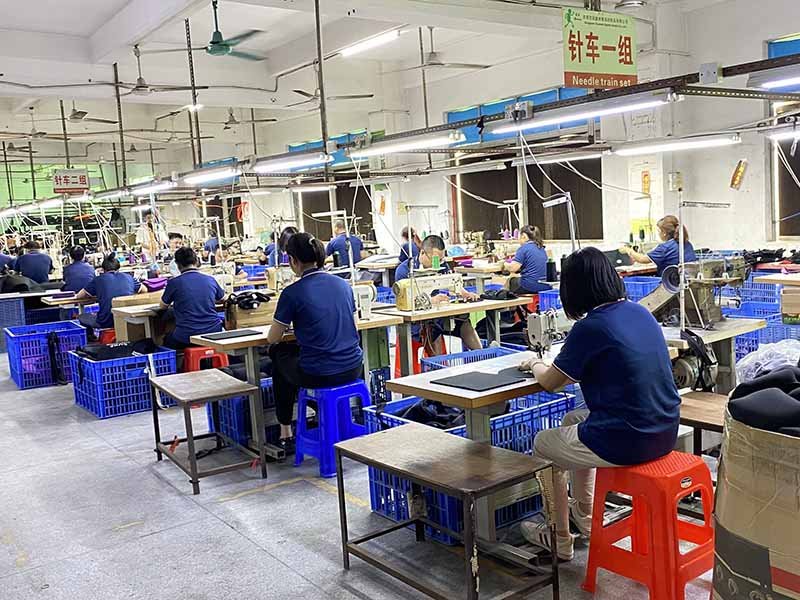
At Szoneier, we specialize in designing and manufacturing custom canvas bags with reinforced bottom panels for superior durability. With over 18 years of experience, we offer:
- Custom designs using durable fabrics like reinforced canvas
- Private label / OEM / ODM services to meet your brand needs
- Low MOQ for testing and fast prototyping
Contact Szoneier today to create durable, high-performance canvas bags tailored to your specifications. Request your custom canvas bag solution now!