Skip to content

A duffle bag can look premium, feel smooth, and have perfect branding—then lose all credibility the moment the shoulder strap fails. And strap failure doesn’t always mean a dramatic snap. More often it’s the slow problems customers hate: the webbing edges fuzz up, the buckle slips, a hook deforms, or the strap attachment starts tearing after a few weeks of gym-to-car-to-plane use. Once that happens, the whole bag feels “cheap,” even if the body fabric is great.
Engineering a strong shoulder strap is really about three things working together: load path (where force travels), material system (webbing + hardware + padding), and attachment engineering (stitching + reinforcement + panel structure). Brands that treat straps like an accessory usually pay later—through returns, warranty claims, and bad reviews.
To engineer strong shoulder straps for duffle bags, use high-tenacity webbing (nylon or polyester) sized to the real carrying load, choose hardware rated above expected peak force, and build reinforced strap anchors with proven stitch patterns (box-X plus bartacks). Add a shoulder pad that spreads pressure without causing the strap to twist, and verify performance with static load and cycle testing.
I’ve seen a 60L duffle survive years of travel simply because the strap anchor was overbuilt by a few centimeters of reinforcement—and I’ve seen “luxury-looking” bags fail because a cheap swivel hook bent on day one. Let’s start with what makes a strap truly strong.
What makes a shoulder strap strong?

A strong shoulder strap is one that resists breaking, slipping, and tearing at connection points under real carrying loads. Strength is not only webbing tensile strength—it also depends on strap width, hardware rating, stitch pattern, reinforcement layers, and how force transfers into the bag body. The strongest straps are engineered as a system: webbing + hardware + pad + anchor structure, then validated by load and fatigue tests.
What load forces act on a duffle bag strap?
Most people think straps only carry “weight.” In real use, the strap sees changing forces that spike higher than the bag’s static weight—especially when people drop the bag on a shoulder, run through airports, or lift it into a trunk.
Key forces the strap must handle:
- Static load: the actual packed weight (common range: 6–18 kg; heavy-duty duffles can reach 25 kg).
- Dynamic spikes: short bursts when the bag is swung up or set down hard (often 1.5–2.5× the static load).
- Shear and edge abrasion: webbing edges rubbing on D-rings, buckles, or the bag’s side panel.
- Twist and torsion: strap rotates when the pad doesn’t track well, stressing stitching and causing hardware wear.
| Real use moment | Force behavior | What fails first if underbuilt |
|---|---|---|
| Lifting one-handed | High localized tension | Anchor stitches creep/tear |
| Swinging onto shoulder | Dynamic spike (1.5–2.5×) | Hook deforms, buckle slips |
| Long walk with load | Continuous abrasion | Webbing edges fuzz, pad shifts |
| Overstuffed duffle | Higher strap angle stress | Side panel reinforcement tears |
If your duffle is marketed as “carry up to 20 kg,” build strap components for 30–40 kg equivalent to cover spikes and misuse.
What common failures happen with weak straps?
Weak straps almost always fail in predictable places. The useful trick is to design against the first failure, not the final break.
Most common strap failures (in order we see them):
- Hardware deformation Cheap swivel hooks bend or the spring gate fails. This happens fast, especially with heavy loads or cold weather.
- Adjustment slippage Ladder locks that don’t bite the webbing cause the strap to lengthen during walking.
- Anchor tearing The strap is strong, but the bag panel around it is not—so the fabric tears near the stitch line.
- Stitch fatigue Thread breaks after thousands of micro-movements. This often shows as loose stitch loops before a visible rip.
- Webbing edge abrasion Edges fuzz and thin out where webbing rubs against hardware or binding.
| Failure type | Typical cause | Early warning sign | Fix approach |
|---|---|---|---|
| Hook bends | Low-grade metal / thin wire | Gate misalignment | Upgrade hook rating/thickness |
| Strap slips | Smooth webbing + weak lock | Strap length changes | Change lock + add anti-slip weave |
| Anchor tear | No backing patch | Fabric puckers at stitch | Add reinforcement panel + wider stitch area |
| Thread breaks | Low thread strength / wrong needle | Stitch fuzz, skipped stitches | Stronger thread + correct needle + pattern |
| Webbing fuzz | Sharp hardware edges | Edge hairiness | Rounded hardware + edge binding or higher weave density |
In many returns, the webbing itself is still “fine.” The failure is usually hardware rating or anchor structure. So strength engineering starts at the connection points.
Quick strap engineering specs customers ask for
When brands contact a factory, these are the questions that decide the strap outcome:
- How much weight is the strap designed to carry (and for how long)?
- What webbing width and thickness will you use?
- What is the hardware material and strength grade?
- What stitch pattern and thread size are used at anchors?
- Is there reinforcement behind the anchor (and how big)?
Here’s a practical reference table you can reuse in client conversations:
| Duffle use case | Suggested strap width | Webbing type | Hardware suggestion |
|---|---|---|---|
| Gym / daily (6–12 kg) | 38 mm (1.5″) | Polyester or nylon | Strong plastic or light metal |
| Travel (10–18 kg) | 38–50 mm | Nylon (high-tenacity) | Metal hook + solid D-ring |
| Heavy-duty (15–25 kg) | 50 mm (2″) | Nylon (dense weave) | Heavy metal hook + thick D-ring |
Which materials work best for strong shoulder straps?
The best materials for shoulder straps include high-tenacity nylon and polyester webbing for strength, EVA foam or memory foam for padding, and heavy-duty metal hardware for buckles and hooks. These materials are designed to endure heavy loads, resist abrasion, and provide comfort, ensuring that the straps can withstand prolonged use without compromising performance.
Which webbing types are most durable?
The webbing of shoulder straps is crucial for carrying weight efficiently and ensuring the strap can withstand abrasion and heavy-duty use. Choosing the right webbing material is key to enhancing the overall durability and performance of the strap.
Top webbing types for strength and durability:
- Nylon webbing (1000D/1200D): This is the most durable and abrasion-resistant material used in heavy-duty straps. Nylon is a synthetic fabric that is strong, flexible, and resistant to fraying, making it ideal for outdoor use.
- Polyester webbing (1000D/1200D): Polyester webbing is known for its UV resistance and low moisture absorption, which makes it more durable in harsh weather conditions. It is also less prone to stretching than nylon, providing better load distribution over time.
- Cotton webbing: A softer material, cotton webbing is often used for lighter bags or fashion purposes, but it does not offer the same abrasion resistance or strength as nylon or polyester.
| Webbing Type | Durability | Comfort | Best Use |
|---|---|---|---|
| Nylon (1000D/1200D) | Very high | Medium | Heavy-duty bags, travel bags |
| Polyester (1000D/1200D) | High | Medium | Outdoor duffles, gym bags |
| Cotton | Low | High | Fashion bags, light-use |
For heavy-duty bags that will carry over 15 kg, nylon 1000D is the best choice for strength and durability. For outdoor or travel bags, polyester offers excellent UV resistance and long-term durability in the sun.
Which padding materials improve comfort?
When designing shoulder straps, comfort is as important as strength. Padding materials play a major role in ensuring that the weight of the bag is distributed evenly, reducing strain on the shoulder.
Top padding materials for shoulder straps:
- EVA foam: A lightweight and flexible material, EVA foam is ideal for providing basic cushioning and is widely used in travel and gym duffle bags. It helps absorb shock and ensures comfort during long-term wear.
- Memory foam: Offers superior comfort by contouring to the shoulder shape. This padding provides a customized fit and reduces pressure points, making it great for heavy-duty use and extended wear.
- Air mesh padding: Known for its breathability, air mesh is perfect for gym duffles or sports bags where moisture resistance is important. It is soft and comfortable, but not as durable as foam-based materials.
| Padding Type | Comfort Level | Weight | Durability | Best Use |
|---|---|---|---|---|
| EVA Foam | Medium | Lightweight | Medium | Travel duffles, gym bags |
| Memory Foam | Very high | Medium | High | Premium bags, heavy-duty |
| Air Mesh | High | Lightweight | Low | Sports bags, gym bags |
For luxury duffles, memory foam is the preferred choice due to its long-lasting comfort. For mid-range bags, EVA foam provides adequate cushioning at a lower cost.
Which hardware types hold up under stress?
Hardware components such as buckles, hooks, and D-rings are often exposed to high-stress forces and need to be made from durable materials to ensure the longevity of the shoulder strap.
Common hardware choices:
- Heavy-duty plastic buckles: These are lightweight and cost-effective but are not suitable for high-load applications. They are often used in lighter duffle bags and fashion bags.
- Metal buckles (aluminum, steel): Metal buckles offer stronger load-bearing capacity and are ideal for heavy-duty bags that carry significant weight. Aluminum buckles are lightweight, while steel buckles provide maximum strength.
- D-rings and connectors: Metal D-rings provide secure strap attachments, while swivel hooks allow for easy adjustments and secure fastening.
| Hardware Type | Durability | Weight | Best Use |
|---|---|---|---|
| Plastic buckles | Medium | Lightweight | Fashion bags, casual duffles |
| Metal buckles | High | Medium | Heavy-duty duffles, travel bags |
| D-rings & connectors | High | Medium | Adjustable straps, reinforced connection points |
For heavy-duty duffles, metal buckles (preferably steel or aluminum) are crucial for preventing failure under stress. For casual or fashion bags, plastic hardware is sufficient for lower-load capacities.
How do you design a cooler bag for outdoor abrasion?

Designing a cooler bag to resist abrasion involves selecting the right materials, structuring the bag for high-stress areas, and adding reinforcements to protect against rough outdoor conditions. Materials like nylon, PVC, and TPU are ideal for resisting friction. Reinforcements at stress points such as seams, zippers, and bottom panels ensure the bag holds up under extended exposure to abrasive surfaces.
How should panel layout support abrasion resistance?
The way a cooler bag is designed plays a crucial role in its abrasion resistance. The bag’s panel layout can either expose high-wear areas or protect them.
Designing for abrasion resistance:
- Bottom panel reinforcement: This is where the most friction occurs. A PVC-coated or TPU laminated fabric can significantly reduce wear. It is best to reinforce the bottom with an extra layer or plastic sheeting to handle constant rubbing against rough surfaces.
- Strategic seam placement: Place seams and stitching away from areas where they will experience high friction. Bonded thread (such as nylon or polyester) can also improve abrasion resistance.
- Edge protection: Use piping or binding along edges to prevent fabric fraying.
| Panel Area | Reinforcement Needed | Material Choice |
|---|---|---|
| Bottom panel | High | PVC-coated polyester, TPU |
| Side seams | Medium | Nylon 1000D, reinforced polyester |
| Edge protection | Medium | Polyester binding, fabric piping |
For cooler bags exposed to harsh conditions, ensure that the bottom panel and seams are made from abrasion-resistant and waterproof materials, with additional reinforcement stitching for durability.
How does strap width affect strength?
The width of shoulder straps is a critical factor in strength and comfort. The wider the strap, the more weight it can distribute across the shoulder, reducing the pressure on specific points.
How strap width impacts performance:
- Narrow straps are less comfortable under load and may cause shoulder fatigue quickly.
- Wide straps (38mm or 50mm) distribute weight better, making them ideal for heavy-duty use where the bag needs to carry more weight.
| Strap Width | Comfort | Load Distribution | Best Use |
|---|---|---|---|
| 25mm | Low | Poor | Light-use bags |
| 38mm | Medium | Moderate | Travel bags, gym bags |
| 50mm | High | Excellent | Heavy-duty duffles, hiking bags |
For heavy-duty duffle bags (carrying 15 kg+), a 50mm strap width helps distribute the load evenly and reduces shoulder strain.
How does shoulder pad design influence load distribution?
Shoulder pads play a critical role in distributing weight evenly, preventing straps from digging into the skin and causing discomfort.
Designing for comfort and performance:
- Padded shoulder straps: Use EVA foam or memory foam for padding, providing cushioning and reducing shoulder pressure.
- Ergonomic design: A curved shoulder pad that fits the natural contours of the body distributes weight better than flat designs.
- Air mesh: Helps to keep the shoulder cool and breathable, preventing sweating during long use.
| Shoulder Pad Design | Comfort Level | Weight Distribution | Best Material |
|---|---|---|---|
| EVA foam | Medium | Moderate | EVA foam |
| Memory foam | Very high | Excellent | Memory foam |
| Air mesh | High | Moderate | Air mesh |
For luxury bags or heavy-duty travel bags, combining memory foam padding with air mesh provides both comfort and breathability.
How do you test shoulder straps for strength and longevity?
Testing shoulder straps involves measuring their load-bearing capacity, resistance to wear, and performance under real-world use. Effective testing methods include static load tests, dynamic stress tests, and real-world simulations. These ensure the straps can handle both static weight and dynamic movements without compromising strength or comfort.
How to simulate real load tests?
Real-world use often puts shoulder straps through dynamic and static loads. Simulating these conditions helps manufacturers test the straps’ true strength and endurance.
Key load tests:
- Static load test: This test involves loading the bag with weight (e.g., 15 kg) and hanging it from the shoulder straps. The straps should hold the weight without slipping, stretching, or breaking.
- Dynamic stress test: This simulates the movement of a user carrying the bag. The bag is swung, dropped, and lifted repeatedly to simulate real-world handling.
- Drop test: The bag is dropped from varying heights onto hard surfaces to simulate how the straps will hold up to impacts.
| Test Method | What It Simulates | Ideal Outcome |
|---|---|---|
| Static load test | Carrying weight over time | No deformation or failure at 15 kg |
| Dynamic stress test | Movement, swinging, lifting | No stretching or tearing of straps |
| Drop test | Bag impacts from drops | No damage to hardware or seams |
Dynamic tests are crucial for simulating the unexpected forces that straps experience when users quickly grab or adjust the bag.
How to measure fabric and bag abrasion performance?
Measuring how well shoulder straps hold up to abrasion is a vital part of testing. Abrasion damage can lead to seam failure, webbing fraying, and padding loss, all of which significantly affect the bag’s durability.
Abrasion performance testing methods:
- Martindale Abrasion Tester: This test measures how well the fabric withstands repeated friction. The bag’s strap is rubbed against a test surface, and the number of cycles it takes for the fabric to show signs of damage is recorded.
- Crocking test: This measures how the fabric reacts to continuous rubbing, simulating friction between the shoulder and strap.
- Load-bearing abrasion test: The strap undergoes testing while it carries weight, simulating real-life conditions like dragging the bag across rough surfaces.
| Test Method | What It Measures | Ideal Outcome |
|---|---|---|
| Martindale test | Fabric wear | 5000–10,000 cycles without damage |
| Crocking test | Friction response | No significant discoloration or damage |
| Load-bearing test | Strap wear under weight | No seam damage or material breakage |
Focus on high-stress zones like seams, strap attachments, and hardware points. Use high-quality materials and reinforce weak areas with strong stitching.
Are field tests necessary before mass production?
Yes, field testing is essential to ensure that the duffle bags’ shoulder straps perform in real-life conditions. While lab tests can simulate stress and load, only field tests reveal how the straps react to prolonged wear, environmental exposure, and repeated dynamic forces.
Field testing steps:
- Simulate long-term use: Have testers wear the bags over long distances or periods, including hiking, travel, or daily activities.
- Check for wear and tear: Pay attention to how straps hold up after multiple wear and tear scenarios—are there signs of fraying or stitching failure?
- Assess comfort: Evaluate how the straps perform in comfort, including padding compression and adjustment flexibility over time.
| Test Type | What It Measures | Ideal Outcome |
|---|---|---|
| Long-term wear test | Durability over extended use | No visible damage or discomfort |
| Comfort test | Shoulder padding performance | No pressure points or discomfort |
| Stress test | Straps under real-world stress | No slippage, fraying, or breaking |
Real-world testing provides critical data that lab tests can’t replicate. It’s best to gather feedback from users who experience varied environmental conditions.
How to reinforce seams and fasteners for durability?
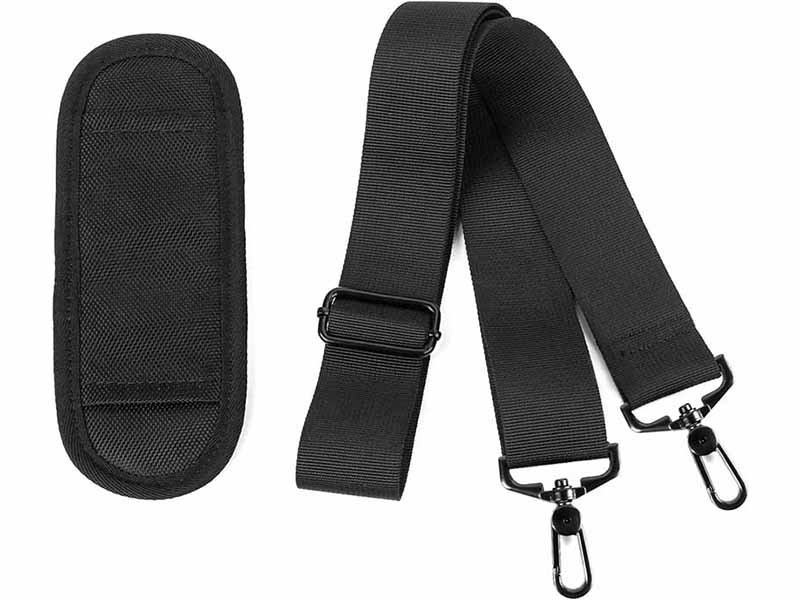
Reinforcing seams and fasteners is critical for shoulder strap durability. Double stitching, bartacking, and re-enforced thread are essential for ensuring that the strap won’t tear or separate under pressure. Choosing strong, high-quality metal hardware and reinforced fasteners like swivel hooks or D-rings adds further strength to high-stress areas, improving the bag’s lifespan.
What sewing methods strengthen wear points?
Reinforced sewing techniques are essential for preventing seam failures, which are often the first places straps will break under load.
Common reinforcement methods:
- Double stitching: Adds extra durability and reduces seam failure.
- Bartacking: Involves stitching over stress points, like the anchor points where the strap attaches to the bag, ensuring it holds up under load.
- Box-X stitch: This pattern is used at stress points like the base of the strap where it connects to the bag, distributing the load evenly across the surface.
| Technique | Purpose | Benefits |
|---|---|---|
| Double stitching | Reinforce seams and edges | Added strength and reliability |
| Bartacking | Strengthen anchor points | High stress tolerance |
| Box-X stitching | Reinforce strap-base junction | Increased durability at key stress points |
For high-load bags, bartacking at key connection points is a must. This reinforces high-stress areas, such as handle to bag and strap to base connections, where failure is most likely.
How to integrate protective trims or guards?
To prevent wear and tear on high-stress areas like the strap edges and seam corners, adding protective trims or guards can significantly improve the longevity of shoulder straps.
Protective methods:
- Rubber or leather edge guards: Protect strap edges from abrasion against hard surfaces.
- Reinforced bottom panels: Adding TPU or PVC-coated fabric to the strap’s base or the bag’s bottom helps resist abrasion when the bag is placed on rough terrain.
- Padding over hardware: Add foam or fabric layers over fasteners and hooks to prevent wear on the fabric and reduce pressure points.
| Guard Type | Placement Area | Protection Level |
|---|---|---|
| Rubber/leather edge guards | Strap edges, stress points | High |
| Reinforced panels | Bottom of the bag | Very high |
| Padding over hardware | Strap attachment points | Medium |
Consider reinforced PVC or TPU for the bottom panel—these materials are highly abrasion-resistant and protect the bag during daily use.
Do additional coatings help longevity?
Yes, additional coatings can greatly enhance the longevity of shoulder straps by providing extra protection against abrasion, water and UV damage. Coatings like PU, PVC, or TPU lamination help create a protective layer that reduces wear while maintaining the strap’s flexibility and comfort.
What coatings provide the best protection?
Applying coatings to fabric helps prevent damage from external factors like abrasion, water, and UV exposure.
Types of protective coatings:
- PU (Polyurethane) coating: A flexible and lightweight coating that provides water resistance while maintaining the material’s softness.
- PVC coating: A heavier coating that adds strong abrasion resistance and waterproofing but can make the material less flexible.
- TPU (Thermoplastic Polyurethane) lamination: Provides excellent abrasion resistance and waterproofing while maintaining the bag’s flexibility.
| Coating Type | Benefits | Best Use Case |
|---|---|---|
| PU coating | Water resistance, flexibility | Mid-range bags, light duffles |
| PVC coating | Strong abrasion resistance, waterproof | Heavy-duty outdoor bags |
| TPU lamination | High abrasion resistance, waterproof | Premium travel bags |
For high-traffic, high-abrasion areas, TPU lamination is the best option, as it combines durability with flexibility and is particularly useful in cooler bags and travel gear.
Final thoughts on designing strong shoulder straps
Building strong shoulder straps for duffle bags is an ongoing process of choosing the right materials, reinforcement methods, and testing approaches. The ultimate goal is to create straps that can handle heavy loads, frequent use, and tough conditions without compromising comfort or durability. By focusing on materials such as nylon, polyester, and memory foam padding, while using reinforced stitching, metal hardware, and abrasion-resistant coatings, you can design straps that truly endure.
Customize your shoulder straps with Szoneier
At Szoneier, we specialize in creating durable, custom shoulder straps for duffle bags that withstand harsh outdoor conditions. With over 18 years of manufacturing experience, we offer:
- Custom duffle bags and shoulder straps made from premium materials like nylon, polyester, and EVA foam
- Private label / OEM / ODM services
- Low MOQ for quick sampling and product testing
- Expert advice on materials, design, and testing
Contact Szoneier today for custom shoulder straps engineered to provide strength, comfort, and durability.
Request your custom design now!