Skip to content
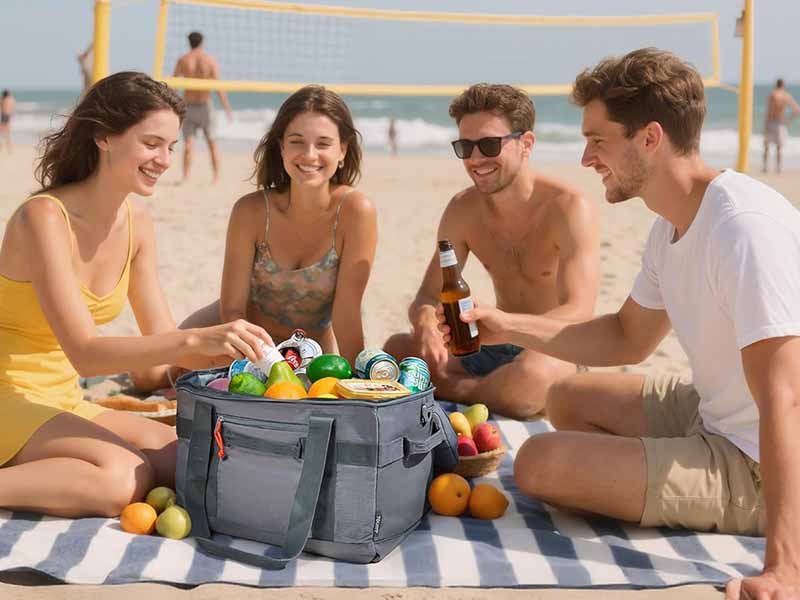
Outdoor activities like hiking, camping, or a day at the beach demand more from cooler bags than just keeping beverages cold. Durability is a key factor, especially in abrasion resistance. Cooler bags are constantly exposed to harsh environments—rocks, rough surfaces, sand, and even the weight of the items inside. Without proper abrasion resistance, a cooler bag will quickly show wear and tear, compromising both its functionality and appearance.
To build a cooler bag that can withstand such challenges, choosing the right materials, smart design features, and durable construction methods is crucial. These elements, when combined, ensure that the bag maintains its structural integrity under tough outdoor conditions.
Building cooler bags that resist abrasion requires using durable materials like high-density nylon, PVC, and TPU, reinforced with strong stitching and zippers. Design should include robust seams, abrasion-resistant coatings, and strategic reinforcement at high-stress areas. Testing with real-world outdoor conditions helps identify weak points before mass production, ensuring bags perform well over time.
In fact, a brand once had to recall their cooler bags after a few weeks of outdoor use, simply because the seams weren’t reinforced properly. A few design adjustments fixed that issue, and customer satisfaction improved. Let’s dive deeper into how we can make your cooler bags last longer and stay durable under rough conditions.
What makes abrasion resistance important for cooler bags?
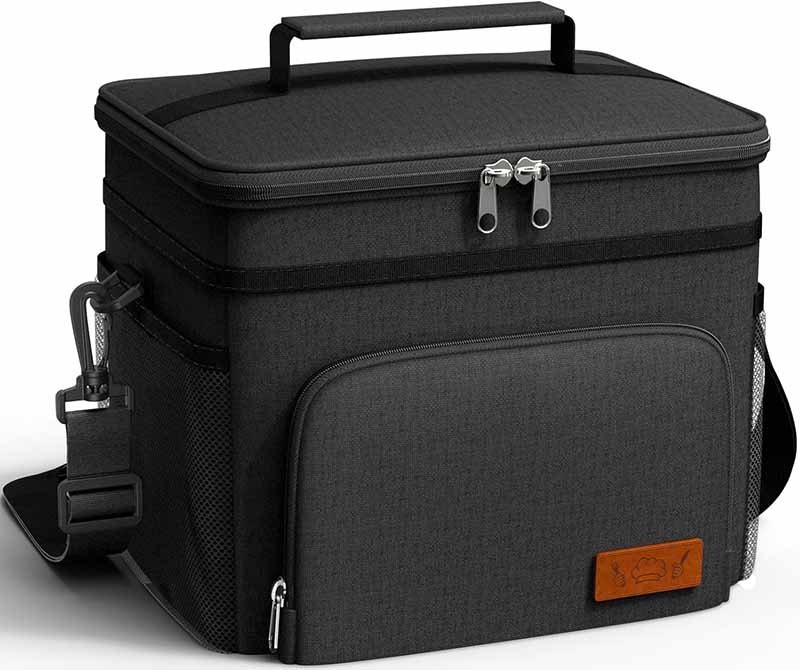
Abrasion resistance is crucial for cooler bags because these bags are exposed to rough environments where continuous rubbing against surfaces can damage the fabric, seams, and zippers. Without sufficient abrasion resistance, the bag’s ability to keep items cool diminishes, leading to wear and tear that shortens its lifespan and affects its overall performance.
What outdoor conditions cause abrasion damage?
Outdoor cooler bags experience friction in various ways depending on their use. Abrasion damage occurs when bags are dragged on rough surfaces, exposed to grit, or come into contact with sharp objects. These conditions result in the breakdown of fabrics, seams, and zippers, often leading to permanent damage.
Key conditions leading to abrasion damage:
- Rough terrain (rocks, gravel): Constant rubbing against surfaces like rocks or gravel can cause fabric to tear.
- Sharp objects (branches, tools): Small punctures or abrasions from sharp objects can weaken the fabric.
- Repeated use (friction, dragging): Bags dragged over hard surfaces wear down the material faster.
| Condition | Type of abrasion | Resulting damage |
|---|---|---|
| Rocky terrain | Fabric scraping | Tears or frays in the outer layer |
| Sharp objects | Scratches or punctures | Weakens fabric integrity |
| Constant dragging | Friction | Worn fabric, damaged seams |
By choosing materials that are abrasion-resistant and adding reinforcements in high-wear areas, brands can significantly extend the life of their cooler bags. Additionally, coatings or laminates can be used to increase the fabric’s resistance to wear.
What failures occur when abrasion resistance is poor?
When a cooler bag’s abrasion resistance is insufficient, it often leads to visible damage and loss of functionality. This can occur in various forms, affecting the durability and usability of the bag.
Common failures due to poor abrasion resistance:
- Torn or worn fabric: The outer fabric begins to fray or develop holes, compromising the bag’s appearance and functionality.
- Broken seams: Abrasion at high-stress points such as the zipper area or corners causes seams to split, leading to the bag falling apart.
- Deformed shape: Continuous friction can cause the bag to lose its shape or structure, making it difficult to carry or store.
- Damaged zippers or fasteners: Zippers get stuck or break due to repeated exposure to rough surfaces.
| Failure type | Cause | Effect |
|---|---|---|
| Fabric wear | Rough surfaces | Permanent holes or tears |
| Seam splits | Stress points | Bag loses integrity |
| Shape deformation | Constant friction | Difficult to use, poor aesthetics |
| Zipper malfunction | Dirt or grit | Zipper gets stuck or breaks |
To avoid these failures, it’s essential to use high-quality, abrasion-resistant materials and incorporate strong reinforcement techniques.
Which materials resist abrasion best for cooler bags?
To ensure abrasion resistance in cooler bags, materials such as high-density nylon (1000D or 1200D), PVC-coated polyester, and TPU fabrics are most effective. These materials offer a great balance of durability, flexibility, and weather resistance, making them ideal for outdoor cooler bags. Reinforcing these materials with additional coatings can further increase their abrasion resistance.
Which outer fabrics are most abrasion resistant?
The outer fabric of a cooler bag is the first line of defense against external damage. To improve abrasion resistance, it is crucial to select a fabric that balances strength, flexibility, and weather resistance.
Top fabrics used for outdoor cooler bags:
- 1000D/1200D Nylon: Known for its excellent abrasion resistance and flexibility, this material is durable enough to withstand continuous friction.
- PVC-coated polyester: Provides high durability and water resistance, making it ideal for rugged conditions.
- TPU-coated fabrics: TPU offers superior abrasion resistance, flexibility, and weather resistance, ideal for harsh environments.
- Reinforced polyester: Offers decent abrasion resistance at a more affordable price point.
| Material | Abrasion resistance | Durability | Cost |
|---|---|---|---|
| 1000D/1200D Nylon | Very high | High | Medium |
| PVC-coated polyester | Very high | Very high | Medium |
| TPU-coated fabric | Extremely high | High | High |
| Reinforced polyester | Medium | Medium | Low |
When choosing fabrics, brands should consider both abrasion resistance and user comfort. Too stiff a fabric can make the bag difficult to carry, so a balance is key.
Which inner insulation layers affect durability?
The inner insulation layer plays an important role in both the thermal efficiency and abrasion resistance of cooler bags. Materials used in the insulation layer must withstand external wear without losing their functionality.
Top insulation materials for cooler bags:
- Polyethylene foam: Known for its excellent resistance to abrasion and superior insulation properties, making it ideal for heavy-duty cooler bags.
- EVA foam: Lightweight and resilient, EVA foam is a good option for cooler bags that need both durability and insulation.
- Polyester felt: Though not as durable as EVA, felt is more affordable and still offers decent performance for general-purpose cooler bags.
| Insulation type | Durability | Insulation efficiency | Cost |
|---|---|---|---|
| Polyethylene foam | High | Very high | Medium |
| EVA foam | Medium | High | Medium |
| Polyester felt | Medium | Medium | Low |
For outdoor cooler bags that are frequently exposed to abrasion, Polyethylene foam or EVA foam should be the preferred insulation materials. These options strike the right balance between durability and thermal efficiency.
Are reinforced edges or panels necessary?
Yes, reinforcing edges and panels is a key factor in improving abrasion resistance. Cooler bags often experience the most wear around the edges and bottom, especially when they are dragged across rough surfaces or packed heavily.
Benefits of reinforced edges and panels:
- Prevents fabric fraying: Reinforced edges reduce the chance of the fabric fraying due to friction.
- Enhances structural integrity: Reinforced panels help maintain the bag’s shape under heavy use.
- Increases longevity: Adds durability to the bag, preventing it from breaking down quickly.
| Area | Reinforcement method | Result |
|---|---|---|
| Edges | Nylon or PVC binding | Prevents fraying, keeps bag intact |
| Bottom panel | Extra layer of PVC or TPU | Stronger base, better protection |
| Seams | Double stitching or bartacks | Prevents seam breakage |
PVC-coated fabrics or TPU reinforcements at the bottom and edge areas of cooler bags significantly improve wear resistance, making them last longer in outdoor environments.
How do you design a cooler bag for outdoor abrasion?
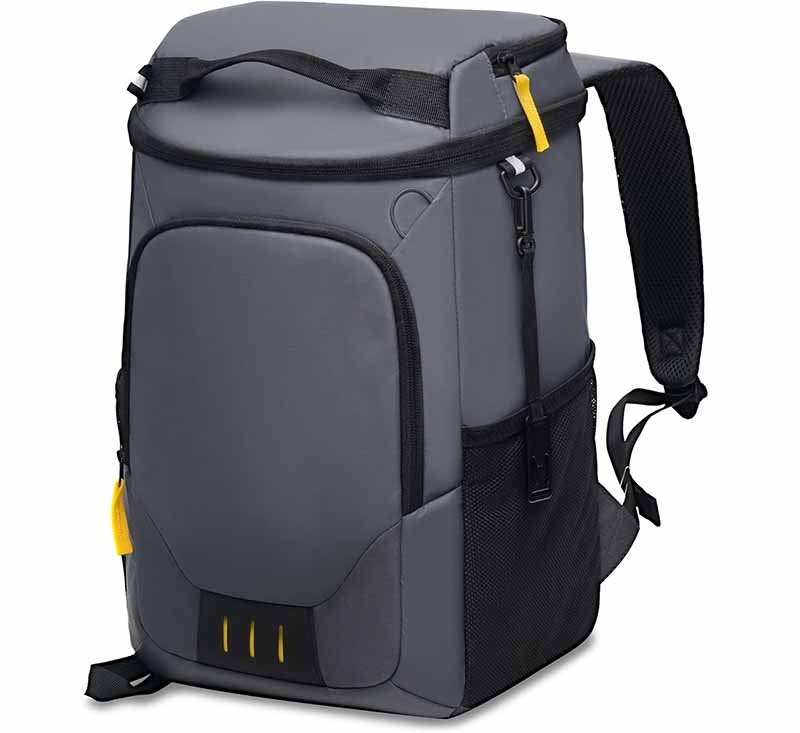
Designing a cooler bag for outdoor abrasion involves selecting durable materials, structuring the bag to minimize friction, and reinforcing high-wear points. The panel layout should provide support in high-stress areas, while seams and reinforcements ensure the bag holds up against continuous exposure to rough surfaces. Balancing weight and durability helps maintain the bag’s functionality without compromising user comfort.
How should panel layout support abrasion resistance?
The panel layout in a cooler bag is crucial for determining how it will perform under outdoor conditions. Abrasion resistance is not just about the fabric; the way the panels are placed influences the bag’s durability.
Key design considerations for abrasion-resistant layout:
- High-stress areas: Panels that face constant wear, like the bottom, side seams, and handle attachment points, should be reinforced or made of abrasion-resistant fabric such as nylon 1000D or PVC-coated polyester.
- Panel distribution: Avoid placing multiple high-friction areas in the same location. For example, putting the bottom panel directly in contact with rough terrain can cause excessive damage.
- Balanced weight distribution: When bags carry heavier loads, distributing the weight evenly across all panels helps reduce wear on a single area.
Factory insight: Reinforcing areas where the bag is most likely to come in contact with rocks, sand, or uneven ground prevents fast wear. Bottom panels and stress points (like the seam areas) need the strongest materials and construction methods.
| Panel area | Reinforcement needed | Suggested material |
|---|---|---|
| Bottom panel | High | PVC-coated polyester, EVA foam |
| Side seams | Medium | Nylon 1000D, heavy-duty polyester |
| Handle areas | High | Reinforced nylon, polypropylene |
Design tip: Use thicker material for the bottom panel and lower side panels since these areas bear the brunt of friction during use.
How do seams and reinforcements help?
Seams are the most vulnerable part of a cooler bag when it comes to abrasion. Without proper reinforcement, seams can break, causing the bag to lose its functionality and shape.
Key methods for reinforcing seams:
- Double stitching: Double stitching is a technique where a seam is sewn twice to increase its strength. This reinforcement is vital for high-stress seams (e.g., where the bottom panel meets the side panels).
- Bartacking: This method involves sewing back and forth over a specific area of the seam to reinforce it. Bartacking is particularly useful for areas where the bag undergoes the most strain, such as handles and zipper areas.
- Reinforced stitching: Adding extra layers of stitching along critical seams provides more resistance to abrasion and stress.
Factory insight: It’s essential to use stronger thread (such as nylon or polyester) when reinforcing seams, as these threads are more durable and resistant to wear.
| Reinforcement technique | Use case | Benefit |
|---|---|---|
| Double stitching | Seams, stress points | Reinforced strength |
| Bartacking | Zipper ends, handle areas | Increased seam durability |
| Reinforced stitching | High-wear seams | Prevents fabric separation |
Reinforced seams significantly extend the bag’s lifespan by ensuring it holds together under stress, reducing the likelihood of seam failure in rough conditions.
How to balance weight vs durability?
Balancing weight and durability in cooler bags is a constant challenge. While heavier fabrics like PVC or thicker nylon can provide excellent durability, they may make the bag cumbersome. On the other hand, using lighter materials can compromise the bag’s strength.
Strategies for balancing weight and durability:
- Layering techniques: Use a lightweight outer layer for flexibility and reinforce with a stiffer inner layer (like EVA foam or TPU).
- Smart material choices: Select nylon 1000D for high-wear areas (bottom panels, seams) but use lighter polyester or ripstop nylon for the body to reduce overall weight.
- Targeted reinforcement: Focus reinforcement efforts on critical areas such as the bottom and corners while keeping other parts lighter.
| Material choice | Weight | Durability | Best use case |
|---|---|---|---|
| Nylon 1000D | Medium | Very high | Bottom, handles, seams |
| PVC-coated polyester | Heavy | Very high | Base, high-stress areas |
| Polyester ripstop | Light | Medium | Main body, pockets |
| EVA foam | Medium | High | Insulation, extra protection |
Use nylon or polyester for the body and PVC or EVA for reinforcement. This provides an optimal balance between durability and weight.
What construction techniques improve abrasion resistance?
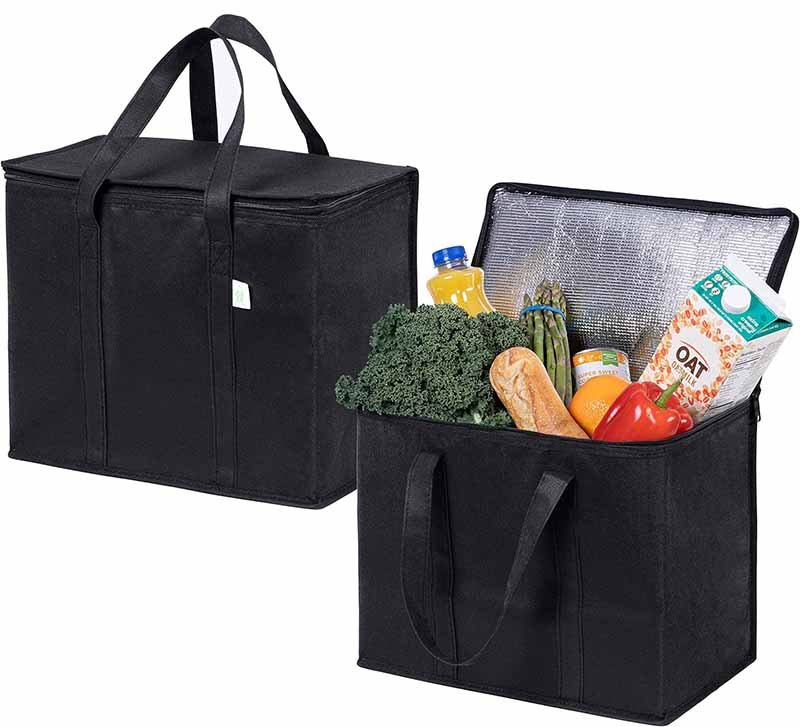
Effective construction techniques, including reinforced seams, double stitching, and the addition of protective trims, significantly improve a cooler bag’s resistance to abrasion. Using techniques such as bartacking at stress points and reinforcing corners ensures that the bag can withstand constant friction and wear, maintaining its functionality and durability in harsh outdoor conditions.
What sewing methods strengthen wear points?
The sewing methods used in constructing cooler bags directly impact their ability to withstand abrasion and other outdoor conditions. For high-wear areas such as corners, seams, and handle attachments, it’s crucial to employ stronger stitching techniques to ensure durability.
Key sewing methods for improving durability:
- Double stitching: Reinforces stress areas to prevent seam failure, especially along high-stress seams and zippers.
- Bartacking: Reinforces areas with repetitive friction or tension, like handle attachments and corners.
- Topstitching: Adds additional stitching along the edges to prevent fabric from unraveling or fraying.
| Method | Purpose | Benefits |
|---|---|---|
| Double stitching | High-stress seams | Provides extra strength to seams |
| Bartacking | Stress points (handles, zippers) | Reinforces heavy-use areas |
| Topstitching | Edge reinforcement | Prevents fraying, adds structure |
Bartacking at the handle anchor points and corners ensures that the cooler bag holds up under constant loading and heavy-duty use.
How to integrate protective trims or guards?
Adding protective trims or guards around high-wear areas can greatly enhance the bag’s ability to resist abrasions and wear over time. These reinforcements act as buffers between the fabric and the rough environments that cause damage.
Key areas to integrate protection:
- Bottom panels: Use reinforced PVC or rubberized bottom panels to prevent damage when the cooler bag is placed on rough surfaces.
- Corners: Reinforced corners made of leather or rubberized fabric help protect against corner abrasions, especially in bags dragged along the ground.
- Edges: Adding fabric piping or binding to the edges provides extra protection and keeps the fabric from fraying.
| Reinforced area | Material used | Purpose |
|---|---|---|
| Bottom panel | PVC, rubberized fabric | Protects from rough surfaces |
| Corners | Leather, reinforced polyester | Prevents corner wear |
| Edges | Fabric piping, nylon binding | Prevents fabric fraying |
Use rubberized fabrics for the bottom of the bag and leather reinforcements for the corners to prevent wear without compromising the bag’s flexibility.
Do additional coatings help longevity?
Direct answer (≤70 words) Additional coatings, such as TPU lamination or PVC coating, can greatly enhance the durability and abrasion resistance of cooler bags. These coatings provide a protective layer that increases abrasion resistance, waterproofing, and UV protection. However, it’s essential to balance the thickness of the coating to avoid stiffness and maintain flexibility.
What coatings provide the best protection?
Coatings serve as an added layer of defense against the elements, especially for cooler bags that are exposed to harsh environments.
Types of protective coatings:
- PVC coating: Provides robust protection against abrasion, punctures, and water, but it can be stiff.
- TPU lamination: Offers excellent abrasion resistance while maintaining flexibility and lightness. TPU is especially good for waterproofing.
- Silicone coating: Ideal for moisture resistance and flexibility, silicone helps bags resist wear while remaining pliable.
| Coating type | Protection level | Material flexibility | Use case |
|---|---|---|---|
| PVC coating | High | Low | High-abrasion areas |
| TPU lamination | Very high | High | Lightweight, outdoor bags |
| Silicone coating | Medium | High | Wet environments, flexibility |
Use TPU or silicone coatings for bags that need waterproofing and abrasion resistance without losing flexibility.
How do you test abrasion resistance in cooler bags?
Testing abrasion resistance in cooler bags requires combining lab-based material testing with realistic outdoor simulations. Effective testing focuses on how fabrics, seams, reinforcements, and coatings behave under friction, load, moisture, and repeated contact with rough surfaces. Proper testing helps identify weak points early and prevents large-scale quality failures after mass production.
How to simulate outdoor wear and tear testing?
Outdoor abrasion rarely happens in clean, controlled ways. Cooler bags are dragged, dropped, leaned against rocks, loaded unevenly, and exposed to dirt and moisture at the same time. Good abrasion testing must reflect this reality instead of relying on a single lab number.
Common simulation methods used in development:
- Drag testing: Loaded cooler bags are pulled across concrete, gravel, or rough flooring for set distances (e.g. 50–100 meters).
- Weighted friction testing: Bags filled with 8–15 kg are placed on abrasive surfaces and moved repeatedly to stress bottom panels and corners.
- Cycle-based handling tests: Bags are lifted, set down, and repositioned 100–300 times to simulate repeated campsite or vehicle use.
| Simulation method | Target area | Failure signs |
|---|---|---|
| Drag test | Bottom panel, corners | Surface wear, coating loss |
| Weighted friction | Base seams | Seam fuzzing, stitch exposure |
| Handling cycles | Handles, side panels | Panel deformation, tearing |
Abrasion damage often appears first at material transitions—where coated fabric meets binding, or where reinforced panels meet standard fabric. These junctions deserve extra attention during testing.
How to measure fabric and bag abrasion performance?
While simulations show real behavior, quantitative measurement helps compare materials and suppliers. The key is knowing what numbers actually matter for cooler bags, not just passing a generic textile test.
Common measurement approaches:
- Fabric abrasion cycles: Using standardized abrasion testers to measure how many rubs a fabric survives before visible damage.
- Coating loss evaluation: Measuring how much coating thickness or surface texture changes after abrasion.
- Seam abrasion resistance: Rubbing seams directly to see whether thread or fabric fails first.
| Test focus | Practical benchmark |
|---|---|
| Outer fabric | No fiber breakage after 5,000–10,000 cycles |
| Coated surface | No peeling or cracking after abrasion |
| Seam zone | Stitch remains intact, no seam opening |
Important clarification: A fabric with high abrasion cycles can still fail as a bag if:
- Coatings crack under flexing
- Seams abrade faster than panels
- Reinforcement layers delaminate
That’s why bag-level testing always matters more than fabric-only data.
Are field tests necessary before mass production?
Yes—especially for cooler bags intended for camping, fishing, off-road travel, or industrial use. Lab tests show potential; field tests reveal unexpected behaviors.
What field tests uncover that labs don’t:
- How mud, sand, and moisture accelerate abrasion
- Whether reinforced bottoms become too stiff on uneven ground
- How weight shifts affect panel wear
- Whether coatings feel sticky, noisy, or brittle in cold or heat
Typical pre-production field test setup:
- 3–5 sample bags
- 7–14 days of outdoor use
- Mixed environments: car trunk, campsite, beach, rough flooring
| Field condition | What to observe |
|---|---|
| Rough ground | Bottom scuffing pattern |
| Vehicle transport | Corner wear |
| Wet environment | Coating integrity |
| Repeated loading | Seam stability |
If a cooler bag survives two weeks of uncontrolled outdoor use without structural damage, it is usually safe for scaled production with consistent QC.
Customize your abrasion-resistant cooler bags with Szoneier
At Szoneier, we specialize in designing and producing high-performance cooler bags that stand up to abrasion, heavy use, and outdoor conditions. With over 18 years of expertise in manufacturing, we offer:
- Custom designs for cooler bags made from high-quality materials like PVC, nylon, and EVA
- Private label / OEM / ODM options
- Low MOQ for customization and quick samples
- Fast prototyping with real-world testing feedback
Contact Szoneier today to create cooler bags that perform in the toughest conditions.
Reach out for your custom cooler bag project!