Skip to content
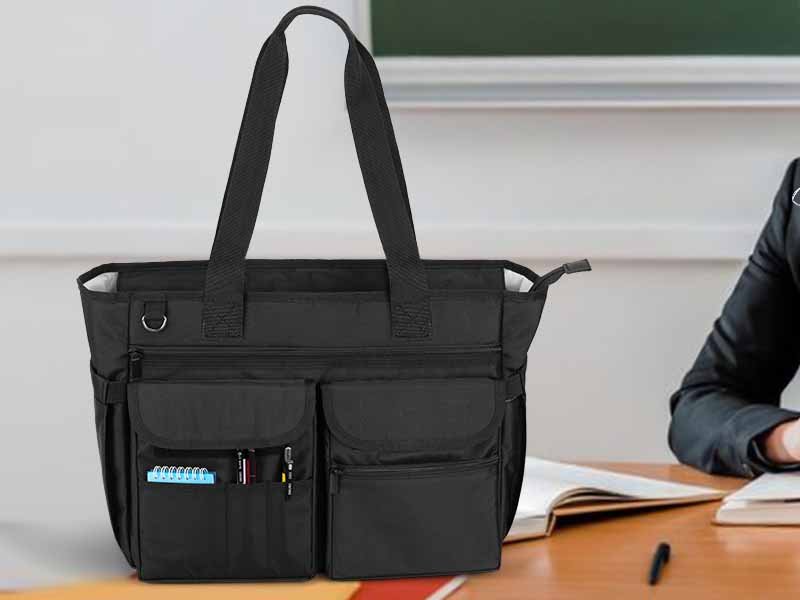
A tote bag that stands on its own doesn’t just look nicer on a product page—it sells better in real life. Customers notice it immediately: the bag feels “built,” easier to pack, easier to keep organized, and more premium even before they touch the logo. The tricky part is that “stand-up shape” is not one decision. It’s what happens when fabric stiffness, inside support, base design, and sewing choices all line up.
Here’s the key reality factories see every day: two tote bags can use the same canvas, same size, even the same pattern—yet one stays upright and the other collapses after a week. The difference is usually hidden inside the bag: the wrong lining, no base support, weak seam structure, or handles pulling the side walls inward. To improve stand-up shape for tote bags, you need a controlled structure system: choose an outer fabric with stable weave recovery, add internal support (interfacing, foam, or stiff board), build a bottom that distributes load (gusset/boxed base + insert), and keep sewing consistent (seam width, top edge reinforcement, handle anchors). Thickness alone rarely fixes a collapsing tote.
I once saw a “premium” tote fail during a brand’s photo shoot—standing perfectly in the factory, then slumping after being stuffed with catalogs. One small structural change saved the next production run. Let’s walk through what really controls stand-up shape.
What affects stand-up shape in tote bags?
Stand-up shape in tote bags is controlled by five things: (1) fabric stiffness and recovery, (2) internal support layers, (3) bottom geometry and reinforcement, (4) seam structure and stitch consistency, and (5) handle placement pulling force. Most “floppy tote” problems happen because these elements fight each other—like stiff outer fabric paired with soft lining and no base insert.
Which tote bag areas control stand-up shape most?
Think of a tote like a simple building. The walls and the floor matter, but the joints matter more.
The three most important zones:
- Side panels (front/back): decide whether the bag resists inward collapse.
- Bottom panel + corners: decide whether the bag “sits” flat or sinks and folds.
- Panel-to-bottom seam line: decides whether the tote behaves like a box or a soft pouch.
What factories see in failed samples:
- Side panels look upright when empty, but collapse when half-loaded.
- Bottom becomes a “hammock” because there’s no rigid insert.
- Corners wrinkle and fold because seam width is too narrow or reinforcement is missing.
| Area | What it controls | What goes wrong most often | Quick fix that works |
|---|---|---|---|
| Side panels | Upright body | No interfacing, lining too soft | Add mid-weight interfacing or foam |
| Bottom panel | Load support | No base insert, too soft foam | Add PP/HDPE/EVA insert + pocket |
| Corners | Shape “edges” | Weak corner build | Boxed corner + bartack at stress points |
| Top edge | Overall rigidity | No binding or tape | Add binding/tape + thicker top hem |
| Handle anchors | Side-wall pull | Anchors too low or weak | Move anchor up + add reinforcement patch |
What causes poor stand-up shape in tote bags?
“Floppy” is usually not one mistake—it’s a chain of small decisions.
The most common root causes:
- Fabric looks stiff but has low recovery: some cotton canvases relax after folding or humidity.
- Outer fabric fights the lining: stiff canvas + slippery thin polyester lining often collapses faster than expected.
- No base support: without an insert, the bottom sags under real items (laptop, books, bottles).
- Weak top edge: if the top edge is soft, the bag loses its “frame,” and side panels cave.
- Handle force pulling inward: long handles can create inward tension and “pinch” the side walls.
A good factory doesn’t guess. It identifies which failure mode is happening: side collapse, bottom sag, corner folding, or handle pull.
Why stand-up shape matters to customers
Stand-up shape isn’t only aesthetics. It affects daily use and perceived value.
Customers care because:
- Packing is faster (bag stays open).
- Bag looks premium on the floor or desk.
- Contents don’t fall sideways (better organization).
- The tote “keeps its look” after weeks of commuting.
From a product business point of view, stand-up shape reduces:
- “Feels cheap” complaints
- Photo inconsistency (bags slouch in UGC)
- Returns caused by disappointment in structure
| Use scenario | What customers do | What fails first if structure is weak |
|---|---|---|
| Work tote | Laptop + charger | Bottom sag + side collapse |
| Grocery tote | Heavy bottles | Corner deformation + seam stress |
| Promo tote | Light items | Top edge softness shows “cheap” feel |
| Travel tote | Packed unevenly | Side panel buckling |
Which fabrics improve stand-up shape for tote bags?
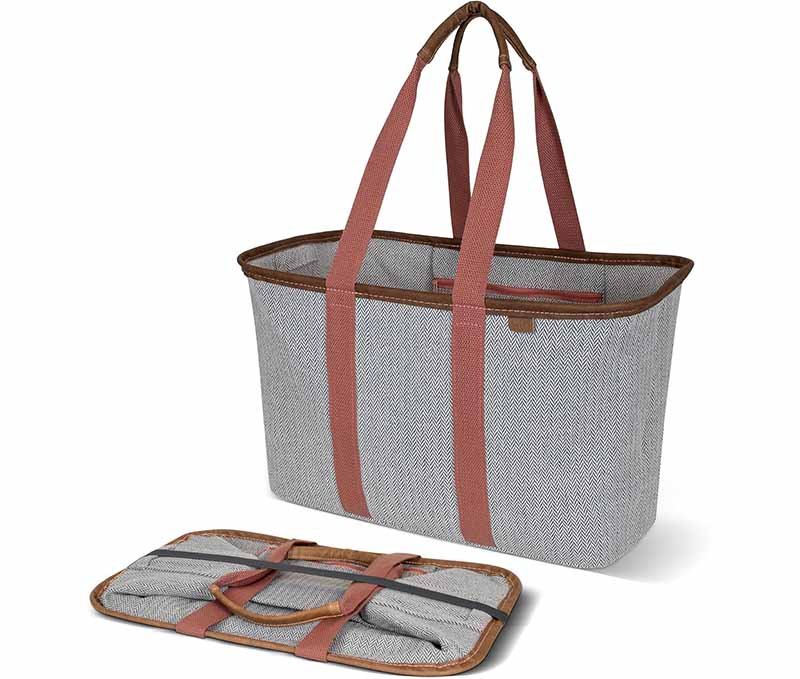
Fabrics improve stand-up shape when they have stable weave density, good recovery after folding, and enough body to resist buckling. Heavy canvas can work, but nylon with backing and PU/TPU laminated fabrics often hold shape better over time. For premium structured totes, leather or PU-backed textiles are strong options. The best fabric still needs internal support if the tote carries weight.
Which tote bag fabrics hold stand-up shape best?
Instead of asking “which fabric is thick,” ask: does it bounce back after being folded and loaded?
Best-performing fabric families (for stand-up shape):
- Tight-weave canvas (12–16 oz / ~400–540 GSM): good stiffness; needs support to stay crisp long-term.
- 420D/600D nylon with backing: lighter than canvas but holds structure well, especially for utility totes.
- PU/TPU laminated textiles: great “body,” strong shape, and clean look—good for branding and premium feel.
- Leather / microfiber leather with backing: excellent structure if thickness and backing are balanced.
| Fabric option | Recommended weight/thickness | Stand-up performance | Notes for product positioning |
|---|---|---|---|
| Cotton canvas | 12–16 oz (400–540 GSM) | Good → Medium | Needs interfacing for long-term |
| Washed canvas | 10–14 oz | Medium | Softer handfeel, less stand-up |
| Nylon 420D/600D + backing | 0.35–0.55 mm | Medium → High | Great for travel/utility totes |
| PU/TPU laminated fabric | 0.5–0.9 mm | High | Looks premium, easy to clean |
| Leather / microfiber leather | 1.2–2.0 mm | Very high | Higher cost, strong structure |
Do thick fabrics always improve tote bag stand-up shape?
No. Thicker fabric can hide weak structure in the sample stage, but it doesn’t guarantee stability after use.
Why “thick” can still slump:
- Cotton fibers relax with humidity and repeated bending.
- Thick fabric without support still folds at stress lines (corners, base seam).
- Heavy fabric can make the tote heavier, so customers pack less evenly—creating sag in one area.
A better rule used in production:
- If the tote will carry >2–3 kg regularly, fabric alone is not enough.
- Use a structure package: fabric + interfacing + base insert + top edge reinforcement.
| Real load | What happens without structure | What fixes it |
|---|---|---|
| 1 kg | mild collapse | top edge tape + light interfacing |
| 3 kg | bottom sags, corners fold | base insert + boxed corners |
| 5 kg | seams stress, body buckles | stronger seam build + foam + insert |
Are coated fabrics better for tote bag stand-up shape?
Often, yes—because coatings reduce fabric movement and add “skin stiffness.”
Coated/laminated fabrics help because:
- Surface becomes more stable and less “drapey”
- Body panels resist buckling
- Shape stays cleaner after folding
But there’s a trade-off: too stiff can feel like a board, which some customers dislike for daily carry. The best approach is to tune stiffness: coating + moderate support rather than extreme coating alone.
What materials help tote bags keep stand-up shape?
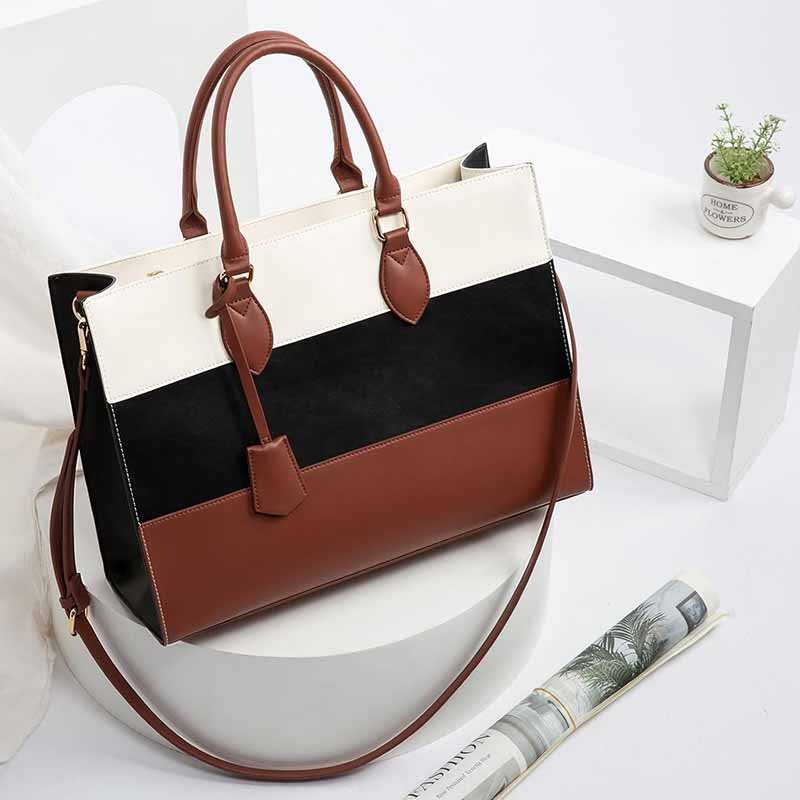
Tote bags keep stand-up shape when internal support materials work together: interfacing controls panel stiffness, foam stabilizer adds body and recovery, and bottom inserts prevent load sag. No single material solves everything. The right combination depends on tote size, target weight load, fabric type, and how “structured” the bag should feel in daily use.
Which interfacing improves tote bag stand-up shape?
Interfacing is the first structural layer that decides whether a tote feels soft, semi-structured, or firm. In factory practice, most stand-up failures happen because interfacing is either missing, too light, or incompatible with the outer fabric.
Common interfacing types used in tote bags:
- Non-woven fusible interfacing: low cost, easy to apply, limited long-term stiffness.
- Woven fusible interfacing: stronger fiber direction, better shape retention.
- Sewn-in fabric interfacing (cotton/poly blend): durable, stable, washable.
How factories choose correctly:
- Light promotional totes → light non-woven (cost control).
- Daily-use work totes → medium woven interfacing.
- Premium or leather-look totes → sewn-in or heavy woven interfacing.
| Interfacing type | Thickness range | Stand-up effect | Best use case |
|---|---|---|---|
| Non-woven fusible | 0.2–0.4 mm | Low–medium | Promo / lightweight totes |
| Woven fusible | 0.3–0.6 mm | Medium | Daily-use canvas totes |
| Sewn-in fabric | 0.5–0.8 mm | Medium–high | Washable / premium totes |
choosing interfacing only by “feel” in sampling. After 20–30 uses, light interfacing often collapses at the bottom edge first.
Does foam stabilizer help tote bag stand-up shape?
Yes—foam stabilizer is one of the most effective upgrades for stand-up shape, especially for medium and large totes. Foam doesn’t just add stiffness; it adds spring-back, which helps the bag recover after being folded or compressed.
What foam does well:
- Keeps side panels upright
- Smooths wrinkles
- Improves “full” appearance even when half-loaded
Where foam works best:
- Front and back panels
- Sometimes bottom panel (with insert)
| Foam thickness | Resulting feel | Typical tote size |
|---|---|---|
| 2 mm | Soft-structured | Small / casual tote |
| 3 mm | Balanced structure | Medium everyday tote |
| 4–5 mm | Firm, premium | Large work / travel tote |
Trade-offs customers notice:
- Foam adds weight
- Thick foam can reduce foldability
- Overuse can make bag feel “puffy” instead of clean
Factories usually combine foam + woven interfacing, not foam alone. This keeps panels upright without over-bulking the seams.
Do bottom inserts improve tote bag stand-up shape?
Bottom inserts are the single most reliable fix for totes that collapse under load. If a tote is expected to carry laptops, books, groceries, or tools, a base insert is not optional—it’s structural insurance.
Common insert materials:
- PP board: lightweight, affordable, flexible.
- HDPE sheet: stiffer, more durable, slightly higher cost.
- EVA board: softer, quiet, good for premium feel.
| Insert material | Thickness | Load support | Notes |
|---|---|---|---|
| PP board | 0.8–1.2 mm | Medium | Cost-effective |
| HDPE | 1.0–1.5 mm | High | Best for heavy loads |
| EVA board | 3–5 mm | Medium | Softer feel |
Design best practice:
- Put insert in a hidden bottom pocket
- Allow customer to remove it if needed
- Pair insert with boxed or gusseted bottom
Without an insert, even the best fabric will sag at 3–4 kg load. With an insert, the same tote can hold shape at 6–8 kg.
How does construction affect stand-up shape in tote bags?
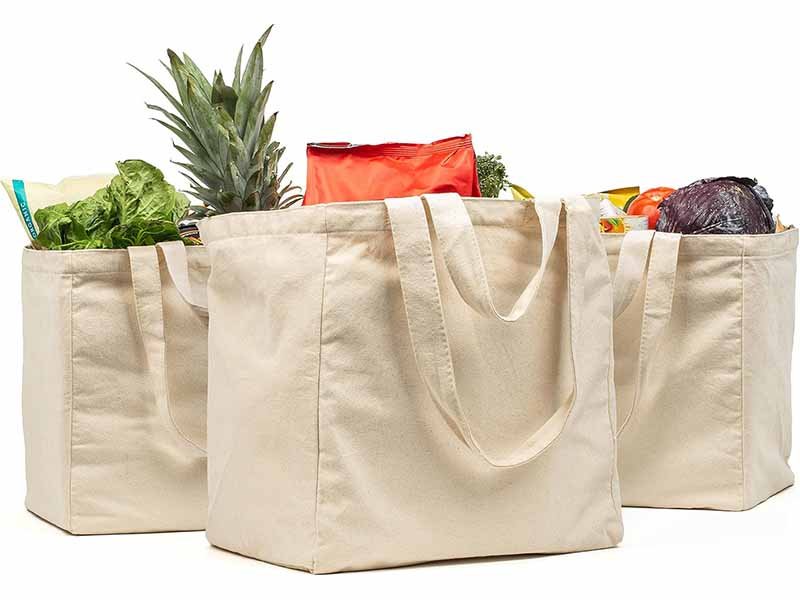
Construction determines whether structural materials actually work. Bottom shape, seam width, stitch density, and handle anchoring all influence stand-up performance. Poor construction can neutralize good materials, while precise construction can make moderate materials perform far better than expected.
Which bottom designs improve tote bag stand-up shape?
Bottom geometry is a major differentiator between totes that stand and totes that fold.
Three common bottom designs:
- Flat bottom (no gusset): lowest structure, cheapest.
- Boxed corners: better stability, common in canvas totes.
- Full gusset bottom: best weight distribution and stand-up shape.
| Bottom design | Stand-up stability | Typical use |
|---|---|---|
| Flat bottom | Low | Promo totes |
| Boxed corners | Medium | Daily canvas totes |
| Full gusset | High | Work / grocery / travel totes |
Key detail: boxed corners must be symmetrical. Even a 3–5 mm mismatch causes one side to collapse first.
How do seams affect tote bag stand-up shape?
Seams are often treated as “assembly,” but for stand-up shape, they are load-bearing structures.
What matters most:
- Seam allowance width (too narrow = hinge effect)
- Stitch density (too loose = stretch)
- Reinforcement at stress points
| Seam factor | Recommended spec |
|---|---|
| Seam allowance | ≥10–12 mm |
| Stitch density | 3–4 stitches/cm |
| Corner reinforcement | Bartack or double stitch |
A common factory shortcut is reducing seam allowance to save time. This weakens the vertical edge and causes early shape collapse at corners.
Do handles influence tote bag stand-up shape?
Yes—more than most brands expect. Handles create inward pulling force that can pinch side panels and collapse the tote.
Problems caused by poor handle design:
- Anchors placed too low pull panels inward
- Thin webbing cuts into fabric
- No reinforcement patch spreads stress poorly
Better handle construction:
- Anchor handles higher on the panel
- Add internal reinforcement patch
- Use box-stitch + bartack combination
| Handle setup | Effect on shape |
|---|---|
| Low anchor, no patch | Side collapse |
| Mid anchor + patch | Balanced |
| High anchor + patch | Best stand-up |
How to test stand-up shape for tote bags?
Stand-up shape for tote bags should be tested through real-use simulation, not visual inspection alone. Effective testing includes empty standing checks, weighted load tests, time-based deformation observation, folding recovery tests, and packaging stress checks. These tests help confirm whether materials, structure, and construction will hold shape throughout daily use and shipping.
How is tote bag stand-up shape tested in real use?
The biggest mistake brands make is judging stand-up shape only when the bag is empty and freshly produced. In real life, totes are loaded, folded, stored, and reused. Good factories test for those conditions before approving samples.
Core stand-up shape tests used in production:
- Empty standing test Place the tote on a flat surface without support.
- Does it stand fully upright?
- Do side panels lean inward?
- Do corners wrinkle immediately?
- Weighted load test Add weight gradually (books, water bottles, sandbags). Typical checkpoints:
- 2 kg → light daily use
- 4 kg → work / grocery use
- 6–8 kg → heavy-duty tote
- Time-based standing test Keep the loaded tote standing for:
- 30 minutes
- 4 hours
- 24 hours
| Test stage | What to observe | Common failure |
|---|---|---|
| Empty | Panel stiffness | Immediate side collapse |
| 2–4 kg | Bottom stability | Sagging base |
| 6–8 kg | Seam strength | Corner deformation |
| 24 hrs | Shape memory | Permanent slouch |
If a tote cannot stand after 4–6 hours under real load, customers will notice within weeks of use.
How to check stand-up shape during sampling?
Sampling is where 90% of structural problems should be solved—not after mass production.
A professional sampling check focuses on repeatability, not perfection.
What experienced factories check in samples:
- Does the bag still stand after being folded and reopened 5–10 times?
- Does shape change after removing and reinserting the bottom insert?
- Do side panels collapse when the bag is half-loaded, not just full?
- Does the top edge stay straight or start curling inward?
Sampling checklist used in practice:
| Check item | Pass standard |
|---|---|
| Side panels | Stand without inward fold |
| Bottom insert | Lies flat, no rocking |
| Corners | Sharp, not rounded |
| Top edge | Straight line under load |
| Handles | No inward pulling |
If one of these fails, the fix usually involves:
- Upgrading interfacing or foam
- Adjusting handle anchor height
- Changing bottom insert thickness
- Widening seam allowance at corners
This is far cheaper than correcting issues after 1,000+ units are produced.
How to control stand-up shape in mass production?
Once production starts, consistency becomes more important than design.
Key control points factories monitor:
- Interfacing lamination temperature and pressure
- Foam alignment (no shifting during sewing)
- Seam allowance consistency (especially at corners)
- Bottom insert size tolerance (too small = useless)
Typical QC tolerances:
| Item | Acceptable variation |
|---|---|
| Seam allowance | ±1 mm |
| Insert size | −0 / +3 mm |
| Stitch density | ±0.5 stitch/cm |
| Handle anchor height | ±2 mm |
Small deviations multiply across thousands of units. That’s why factories with strong process control produce totes that “feel the same” from the first piece to the last.
How does packaging and shipping affect stand-up shape?
Many well-made tote bags lose shape after shipping, not during use.
What causes deformation in transit:
- Over-compression in cartons
- Long-term folding without recovery time
- Heavy items stacked on top
Better packaging methods:
- Insert base boards during packing
- Avoid sharp folds across side panels
- Pack totes vertically when possible
- Allow “shape recovery time” after unpacking
| Packing method | Risk level |
|---|---|
| Flat + compressed | High |
| Folded with insert | Medium |
| Upright with insert | Low |
Professional factories test stand-up shape after unpacking, not before shipment approval.
Why stand-up shape should be designed, not guessed
A tote bag that stands upright is not accidental. It’s the result of:
- Correct fabric selection
- Proper internal support
- Smart bottom structure
- Clean, consistent construction
- Real-world testing
Brands that treat stand-up shape as a design requirement—rather than an afterthought—see fewer complaints, better reviews, and higher repeat orders.
Work with Szoneier to build tote bags that truly stand up
At Szoneier, we don’t rely on trial-and-error. With over 18 years of experience in tote bag development and manufacturing, we help brands design stand-up shape systems that match real use cases—not just showroom appearance.
We support:
- Custom tote bag development across cotton, canvas, nylon, polyester, PU, TPU, EVA, neoprene, jute, leather, and more
- Private label and OEM/ODM production
- Low MOQ customization
- Fast sampling with structural testing feedback
- Free design support and material recommendations
- Stable mass production with shape consistency control
If you’re developing a tote bag that must stand up, hold shape, and feel premium in daily use, talk to Szoneier before finalizing your sample.
Send us your tote bag idea, target use, and size—we’ll help you build the structure from the inside out.