Skip to content
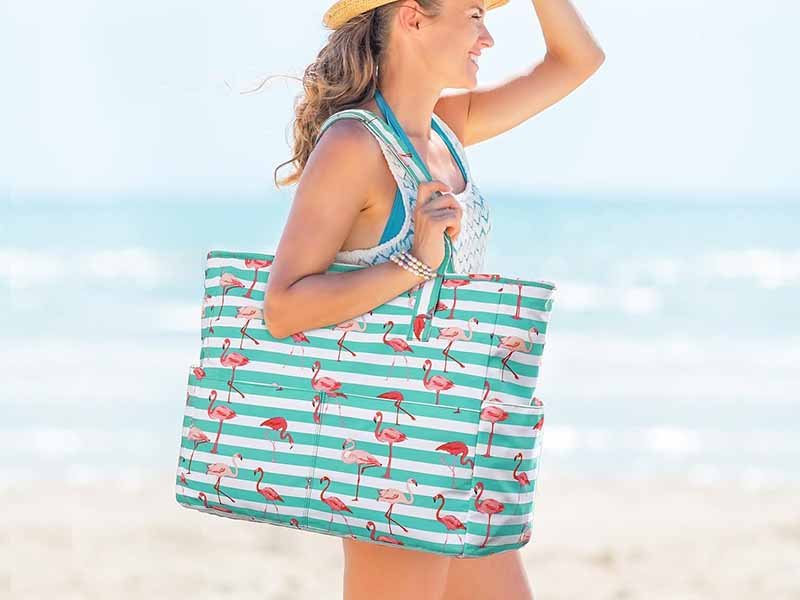
A beach bag looks simple—until you use it for real. One day it’s carrying wet towels and sunscreen. The next day it’s full of snacks, a water bottle, kids’ toys, and a phone you can’t afford to ruin. The hard truth is that most “cute” beach totes fail for predictable reasons: the wrong fabric traps sand, the lining stays damp and starts to smell, straps stretch out, and a single splash turns the inside into a mini swimming pool. If you’re building a product line (or sourcing for a brand), the material choice is not a style detail—it decides return rates, reviews, and whether customers buy again.
The best beach-bag material depends on how the bag will be used. For heavy water exposure, choose waterproof films like TPU/PVC with welded seams. For sand and quick drying, use polyester or nylon (often 210D–600D) with a water-repellent finish. For casual, breathable totes, choose canvas or cotton (10–16 oz) with reinforced bottoms.
Picture this: you’re leaving the beach at sunset, hands full, kids running ahead—then you feel the bag go heavy because the fabric soaked up water. That “small” material decision suddenly becomes the whole experience. Let’s prevent that.
What Makes a Good Beach Bag Material?
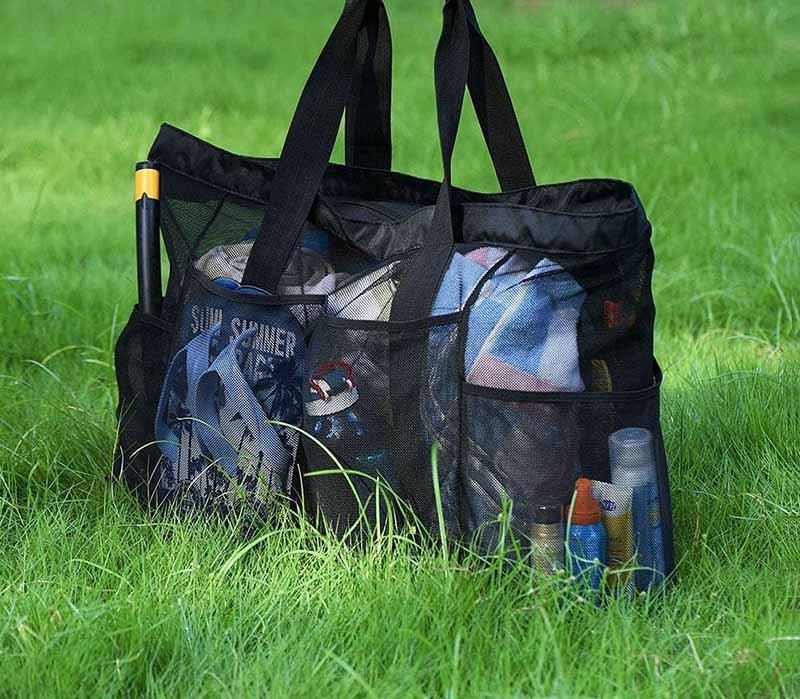
A good beach bag material must handle water, sand, sunlight, and heavy daily use without becoming damaged, dirty, or uncomfortable to carry. The best options combine water resistance, quick drying, strong tear resistance, UV stability, and easy cleaning. The right material is not universal—it depends on whether the bag is used for wet gear, family beach trips, or light fashion carry.
Beach environments are harsher than many people expect. Saltwater, fine sand, strong sunlight, sunscreen oils, and repeated loading all work together to stress the fabric. Because of this, the material decision directly affects product lifespan, return rate, and customer satisfaction.
What Properties Matter Most for Beach Bag Performance?
When customers complain about beach bags, the problems usually fall into a few predictable categories:
the bag gets soaked, dirty, faded, smelly, or torn.
Each of these failures links back to a missing material property.
Here are the core performance factors that truly matter in real beach use:
1. Water resistance or waterproof behavior
Beach bags regularly contact wet towels, splashes, or damp sand.
If fabric absorbs water easily, the bag becomes:
- Heavy to carry
- Slow to dry
- Prone to odor or mildew
- Uncomfortable against the body
Performance guidance:
| Water protection level | Typical fabric approach | Real-world use |
|---|---|---|
| Splash resistant | PU-coated polyester/nylon | Towels, light beach use |
| Rain resistant | Thicker coating or laminate | Family beach trips |
| Waterproof | TPU/PVC film + sealed seams | Wet gear, boat, surf |
For most consumer beach totes, water-resistant (not fully waterproof) is the practical balance between comfort, weight, and cost.
2. Sand release and surface behavior
Fine beach sand is one of the biggest usability problems.
Open or fuzzy fabrics trap sand in the weave, which leads to:
- Mess inside cars and homes
- Difficult cleaning
- Poor customer reviews
Smooth, tightly woven synthetics release sand much more easily than natural fibers.
| Fabric surface type | Sand behavior | User experience |
|---|---|---|
| Smooth nylon/polyester | Sand shakes off quickly | Low maintenance |
| Coated fabric | Sand wipes off | Very easy cleaning |
| Canvas/cotton | Sand embeds in fibers | Requires washing |
| Jute | Sand traps deeply | High frustration |
Because cleaning convenience strongly affects satisfaction, sand release is often more important than color or style.
3. Strength and tear resistance under load
Beach bags often carry unexpected weight:
water bottles, drinks, toys, shoes, and wet towels.
Weak fabric stretches, distorts, or tears—usually at seams or handles.
Key measurable indicators:
| Strength factor | Practical range for beach bags | Why it matters |
|---|---|---|
| Fabric denier | 210D–600D common | Higher = stronger |
| Fabric weight | 180–350 gsm synthetics | Prevents sagging |
| Handle webbing | 25–38 mm width | Reduces shoulder stress |
| Reinforced stitching | Bar-tack or box stitch | Prevents handle failure |
Customers rarely describe this as “denier.”
They simply say: “The bag broke after two trips.”
4. UV resistance and color durability
Beach sunlight is intense and prolonged.
Poor UV stability causes:
- Rapid color fading
- Fabric brittleness
- Surface cracking in coated materials
Solution-dyed yarns and UV-stabilized coatings significantly slow this damage.
| UV protection method | Result after long sun exposure |
|---|---|
| Standard dye | Noticeable fading in months |
| Solution-dyed polyester | Much slower fading |
| UV-stabilized coating | Better color + fabric life |
For brands selling summer or resort products, UV stability directly influences perceived quality.
5. Ease of cleaning and drying time
After beach use, customers want a fast reset, not a laundry process.
Materials that clean easily reduce frustration and increase repeat use.
| Material type | Cleaning method | Drying speed |
|---|---|---|
| TPU/PVC | Wipe with cloth | Very fast |
| Nylon/polyester | Rinse + air dry | Fast |
| Canvas/cotton | Machine wash needed | Slow |
| Jute | Difficult to clean | Very slow |
Convenience here strongly affects customer loyalty, even more than aesthetics.
Why No Single Material Fits Every Beach Bag?
A common sourcing mistake is searching for a single “best” fabric.
In reality, the correct choice depends on how the bag will be used.
| Use scenario | Most suitable material direction | Reason |
|---|---|---|
| Wet towels & splashes | Coated polyester, TPU, or PVC | Water control |
| Family carry-all | 420D–600D polyester/nylon | Strength + easy cleaning |
| Light fashion tote | Canvas or cotton blend | Style + comfort |
| Surf or sports gear | Nylon + mesh + waterproof base | Fast drying |
Which Materials Are Best for Water Exposure?
For frequent water exposure, waterproof film materials (TPU or PVC) perform best, especially when paired with welded seams and sealed openings. If the bag only faces splashes and wet towels—not submersion—coated nylon or coated polyester can be a lighter, more breathable alternative. The right choice depends on whether you need “wipe-clean waterproof” or “quick-dry water-resistant.”
What Is PVC and Why Is It Used?
PVC is popular for beach bags because it’s simple and tough: it blocks water well, wipes clean fast, and keeps structure even when the bag is stuffed. If your customers bring wet swimsuits, dripping goggles, or set the bag on a damp boat deck, PVC makes the experience easier.
Where PVC shines (real-world reasons):
- Water barrier: it doesn’t “soak”—water sits on the surface
- Wipe-clean: sunscreen smears and drink spills come off quickly
- Structure: holds shape for tote-style silhouettes
- Cost control: usually cost-effective for waterproof looks
Where PVC can disappoint (be honest in product positioning):
- Weight: heavier feel vs. nylon/poly
- Heat feel: can feel “sticky” in extreme heat if poorly finished
- Cold crack risk: lower-grade PVC can stiffen and crack in cold storage/shipping
| PVC option | Typical feel | Best use case | Production notes that affect quality |
|---|---|---|---|
| Clear PVC | Glossy, fashion-friendly | Fashion beach totes, visibility styles | Needs scratch control + clean edge finishing |
| PVC coated fabric | Fabric backing + waterproof face | Family totes, heavy duty | Backing improves tear strength |
| PVC film laminate | Strong barrier + stable | Wet gear, boat beach days | Pair with welded seams for best results |
Pass/fail thinking customers care about:
If you claim “waterproof,” the construction must support it. PVC fabric alone won’t fix needle holes—use welded seams or sealed seam tape for water-critical designs.
What Are TPU/EVA and Their Benefits?
If you want a waterproof look with a more premium hand-feel, TPU is often the upgrade path. It’s flexible, abrasion-resistant, and can be made with better cold/heat performance than many PVC setups. EVA is lightweight and soft-touch, often used for beach totes and sporty carry bags where comfort matters.
TPU advantages customers notice immediately:
- Flexibility: doesn’t feel stiff when packed
- Better “premium” feel: smoother, less plasticky
- Abrasion resistance: holds up better against sand + friction zones
- Cleaner branding: heat-transfer logos and patches often look sharper on TPU surfaces
EVA advantages (when you want light and easy):
- Lightweight carry: feels easier for day-to-day beach use
- Soft touch: comfortable handles and edges
- Simple cleaning: wipe + rinse
| Material | Waterproof level | Weight feel | Best use case | Notes for sourcing |
|---|---|---|---|---|
| TPU | High (near waterproof with welding) | Medium-light | Wet gear bags, premium beach totes | Specify thickness and seam method |
| EVA | Medium-high (depends on structure) | Light | Casual beach totes, comfort-focused lines | Focus on shape retention + handle strength |
| PVC | High | Medium-heavy | Budget waterproof totes, structured styles | Watch heat/cold performance |
A practical way to spec waterproof performance (without overpromising):
- If the bag will hold wet towels only → coated nylon/poly may be enough
- If it will carry phones, wallets, electronics near water → TPU/PVC + welded seams + controlled openings
Mini table: “Water exposure level” → material recommendation
| Use scenario | Exposure level | Recommended materials | Construction that makes it work |
|---|---|---|---|
| Wet towels + occasional splash | Low–Medium | Coated polyester / coated nylon | Reinforced bottom, quality zippers |
| Pool/beach with frequent splashes | Medium–High | TPU laminate / PVC coated fabric | Seam tape or partial welding |
| Boat deck, kayak, heavy spray | High | TPU/PVC + waterproof build | Welded seams, sealed openings |
| “Dry bag” expectations | Very High | TPU/PVC dry-bag style | Roll-top + full welding |
Which Materials Are Best for Sand and Sun Protection?

For sand and sun exposure, tightly woven polyester and nylon perform best because sand doesn’t lodge easily and the fabrics dry fast. Canvas works well for breathable, casual beach totes but needs reinforcement and lining to manage sand and moisture. UV-stable dyes and coatings are critical to prevent fading and fabric breakdown under strong sunlight.
Beach bags spend more time on sand and under direct sun than in water. That changes how materials age, feel, and perform after a few months of real use.
Is Canvas a Good Choice for Beach Bags?
Canvas is popular for beach bags because it looks right and feels natural—but it needs to be used correctly. Canvas is a woven cotton (sometimes cotton-poly blend) fabric, usually measured in ounces (oz). For beach bags, 10–16 oz canvas is the realistic working range.
Where canvas works well:
- Breathability: Wet towels and clothes don’t stay trapped in moisture as long.
- Heat comfort: Canvas doesn’t heat up as aggressively as plastic films.
- Style appeal: Natural texture fits resort, lifestyle, and eco-leaning brands.
- Print & embroidery: Canvas accepts screen print and embroidery very well.
Where canvas causes problems (if not designed properly):
- Sand retention: Open weaves trap fine sand.
- Water absorption: Canvas absorbs water unless treated.
- Sagging bottoms: Heavy loads stretch untreated canvas.
- Staining: Sunscreen oils soak in without protective finishes.
| Canvas spec | What it means in real use | Recommendation |
|---|---|---|
| 8–10 oz | Light, flexible | Too soft for loaded beach totes |
| 12 oz | Balanced weight | Minimum for structured beach bags |
| 14–16 oz | Heavy duty | Best for family-size beach totes |
| Plain canvas | No finish | Add lining or base reinforcement |
| Waxed/coated canvas | Water-repellent | Better sand control, higher cost |
Design tips that make canvas succeed at the beach:
- Add a polyester or TPU lining to block moisture transfer.
- Use a double-layer bottom panel (or add EVA/PP board).
- Apply water-repellent (WR) treatment for oil/sunscreen resistance.
- Choose darker or textured colors to hide sand marks.
Canvas is best positioned as a casual or fashion beach tote, not a “wet gear” solution.
Are Polyester and Nylon Suitable for Sun Exposure?
Yes—and in many cases, they outperform natural fabrics at the beach.
Polyester and nylon are the workhorses of beach bags because they dry fast, resist sand sticking, and tolerate UV exposure better when specified correctly. The difference between “good” and “bad” here is not the fiber—it’s denier, weave, dye method, and coating.
Polyester for beach bags
- Holds color well (especially solution-dyed polyester)
- Lower cost than nylon
- Good UV resistance
- Less stretch, keeps shape better
Nylon for beach bags
- Stronger per denier than polyester
- Smoother surface, sand releases easily
- Faster drying
- Slightly higher cost
| Fabric | Typical denier | Sand release | UV performance | Best use |
|---|---|---|---|---|
| 210D polyester | Light | Good | Moderate | Light beach totes |
| 420D polyester | Medium | Very good | Good | Family beach bags |
| 600D polyester | Heavy | Good | Good | Large carry-alls |
| 210D nylon | Light | Very good | Good | Quick-dry beach bags |
| 420D nylon | Medium | Excellent | Good | Active / sports beach bags |
UV reality check:
UV damage shows up as color fading and fabric brittleness, not immediate failure. To slow this:
- Specify solution-dyed yarns (color added before weaving).
- Add UV-stable PU or acrylic coatings.
- Avoid ultra-bright colors without UV stabilizers.
Customer benefit:
Polyester and nylon bags are easier to shake clean, rinse, and reuse daily—exactly what repeat beachgoers want.
What Materials Work Best for Light Beach Use?
For light beach use—short trips, towels, sunglasses, snacks—cotton blends, jute, and mesh fabrics work well. These materials prioritize breathability and style over water protection. They should be positioned as “dry-item beach totes” and reinforced at stress points to avoid stretching or tearing.
This category is about comfort and lifestyle, not performance extremes.
What Makes Cotton and Jute Popular?
Cotton and jute appeal to customers who want a relaxed, natural, or eco-leaning look. These materials feel familiar, photograph well, and align with resort and lifestyle branding.
Cotton beach bags
- Soft hand-feel
- Easy to print
- Comfortable to carry
- Absorbs moisture (good or bad depending on use)
Jute beach bags
- Very breathable
- Natural texture
- Strong fibers, but low flexibility
- Not water-friendly
| Material | Strength | Water behavior | Sand behavior | Best positioning |
|---|---|---|---|---|
| Cotton | Medium | Absorbs | Traps sand | Casual beach tote |
| Cotton blend | Medium-High | Partial absorb | Moderate | Lifestyle beach bag |
| Jute | High (fiber) | Poor | Traps sand | Eco / resort use |
Design rules to avoid complaints:
- Use wide straps to prevent shoulder digging.
- Add stitched reinforcement at handle roots.
- Include a removable pouch for wet items.
- Be clear in product descriptions: not waterproof.
These materials are ideal when customers carry dry items only and value comfort over technical performance.
How Do Natural vs Synthetic Fabrics Compare?
Customers often ask, “Should I choose natural or synthetic?” The honest answer: it depends on expectations.
| Factor | Natural (cotton/jute/canvas) | Synthetic (poly/nylon/TPU) |
|---|---|---|
| Look & feel | Warm, lifestyle | Technical, sporty |
| Water resistance | Low–medium | Medium–high |
| Sand release | Poor–medium | Good–excellent |
| Drying speed | Slow | Fast |
| Maintenance | Wash & dry | Wipe or rinse |
| Best for | Fashion, casual | Family, sports, repeat use |
How to Match Materials to Real Beach Use Cases
Material choice should start with how the bag will actually be used: family trips need durability and easy cleaning, fashion totes prioritize look and comfort, and sports or gear bags require fast drying and sand release. Matching material to behavior reduces returns and increases repeat orders.
Use-case material matching table (for sourcing decisions)
| Use case | Typical contents | Best materials | Why |
|---|---|---|---|
| Family beach day | Towels, snacks, bottles | 420D–600D polyester, nylon | Easy clean, strong, sand releases |
| Pool & splash use | Wet clothes, goggles | TPU / PVC laminate | Wipe clean, water barrier |
| Fashion beach tote | Sunglasses, towel | Canvas, cotton blend | Style, comfort |
| Sports & surfing | Gear, wet items | Nylon + mesh panels | Fast drying |
| Eco / resort retail | Light dry goods | Jute, cotton | Natural look |
Are There Eco-Friendly or Sustainable Material Options?
Yes, but not all “eco” materials perform well at the beach. Recycled polyester and recycled nylon are the most reliable sustainable options for beach bags because they keep the durability, quick-dry, and sand-release benefits of synthetics. Natural fibers like jute or cotton work for light use but struggle with water, salt, and long-term durability.
Sustainability only works if the bag survives real beach conditions. A bag that fails early is not eco-friendly—no matter the label.
What Are Recycled Fabrics and How Do They Perform?
Recycled polyester (rPET) and recycled nylon are made from post-consumer waste such as plastic bottles or industrial scraps. From a performance standpoint, good-quality rPET behaves almost the same as virgin polyester when woven and coated correctly.
What recycled synthetics do well:
- Maintain quick-dry performance
- Release sand easily
- Accept water-repellent and UV coatings
- Support consistent color control
- Reduce dependence on virgin petroleum
Where recycled fabrics can vary:
- Lower-grade rPET may feel stiffer
- Color consistency depends on yarn quality
- Very cheap recycled yarns can pill faster
| Material | Durability | Water behavior | Sand release | Sustainability value |
|---|---|---|---|---|
| Recycled polyester (rPET) | High | Water-resistant | Very good | High |
| Recycled nylon | Very high | Water-resistant | Excellent | High |
| Organic cotton | Medium | Absorbs | Poor | Medium |
| Jute | Medium | Poor | Poor | Medium |
Realistic positioning advice:
Recycled polyester and nylon are the best balance of performance + sustainability for beach bags that will actually be used hard.
Are Biodegradable Materials Suitable for Beach Bags?
This is where many brands get into trouble.
Biodegradable or plant-based materials sound attractive, but the beach is one of the harshest environments: salt, UV, moisture, sand abrasion. Most biodegradable materials break down faster under these conditions—sometimes too fast.
Common issues with biodegradable materials:
- Loss of strength when wet
- UV degradation
- Mold and odor buildup
- Shorter product lifespan
| Material type | Beach performance | Risk level | Recommendation |
|---|---|---|---|
| Biodegradable PLA blends | Low | High | Not recommended |
| Untreated jute | Low | Medium | Light, dry-use only |
| Organic cotton (no coating) | Medium | Medium | Casual, short-term use |
| rPET / recycled nylon | High | Low | Best sustainable option |
Bottom line:
For beach bags, durability is sustainability. Materials that survive multiple seasons reduce waste more effectively than fragile “green” options.
How to Choose Beach Bag Materials for Specific Use Cases

The best beach bag material depends on how the bag is actually used, not how it looks online. Family bags need durability and easy cleaning. Fashion bags prioritize feel and appearance. Sports bags need fast drying and sand release. Matching material + construction to behavior prevents returns and builds repeat business.
Which Materials Work Best for Family Beach Trips?
Typical load: towels, water bottles, sunscreen, snacks, toys
Key risks: spills, sand, weight, repeated use
Recommended setup:
- 420D–600D polyester or nylon
- Water-repellent coating
- Reinforced bottom
- Easy-wipe lining
Why it works:
Parents want low maintenance. Shake the sand, wipe the inside, done.
Which Materials Work Best for Fashion Beach Bags?
Typical load: towel, sunglasses, phone
Key priorities: look, comfort, branding
Recommended setup:
- Canvas or cotton blend
- Structured bottom insert
- Optional inner pouch
- Clear usage positioning (not waterproof)
Why it works:
Customers accept lower performance if expectations are set clearly and style is strong.
Which Materials Work Best for Heavy Gear and Sports?
Typical load: wetsuits, fins, goggles, wet clothes
Key risks: water pooling, odor, abrasion
Recommended setup:
- Nylon + mesh panels
- TPU-reinforced base
- Drainage-friendly design
- Strong handle stitching
Why it works:
Fast drying + sand release = fewer smells, longer life.
How Szoneier Helps Brands Choose the Right Beach Bag Materials
At Szoneier, we don’t start with “which fabric is cheapest.” We start with how your customers will actually use the bag.
What brands get when working with us:
- Material recommendations by use case, not trend
- Side-by-side fabric comparisons with real samples
- Construction suggestions to reduce failure points
- Low MOQ testing before scale production
- Fast sampling to validate feel, weight, and usability
Whether you’re building:
- A family beach tote line
- A fashion-focused summer collection
- A sports or waterproof beach bag
We help translate ideas into clear, buildable specifications.
Choosing the right beach bag material is about real use, not assumptions. Water, sand, sun, and weight expose weak designs fast. The right material—combined with smart construction—creates beach bags that customers trust and reorder.
If you’re planning a new beach bag line or improving an existing one, contact Szoneier to discuss materials, structures, and customization options. We offer free design support, low MOQ production, fast sampling, and reliable quality control to help your products succeed in real beach conditions.