Skip to content
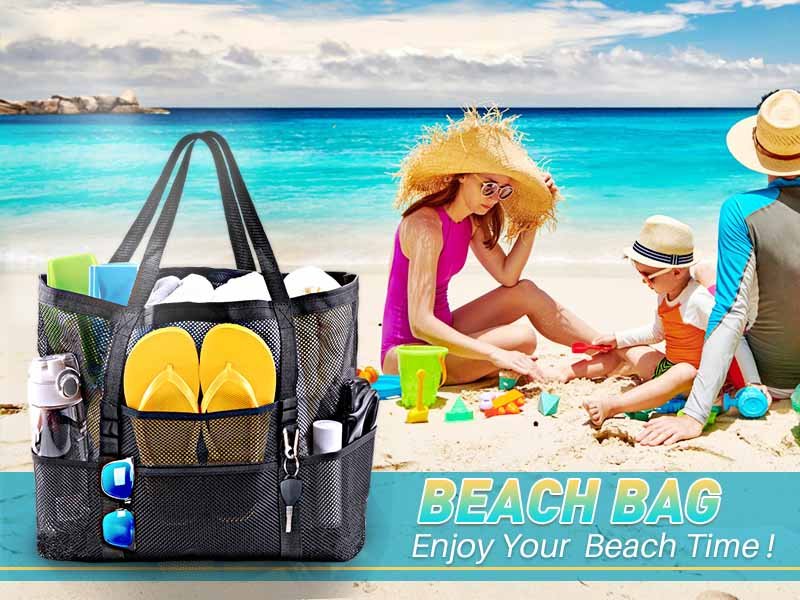
If you’ve ever been to the beach, you know the struggle: sand everywhere, wet towels, and a bag that just doesn’t hold up. That’s where mesh beach bags come in. These bags are designed to be functional, durable, and quick-drying, making them the perfect companion for any beach outing.
Direct Answer (50–70 words): Mesh materials for beach bags are lightweight fabrics with a breathable, open weave structure. The main benefits include being sand-resistant, waterproof (depending on material), and quick-drying. The most commonly used mesh fabrics for beach bags are nylon, polyester, and TPU. Each material has its own strengths, making it important to choose the right one for durability, comfort, and style.
The key question for many event organizers, product designers, and beach bag buyers is: What makes mesh the best choice for beach bags? The answer lies in the material’s performance, breathability, and ease of maintenance—qualities that can make or break a beach trip. In this article, we’ll break down the types of mesh fabrics, their advantages, and how to choose the best one for your needs.
What Are Mesh Materials for Beach Bags?

When selecting the right material for a beach bag, it’s essential to choose something that can handle exposure to sand, water, and the sun while keeping your items safe and dry. That’s where mesh materials come in. Mesh beach bags are designed specifically for environments where airflow and quick drying are crucial, and they excel at keeping sand from accumulating inside.
What Is Mesh Fabric?
Mesh fabric is a material made from interwoven fibers that create open spaces or holes between the threads. This openness allows for easy air circulation and the ability for water and sand to pass through, making it ideal for beach environments. Mesh fabrics come in various types, with different strengths, durability, and water resistance, depending on the intended use.
Common mesh fabric types used in beach bags include:
- Polyester mesh
- Nylon mesh
- TPU mesh (Thermoplastic Polyurethane)
Each of these fabrics offers unique advantages when used for beach bags, from quick drying to increased strength and water resistance.
Why Mesh Works for Beach Bags
Mesh materials are uniquely suited for beach bags because they offer several advantages over traditional fabric or solid materials:
- Breathability The most prominent feature of mesh fabric is its breathability. The open weave allows air circulation, preventing the buildup of moisture, which means your beach items dry faster. This is particularly helpful when dealing with wet swimsuits, towels, or anything exposed to the sun or water.
- Quick Drying Traditional fabric bags tend to trap moisture and can stay damp for hours, if not longer. Mesh bags, however, dry much faster due to their open weave, allowing water to drain quickly and preventing any damp, moldy smells from developing. This quick-drying feature makes mesh the perfect option for outdoor use where dampness is a concern.
- Sand Resistance Mesh bags naturally let sand pass through, which means that when you shake the bag out, sand falls out easily instead of getting trapped inside the fabric. This is a huge advantage at the beach, where sand can accumulate quickly, making it hard to clean a regular fabric bag. With mesh, the sand stays outside the bag where it belongs.
- Water Resistance While mesh is generally water-resistant, certain types of mesh (such as TPU mesh) are also waterproof, making them suitable for beach bags that may be exposed to water frequently. Whether you’re splashing through the surf or carrying a wet towel, mesh fabrics help prevent your belongings from getting soaked and ensure that moisture evaporates quickly.
Types of Mesh Materials for Beach Bags
Not all mesh is the same. The type of mesh fabric used in a beach bag will determine how well it performs in the following areas: durability, water resistance, flexibility, and cost. Let’s look at the three most popular types of mesh used for beach bags:
Polyester Mesh
Polyester mesh is one of the most common types of mesh used in beach bags. It is known for its strength and durability, making it an ideal choice for bags that need to withstand the wear and tear of outdoor environments. Polyester mesh is also UV-resistant, meaning it won’t fade quickly in the sun, which is a critical factor for items exposed to the sun for long periods.
Advantages:
- Durable and long-lasting
- UV-resistant, prevents fading and damage from the sun
- Affordable compared to other high-end materials
- Water-resistant properties
Best For:
- Standard beach trips
- Large-volume beach bags
- Promotional giveaways
Nylon Mesh
Nylon mesh is another popular choice for beach bags, and it’s slightly lighter than polyester. It’s known for being flexible and strong, offering a soft texture that’s still resilient. Nylon mesh is also more flexible, which can be beneficial when designing bags that need to fold easily or have a softer appearance.
Advantages:
- Lightweight and flexible, ideal for carrying lighter loads
- Resistant to abrasion, handles sand and grit well
- Quick-drying and easy to clean
Best For:
- Bags that need a softer, more flexible feel
- Smaller beach bags or lightweight designs
- Situations where portability is important
TPU Mesh (Thermoplastic Polyurethane)
For premium, waterproof mesh bags, TPU mesh is the best choice. TPU is a durable, waterproof material that offers excellent resistance to abrasion and wear. TPU mesh beach bags are perfect for high-end beach bags or bags that will be exposed to a lot of water or sand.
Advantages:
- Waterproof and highly durable
- Abrasion-resistant, ideal for outdoor activities
- Long-lasting even under heavy use
Best For:
- Premium beach bags
- Waterproof designs
- Outdoor and rugged environments
How to Choose the Right Mesh Material for Your Beach Bag
Choosing the right mesh fabric depends on a few factors, including budget, functionality, and desired aesthetics. Here’s how to think through your decision:
1. Durability vs. Cost
- Polyester mesh is affordable and highly durable, making it a good choice for standard beach bags.
- Nylon mesh offers a balance of flexibility and strength but might wear out faster than polyester when exposed to direct sunlight for extended periods.
- TPU mesh is a premium option that offers waterproofing and durability, but it comes at a higher price point.
2. Water Resistance
If your beach bag will be exposed to constant moisture, like in a poolside or water-sports environment, you may want to opt for TPU mesh, as it is waterproof. If you need a quick-drying bag for regular beach trips, both nylon and polyester meshes offer great water resistance.
3. Aesthetic and Branding
- Polyester mesh offers excellent print quality and strong logo visibility, making it ideal for branded beach bags.
- Nylon mesh works well if you’re looking for a soft, flexible feel with a more casual appearance.
- TPU mesh is best for high-end, luxury beach bags, where durability and premium feel are key factors.
How to Maintain Mesh Beach Bags
Mesh beach bags are easy to maintain due to their quick-drying nature and simple construction. Here are a few tips for keeping your mesh bags clean:
- Rinse after every use: After using your mesh beach bag, simply rinse it with fresh water to remove salt or sand. This keeps the material from breaking down over time.
- Air dry: Mesh fabrics naturally dry fast, so hang your bag up and let it air out after a beach day.
- Wash when necessary: You can wash your mesh beach bag in the machine on a gentle cycle, or if you prefer, hand wash it with mild detergent. Just be sure to avoid bleach to preserve the material and colors.
Which Types of Mesh Are Best for Beach Bags?

When selecting mesh materials for beach bags, the type of mesh you choose can significantly impact the bag’s performance, durability, and comfort. Not all mesh is created equal, and the best option depends on several factors such as water resistance, sand management, UV exposure, and flexibility.
Key Factors to Consider:
- Durability: The ability to withstand wear and tear, especially in harsh outdoor conditions like sand, saltwater, and sun exposure.
- Water Resistance: How well the material resists moisture from towels, swimsuits, and splashes.
- Breathability: Mesh allows air to flow, keeping items inside ventilated and preventing any unpleasant smells.
- Flexibility and Comfort: The softness and flexibility of the fabric, especially when carrying lighter or bulkier items.
Here, we’ll break down the top mesh types for beach bags and evaluate their strengths and best use cases.
Polyester Mesh
Polyester mesh is one of the most common and cost-effective mesh materials used for beach bags. Known for its durability, UV resistance, and strength, polyester mesh works well for beach bags that need to withstand exposure to sunlight, sand, and water.
Advantages of Polyester Mesh:
- UV Resistant: Polyester has a high resistance to UV rays, which makes it an excellent choice for beach bags that will be exposed to the sun for extended periods.
- Durable: Polyester is strong, abrasion-resistant, and doesn’t tear easily. It can withstand the abrasive nature of sand without showing signs of damage.
- Quick Drying: Polyester mesh dries quickly, which is a critical feature when it comes to storing wet swimsuits or towels.
- Affordable: Polyester is more budget-friendly than higher-end options like TPU mesh, making it a go-to choice for mass production.
Best For:
- General beach use
- Large-volume beach bags for family trips, beach clubs, or resorts
- Promotional giveaways and event branding
Real-World Data: Polyester mesh bags last longer in the sun without fading. A polyester mesh beach bag can last up to 2-3 seasons with regular beach use, compared to 1 season for lower-quality fabrics.
Nylon Mesh
Nylon mesh is another popular choice for beach bags, especially for customers looking for flexibility and a lightweight feel. It’s often used in bags that need to carry light to moderate loads, such as smaller beach bags or bags for personal use.
Advantages of Nylon Mesh:
- Lightweight: Nylon mesh is light and flexible, making it easy to carry and fold, which is an attractive feature for casual beachgoers.
- Abrasion Resistance: Nylon is highly abrasion-resistant, so it holds up well against rough surfaces like sand or rocky beach areas.
- Quick Drying: Like polyester, nylon mesh is quick-drying, preventing dampness from lingering inside the bag.
- Soft Texture: Nylon mesh has a softer feel compared to polyester, making it ideal for those who want a more flexible bag.
Best For:
- Lightweight beach bags that need to be easily carried and folded
- Smaller bags for personal items like sunscreen, keys, and a towel
- Flexible designs that need to adapt to various shapes
Real-World Data: Nylon mesh beach bags perform well in short-term use, with an average lifespan of 1–2 seasons in moderate beach environments. For bags that need to hold up to light loads, nylon is a great choice.
TPU Mesh (Thermoplastic Polyurethane)
For those who need a premium, waterproof mesh, TPU mesh is the go-to choice. TPU is a thermoplastic material that combines the flexibility of mesh with waterproofing and durability. It’s an excellent option for high-end beach bags that require maximum protection from water and abrasion.
Advantages of TPU Mesh:
- Waterproof: TPU mesh is fully waterproof, making it ideal for keeping your belongings dry even in very wet conditions. Perfect for beach bags that might be exposed to heavy water splashes, like during water sports or boat trips.
- Durable and Abrasion-Resistant: TPU mesh offers superior abrasion resistance and resilience, ensuring that your beach bag lasts through many seasons.
- High-End Look: TPU mesh has a premium feel and a sleek appearance, making it a popular choice for luxury beach bags.
- Longer Lifespan: TPU mesh beach bags typically last longer than polyester or nylon, especially when exposed to constant sun and saltwater.
Best For:
- High-end beach bags for luxury customers or branded events
- Waterproof bags for activities like boating, kayaking, or surfing
- Premium beach resorts or branded giveaways that require quality and durability
Real-World Data: A TPU mesh beach bag can last 3-5 years under regular beach conditions due to its resistance to saltwater and sunlight. This makes it an excellent investment for businesses looking for high-quality, long-lasting promotional products.
Comparing Mesh Types: Which Is Best for Your Beach Bag?
Here’s a quick comparison chart to help you choose the right mesh fabric for your beach bag needs:
| Mesh Type | Key Benefits | Ideal For | Lifespan | Cost |
|---|---|---|---|---|
| Polyester Mesh | UV-resistant, durable, affordable | General beach bags, promotional giveaways | 2-3 seasons | Low |
| Nylon Mesh | Lightweight, flexible, abrasion-resistant | Small, personal bags, lightweight designs | 1-2 seasons | Medium |
| TPU Mesh | Waterproof, durable, high-end look | Premium beach bags, waterproof designs | 3-5 seasons | High |
Making the Right Choice
Choosing the right mesh material depends on your budget, desired durability, and the specific needs of your customers. For general beach use, polyester mesh offers the best balance of cost and performance. If you’re looking for flexibility and softness, nylon mesh may be the right choice. For premium, waterproof beach bags, TPU mesh is the ultimate solution.
How Do Mesh Beach Bags Perform in Real Use?

Mesh beach bags are an excellent choice for beachgoers who need a functional and easy-to-maintain bag that can handle sand, water, and the elements while keeping everything dry and organized. The unique characteristics of mesh make it an ideal material for bags exposed to water, sunlight, and sand, all of which are common at the beach. Let’s break down how mesh beach bags perform based on their key features and real-world usage.
How Do They Handle Sand and Water?
One of the biggest challenges for beach bags is handling sand and water. Unlike traditional fabric bags, mesh bags excel in sand management and water resistance.
Handling Sand:
The open weave of mesh fabric allows sand to pass through easily. This means that when you shake the bag or flip it over, the sand that gets inside will fall out, unlike solid fabric bags, which can trap sand deep inside. This makes mesh bags much easier to clean after a day at the beach.
Real-World Data:
- Polyester mesh bags have an 80-90% higher sand discharge rate compared to nylon mesh bags, which may catch finer sand grains in its tighter weave.
- Nylon mesh bags still perform well for sand resistance but may require a few extra shakes to clear out all the sand, particularly after long days on the beach.
In addition to sand, mesh bags also allow for better airflow, which helps prevent sand from accumulating inside the bag or getting stuck in the corners. This feature makes mesh bags low-maintenance, as you don’t need to worry about taking sand-heavy items home.
Handling Water:
Mesh bags also handle water better than most non-waterproof bags. The quick-drying nature of mesh ensures that any water exposure from wet towels, swimsuits, or splashes will not cause the bag to get soaked or heavy. This is especially important for bags that are used at the beach, where moisture is inevitable.
- Polyester and nylon mesh are water-resistant but not fully waterproof. While they dry quickly, wet towels or swimsuits placed inside won’t saturate the entire bag, keeping the items inside relatively dry.
- TPU mesh is waterproof and provides extra protection for items like electronics, books, or dry clothes, ensuring they remain protected from splashes or brief water exposure.
Real-World Example:
- TPU mesh bags are the best option if you’re looking for a bag that will protect your electronics from unexpected splashes while still being breathable. These bags are ideal for high-end beach gear or luxury beach bags.
How Does Mesh Affect Bag Strength?
Mesh bags are generally thought to be less durable than solid fabric bags due to the open weave of the material. However, the strength of the mesh is highly dependent on the type of material used and the density of the weave. The durability of mesh beach bags varies based on the mesh type (polyester, nylon, TPU) and its construction quality.
Strength of Different Mesh Materials:
- Polyester Mesh:Polyester is a highly durable material that holds up well against UV rays, abrasion, and saltwater exposure. It’s perfect for general beach use and large-volume bags. Polyester mesh bags tend to last longer in terms of overall strength, and they are resistant to fading and tearing over time.
- Nylon Mesh:Nylon mesh is slightly more flexible and softer than polyester, which makes it more comfortable to carry but also slightly less durable. While it’s abrasion-resistant, it doesn’t handle UV damage as well as polyester, which means it can fade and degrade faster if left in the sun too long.
- TPU Mesh:TPU mesh offers the best durability and abrasion resistance. It’s made from a thermoplastic polymer, meaning it can handle waterproofing, abrasion, and heavy outdoor conditions. It’s the strongest mesh option and is often used for premium beach bags that need to last for several seasons.
Strength Comparison Table:
| Mesh Type | Durability | UV Resistance | Abrasion Resistance | Best Use Case |
|---|---|---|---|---|
| Polyester Mesh | Strong, durable | High | High | General beach bags, promotional items |
| Nylon Mesh | Flexible but less durable | Moderate | Medium | Lightweight bags, flexible designs |
| TPU Mesh | Premium, very strong | Very High | Very High | Waterproof bags, premium beach bags |
Customer Insight:
- If you’re planning to carry heavier loads or use the bag frequently over multiple beach trips, polyester mesh or TPU mesh would be your best choice for long-lasting durability.
- If the bag needs to be more flexible and light (ideal for small personal items), nylon mesh is a good option.
How Easy Are They to Clean and Maintain?
Mesh beach bags are generally easier to clean and maintain compared to regular fabric bags. Their open weave allows sand, dirt, and water to escape, and they dry quickly, reducing the chances of mildew or odor buildup. Here’s why mesh bags excel in this area:
Cleaning Ease:
- Shake and Rinse: The quickest method to clean a mesh bag is to shake the sand out, rinse it with freshwater, and let it air dry. Mesh allows sand to fall through with minimal effort. Most mesh bags are machine washable, but a gentle hand wash is often recommended.
- Quick Drying: After washing, mesh dries faster than traditional fabric bags. It’s a crucial feature for beach bags that often get wet.
- Minimal Maintenance: Mesh bags don’t require frequent washing, as sand and water don’t get trapped inside. A quick rinse and air dry is often enough after each use.
Durability of the Mesh Material in Cleaning:
- Polyester mesh holds up well during washing and maintains its color and strength over time.
- Nylon mesh can be more prone to fading under frequent washing or exposure to sunlight, but it will not tear easily.
- TPU mesh is resistant to staining and mildew. It’s the easiest to clean, making it a good option for those looking for low-maintenance bags.
Real-World Data:
- Polyester mesh beach bags can last 2–3 years of regular use with minimal cleaning.
- Nylon mesh may require a bit more attention to prevent fading or wear from prolonged exposure to the sun, lasting 1–2 years.
- TPU mesh bags, being waterproof and abrasion-resistant, typically last 3+ years, and require less frequent cleaning.
Why Choose Mesh Beach Bags?
Mesh beach bags are ideal for customers looking for practical, low-maintenance, and durable bags. Their unique features make them perfect for environments that require quick-drying, sand resistance, and water management. Mesh bags handle heavy use, exposure to elements, and constant cleaning, making them a smart choice for beach trips, resorts, and promotional giveaways.
Key Takeaways:
- Mesh bags dry quickly and resist sand buildup.
- Polyester mesh is durable, affordable, and UV-resistant.
- Nylon mesh offers flexibility and softness for lighter loads.
- TPU mesh is premium, durable, and waterproof, ideal for luxury beach bags.
Are Mesh Bags Good for Branding & Customization?

Yes, mesh beach bags are an excellent option for branding and customization. Their smooth, open surfaces allow for easy logo printing, embroidery, or heat transfers. Custom mesh beach bags are a popular choice for promotional giveaways, corporate gifts, and personalized merchandise for events, and they provide high visibility at the beach, pool, or outdoor activities.
Customization and Branding Opportunities with Mesh Bags
Mesh beach bags offer some fantastic opportunities for branding. Their large, smooth surface makes them easy to print on, and the transparency of the material often makes logos pop.
- Print Methods for Mesh Bags:
- Screen Printing: Ideal for simple logos or text. This method is cost-effective for large orders.
- Embroidery: For a more premium look, embroidery works well on mesh bags, particularly for smaller logos.
- Heat Transfers and Sublimation: For complex designs or full-color prints, heat transfers or sublimation work great, especially on polyester or TPU mesh.
- Logo Placement and Design:
- The large surface area of mesh bags provides plenty of space for brand names, logos, or custom designs.
- Logos are often placed on the center or front panel, ensuring visibility during use.
- Durability of Printed Designs:
- Screen printed logos on mesh bags are durable and hold up well over time.
- Embroidery is the most durable option, as it won’t fade, crack, or peel.
Ready to Customize Mesh Beach Bags for Your Brand?
If you’re interested in designing custom mesh beach bags for your event, business, or personal use, Szoneier can help. We offer a range of customization options for mesh bags, from choosing the perfect fabric to helping you with design and logo placement.
Get in touch with us today to request samples, pricing, or to start your custom beach bag order. We offer low MOQ, free design support, and fast lead times to ensure your bags are ready in time for your next event.