Skip to content

Canvas bags are everywhere—from grocery stores and bookstores to fashion runways and outdoor adventures. They look simple, but behind that simplicity is a material choice that balances durability, cost, sustainability, and branding flexibility. For brands and buyers alike, canvas bags are often the first material considered when designing a reusable or customizable bag. But what exactly makes a bag a “canvas bag,” and why does this material remain relevant in a market crowded with nylon, polyester, leather, and synthetic alternatives?
Canvas is often associated with strength and practicality, yet many people still confuse it with generic “fabric bags.” Others wonder whether canvas bags are truly good quality, or if they can compete with leather bags in terms of durability and brand value. These questions matter—especially for buyers planning private label or OEM production, where material choice directly impacts cost, lifespan, and customer perception. Canvas bags are bags made from canvas fabric, typically cotton-based, known for durability, breathability, and ease of customization. They are widely used for tote bags, backpacks, travel bags, and promotional bags. Canvas bags are valued for their strength, eco-friendly appeal, and suitability for printing and branding, making them popular for both everyday use and custom private label products.
To understand whether canvas bags are right for your use case—or your brand—you need to look beyond appearances. Let’s start with the basics: what canvas actually is, and how canvas bags are made.
What Are Canvas Bags

Canvas bags are bags made from canvas fabric, a heavy-duty, tightly woven material usually produced from cotton or cotton blends. Canvas bags are known for their durability, load-bearing strength, and versatility. They are widely used for tote bags, backpacks, travel bags, and promotional bags, and are especially popular for custom printing, private label branding, and reusable everyday use.
Canvas bags are often described as simple, but that simplicity hides important technical differences that directly affect quality, lifespan, and suitability for different uses. Understanding what canvas really is—and what it isn’t—helps buyers avoid confusing canvas bags with generic fabric bags.
What Does “Canvas” Mean in Bag Manufacturing?
In bag manufacturing, canvas refers to a plain-weave fabric made with thicker yarns and higher thread density than ordinary fabrics.
Key characteristics of canvas fabric:
- Tight, even weave
- High tensile strength
- Strong resistance to tearing and abrasion
- Good structural stability for bag shapes
Historically, canvas was used for sails, tents, and military gear. In bags, this same strength makes canvas ideal for carrying weight repeatedly without failure.
Is Canvas a Natural or Synthetic Material?
Canvas is primarily natural, but not always 100%.
Most canvas bags use:
- Cotton canvas (natural fiber, breathable, eco-friendly image)
Other variations include:
- Cotton-polyester blended canvas (better wrinkle resistance)
- Recycled cotton canvas (sustainability-focused)
- Coated or treated canvas (water resistance)
This flexibility is one reason canvas remains popular—it can be engineered for different price points and performance needs.
How Are Canvas Bags Different From Regular Fabric Bags?
This is one of the most common user questions.
A fabric bag is a broad term that may include:
- Polyester bags
- Nylon bags
- Non-woven bags
- Thin cotton bags
A canvas bag, by contrast:
- Uses thicker yarns
- Has a tighter, heavier weave
- Offers higher load capacity and durability
In short: All canvas bags are fabric bags, but not all fabric bags are canvas bags. Canvas sits at the durable, heavy-duty end of the fabric spectrum.
How Are Canvas Bags Made?
Canvas bags are produced through a structured process:
- Canvas fabric is woven, dyed, and often pre-shrunk
- Fabric is cut into panels based on bag patterns
- Stress points (handles, corners, bottom seams) are reinforced
- Stitching density is adjusted for load-bearing areas
- Handles, linings, zippers, and hardware are added
The quality of a canvas bag depends more on construction than appearance. Poor stitching or thin canvas will fail regardless of design.
Are Canvas Bags Considered Good Quality?
Yes—when properly made.
High-quality canvas bags typically feature:
- Medium to heavy fabric weight (12oz–24oz)
- Dense, uniform weave
- Reinforced handles and cross-stitching
- Clean edge finishing and strong seams
Low-quality canvas bags usually fail due to:
- Thin fabric
- Loose weave
- Weak stitching
This is why sourcing from an experienced manufacturer matters.
What Are Canvas Bags Commonly Used For?
Canvas bags are widely used because they balance strength, cost, and brand flexibility.
Common applications include:
- Canvas tote bags for shopping and retail
- Canvas backpacks for daily carry
- Travel and duffel bags
- Promotional and event bags
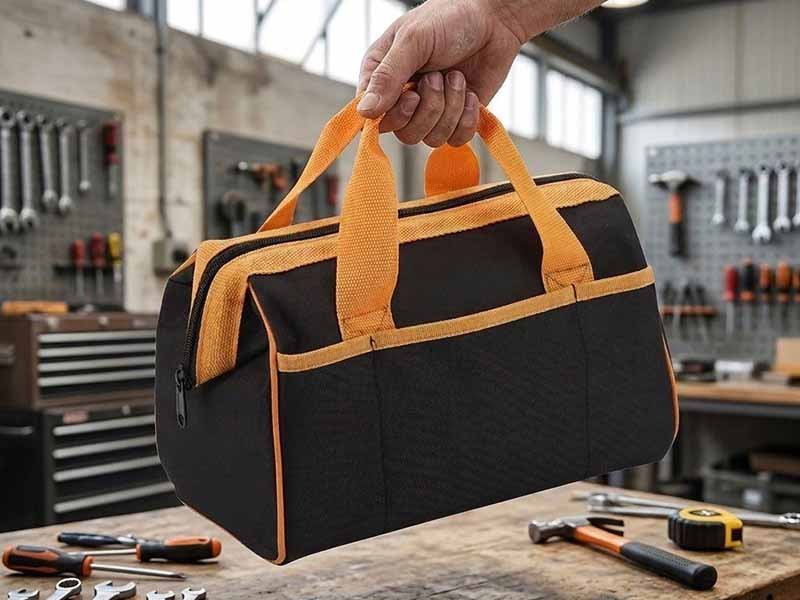
- Tool bags and utility bags
Their adaptability makes canvas one of the most commercially successful bag materials worldwide.
Why Do Brands Prefer Canvas Bags for Customization?
Canvas is one of the most customization-friendly bag materials.
It supports:
- Screen printing
- Heat transfer printing
- Embroidery
- Patches, labels, and woven tags
The flat, textured surface of canvas holds ink and thread well, making branding durable and visually clear—ideal for private label and OEM projects.
Canvas Bags at a Glance
| Feature | Canvas Bags |
|---|---|
| Durability | High |
| Load capacity | Strong |
| Breathability | Medium |
| Water resistance | Low (unless treated) |
| Customization | Excellent |
| Eco perception | High |
| Cost range | Affordable to mid-premium |
What Materials Are Used in Canvas Bags

Canvas bags are most commonly made from cotton canvas, but they may also use blended canvas, recycled canvas, or coated canvas materials. Fabric weight, weave density, and surface treatment all affect durability, appearance, and performance. High-quality canvas bags rely on heavier canvas fabric and proper finishing rather than thin or loosely woven materials.
Many buyers assume all canvas is the same. In reality, canvas bags can be made from several different canvas materials, each with its own cost, durability, and performance profile. Understanding these differences is critical when choosing canvas bags for retail, promotion, or private label production.
Is Cotton Canvas the Most Common Material?
Yes. Cotton canvas is by far the most widely used material in canvas bags.
Key reasons include:
- Natural fiber with strong eco-friendly perception
- High strength due to thick yarns and tight weave
- Excellent compatibility with printing and embroidery
- Comfortable hand feel compared to synthetic fabrics
Cotton canvas is typically measured by fabric weight (ounces per square yard):
- 8–10 oz: lightweight promotional tote bags
- 12–16 oz: everyday use bags, backpacks
- 18–24 oz: heavy-duty or premium canvas bags
Heavier cotton canvas provides better structure and load capacity, but also increases cost.
Are There Blended Canvas Materials (Cotton-Poly)?
Yes. Many canvas bags use cotton-polyester blended canvas.
Blended canvas combines:
- Cotton’s natural look and feel
- Polyester’s dimensional stability and wrinkle resistance
Advantages of blended canvas:
- Less shrinkage after washing
- Better shape retention
- Often lower cost than heavy pure cotton
This makes blended canvas popular for mid-range retail bags and large promotional orders, where consistency matters.
What Is Recycled Canvas and Is It Reliable?
Recycled canvas is increasingly used by sustainability-focused brands.
It is usually made from:
- Recycled cotton fibers
- Post-industrial textile waste
- Blended recycled fibers
Recycled canvas offers:
- Strong environmental messaging
- Comparable strength to standard cotton (when properly processed)
However, recycled canvas quality depends heavily on fiber length, blending ratio, and weaving quality. Poorly processed recycled canvas may feel rough or show inconsistency.
What Is Coated or Treated Canvas?
Standard canvas is not waterproof. To improve performance, manufacturers may apply treatments such as:
- PU-coated canvas – adds water resistance
- Waxed canvas – classic look with moisture protection
- Water-repellent finishes – light protection against splashes
Coated canvas is often used in:
- Travel bags
- Outdoor canvas backpacks
- Tool and utility bags
Trade-off: coatings improve water resistance but reduce breathability and slightly stiffen the fabric.
How Does Canvas Weight Affect Bag Quality?
Canvas weight is one of the most important quality indicators.
Heavier canvas generally means:
- Higher tear resistance
- Better shape retention
- Longer lifespan under load
But heavier is not always better. Over-specifying fabric weight can:
- Increase cost unnecessarily
- Make bags uncomfortable for daily carry
Professional manufacturers match canvas weight to use case, not just durability targets.
What Is the Difference Between Canvas and Generic Fabric Materials?
Canvas is often confused with “fabric” in general.
| Material Type | Typical Use | Durability |
|---|---|---|
| Canvas | Reusable, load-bearing bags | High |
| Polyester | Lightweight bags, backpacks | Medium |
| Nylon | Outdoor/technical bags | High |
| Non-woven | Disposable promo bags | Low |
Canvas stands out because it combines strength, natural appearance, and branding friendliness in one material.
What Supporting Materials Are Used Alongside Canvas?
A canvas bag is rarely made of canvas alone.
Supporting materials often include:
- Cotton or polyester webbing for handles
- Polyester lining fabrics
- Metal or plastic hardware (zippers, buckles)
- Reinforcement patches at stress points
The overall quality of a canvas bag depends on how well these materials are selected and assembled—not just the canvas fabric itself.
Material Comparison Snapshot
| Canvas Material | Best Use Case | Key Benefit | Limitation |
|---|---|---|---|
| Cotton canvas | Retail, daily use | Natural, strong | Shrinks if untreated |
| Cotton-poly canvas | Promotional, retail | Shape stability | Less “pure” eco image |
| Recycled canvas | Eco brands | Sustainability | Quality varies |
| Coated canvas | Outdoor, travel | Water resistance | Reduced breathability |
| Waxed canvas | Premium casual | Aesthetic + protection | Higher cost |
Which Types of Canvas Bags Are Popular

The most popular types of canvas bags include canvas tote bags, backpacks, travel and duffel bags, drawstring bags, tool bags, and canvas cooler bags. These styles are widely used because canvas offers durability, load-bearing strength, and excellent customization options. Popularity often depends on use case, branding needs, and whether the bag is designed for daily use, travel, work, or promotion.
Canvas is one of the few bag materials that can move easily between casual, functional, and branded applications. Its popularity is not tied to one single style, but to how well it adapts to different structures and markets.
Are Canvas Tote Bags the Most Popular?
Yes—canvas tote bags are by far the most popular canvas bag type worldwide.
They dominate the market because they:
- Are simple in construction and cost-effective
- Carry heavy loads without tearing
- Provide large flat surfaces for printing and branding
Common use cases include:
- Shopping and grocery bags
- Retail and bookstore totes
- Promotional and event giveaways
- Museums, exhibitions, and lifestyle brands
For private label buyers and Amazon sellers, canvas tote bags are often the first product to launch due to low MOQ, fast sampling, and broad consumer acceptance.
Which Canvas Backpacks Are Commonly Used?
Canvas backpacks are popular among users who prefer a rugged, natural, or vintage look.
Typical styles include:
- Everyday casual backpacks
- School and college backpacks
- Outdoor-inspired or military-style designs
Canvas backpacks are favored because canvas:
- Handles abrasion better than thin fabrics
- Supports reinforced stitching and heavy hardware
- Develops a “worn-in” look over time that many users like
Brands often combine canvas with leather trims or metal accessories to increase perceived value.
Are Canvas Travel and Duffel Bags Popular?
Yes, canvas travel bags and duffels are widely used for short trips and weekend travel.
Why canvas works well for travel bags:
- Strong structure for carrying weight
- Resistance to abrasion during transport
- Easy to reinforce at stress points
Canvas travel bags are commonly used as:
- Weekender bags
- Gym and overnight bags
- Carry-on duffels
Many brands choose heavier canvas (16–24oz) for these products to improve durability.
Are Canvas Drawstring Bags Still in Demand?
Yes, especially in promotional and light-use markets.
Canvas drawstring bags are popular because they:
- Are lightweight and simple
- Cost less than structured bags
- Still feel more premium than non-woven alternatives
They are commonly used for:
- Event giveaways
- Sports and fitness programs
- Schools and clubs
Compared to polyester drawstring bags, canvas versions offer a more natural and reusable image.
Why Are Canvas Tool Bags and Utility Bags Popular?
Canvas is a top material choice for tool bags and utility bags.
Key reasons:
- High tear resistance
- Ability to stand upright with proper structure
- Compatibility with reinforced bottoms and pockets
Canvas tool bags are widely used by:
- Tradespeople
- DIY users
- Industrial and maintenance teams
In these applications, canvas often outperforms lightweight synthetics in terms of durability and repairability.
Are Canvas Cooler Bags and Insulated Bags Common?
Yes. Canvas cooler bags are increasingly popular in lifestyle and outdoor markets.
Canvas is typically used for:
- The outer shell (for durability and appearance)
- Combined with insulated linings (PE foam, aluminum foil)
Canvas cooler bags are popular for:
- Picnics and outdoor activities
- Corporate gifts
- Casual travel and food transport
They offer a more stylish alternative to fully synthetic cooler bags.
Are Specialized Canvas Bags (Dry, Fireproof, Smellproof) Used?
Canvas is also used in specialized hybrid bags, often combined with internal linings or coatings.
Examples include:
- Canvas dry bags with waterproof inner layers
- Fireproof canvas bags with fiberglass lining
- Smellproof canvas bags with activated carbon layers
In these cases, canvas provides structure and durability, while inner materials handle performance requirements.
Popularity by Use Case (Quick Overview)
| Canvas Bag Type | Popularity | Main Reason |
|---|---|---|
| Tote bags | Very High | Simple, reusable, brand-friendly |
| Backpacks | High | Durable, casual style |
| Travel/Duffel | High | Load-bearing strength |
| Drawstring | Medium | Cost-effective, reusable |
| Tool bags | Medium–High | Strength and structure |
| Cooler bags | Medium | Style + durability |
| Specialized bags | Niche | Hybrid functionality |
What Are the Advantages of Canvas Bags

Canvas bags offer strong durability, good load-bearing capacity, eco-friendly appeal, and excellent customization options. They are reusable, cost-effective, and suitable for daily use, retail, promotional, and private label products. High-quality canvas bags provide long service life and balance performance with affordability, making them one of the most versatile bag materials on the market.
Canvas bags have stayed popular for decades—not because they are trendy, but because they solve multiple practical and commercial problems at the same time. Below are the core advantages that make canvas bags a long-term favorite for both consumers and brands.
Are Canvas Bags Durable and Long-Lasting?
Yes. Durability is one of the biggest advantages of canvas bags.
Canvas fabric uses:
- Thick yarns
- Tight plain weave
- High stitch tolerance
This structure allows canvas bags to:
- Carry heavy loads repeatedly
- Resist tearing at seams
- Withstand daily wear and abrasion
Compared to thin fabric bags, canvas bags maintain structural integrity longer, especially when reinforced at stress points like handles and corners.
Are Canvas Bags Good Quality for Everyday Use?
Canvas bags are considered good quality when fabric weight and construction are appropriate.
High-quality canvas bags typically feature:
- Medium to heavy canvas (12oz–24oz)
- Reinforced handles and cross-stitching
- Dense, even weave
This makes them suitable for:
- Shopping and commuting
- Daily carry and casual travel
- Work, school, and lifestyle use
Poor-quality canvas bags usually fail due to thin fabric or weak stitching—not because canvas itself is a low-quality material.
Are Canvas Bags Eco-Friendly and Sustainable?
Canvas bags are widely viewed as eco-friendly alternatives to disposable or plastic bags.
Key sustainability advantages:
- Reusable and long service life
- Often made from natural cotton fibers
- Available in recycled cotton versions
Because one canvas bag can replace hundreds of single-use bags, many brands use canvas bags to support sustainability and environmental responsibility messaging.
Do Canvas Bags Support Customization and Branding?
Yes. Canvas is one of the most customization-friendly bag materials available.
Canvas supports:
- Screen printing
- Heat transfer printing
- Embroidery
- Woven labels and patches
The flat, textured surface of canvas holds ink and thread well, ensuring logos remain clear and durable over time. This makes canvas bags ideal for private label, promotional, and OEM/ODM projects.
Are Canvas Bags Cost-Effective Compared to Other Materials?
Canvas offers an excellent cost-to-performance ratio.
Compared to leather:
- Lower material and production cost
- Easier maintenance
- Lighter weight
Compared to synthetic fabrics:
- More natural appearance
- Stronger eco image
- Better branding compatibility
This balance makes canvas bags accessible for startups while still suitable for established brands.
Do Canvas Bags Offer Design and Style Flexibility?
Canvas is highly adaptable in design.
It can be:
- Dyed in many colors
- Washed for a vintage look
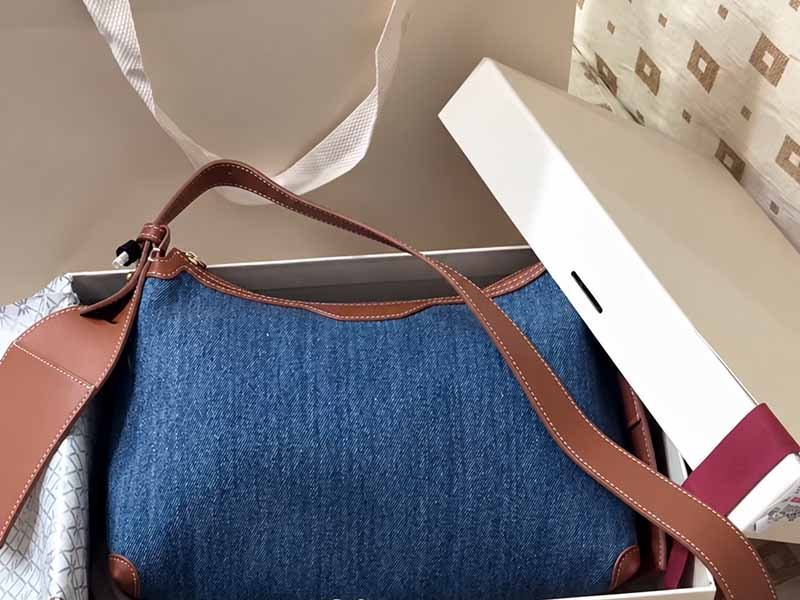
- Combined with leather, PU, or metal hardware
Canvas bags can look:
- Casual and minimal
- Rugged and functional
- Fashion-forward or lifestyle-oriented
This flexibility allows brands to target different customer segments using the same base material.
Are Canvas Bags Easy to Maintain?
Canvas bags are generally easy to care for.
Most canvas bags:
- Can be hand washed or machine washed (cold water)
- Do not require special cleaners
- Age naturally without losing function
This low-maintenance nature improves user satisfaction and repeat use.
Advantages at a Glance
| Advantage | Why It Matters |
|---|---|
| Durability | Handles repeated heavy use |
| Reusability | Reduces waste and replacement |
| Eco appeal | Supports sustainability messaging |
| Customization | Ideal for branding and private label |
| Cost control | Lower cost than leather |
| Versatility | Works across many bag types |
What Are the Drawbacks of Canvas Bags

Canvas bags are durable and versatile, but they have limitations. Common drawbacks include water absorption, added weight when wet, limited waterproof performance without treatment, and potential shrinkage or fading in low-quality canvas. Compared to leather, canvas offers less luxury appeal, and compared to synthetic fabrics, it may require more care. Understanding these drawbacks helps buyers choose the right use case.
Canvas bags are popular because they balance cost, durability, and sustainability—but they are not the perfect solution for every scenario. Knowing their drawbacks helps brands and buyers avoid mismatched expectations and unnecessary product issues.
Are Canvas Bags Heavy When Wet?
Yes. Canvas absorbs water if it is not treated or coated.
When canvas gets wet:
- The fabric becomes heavier
- Drying time increases
- The bag may feel uncomfortable to carry
This is a known limitation in:
- Rainy climates
- Outdoor and travel use
- Marine or waterside activities
To address this, many manufacturers use waxed canvas, PU-coated canvas, or water-repellent finishes, but these add cost and reduce breathability.
Are Canvas Bags Naturally Waterproof?
No. Canvas is not waterproof by default.
Untreated canvas:
- Allows moisture penetration
- Absorbs spills and rain
- Offers little protection for electronics
This makes standard canvas less suitable for:
- Dry bags
- Heavy rain environments
- Water-sensitive storage
Water resistance can be added, but canvas will never behave exactly like PVC, TPU, or fully synthetic waterproof fabrics.
Can Canvas Bags Shrink or Fade Over Time?
Yes—low-quality or untreated canvas may shrink or fade.
Common causes include:
- Lack of pre-shrinking treatment
- Poor dye quality
- Excessive machine washing
High-quality canvas bags typically use:
- Pre-shrunk fabric
- Colorfast dyes
- Controlled finishing processes
Shrinkage and fading are usually manufacturing issues, not inherent flaws of canvas itself.
Do Canvas Bags Stain Easily?
Compared to synthetic fabrics, canvas stains more easily.
Oil, food, or ink can:
- Absorb into the fibers
- Leave visible marks
- Be difficult to remove completely
This is especially noticeable on:
- Light-colored canvas
- Natural or undyed canvas
Some brands apply stain-resistant coatings, but this may slightly change the fabric’s feel.
Is Canvas Less Durable Than Synthetic Materials in Some Uses?
In certain high-abrasion or wet environments, yes.
Compared to nylon or polyester:
- Canvas is heavier
- Dries more slowly
- Has lower water resistance
For applications like:
- Technical outdoor gear
- Marine bags
- Fully waterproof bags
Synthetic fabrics may perform better. Canvas excels in everyday, lifestyle, and load-bearing use, not extreme technical conditions.
Is Canvas Better or Leather?
Canvas and leather serve different purposes, and canvas has limitations compared to leather.
| Aspect | Canvas | Leather |
|---|---|---|
| Luxury perception | Medium | High |
| Water resistance | Low | Medium (treated) |
| Aging | Softens | Develops patina |
| Maintenance | Easy | Higher |
| Cost | Lower | Higher |
Canvas lacks the premium image and longevity of leather in luxury markets, but it is lighter, more affordable, and easier to customize.
Do Canvas Bags Look “Too Casual” for Some Brands?
Yes. Canvas naturally carries a casual, utilitarian aesthetic.
This can be a drawback for:
- Luxury brands
- Formal business accessories
- High-end fashion positioning
However, many brands overcome this by:
- Using heavier canvas
- Adding leather trims or metal hardware
- Applying structured designs
Design choices determine whether canvas looks basic or premium.
Do Low-Quality Canvas Bags Create Negative Brand Perception?
Unfortunately, yes.
Low-quality canvas bags often show:
- Loose weave
- Weak stitching
- Misshapen structure
For branded or private label products, this can harm:
- Customer trust
- Brand reputation
- Repeat purchases
This is why sourcing from experienced manufacturers is critical.
Drawbacks at a Glance
| Drawback | What It Means |
|---|---|
| Water absorption | Heavier when wet |
| Limited waterproofing | Needs treatment |
| Shrinkage risk | If untreated |
| Staining | Especially on light colors |
| Casual look | Not always premium |
| Performance limits | Not ideal for extreme conditions |
How to Choose the Right Canvas Bag

Choosing the right canvas bag depends on intended use, canvas weight, construction quality, and customization needs. Buyers should evaluate fabric thickness, stitching reinforcement, handle structure, and whether water resistance or lining is required. Matching the canvas bag design to real-world usage ensures better durability, user satisfaction, and brand performance.
Canvas bags are not one-size-fits-all. The “right” canvas bag is the one that matches how it will be used, carried, and branded. Below is a step-by-step decision framework used by experienced buyers and manufacturers.
What Is the Primary Use Case of the Canvas Bag?
Start with how the bag will be used, not how it looks.
Ask these questions:
- Is it for daily shopping, work, or commuting?
- Is it a promotional giveaway or a retail product?
- Will it carry heavy items like books or tools?
- Is it for travel, outdoor use, or light errands?
For example:
- Promotional tote → lightweight canvas, simple stitching
- Daily carry bag → medium-weight canvas with reinforcement
- Tool or travel bag → heavy canvas with structured base
Use case determines fabric weight, structure, and cost level.
Which Canvas Weight and Thickness Should You Choose?
Canvas weight (measured in oz) is one of the most critical decisions.
General guideline:
- 8–10 oz: lightweight, giveaways, events
- 12–16 oz: daily-use totes, backpacks
- 18–24 oz: heavy-duty, travel, tool bags
Heavier canvas increases durability but also adds cost and weight. Over-specifying canvas can make a bag uncomfortable, while under-specifying leads to premature failure.
How Important Is Stitching and Construction Quality?
Fabric alone does not determine quality—construction does.
Key construction details to evaluate:
- Reinforced cross-stitching at handles
- Double or box stitching at stress points
- Dense stitch count (not loose or uneven)
- Clean seam finishing inside the bag
Many canvas bag failures happen at the seams, not the fabric. Strong construction extends bag life significantly.
Should You Choose Lined or Unlined Canvas Bags?
Both options are valid—depending on purpose.
Unlined canvas bags:
- Lower cost
- Lighter weight
- Suitable for casual and promotional use
Lined canvas bags:
- Better shape retention
- Improved durability
- More premium feel
For retail or branded products, lining often improves perceived value and customer satisfaction.
Do You Need Water Resistance or Special Treatments?
Standard canvas is not waterproof.
Consider treatments if the bag will be used in:
- Rainy climates
- Travel or outdoor environments
- Food or electronics carrying
Common options include:
- PU-coated canvas
- Waxed canvas
- Water-repellent finishes
Each treatment has trade-offs in breathability, texture, and cost.
How Important Is Customization and Branding?
Canvas is ideal for branding—but methods matter.
Canvas supports:
- Screen printing (best for flat designs)
- Embroidery (premium look, higher cost)
- Heat transfer printing
- Labels, patches, woven tags
Choose branding methods based on:
- Logo complexity
- Order quantity
- Target price point
A good manufacturer will advise which method lasts longest on canvas.
How Do You Balance Cost, MOQ, and Quality?
The cheapest canvas bag is rarely the best long-term choice.
When evaluating quotes:
- Compare canvas weight, not just price
- Check construction details
- Confirm fabric treatments
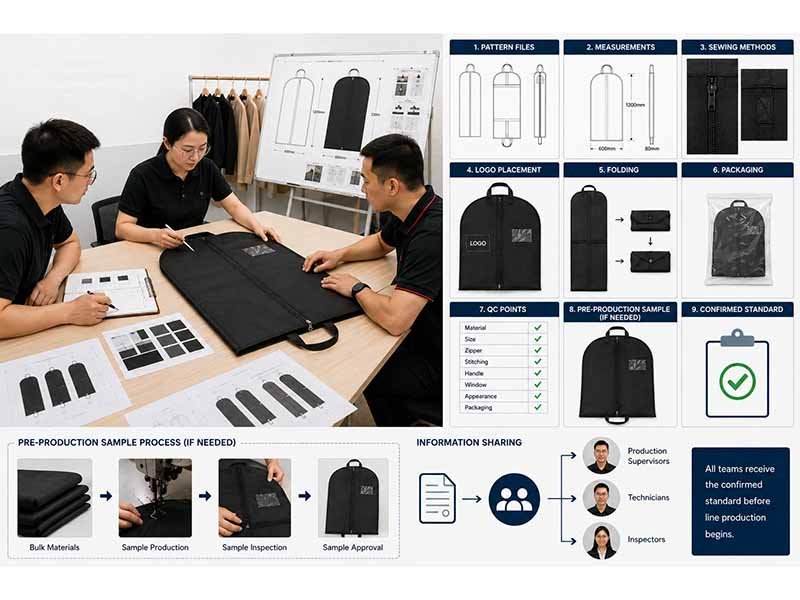
- Ask for pre-production samples
Low MOQ is important, but quality consistency matters more for brand reputation.
What Questions Should You Ask a Canvas Bag Manufacturer?
Before placing an order, ask:
- What canvas weights and materials are available?
- Is the canvas pre-shrunk and colorfast?
- How are handles and stress points reinforced?
- What customization methods are supported?
- What is the sampling and production lead time?
Clear answers indicate a professional manufacturer.
Quick Decision Checklist
| Decision Point | What to Check |
|---|---|
| Use case | Daily, promo, travel, heavy-duty |
| Canvas weight | 8–24 oz matched to load |
| Stitching | Reinforced stress points |
| Lining | Needed or not |
| Water resistance | Required or optional |
| Branding | Printing vs embroidery |
| Manufacturer | Experience + QC |
FAQs About Canvas Bags
Yes, canvas bags are considered good quality when made with the right fabric weight and construction. High-quality canvas bags use medium to heavy canvas (usually 12oz or higher), reinforced stitching at stress points, and proper finishing. Poor-quality canvas bags usually fail due to thin fabric or weak stitching—not because canvas itself is a low-quality material.
Are Canvas Bags Durable for Daily Use?
Yes. Canvas bags are well suited for daily use because canvas fabric is tightly woven and resistant to tearing and abrasion. When properly constructed, canvas bags can carry heavy loads repeatedly without losing shape, making them ideal for shopping, commuting, work, and casual travel.
Are Canvas Bags Waterproof or Water-Resistant?
Canvas bags are not waterproof by default. Standard canvas absorbs water and can become heavy when wet. However, canvas can be treated with PU coating, wax, or water-repellent finishes to improve water resistance. Even with treatment, canvas is usually water-resistant rather than fully waterproof.
Do Canvas Bags Shrink or Fade After Washing?
They can—especially low-quality or untreated canvas. Shrinkage and fading usually occur when canvas is not pre-shrunk or dyed with colorfast processes. High-quality canvas bags are typically pre-treated to minimize shrinkage and maintain color, even after repeated washing.
Are Canvas Bags Better Than Fabric Bags?
Canvas bags are a type of fabric bag, but they are usually stronger than generic fabric bags made from thin cotton, polyester, or non-woven materials. Canvas uses thicker yarns and a tighter weave, offering better durability and load-bearing capacity for everyday use.
Is Canvas Better Than Leather for Bags?
Neither material is universally better—it depends on the use case. Canvas is lighter, more affordable, easier to customize, and more eco-friendly. Leather offers higher luxury appeal and longer lifespan but costs more and requires more maintenance. Canvas is better for casual, reusable, and branded bags, while leather suits premium products.
Are Canvas Bags Eco-Friendly?
Canvas bags are widely considered eco-friendly because they are reusable, long-lasting, and often made from natural cotton or recycled fibers. One durable canvas bag can replace hundreds of single-use plastic bags, supporting sustainability and waste reduction goals.
Do Canvas Bags Stain Easily?
Canvas can stain more easily than synthetic fabrics, especially light-colored or natural canvas. Oils, food, and ink may absorb into the fibers. Some manufacturers apply stain-resistant treatments, but these may slightly change the fabric’s texture or appearance.
Are Canvas Bags Heavy Compared to Other Bags?
Canvas bags are generally heavier than thin polyester or nylon bags but lighter than leather bags. The weight depends on canvas thickness and bag construction. Heavier canvas provides better durability, while lighter canvas improves comfort for everyday carry.
Can Canvas Bags Be Machine Washed?
Most canvas bags can be machine washed using cold water and gentle cycles. Air drying is recommended to prevent shrinkage and maintain shape. Bags with leather trims, coatings, or structured inserts should be cleaned more carefully or spot-cleaned only.
Are Canvas Bags Suitable for Branding and Private Label?
Yes. Canvas is one of the best materials for branding. It supports screen printing, embroidery, heat transfer printing, labels, and patches. Logos adhere well to canvas surfaces, making canvas bags ideal for private label, promotional, and OEM/ODM products.
How Long Do Canvas Bags Usually Last?
With normal daily use, a well-made canvas bag can last several years. Longevity depends on fabric weight, stitching quality, and how the bag is used. Reinforced handles and seams significantly extend service life.
What Makes a High-Quality Canvas Bag?
A high-quality canvas bag typically includes:
- Medium to heavy canvas (12–24oz)
- Dense, even weave
- Reinforced stitching at stress points
- Pre-shrunk and colorfast fabric
- Clean finishing and strong handles
Quality comes from materials + construction, not appearance alone.
Are Canvas Bags Suitable for Custom Manufacturing?
Yes. Canvas bags are highly suitable for custom manufacturing because they are easy to cut, sew, and brand. They support low MOQ production, fast sampling, and flexible design changes, making them ideal for startups, eCommerce sellers, and established brands.
Conclusion
Canvas bags are not a one-size-fits-all product. Fabric weight, construction details, and customization methods directly affect quality, cost, and brand perception. That’s why working with an experienced manufacturer matters.
Whether you’re launching a new canvas tote line, upgrading from generic fabric bags, or scaling a private label program, Szoneier helps you avoid costly mistakes and deliver products your customers trust
Contact Szoneier today to discuss your canvas bag ideas, request samples, or receive a tailored quotation for your next custom project.