Skip to content

Wine bottle bags are not just functional; they are an elegant and customizable way to present your gift. Whether you’re wrapping a special bottle for a celebration or designing an eco-friendly option for your brand, making a wine bottle bag can be a creative and practical project. Wine bags not only protect bottles but also enhance their appeal, making them a perfect option for gifts, promotional products, or retail packaging.
In this guide, we will explore the essentials of making wine bottle bags, from understanding the best materials to creating a functional and stylish design. Whether you’re a DIY enthusiast or a business owner seeking custom packaging solutions, this article will provide you with all the tips and tools needed to craft the perfect wine bottle bag. Let’s dive into the world of wine bag creation and customization! Wine bottle bags are ideal for both personal gifting and professional use. You can create them with wrapping paper or fabric, adding personalized touches like logos and designs for branding or gifts. Learn how to make your own or order custom designs from Szoneier.
What Is a Wine Bottle Bag
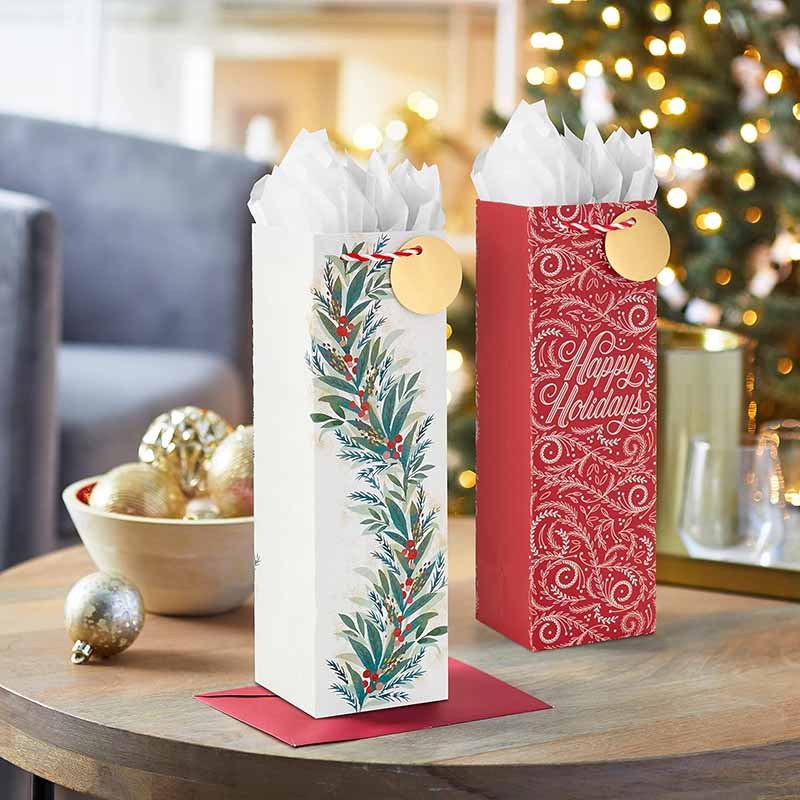
A wine bottle bag is a specially designed pouch or case used to carry, protect, and present a wine bottle. It serves both practical and decorative functions, offering a way to safely transport bottles while enhancing their appeal for gifting or promotional purposes. These bags come in various styles, sizes, and materials, making them versatile enough for different types of events, occasions, and branding needs.
Key Features of a Wine Bottle Bag:
- Protection: The primary purpose of a wine bottle bag is to protect the bottle during transportation. Wine bottles, especially glass ones, are delicate and prone to breaking. The bag cushions the bottle, reducing the risk of damage from bumps or drops.
- Presentation: Wine bottle bags are also used to enhance the appearance of the bottle. A beautifully crafted bag can make a simple bottle of wine feel more luxurious, making it an ideal choice for gifting. Many wine bags come in elegant materials such as velvet, linen, and leather, and can be custom-printed with logos, labels, or messages to create a memorable, branded experience.
- Insulation: Some wine bottle bags are designed with insulation, which helps maintain the wine’s temperature. This is particularly useful if the wine needs to be served at a specific temperature, whether chilled for white wine or at room temperature for red wine. Insulated wine bags are common for premium or corporate gifts, where maintaining the ideal serving conditions is a priority.
- Versatility: Wine bottle bags are available in various sizes to fit single bottles or multiple bottles. Some bags even feature special compartments to hold accessories like wine openers or glassware. They are used for a wide range of purposes, from weddings and holiday gifts to corporate giveaways and wine-tasting events.
Types of Wine Bottle Bags:
- Fabric Wine Bags: Made from materials like cotton, linen, and velvet, fabric wine bags are soft and reusable. They provide durability and are often used for upscale gifts or as part of corporate branding. These bags can be customized with embroidery, screen printing, or embossing, making them a perfect option for businesses looking to promote their brand.
- Paper Wine Bags: Paper wine bags are lighter and more affordable than fabric options. They are commonly used for casual gifting or when the wine is part of a larger gift basket. These bags can be found in various designs, including plain, patterned, or with windows to showcase the wine bottle inside. Paper wine bags are often used in retail settings.
- Eco-Friendly Wine Bags: Jute, non-woven fabric, and other eco-conscious materials are becoming popular choices for wine bags. These bags are biodegradable and made from sustainable resources, offering a more environmentally friendly alternative to traditional fabric or paper bags. Many businesses and consumers prefer these options for their sustainability and rustic look.
Why Are Wine Bottle Bags Important?
Wine bottle bags are more than just packaging—they are part of the experience of gifting or selling wine. A wine bottle bag can elevate the presentation of the product, turning a simple bottle into a thoughtful gift. Whether you are sending wine as a gift, using it as a marketing tool for your winery, or offering it as a retail product, a wine bottle bag adds value, protects the product, and communicates your brand’s identity.
For businesses, offering custom wine bottle bags can boost customer engagement and loyalty. Personalized wine bags are a great way to build brand recognition and create a memorable impression. Whether you are hosting a wine-tasting event or launching a new wine collection, custom wine bags can leave a lasting impact on customers, encouraging repeat business and positive word-of-mouth.
Which Materials Are Best for Wine Bottle Bags
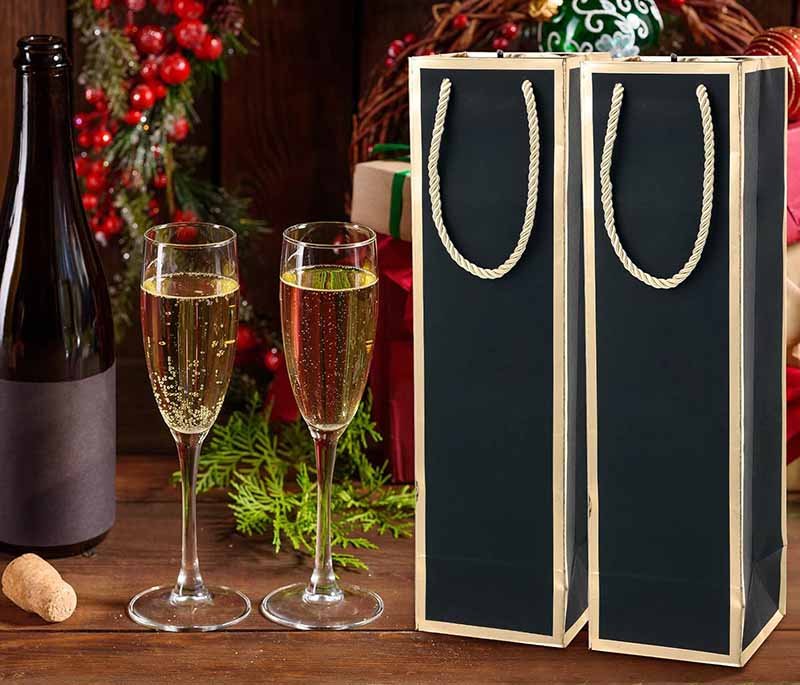
The material used for a wine bottle bag significantly impacts its durability, aesthetics, and functionality. When choosing the best material for wine bottle bags, it’s important to consider factors such as protection, insulation, environmental impact, and the bag’s intended purpose—whether for personal gifting, corporate branding, or retail use. Below are some of the most popular materials used for wine bottle bags, each offering unique benefits for different needs.
Fabric Wine Bottle Bags
Fabric is one of the most popular choices for wine bottle bags due to its durability, versatility, and ability to be customized. Fabric bags can be made from a variety of materials, each offering different qualities.
- Cotton Cotton is soft, breathable, and eco-friendly, making it a great choice for reusable wine bags. It’s lightweight and easy to clean, and it can be printed with various designs, making it ideal for custom branding. Organic cotton is a popular sustainable option for eco-conscious buyers. Cotton bags are versatile and can be used for both casual and upscale gifts.
- Linen Linen is another premium fabric option for wine bags, offering a sophisticated look and feel. It is made from flax fibers and is highly durable and absorbent. Linen bags tend to have a rustic charm and are often used for luxury or eco-friendly wine packaging. The texture of linen makes it easy to print or embroider custom logos, adding a personal touch to corporate gifts or wedding favors.
- Velvet For high-end wine bottle bags, velvet is a luxurious fabric choice. Velvet offers a rich, plush texture that enhances the elegance of the wine bottle inside. It is ideal for upscale events or premium wine brands looking to make an impression. Velvet wine bags are commonly used in gift sets or special occasions like weddings or holidays. They are available in various colors and can be embroidered or printed with logos for added personalization.
- Jute Jute is a natural fiber that is becoming increasingly popular for wine bags due to its rustic, eco-friendly appeal. Jute bags are biodegradable, durable, and have a sturdy texture that offers great protection for the wine bottle. These bags often come with cotton or fabric linings for extra protection. Jute wine bags are a fantastic choice for brands promoting sustainability, especially those in the organic or natural wine industries. Jute bags can be customized with logos or messages through printing or embroidery.
Paper Wine Bottle Bags
Paper wine bottle bags are lighter, more affordable, and more readily available than fabric bags. They are commonly used for casual gifting or when a more temporary solution is needed.
- Kraft Paper Kraft paper wine bags are a popular, eco-friendly option. Made from unbleached paper, kraft bags have a natural, rustic appearance. They are sturdy enough to hold a single wine bottle and offer an affordable, stylish solution for casual gifting. Kraft paper wine bags can be easily customized with printing, making them ideal for branding or special messages. Many brands use kraft paper bags for corporate events or promotional giveaways.
- Gloss or Matte Paper Glossy or matte paper wine bags are a more polished and professional option. These bags are commonly used in retail or for high-end gifting. The glossy finish gives the bag a shiny, elegant appearance, while matte finishes provide a more subtle and sophisticated look. These bags often feature handles and can be printed with logos, making them great for businesses looking to advertise their brand.
- Recycled Paper As sustainability becomes more important to consumers, recycled paper wine bags are gaining popularity. These bags are made from post-consumer recycled paper, offering an eco-conscious alternative to traditional paper wine bags. Recycled paper bags come in various finishes, including kraft, matte, and glossy, and they can be customized with eco-friendly printing techniques.
Eco-Friendly Materials
Sustainability is becoming a critical consideration when choosing wine bottle bag materials. Several eco-friendly materials are available for wine bags, allowing consumers and businesses to make environmentally conscious choices.
- Non-Woven Fabric Non-woven fabric is a durable and lightweight material often used for eco-friendly wine bags. It is made by bonding fibers together without weaving, resulting in a material that is strong, water-resistant, and easy to clean. Non-woven bags are often made from recycled materials, making them a great option for businesses looking to reduce their environmental impact. These bags can be customized with logos, making them a popular choice for promotional wine packaging.
- Recycled PET (rPET) Recycled PET (rPET) is a fabric made from post-consumer plastic bottles. It is a highly durable and sustainable option for wine bags, as it repurposes plastic waste into a useful product. rPET wine bags are ideal for businesses that want to promote their sustainability efforts while offering a high-quality product. These bags are customizable and can be made with insulation for added protection.
- Jute with Cotton Lining Combining jute with a cotton lining is an eco-friendly option that offers both durability and comfort. The jute provides strength and rustic appeal, while the cotton lining offers a soft, smooth surface that protects the wine bottle. This combination is popular for businesses looking to offer a premium, eco-conscious option for their wine bags. These bags are often used for organic wine or eco-friendly events.
Insulated Wine Bottle Bags
Insulated wine bottle bags are designed to keep the wine at the optimal temperature, whether it’s chilled or at room temperature. These bags are commonly used for premium wine products or for wine-tasting events.
- Foil-Lined Insulated Bags Foil-lined bags are commonly used for insulation in wine bottle bags. The reflective surface of the foil helps keep the wine cool by blocking out heat. These bags often come with additional layers of foam or padding for extra protection. Foil-lined wine bags are typically used for travel or outdoor events where maintaining the wine’s temperature is important.
- Neoprene Wine Bags Neoprene is another excellent insulating material commonly used for wine bottle bags. It is flexible, lightweight, and provides excellent insulation. Neoprene wine bags are often used for more casual gifting or events, as they come in a wide range of colors and designs. These bags offer both temperature control and durability, making them ideal for wine enthusiasts.
Which Material Should You Choose?
The choice of material depends on several factors, including the purpose of the wine bag, the target audience, and the desired brand image. For luxury wine bags, premium fabrics like velvet or linen are ideal, providing elegance and a high-end experience. For eco-conscious customers, jute and non-woven fabric are excellent choices, offering both sustainability and durability. Insulated wine bags are perfect for wine lovers who want to maintain their wine’s ideal temperature.
Szoneier’s Custom Solutions: At Szoneier, we offer a wide range of customizable wine bottle bags made from premium fabrics like cotton, velvet, and jute, as well as eco-friendly materials such as recycled PET and non-woven fabric. Whether you’re looking for personalized branding, eco-conscious designs, or premium gift packaging, we can create the perfect wine bag for you. Contact us today for a consultation on your custom wine packaging needs.
How to Make Wine Bottle Bags at Home

Making your own wine bottle bags at home is a fun and creative DIY project that can add a personal touch to your gift-giving or branding. Whether you’re looking to create a stylish, reusable bag for a bottle of wine, or you want to make a special gift, learning how to make wine bottle bags is a cost-effective and rewarding way to showcase your creativity.
Here’s a detailed, step-by-step guide to making your own wine bottle bags at home, using different materials, including fabric and wrapping paper. These methods are easy to follow and allow you to customize the design, ensuring that your wine bottle bags stand out.
Materials You’ll Need:
- For Fabric Bags:
- Fabric (cotton, linen, jute, or any material you prefer)
- Scissors
- Sewing machine or needle and thread
- Ruler or measuring tape
- Iron (for smoothing out wrinkles)
- Ribbon, string, or cord for drawstrings (optional)
- Pins to hold the fabric in place (optional)
- For Wrapping Paper Bags:
- Decorative wrapping paper (Kraft paper, patterned paper, or recycled paper)
- Scissors
- Double-sided tape or glue
- Ribbon, twine, or string for decoration
How to Make a Fabric Wine Bottle Bag:
Step 1: Measure the Wine Bottle
Before cutting your fabric, you’ll need to measure the wine bottle. Measure the height and circumference of the bottle to determine how much fabric you need. Add an extra inch to the width for seam allowance.
- For a single bottle, a standard measurement could be around 10-12 inches in height and 7-8 inches in circumference.
- For a multi-bottle bag, simply adjust the measurements to fit multiple bottles side by side.
Step 2: Cut the Fabric
Using your measurements, cut your fabric to size. For a single bottle bag, cut a rectangle that is about 13-14 inches in height and 9-10 inches in width. For a multi-bottle bag, adjust the width accordingly.
Step 3: Sew the Side Seams
Fold the fabric with the right sides together, aligning the edges. Pin the edges in place, and sew along the side with a sewing machine or by hand. Use a straight stitch to create a clean seam. Be sure to leave a 1/4-inch seam allowance for durability.
Step 4: Create the Bottom of the Bag
Once the side seams are sewn, you’ll need to create a bottom for the bag. Fold the bottom corners of the bag to form a small triangle, and sew across the triangle to create the base. This step ensures that your bag will stand up properly and hold the bottle securely.
Step 5: Add the Drawstring (Optional)
To add a drawstring closure to your bag, fold over the top edge of the bag about 1 inch and sew it in place. Then, thread a ribbon or cord through the opening, tying a knot at each end for easy closure. You can also use fabric strips or decorative lace for a more elegant look.
Step 6: Finish and Personalize
Iron the seams to smooth out any wrinkles. Add any custom details, such as embroidery, screen printing, or fabric paint, to personalize your bag. You can add logos, names, or special messages if you’re making the bags for branding purposes. For a rustic look, you could also add decorative buttons, lace, or fabric flowers.
Step 7: Insert the Wine Bottle
Once the bag is complete, slide the wine bottle into the bag and pull the drawstring tight. Your custom wine bottle bag is ready to be gifted or used for branding!
How to Make a Wine Bottle Bag from Wrapping Paper:
If you’re looking for a simpler, one-time-use option, a wine bottle bag made from wrapping paper is an easy and affordable solution. This method is ideal for quick gifting or holiday occasions.
Step 1: Measure the Bottle and Cut the Paper
Measure the height and width of the wine bottle, and then cut the wrapping paper to size. A good rule of thumb is to cut a piece of wrapping paper about 12-14 inches in height and 8-10 inches in width, depending on the bottle size. Add a little extra for overlap.
Step 2: Wrap the Paper Around the Bottle
Place the wine bottle on the center of the cut wrapping paper and carefully wrap the paper around the bottle. Leave a slight overlap to ensure the paper fully covers the bottle. Use double-sided tape or glue to secure the paper in place.
Step 3: Create the Closure
Once the paper is wrapped securely, fold the top of the paper down about 1-2 inches and then fold it over to form a neat edge. You can use a ribbon, twine, or string to tie the top and create a closure. This step not only secures the bag but also adds a decorative touch.
Step 4: Add Decorative Elements
To enhance the appearance of the bag, add decorative elements like bows, dried flowers, or a gift tag. You can also add a personal touch by writing a message on the paper or using a sticker with a brand logo if it’s for promotional purposes.
Step 5: Insert the Bottle
Your wine bottle is now ready to be placed inside the wrapping paper bag. Once inside, the bag will provide both protection and a stylish presentation for the bottle.
Customization Tips for Wine Bottle Bags:
- Branding: If you’re making wine bags for a business or event, consider adding your logo to the fabric or paper using embroidery, fabric paint, or custom labels. This adds a professional touch and helps with brand recognition.
- Eco-Friendly Options: Consider using recycled or natural materials, such as jute or organic cotton, for an environmentally friendly wine bottle bag. Jute bags, in particular, provide a rustic and sustainable look, ideal for businesses in the natural or organic sectors.
- Colors and Patterns: Choose colors and patterns that align with the occasion or brand identity. For example, you could go for elegant black velvet bags for weddings or luxurious holiday-themed prints for festive gifts.
Why Make Wine Bottle Bags at Home?
Making your own wine bottle bags at home offers numerous benefits:
- Personalization: You have complete control over the design, fabric, and colors, making it easy to create bags that reflect your personal or brand identity.
- Eco-Friendliness: By reusing fabric scraps or using sustainable materials, you can reduce waste and promote eco-consciousness.
- Cost-Effective: Making wine bags yourself can be more affordable than buying pre-made ones, especially for small events or personal gifts.
How to Customize Wine Bottle Bags
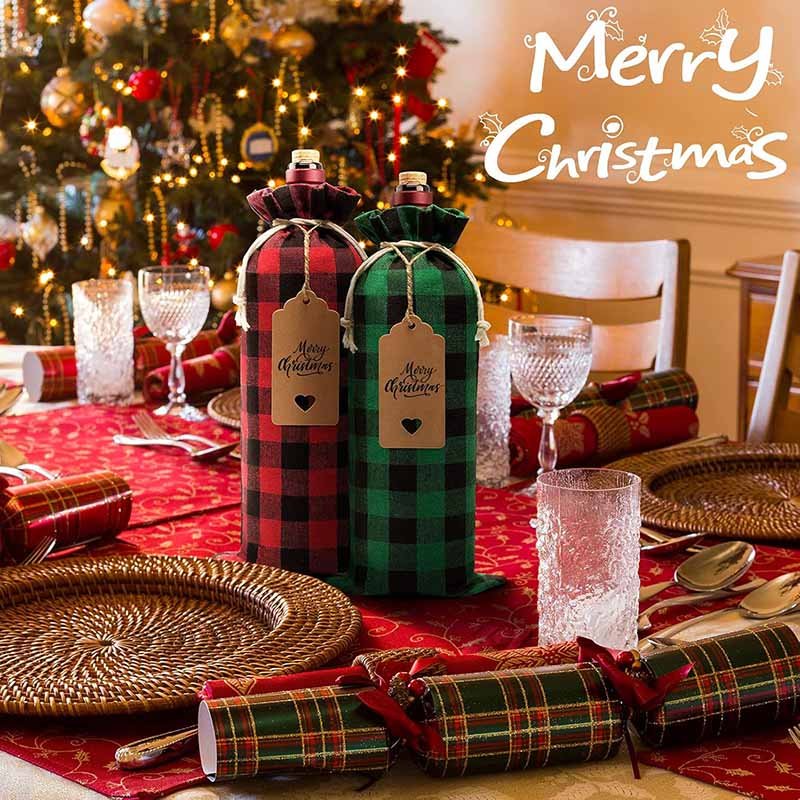
Customizing wine bottle bags adds a personal or professional touch, making them ideal for special occasions, gifts, corporate events, or brand promotions. Whether you want to create wine bags for a wedding, company branding, or a unique gift, customization offers endless possibilities. Here’s how you can customize wine bottle bags effectively, focusing on fabric, design options, and finishing techniques that cater to both individual and business needs.
Why Customize Wine Bottle Bags?
Custom wine bottle bags serve both functional and decorative purposes. When customized, they:
- Enhance the Gift’s Appeal: A well-designed wine bag makes the bottle more visually appealing and adds value to the gift.
- Promote Your Brand: For businesses, custom bags provide an opportunity to showcase your brand logo, message, and values.
- Create a Personal Touch: Personalized wine bags make thoughtful gifts, tailored to the recipient’s taste and preferences.
Step-by-Step Guide to Customizing Wine Bottle Bags
1. Choosing the Right Material for Customization
The material of the wine bottle bag plays a significant role in the customization process. Different materials respond better to certain customization techniques. Here are some common materials for wine bags and the customization options for each:
- Fabric Wine Bags (Cotton, Linen, Velvet, Jute)
- Printing: Fabric bags can easily be printed with logos, patterns, or messages using screen printing, digital printing, or heat transfer methods.
- Embroidery: For a more luxurious and textured feel, embroidery is ideal. It works well on fabrics like cotton, linen, and velvet.
- Embellishments: Fabrics like velvet and linen can be embellished with sequins, beads, or rhinestones to add an elegant touch.
- Custom Linings: You can add personalized linings to fabric bags for an extra layer of customization. For example, a logo can be printed inside the bag.
- Eco-Friendly Materials (Jute, Non-Woven Fabric, Recycled PET)
- Printing: Eco-friendly bags are often printed with water-based inks or eco-friendly dyes that align with sustainable practices.
- Stitching: For a more artisanal feel, you can use contrasting thread colors to create a custom design through stitching on jute or recycled materials.
- Embossing: For a refined and eco-conscious look, embossing your logo or message onto non-woven fabric or jute bags adds texture without compromising on sustainability.
- Paper Wine Bags (Kraft, Gloss, or Matte Paper)
- Stamping and Foil Printing: For paper bags, you can add foil stamping to enhance the luxury feel. This technique is commonly used for logos and special messages.
- Handwritten or Printed Labels: You can affix custom labels to paper wine bags, which is a great option for limited-edition releases or seasonal promotions.
- Design Printing: For larger orders, digital printing can be used to imprint full-color designs, logos, or patterns on the paper wine bags.
2. Adding Personalized Logos and Branding
One of the most popular customization options for wine bottle bags is adding logos or brand names. This can be done through several techniques, depending on your needs:
- Screen Printing: Screen printing is ideal for bulk customization. It’s a versatile method that works well on both fabric and paper. It’s perfect for printing simple logos or designs with one or two colors. It’s durable and cost-effective for larger orders.
- Embroidery: Embroidery offers a premium feel and is perfect for high-end wine bottle bags. It’s often used for adding monograms, logos, or small text to fabric bags like cotton, linen, or velvet. Embroidery can be done using contrasting threads to highlight the logo and ensure it stands out.
- Heat Transfer Vinyl (HTV): Heat transfer vinyl is a great option for intricate designs and multi-colored logos. The design is cut from vinyl sheets and then applied to the fabric using heat. This method is commonly used for custom wine bags made from cotton or non-woven materials.
- Foil Printing and Embossing (For Paper Bags): For paper wine bags, foil printing offers a shiny, metallic finish for logos or special messages. Embossing provides a raised texture, adding a touch of elegance without the use of color.
3. Customizing with Color and Patterns
When customizing wine bottle bags, color plays a crucial role in the design process. Color choices reflect the mood, theme, and branding of the wine bag. Here’s how to use color effectively:
- Custom Color Choices: Whether you are making wine bottle bags for a wedding or a corporate event, select colors that match the theme or brand. For weddings, romantic colors like red, gold, and silver are popular, while corporate events may require neutral or branded colors.
- Pattern Customization: Adding patterns to your wine bottle bags can make them stand out. Whether it’s stripes, polka dots, or floral designs, patterns can be printed on fabric or paper bags to create a unique look. For fabric bags, you can also opt for patterns such as gingham, plaid, or geometric designs.
- Personalized Text: Adding personalized text, such as the recipient’s name or a special message, is a simple way to make a wine bottle bag unique. Text can be printed, embroidered, or stamped depending on the material. For weddings or birthdays, you can add custom quotes, dates, or greetings.
4. Choosing the Right Closure for Functionality and Aesthetic
The closure of the wine bottle bag is both a practical and aesthetic decision. Depending on the style of the bag and its intended use, you can choose from several options:
- Drawstring Closures: Drawstrings are commonly used for wine bottle bags because they provide an easy way to secure the bottle while adding a decorative element. You can choose from cotton, velvet, or satin drawstrings, depending on the material of the bag.
- Magnetic Closures: Magnetic closures are sleek and functional. They are often used for high-end wine bags or corporate gifts. The magnets allow the bag to be closed easily while keeping the design neat and minimalistic.
- Ribbon Ties: Ribbon ties are perfect for adding a soft, elegant finish to the bag, especially for weddings or luxury gifts. You can use satin, organza, or burlap ribbons to match the theme of the event.
- Zipper Closures: Zipper closures are ideal for providing maximum security. They also add a modern touch, and the zipper ensures that the wine bottle stays safe inside the bag during transportation. Zippers work well with fabric bags and are often used for insulated wine bags.
5. Additional Customization Features
There are a few other elements that can be added to wine bottle bags to make them truly unique:
- Pockets and Compartments: Adding a small pocket or compartment inside the wine bottle bag can be functional for holding accessories like a wine opener, corkscrew, or wine stopper. This is a great option for those looking to create a more functional and premium wine gift set.
- Insulation: For customers who want to keep their wine at the ideal temperature, customizing wine bottle bags with insulation is a smart option. Insulated wine bags keep both red and white wines at the right temperature during transport, making them perfect for outdoor events or wine tasting.
- Handles and Straps: The type of handle or strap can also be customized. For fabric bags, you can choose between short handles or long shoulder straps, depending on the bag’s size. Leather or jute handles provide a rustic or high-end feel.
6. Printing Techniques for Bulk Customization
If you’re customizing wine bottle bags in large quantities for a business or event, certain printing techniques can be more cost-effective and efficient for mass production:
- Screen Printing: This method is ideal for large batches, as it can be done on both fabric and paper bags. Screen printing uses a mesh stencil to apply ink to the fabric, and it’s suitable for logos, text, or simple designs.
- Digital Printing: For more complex, colorful designs, digital printing is an excellent choice. It’s suitable for custom wine bags with detailed graphics or full-color images. This method works well on fabric, paper, and non-woven materials.
Do Wine Bottle Bags Need Special Features
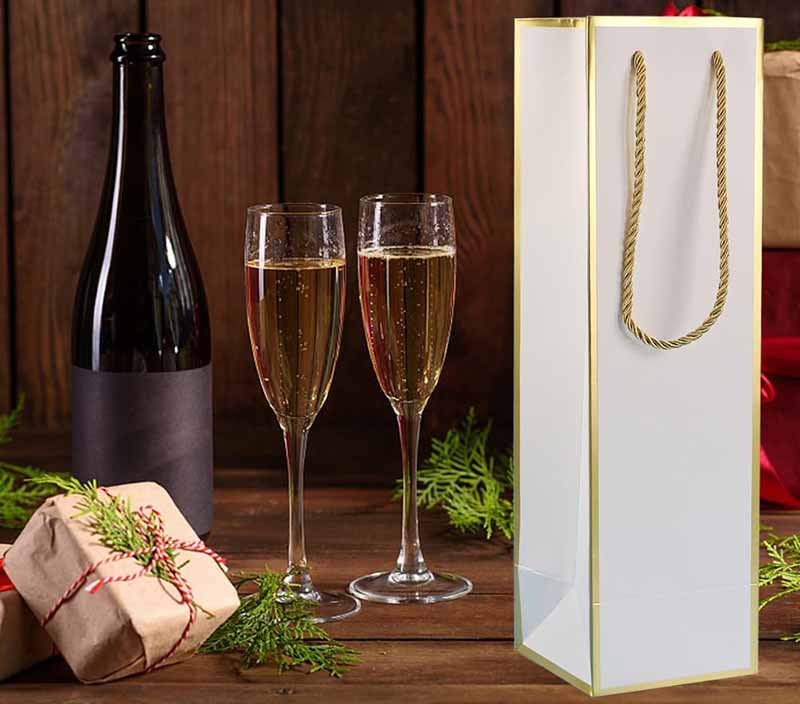
Wine bottle bags, while primarily designed for transporting and presenting bottles, can benefit greatly from special features that enhance their functionality, appeal, and overall user experience. These features can range from insulation to added compartments, and even decorative elements. Depending on the use case—whether for gifting, branding, or practical transport—these features can provide added value to the product. Let’s explore the key special features that can make wine bottle bags stand out, offering both functional and aesthetic benefits.
1. Insulation: Protecting Temperature and Quality
One of the most important special features for wine bottle bags is insulation. Whether you’re transporting wine to a dinner party, wine tasting event, or picnic, maintaining the proper temperature is crucial to preserving the wine’s taste and quality. Insulated wine bottle bags are designed to protect the wine from temperature fluctuations, ensuring it stays at the ideal serving temperature.
- How Insulation Works: Insulated wine bags typically feature a layer of foam or a reflective material like foil inside the bag. This layer prevents heat from penetrating the bag during warm weather and helps maintain cold temperatures for white wine or champagne. Conversely, it can also protect the wine from getting too cold during winter, keeping red wines at the right room temperature.
- Benefits for Gifting or Business: Custom insulated wine bags are especially popular for high-end gifts or corporate events. They add an extra layer of luxury to the wine bottle and show thoughtfulness for the recipient’s experience. If you’re gifting wine for a special occasion, an insulated bag will ensure that it’s ready to enjoy without the need for refrigeration or immediate decanting.
2. Reinforced Handles: Durability and Easy Handling
Another essential feature of wine bottle bags is reinforced handles. These are critical for ensuring the bag’s durability, especially when carrying heavier bottles or multiple bottles at once. Reinforced handles can be made from fabric, leather, or braided materials to provide strength and comfort during transport.
- Why Handles Matter: Wine bags are often carried long distances, whether from a store, to a party, or from a vineyard. A sturdy handle ensures that the bag won’t tear or break under the weight of the wine bottle(s). For added comfort, padded handles or adjustable straps can be included, making it easier to carry multiple bottles.
- Customization Options: Handles can be customized in terms of material, length, and design. For example, leather handles can give a more upscale, luxury feel to the bag, while cotton or jute handles can provide a rustic or eco-friendly aesthetic. Some bags also feature shoulder straps, which are ideal for heavier or multi-bottle wine bags, making them easier to carry on longer trips or events.
3. Drawstring or Magnetic Closures: Easy Access and Security
The closure of a wine bottle bag plays a vital role in keeping the bottle safe and secure while allowing for easy access. Drawstrings, magnetic closures, zippers, or velcro options are common choices. Here’s why they matter:
- Drawstring Closures: Drawstrings are commonly used for casual wine bags and provide a simple yet effective closure system. The drawstring can be tightened to securely hold the bottle inside while allowing for easy opening and closing. This is particularly useful when you want to quickly add or remove the wine bottle, such as when you’re gifting it or using it in a promotional setting.
- Magnetic Closures: Magnetic closures offer a sleek, professional look while keeping the wine bottle secure. The magnets create a clean closure without visible fasteners, making the wine bag more elegant. Magnetic closures are often used for premium wine bags designed for high-end gifting or corporate branding, where a refined and polished appearance is important.
- Zipper Closures: Zippers provide maximum security, ensuring the wine bottle stays completely enclosed in the bag during transport. This feature is especially useful for multi-bottle wine bags or for carrying delicate wine bottles that may be prone to damage. Zippered bags also provide an additional layer of protection against external elements like dust or spills.
4. Pockets and Compartments: Extra Functionality
Wine bottle bags with additional pockets or compartments offer increased functionality, making them ideal for consumers who want more than just a protective cover for their wine bottle. These additional spaces allow for holding accessories like:
- Wine Openers: Many wine bottle bags feature small inner or outer pockets to hold a wine opener or corkscrew. This is perfect for customers who like to carry everything they need to enjoy a bottle of wine in one easy package.
- Wine Stoppers: Some wine bags include a compartment to store a wine stopper, which can help preserve the wine for later use. This feature is particularly appreciated by those who enjoy wine tasting or keeping unfinished bottles for future enjoyment.
- Business Cards or Promotional Items: For businesses using wine bags for corporate gifts or events, small pockets are great for adding a business card, promotional leaflet, or other marketing materials. This creates an opportunity for direct engagement with clients or customers.
- Multiple Bottle Holders: Some wine bags are designed to hold more than one bottle. These bags often feature additional internal dividers or compartments to keep multiple bottles secure and organized during transport.
5. Decorative Elements: Branding and Personalization
Adding decorative elements to wine bottle bags not only makes them more visually appealing but also helps in promoting a brand or creating a personalized experience. Custom decorative features can include:
- Embroidery or Screen Printing: For businesses or events, embroidery or screen printing your logo or branding on wine bottle bags makes them stand out and increases visibility. Embroidered designs give a premium feel, while screen printing is cost-effective for larger runs.
- Custom Tags and Labels: Adding personalized tags or labels to the wine bag can enhance the gifting experience. For example, a handwritten message or a custom label with the event date makes a wine bottle bag even more special for weddings or anniversaries.
- Ribbons and Bows: Decorative ribbons or bows are simple yet elegant additions to wine bottle bags. Satin, velvet, or burlap ribbons are commonly used for special occasions, like weddings or holidays. They provide a polished and festive finish to the packaging.
6. Eco-Friendly Features: Sustainable Materials
In today’s environmentally conscious market, many consumers are looking for eco-friendly wine bottle bags. These bags are made from sustainable materials like recycled PET, jute, or organic cotton, offering the same durability and functionality as traditional materials while reducing environmental impact.
- Recycled PET: Bags made from recycled plastic bottles (rPET) are durable, lightweight, and made from repurposed materials, making them a great sustainable choice for wine packaging. They are often used for brands that prioritize sustainability.
- Jute and Organic Cotton: Jute and organic cotton wine bags are biodegradable and provide a rustic, natural look. These materials are not only eco-friendly but also strong and versatile, making them ideal for reusable wine bags.
Why Are Special Features Important for Wine Bottle Bags?
Special features add both functionality and aesthetic appeal to wine bottle bags, enhancing the consumer experience. Whether you’re transporting wine for a personal gift, corporate giveaway, or promotional event, these added features provide practical benefits like temperature control, durability, and ease of handling. Custom closures, insulated linings, and extra compartments improve the usability of wine bags, while decorative elements boost their visual appeal, making them perfect for gifting or brand promotion.
For businesses seeking to create a lasting impression or for individuals wanting a more thoughtful gift, customizing wine bottle bags with special features can significantly elevate the experience. Whether it’s ensuring the wine stays at the right temperature, offering added convenience with extra pockets, or enhancing the presentation with luxury finishes, these features are what set great wine bottle bags apart from the rest.
Are Homemade Wine Bottle Bags Better Than Store‑Bought

When it comes to choosing between homemade and store-bought wine bottle bags, the decision often depends on several factors, including personalization, cost, quality, and the intended use. Both options have their pros and cons, and understanding these can help you decide which is the better choice for your needs. In this section, we will compare homemade wine bottle bags to store-bought ones, exploring key considerations such as cost-effectiveness, customization, quality, and convenience.
1. Cost-Effectiveness: Homemade vs. Store-Bought Wine Bags
Homemade Wine Bottle Bags:
- Material Costs: Making wine bottle bags at home can be cost-effective, especially if you already have fabric or craft supplies on hand. Materials like cotton, linen, or jute are relatively inexpensive and can be purchased in bulk, reducing overall costs. For simple DIY projects, even recycled fabric or old clothes can be repurposed to create wine bags, making it a sustainable and budget-friendly option.
- Time Investment: While homemade wine bags can save you money on materials, the time investment needed to cut, sew, and assemble the bags should be considered. If you’re making wine bags in bulk for a business or event, the time spent on each bag can add up. However, for small quantities, the cost may still be lower than buying pre-made bags.
Store-Bought Wine Bottle Bags:
- Bulk Pricing: When purchasing wine bottle bags from a retailer or manufacturer, the cost per unit tends to decrease when buying in bulk. Store-bought bags are often made using efficient manufacturing processes, reducing costs. For large events or businesses that need hundreds of bags, store-bought options are typically more cost-effective than homemade ones due to the scale of production.
- Convenience: Store-bought bags come ready-to-use, which saves time and effort compared to DIY options. If you’re in a rush, or if you need a large quantity of wine bags, buying store-bought bags ensures that you can quickly stock up without having to invest time in making them yourself.
2. Customization: Personalizing Homemade vs. Store-Bought Wine Bags
Homemade Wine Bottle Bags:
- Total Customization Control: One of the main advantages of making wine bottle bags at home is the complete control over the design. You can choose your fabric, color, and size, and add unique features such as embroidery, appliqué, or custom prints. Homemade wine bags allow you to incorporate personal touches, like monograms, custom messages, or special embellishments, which is particularly valuable for gifts or special events.
- Creative Freedom: With homemade wine bags, you’re not limited to predefined designs. You can create custom closures, decorative accents, or even compartments for wine accessories like corkscrews and wine stoppers. If you’re crafting the bags for a wedding, birthday, or corporate event, this creative freedom allows you to align the design with the theme of the event or the recipient’s preferences.
Store-Bought Wine Bottle Bags:
- Limited Customization: While many store-bought wine bottle bags can be customized with logos, names, or messages, the range of customization options is often limited compared to homemade bags. The bags are typically produced in standard designs, with customization options available only through additional screen printing, embroidery, or labels. Customization is usually done at the point of purchase or after the bag has been made, and it can sometimes be more expensive, especially for small quantities.
- Quick Customization for Bulk Orders: For businesses, store-bought bags offer a quick and efficient way to get custom bags in large quantities. Suppliers often allow for simple customizations, like printing logos or adding text, but the options are not as flexible as creating a truly bespoke design at home. These bags are ideal for situations where the design needs to be consistent and uniform across many units.
3. Quality: Homemade vs. Store-Bought Wine Bags
Homemade Wine Bottle Bags:
- Control Over Materials: With homemade wine bags, you have complete control over the quality of materials. You can choose premium fabrics like organic cotton, velvet, or linen, which are often not found in store-bought bags. Additionally, you can use eco-friendly materials such as recycled fabrics or sustainable fibers that may align with your values.
- Durability: The durability of homemade wine bags depends on the materials used and the sewing technique. If you’re experienced with sewing and use high-quality materials, homemade bags can be just as durable, if not more so, than store-bought bags. However, if the sewing is not precise, the bags may not hold up as well under pressure.
Store-Bought Wine Bottle Bags:
- Mass Production Quality: Store-bought wine bags are made using mass production techniques, ensuring that they are uniform in quality. However, the quality can vary based on the brand and price point. High-end manufacturers may use premium fabrics, while budget options may be made with cheaper materials. For mass-produced options, quality control is typically stricter, so you’re guaranteed consistency in appearance and functionality.
- Durability and Functionality: Store-bought wine bags often come with features like reinforced stitching and strong handles, which add to their durability. The materials used in mass production are typically chosen for their strength and ability to withstand wear and tear. However, some lower-cost options may not offer the same level of protection or customization as homemade options.
4. Convenience: Homemade vs. Store-Bought Wine Bags
Homemade Wine Bottle Bags:
- Time-Consuming: Homemade wine bags are a time-intensive project, especially if you’re making multiple bags. Sewing, cutting, and customizing the bags can take several hours, depending on the complexity of the design. This might not be ideal if you need a large quantity of bags quickly or if you’re making bags for a large event.
- Personal Effort: For special occasions or gifts, the time and effort put into making homemade wine bags adds personal value to the gift. A homemade wine bag reflects thoughtfulness, creativity, and care, which can make the gift feel more meaningful.
Store-Bought Wine Bottle Bags:
- Ready to Use: Store-bought bags are convenient because they come pre-made, ready for immediate use. Whether you need wine bags for a corporate event, birthday party, or wedding, store-bought bags can be purchased in bulk and delivered quickly. You won’t have to worry about sewing or crafting each bag yourself, making it an efficient solution when time is of the essence.
- Variety and Availability: Store-bought bags offer a wide variety of designs and materials, so you can easily find one that suits your needs. Whether you need a luxury velvet wine bag or an eco-friendly jute wine bag, you can find a suitable option without the need to customize. For businesses, this is an efficient way to provide consistent packaging without investing too much time in production.
What Are Common Mistakes and How to Avoid Them
When making wine bottle bags, whether for personal gifting, branding, or business purposes, it’s important to be mindful of certain common mistakes that can affect the quality, functionality, and appearance of the finished product. These mistakes can lead to wasted materials, unnecessary time spent reworking designs, and subpar final results. By understanding these mistakes and knowing how to avoid them, you can create wine bottle bags that are both practical and aesthetically pleasing.
Here are some of the most common mistakes people make when creating wine bottle bags and how to avoid them:
1. Incorrect Sizing
Mistake: One of the most common mistakes when making wine bottle bags is incorrectly sizing the bag to fit the bottle. If the bag is too large, it may be loose and ineffective at protecting the bottle, and if it’s too small, the bottle may not fit properly, causing strain on the seams and handles.
How to Avoid It:
- Accurate Measurements: Always start by measuring the height and circumference of the wine bottle. For a snug fit, measure the wine bottle’s widest point (usually the base) and add a small allowance (about 1 inch) for seam allowances and stitching. The height of the bag should be about 1-2 inches taller than the wine bottle, depending on how much excess you want at the top for closures or decorations.
- Use Templates: If you’re making several wine bags, creating a template from paper or cardboard will help ensure consistent sizing and avoid mistakes during cutting. Templates allow for easy adjustment of dimensions before cutting fabric or paper.
- Consider the Type of Bottle: Wine bottle shapes can vary. A standard bottle is different from a champagne bottle, sparkling wine bottle, or magnum. If you’re making wine bags for various bottle types, consider designing bags in different sizes or making adjustable bags that can accommodate a range of bottle shapes.
2. Choosing the Wrong Fabric or Material
Mistake: Choosing the wrong material for your wine bottle bag can result in a bag that is either too flimsy or too stiff. For example, using lightweight fabric for a bag that needs to hold a heavy bottle can cause the bag to tear easily, while using heavy-duty fabric for a simple gift bag might make the wine bottle bag feel unnecessarily bulky.
How to Avoid It:
- Choose Durable Fabrics: Fabric like cotton, canvas, and jute are durable and perfect for homemade wine bottle bags. For luxury wine bags, velvet or linen can be used for a more elegant look. Ensure the material you choose is sturdy enough to handle the weight of a full wine bottle.
- Test the Fabric First: Before committing to a large batch of wine bottle bags, do a test run with your chosen fabric to see how it handles the weight of a bottle. Check for issues such as excessive wrinkling, tearing, or lack of structure.
- Consider Insulation Needs: If you want to create an insulated wine bag, choose materials like neoprene, felt, or foil-lined fabrics that can provide thermal protection for the bottle. These materials help keep wine at the right temperature, especially for premium bottles or gifts.
3. Poor Stitching or Weak Seams
Mistake: Weak stitching and poorly executed seams are a common mistake when making wine bottle bags, especially if you’re using a sewing machine for the first time. Weak seams can cause the bag to fall apart, especially when carrying a bottle. This issue is particularly prevalent in areas that are subject to stress, such as the handles or bottom of the bag.
How to Avoid It:
- Use a Strong Stitching Technique: For added durability, use a double stitch (two parallel seams) at the sides and handles of the bag. This ensures that the seams can handle the weight of the wine bottle without tearing.
- Reinforce Stress Points: Reinforce the corners and the bottom of the bag by double-stitching these areas or using extra fabric to create additional strength. When adding handles, make sure to stitch them multiple times for extra strength.
- Choose the Right Thread: The type of thread used is just as important as the stitching technique. Use strong polyester thread or another durable material that can withstand the stress placed on the wine bottle bag. Avoid using cotton thread, which may break easily.
4. Inconsistent Design or Unfinished Edges
Mistake: An inconsistent design or unfinished edges can detract from the appearance of your wine bottle bags. Unfinished raw edges or uneven hems can make the bag look unprofessional, especially for custom wine bags meant for business or high-end gifting.
How to Avoid It:
- Finish All Edges: If you’re using fabric, be sure to finish all raw edges by using a serger or a zigzag stitch. This prevents the fabric from fraying over time and ensures the bag remains neat and professional.
- Press the Fabric: Iron the fabric before cutting and sewing to ensure it’s wrinkle-free. Pressing the seams while sewing will also make them sharper and more polished.
- Maintain Consistent Design Elements: Pay attention to design consistency, especially if you’re personalizing the wine bags with logos, patterns, or embroidery. Ensure that any printed logos or text are aligned properly and centered on the bag.
5. Forgetting to Account for Handle Placement
Mistake: Poorly placed handles can make the wine bottle bag difficult to carry or unattractive. Handles that are too short, too long, or uneven can cause discomfort or create an unbalanced look.
How to Avoid It:
- Correct Handle Placement: When sewing handles onto the bag, make sure they are placed symmetrically on both sides. For comfort, the handle should be long enough to carry the bag comfortably in your hand or on your shoulder. For a single bottle, handles around 10-12 inches in length should work well, depending on the bag’s size and style.
- Reinforce Handles: As handles are often the most stressed part of the bag, reinforce the fabric where the handles are attached. Use extra stitching or double layers of fabric to ensure the handles are sturdy enough to hold the weight of a wine bottle.
6. Overlooking the Closure Mechanism
Mistake: Failing to add a proper closure mechanism can make your wine bottle bag difficult to use. Without closures, the wine bottle may spill out or be exposed to dust, dirt, or light, which can affect the presentation or quality.
How to Avoid It:
- Choose the Right Closure for Functionality: If you’re making a casual wine bag, a drawstring closure might be sufficient, offering easy access and a decorative touch. For a more secure bag, consider magnetic closures or zippers, especially for insulated or luxury wine bags.
- Ensure the Closure is Easy to Use: Closures should be functional as well as aesthetic. Ensure they can be easily opened and closed, especially for gifting or corporate events, where users may need to access the bottle quickly.
Conclusion
If you’re looking to create custom wine bottle bags for your business, event, or special occasion, Szoneier can help! We specialize in custom manufacturing, offering a wide range of high-quality options tailored to your needs. Whether you’re looking for eco-friendly materials, premium finishes, or bulk orders, we can design the perfect wine bag for you. Contact us today for a free consultation and let us help bring your custom wine bottle bag vision to life!