Skip to content

Walk into a school, airport, or city street today, and you’ll see one thing everywhere: backpacks. Yet many people still casually call them bookbags. Are these two terms interchangeable—or do they actually describe different types of bags?
The confusion isn’t accidental. “Bookbag” is a term deeply rooted in history, especially in North America, while “backpack” has evolved into a broad category that now includes school bags, travel packs, laptop backpacks, hiking packs, and lifestyle designs. For everyday users, the difference may feel semantic. But for brands, buyers, and manufacturers, the distinction affects design, capacity, comfort, materials, and market positioning.
A bookbag traditionally refers to a simple bag designed to carry books, often used by students, while a backpack is a broader category of bags worn on the back with two shoulder straps. Today, most bookbags are technically backpacks, but the terms differ in historical usage, design complexity, comfort, and capacity. Choosing between them depends on use, load, and design expectations.
At Szoneier, we’ve seen buyers struggle not because they chose the wrong term, but because they chose the wrong design logic. A bag that works perfectly for light school use may fail when adapted for travel or daily commuting. In this guide, we’ll clarify the real differences—and help you choose the right option for your needs or your brand.
What Is a Bookbag and What Is a Backpack?

A bookbag traditionally refers to a simple bag designed to carry books, mainly used by students, while a backpack is a broader category of bags worn on the back with two shoulder straps. Today, most bookbags are technically backpacks, but the terms differ in historical usage, structural design, comfort level, and intended use.
The confusion between bookbags and backpacks is one of the most common questions consumers and buyers ask—and for good reason. In everyday conversation, people often use the two terms interchangeably. However, from a design, manufacturing, and functional perspective, there are meaningful distinctions that help explain why both terms still exist today.
To fully understand the difference, it’s important to look at where each term comes from, how the designs evolved, and how they are used in modern markets.
What does the term “bookbag” originally mean?
The term bookbag originated as a literal description: a bag for carrying books. Historically, bookbags were developed specifically for students who needed a simple way to transport textbooks and notebooks between home and school.
Traditional bookbags typically featured:
- A basic rectangular or sack-like shape
- One main compartment
- Thin or minimally padded straps
- Little to no internal organization
Early bookbags were not designed with ergonomics in mind. At the time, students carried fewer items, and comfort or long-term back health was rarely considered. This is why bookbags were often lightweight, inexpensive, and simple in construction.
Even today, when people say “bookbag,” they usually imagine a school-focused bag rather than a travel or outdoor backpack.
What defines a backpack in modern bag design?
A backpack, in modern usage, is defined more by how it carries weight and how it’s engineered, rather than what it carries.
Modern backpacks typically include:
- Two padded shoulder straps for balanced weight distribution
- A structured back panel
- Multiple compartments for organization
- Reinforced stitching and load-bearing seams
- Optional padding for laptops or electronics
Backpacks are designed for longer wear and heavier loads, making them suitable for school, commuting, travel, hiking, and professional use. This is why backpacks have become the dominant category in the global bag market.
From a manufacturing standpoint, backpacks require more materials, more labor, and more engineering than traditional bookbags.
Why do people call backpacks bookbags?
This is largely due to regional language habits, especially in North America.
In many U.S. regions, particularly the Northeast and Midwest, “bookbag” became the everyday term for a student’s school bag decades ago. As bag designs evolved, the word remained—even as the products themselves became more advanced and technically accurate to call backpacks.
Outside the U.S., especially in international trade, retail, and manufacturing, “backpack” is the standard term. OEM/ODM buyers almost always use “backpack” because it clearly defines the product category.
Are bookbags and backpacks technically the same today?
In modern terms, most bookbags are backpacks, but not all backpacks are bookbags.
- A bookbag is usually school-oriented and relatively simple
- A backpack can be school-focused, travel-focused, work-focused, or outdoor-focused
This distinction matters when specifying:
- Material strength
- Padding requirements
- Capacity
- Durability expectations
Calling a heavy-duty travel backpack a “bookbag” would misrepresent its function and value.
How have bookbags and backpacks evolved over time?
As student needs expanded—laptops replacing notebooks, longer commutes, heavier loads—bags had to evolve. Manufacturers added padding, compartments, and ergonomic features, gradually transforming bookbags into modern backpacks.
The design evolved faster than the language, which is why confusion still exists today.
What Are the Main Differences Between a Bookbag and a Backpack?

The main differences between a bookbag and a backpack lie in structure, capacity, comfort, and intended use. Bookbags are typically simpler and designed mainly for carrying books, while backpacks feature reinforced construction, better weight distribution, padding, and multiple compartments. Backpacks are more suitable for heavier loads, longer wear, and diverse daily or travel use.
When people ask “What’s the difference between a backpack and a bookbag?”, they are usually trying to understand which one performs better in real life. The answer is not about naming—it’s about engineering, comfort, and load management.
From a manufacturer’s perspective, bookbags and backpacks represent two different levels of product complexity. Below, we break down the key differences that actually matter to users and brands.
What’s the difference in structure and overall design?
The most fundamental difference lies in structural complexity.
Bookbags traditionally have:
- A simple sack or rectangular structure
- Minimal internal reinforcement
- Thin fabric layers
- Basic stitching
They are easy to produce and cost-effective, but structurally limited.
Backpacks, by contrast, are engineered products:
- Reinforced panels and stress points
- Multiple fabric layers
- Load-bearing seams
- Defined shapes that retain form
This structural upgrade allows backpacks to carry heavier loads without deforming or tearing, which is why they dominate modern markets.
How do capacity and load distribution differ?
Bookbags are designed for light to moderate loads, typically books and notebooks. Their capacity is often limited, and weight distribution is basic.
Backpacks are designed to handle:
- Heavier and mixed loads
- Uneven item shapes
- Long-term carrying
With two shoulder straps and balanced positioning on the back, backpacks distribute weight evenly across the shoulders and spine. This reduces fatigue and strain, especially during long wear.
From an ergonomic standpoint, backpacks are clearly superior for daily use.
Which offers better comfort and ergonomics?
Comfort is where backpacks significantly outperform bookbags.
Backpack comfort features often include:
- Padded shoulder straps
- Adjustable strap systems
- Cushioned or breathable back panels
- Optional chest or waist straps
Bookbags, especially budget versions, often lack padding and adjustability. When overloaded, they can cause shoulder pain or poor posture.
This difference is especially important for students, commuters, and travelers who carry bags for extended periods.
How do organization and compartments compare?
Bookbags typically offer:
- One main compartment
- Limited internal organization
Backpacks usually include:
- Laptop sleeves
- Front organizer pockets
- Side pockets for bottles or accessories
- Separate compartments for electronics or clothing
Modern users expect organization. For brands, this directly affects perceived value and pricing potential.
How do durability and lifespan differ in real-world use?
Because of stronger materials and reinforced construction, backpacks generally last much longer than traditional bookbags.
Common durability upgrades in backpacks include:
- Higher-denier fabrics
- Bar-tack stitching at stress points
- Reinforced bottoms
- Stronger zippers and hardware
Bookbags may be sufficient for short-term or light use but often fail faster under daily stress.
Do bookbags and backpacks serve different use scenarios today?
Yes. In modern markets:
- Bookbags are often associated with:
- Light school use
- Budget or promotional products
- Minimalist or retro styles
- Backpacks are used for:
- School and college
- Work and commuting
- Travel and outdoor activities
- Professional and lifestyle markets
Understanding this distinction helps brands choose the right product category and avoid mismatched customer expectations.
Which Is Better for School, College, and Students?
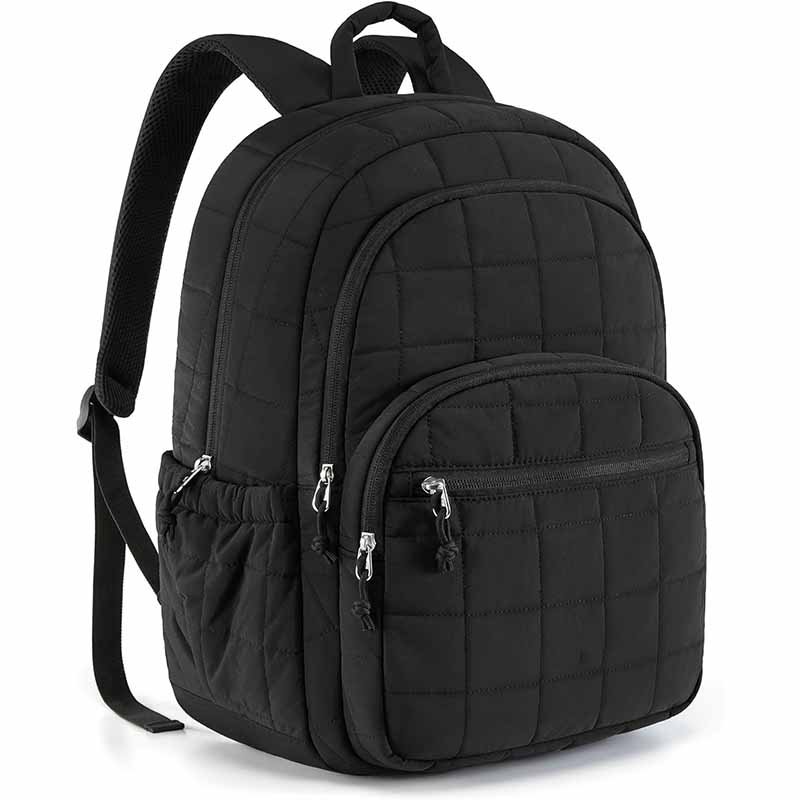
For school and college students, backpacks are generally better than traditional bookbags because they offer greater capacity, better weight distribution, and improved comfort. Bookbags may still work for younger students or light loads, but backpacks are more suitable for carrying textbooks, laptops, and daily essentials safely over long periods.
Choosing the right school bag is no longer just about style or tradition—it directly affects comfort, safety, durability, and daily performance. As academic life has evolved, so have the demands placed on student bags. Textbooks have grown heavier, laptops and tablets are now standard, and students often carry bags for hours at a time.
From a design and manufacturing standpoint, these changes clearly favor backpacks over traditional bookbags in most school and college scenarios.
Are bookbags still commonly used in schools today?
Bookbags are still used, but their role has become more limited. In modern schools, especially in urban and suburban environments, true bookbag-style designs are mostly seen in:
- Elementary schools with lighter loads
- Short-distance commutes
- Budget or promotional school programs
In many cases, students and parents still say “bookbag,” but the product they purchase is actually a basic backpack with two shoulder straps. Pure bookbags with minimal padding are far less common than they were decades ago.
Why are backpacks preferred for heavy textbooks and laptops?
Modern students carry more and heavier items than ever before:
- Multiple textbooks
- Laptops or tablets
- Chargers and accessories
- Water bottles and lunch boxes
Backpacks are engineered to manage this weight safely. Key advantages include:
- Two-strap load distribution across both shoulders
- Padded back panels that reduce pressure points
- Reinforced seams and stronger fabrics
- Dedicated laptop compartments for protection
Health professionals and school administrators often recommend backpacks over single-strap or minimalist bags to reduce shoulder and back strain.
Which is better for kids vs teenagers vs college students?
The “best” bag changes with age and academic demands:
- Elementary School Kids: Small backpacks or light bookbags with soft materials, short straps, and limited capacity to prevent overloading.
- Middle & High School Students: Medium-sized backpacks with reinforced stitching, durable fabrics, and basic organization for books and electronics.
- College Students: Full-featured backpacks with laptop sleeves, multiple compartments, and ergonomic padding designed for daily commuting and long wear.
Brands designing school bags must account for these age-based differences to ensure safety and usability.
How does school use affect durability and material choice?
School use is repetitive and demanding. Bags are worn daily, dragged on floors, overstuffed, and exposed to weather.
As a result:
- Polyester and nylon outperform cotton in durability
- Reinforced bottoms reduce early wear
- Strong zippers and bar-tack stitching extend lifespan
OEM buyers who underestimate school usage often face complaints and returns within months of sale.
Are there ergonomic or health considerations for students?
Yes, and they are increasingly important.
Improper bag design can contribute to:
- Shoulder pain
- Poor posture
- Back discomfort
Backpacks designed with padded straps, adjustable fits, and breathable back panels significantly reduce these risks. This is why backpacks are widely recommended by pediatric and educational organizations.
How Do Bookbags and Backpacks Compare for Daily and Travel Use?
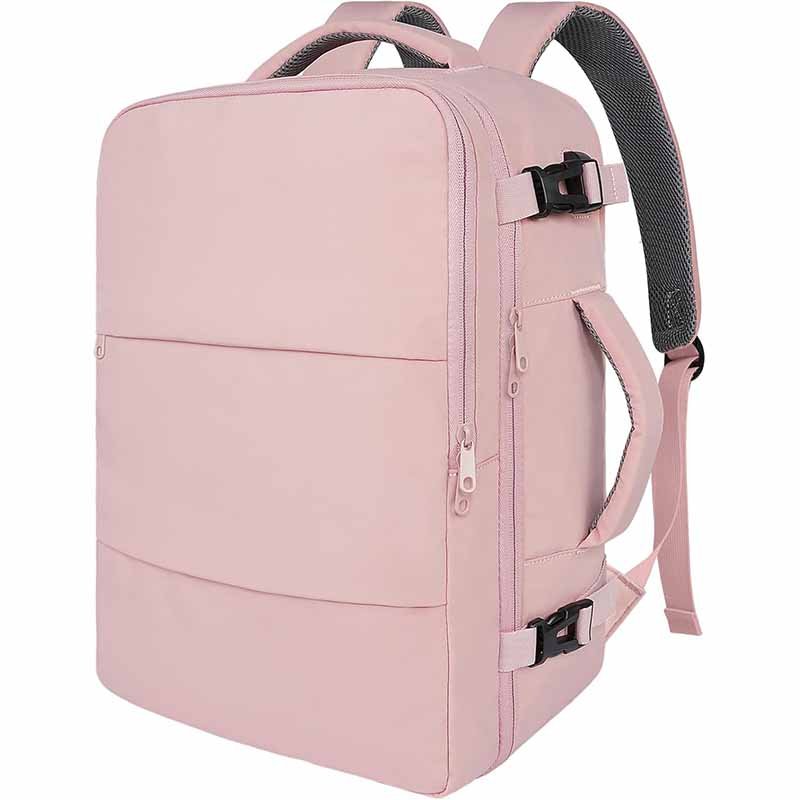
For daily commuting and travel, backpacks are generally more practical than bookbags due to better comfort, higher capacity, and improved organization. Bookbags may work for short-distance or light daily use, but backpacks perform better for longer wear, heavier loads, and travel scenarios where durability, balance, and versatility are essential.
Once we move beyond school environments, the differences between bookbags and backpacks become even more noticeable. Daily commuting and travel place very different demands on a bag than simply carrying books. Users may wear a bag for hours, carry mixed items, walk long distances, or navigate airports, public transportation, and crowded spaces.
In these scenarios, design details that seem minor on paper can significantly affect comfort, usability, and satisfaction.
Which is better for everyday commuting and city use?
For daily commuting—whether to work, school, or errands—backpacks clearly outperform bookbags.
Why backpacks work better for commuting:
- Two shoulder straps distribute weight evenly
- Padded backs reduce pressure during long wear
- Multiple compartments help organize daily essentials
- Hands-free design improves mobility in crowded areas
Typical commuter items include laptops, chargers, documents, water bottles, and personal items. Backpacks are engineered to manage this mixed load efficiently.
Bookbags, on the other hand, may still be used for:
- Short walks
- Light daily carry
- Casual or fashion-oriented use
However, when worn for long periods or loaded heavily, bookbags often feel uncomfortable due to limited padding and poor weight balance.
Are backpacks more suitable for travel and long-distance use?
Yes. Travel is where backpacks show their strongest advantages.
Travel backpacks are designed for:
- Extended wear
- Variable loads
- Frequent opening and closing
- Different environments (airports, streets, outdoors)
Common travel-friendly features include:
- Luggage sleeves
- Compression straps
- Reinforced handles
- Water-resistant fabrics
Bookbags are rarely designed with these requirements in mind. While a simple bookbag may work as a secondary travel bag, it is not ideal as a primary travel companion.
Can bookbags be used for casual or fashion-focused daily use?
Absolutely. In recent years, minimalist bookbag-style backpacks have gained popularity in fashion and lifestyle markets.
These designs typically emphasize:
- Clean silhouettes
- Lightweight construction
- Limited compartments
- Visual appeal over function
For users carrying only a few items—such as a notebook, phone, or wallet—bookbag-inspired designs can be stylish and sufficient. However, their functional limits should be clearly communicated to avoid customer disappointment.
How does size and carrying style impact versatility?
Backpacks scale well across sizes:
- Compact daypacks for light use
- Medium backpacks for commuting
- Large backpacks for travel
Bookbags usually remain small to medium in size. Scaling them up without adding structural support often leads to discomfort and durability issues.
From an OEM perspective, backpacks offer greater flexibility for creating product families and size variations.
What durability and material differences matter for daily and travel use?
Daily and travel use expose bags to:
- Repeated wear
- Weather conditions
- Rough handling
- Heavy and uneven loads
Backpacks typically use:
- Higher-denier polyester or nylon
- Reinforced bottoms
- Stronger stitching
Bookbags often use lighter fabrics, which may not withstand prolonged daily or travel stress.
What Materials and Styles Are Common for Each Type?
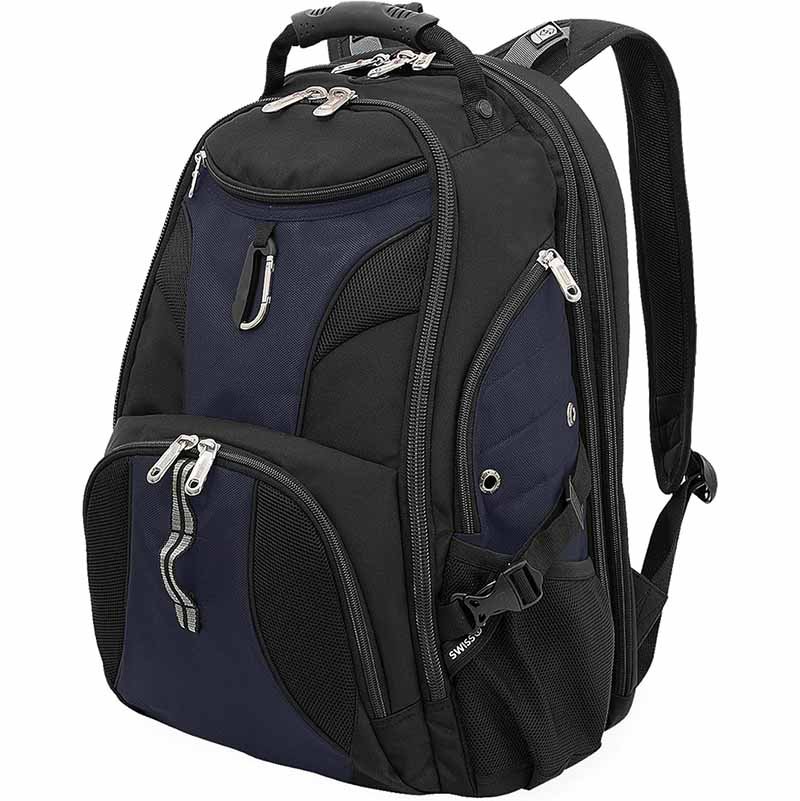
Bookbags are commonly made from lightweight materials like basic polyester, cotton, or canvas and feature simple, minimal styles. Backpacks use more durable fabrics such as nylon, high-denier polyester, canvas, or waterproof materials and offer a wider range of styles, including school, travel, business, outdoor, and technical designs. Material and style choices directly affect durability, comfort, and target market positioning.
Materials and styles are where the practical difference between bookbags and backpacks becomes visually and physically obvious. While both types may look similar at first glance, their fabric choices, construction methods, and aesthetic directions reflect very different expectations in terms of performance, lifespan, and user experience.
From an OEM/ODM perspective, material and style decisions also determine cost structure, branding flexibility, and market positioning.
What materials are commonly used for bookbags?
Bookbags are traditionally designed for lighter loads and simpler use, so their materials prioritize affordability and ease of production.
Common bookbag materials include:
- Basic polyester (150D–300D) Lightweight, cost-effective, easy to print, commonly used for entry-level school or promotional bookbags.
- Cotton or cotton blends Soft, breathable, and eco-friendly in appearance, often used for younger students or casual bookbag styles.
- Canvas (lightweight) Used for retro or minimalist designs, offering a slightly more premium look while keeping structure simple.
Limitations: These materials generally lack advanced abrasion resistance, waterproofing, and load-bearing strength. As a result, bookbags are best suited for short-term or light daily use, not heavy or long-duration carrying.
Which fabrics are best for backpacks?
Backpacks are engineered for heavier loads, longer wear, and more demanding environments, so material selection is far more critical.
Common backpack materials include:
- High-denier polyester (600D–900D) Excellent balance of durability and cost, widely used for school and commuter backpacks.
- Nylon (420D, 500D, ripstop nylon) Lighter and stronger than polyester, ideal for travel and outdoor backpacks.
- Canvas (heavyweight) Used for premium, vintage, or rugged styles with high durability.
- Waterproof or coated fabrics (PU, TPU, PVC) Designed for outdoor, travel, or specialty backpacks that require moisture protection.
Backpack materials are often paired with reinforced linings, padding layers, and protective coatings to extend product lifespan.
How do material choices affect durability and comfort?
Material selection directly impacts:
- Abrasion resistance (important for daily use)
- Weight (lighter materials reduce fatigue)
- Water resistance (critical for commuting and travel)
- Structure retention (helps the bag keep its shape)
Backpacks often combine multiple materials in one product—strong outer shells, padded foam layers, and breathable mesh—while bookbags typically rely on a single fabric layer.
What style differences are common between bookbags and backpacks?
Bookbag styles tend to be:
- Simple and minimal
- Flat or soft-structured
- School-focused or casual
- Retro or basic in appearance
Backpack styles are far more diverse:
- School and campus backpacks
- Business and laptop backpacks
- Travel and carry-on backpacks
- Outdoor and hiking backpacks
- Tactical, tool, or specialty backpacks
This style diversity allows backpacks to serve multiple markets and price tiers.
Are there waterproof or specialty versions of both?
Yes, but backpacks dominate specialty categories.
Backpack specialty types include:
- Waterproof backpacks
- Fireproof backpacks
- Smellproof backpacks
- Tool and tactical backpacks
- Cooler and insulated backpacks
Bookbags may have basic water-resistant versions, but they rarely support the structure or materials required for true specialty performance.
How should brands choose materials and styles for OEM/ODM projects?
For OEM/ODM buyers, material and style choices should align with:
- Target user and usage frequency
- Price positioning (budget vs premium)
- Required durability and certifications
- Branding methods (printing, embroidery, labels)
Factories like Szoneier help brands evaluate these factors and recommend material–style combinations that balance cost, performance, and market appeal.
How Should Brands Choose Between Bookbags and Backpacks for OEM/ODM?
Brands should choose between bookbags and backpacks based on target users, usage scenarios, durability requirements, and price positioning. Bookbags suit lightweight, budget, or promotional products, while backpacks are better for long-term use, heavier loads, and premium markets. Partnering with an experienced OEM/ODM manufacturer ensures correct material selection, structural design, and production consistency.
For brands, the choice between a bookbag and a backpack is not a naming decision—it’s a product strategy decision that affects cost, customer satisfaction, return rates, and long-term brand value. Many failed bag projects don’t fail because of design—they fail because the wrong product type was chosen for the wrong use case.
A professional OEM/ODM decision process looks beyond appearance and focuses on real-world performance.
How do target users and markets influence the choice?
The first and most important factor is who the bag is for.
- Children or light-use students: Bookbags or basic backpacks may be sufficient if loads are light and usage is limited.
- Teenagers and college students: Backpacks are almost always the better choice due to heavier loads and longer daily use.
- Commuters and professionals: Structured backpacks with laptop protection and organization are expected.
- Travel, outdoor, or utility users: Only backpacks can meet durability, comfort, and capacity requirements.
Brands that mismatch product type and user profile often see complaints, negative reviews, and high return rates.
How should brands balance cost, durability, and price positioning?
Cost control is critical, but over-optimizing for price is a common mistake.
| Brand Positioning | Recommended Choice |
|---|---|
| Promotional / Giveaway | Bookbag-style backpack |
| Entry-level Retail | Standard backpack |
| Mid-range Brand | Reinforced backpack |
| Premium / Technical | High-structure backpack |
Bookbags typically have:
- Lower material costs
- Simpler construction
- Faster production
Backpacks require:
- More materials
- More labor
- Higher QC standards
However, backpacks justify higher retail prices and longer product lifespans.
What technical specifications matter most for OEM/ODM success?
Successful OEM/ODM projects start with clear technical requirements, not vague ideas.
Brands should define:
- Target load weight
- Daily usage frequency
- Fabric durability expectations
- Padding and comfort requirements
- Compartment layout
- Branding method (print, embroidery, patch)
- Required certifications (REACH, CPSIA, Prop 65)
Factories like Szoneier convert these requirements into material recommendations, patterns, and cost breakdowns.
How does customization differ between bookbags and backpacks?
Customization options vary by product type.
Bookbags work best with:
- Screen printing
- Simple heat transfer logos
- Lightweight labels
Backpacks support:
- Embroidery
- Woven or rubber patches
- Molded logos
- Complex branding placements
Backpacks offer more opportunities for brand differentiation but require tighter QC.
Why does manufacturing experience matter so much?
Many problems only appear after mass production:
- Strap tearing
- Seam failure
- Zipper issues
- Discomfort complaints
An experienced OEM/ODM factory performs:
- Stress testing
- Load simulation
- Material compatibility checks
- Production scalability planning
This reduces risk and protects brand reputation.
Why do brands choose Szoneier for bookbag and backpack OEM/ODM?
Szoneier offers:
- 18+ years of bag manufacturing experience
- Multiple bag categories under one roof
- Free design and structural optimization
- Rapid sampling and low MOQ
- Strict quality control
- Short lead times and stable capacity
Instead of selling a single bag, Szoneier helps brands build products that perform in real-world use.
Conclusion
Choosing between a bookbag and a backpack is not just about naming—it’s about design, performance, and long-term value.
If you’re planning to develop custom school bags, backpacks, or private label collections, Szoneier can help you.
Contact Szoneier today to discuss your project and receive a tailored quotation. Let’s build bags that perform in the real world—and stand out in your market.