Skip to content
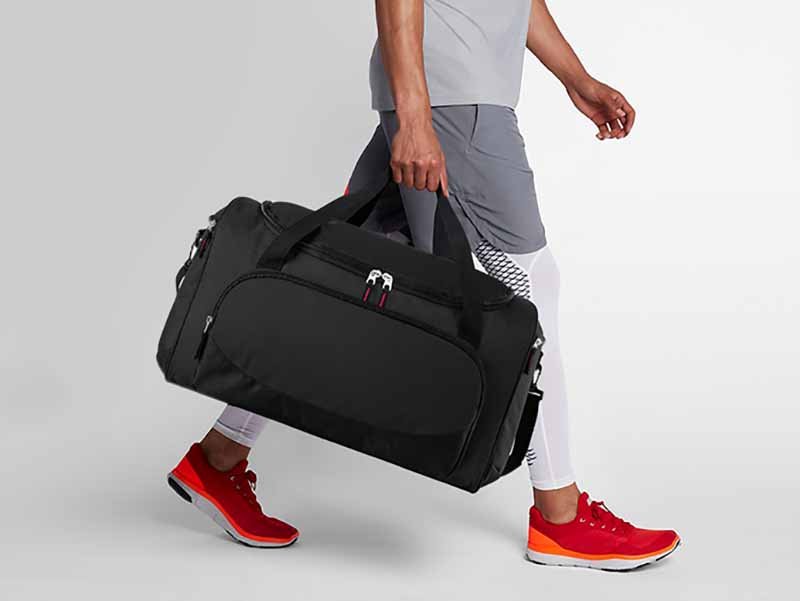
Duffle bags have become one of the most universal bag categories in the world—carried by travelers, athletes, gym-goers, military personnel, commuters, and even luxury shoppers. The beauty of duffle bags lies in their versatility: one category, hundreds of variations, and countless materials, shapes, and functions. Yet for buyers, brands, or sourcing teams, choosing the right type can feel overwhelming. Why are there so many duffle styles? What makes one ideal for gym use and another better for long-distance travel? And what exactly defines a duffle bag in the first place?
A duffle bag is a cylindrical or rectangular soft-sided bag designed for carrying clothing, gear, and travel essentials. Modern duffle bags come in many types, including gym duffles, weekender bags, rolling duffles, waterproof dry bags, tactical military duffles, and convertible duffle backpacks. Each type varies by size, shape, materials, carrying method, and use case, helping travelers choose the ideal duffle for their lifestyle.
As the duffle bag market expands—especially with demand rising in sports, travel, outdoor, and lifestyle sectors—understanding the differences between duffle types has become essential. A well-chosen duffle can last years, adapt to multiple environments, and express a brand’s identity. To help you navigate this landscape, this guide breaks down every major duffle bag type used in modern markets, from traditional cylindrical bags to premium leather weekenders.
Let’s dive in—before you choose your next duffle or launch your own custom OEM/ODM bag line.
What Defines a Duffle Bag and Why Are There So Many Types?
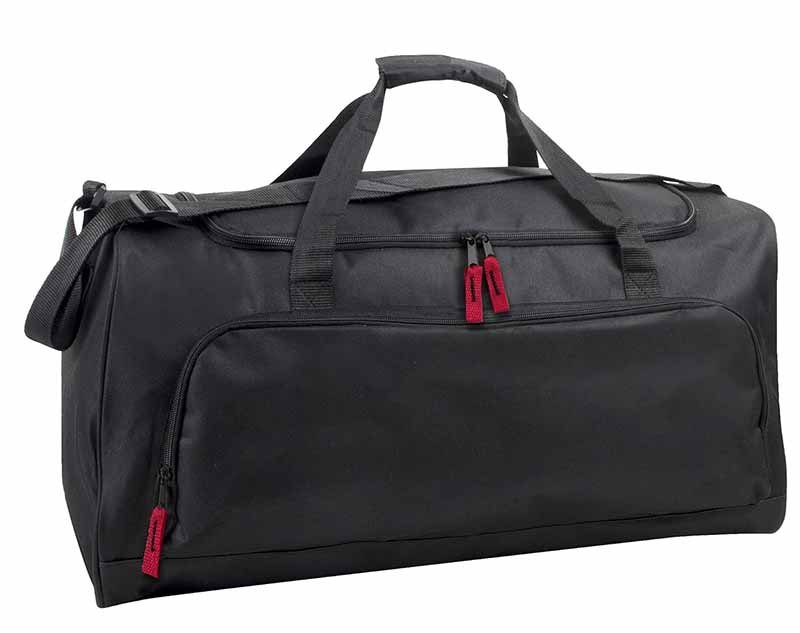
A duffle bag is defined by its soft-sided structure, spacious interior, and wide opening that allows flexible, high-volume packing. Because duffles adapt easily to different user needs—travel, gym, outdoor, military, fashion, and professional use—manufacturers produce many variations in shape, materials, size, waterproofing, and carrying systems. This versatility is the main reason duffle bags evolved into dozens of distinct types.
A duffle bag may seem like a simple travel or sports accessory, but its design principles are surprisingly technical. The modern duffle is defined by three core attributes:
- Soft-sided construction that allows the bag to compress or expand depending on the load;
- A large, unobstructed main compartment designed for maximum internal volume;
- A wide opening, typically top-loading, that makes packing fast and flexible.
These characteristics give duffles an advantage over rigid luggage—users can pack irregular items, bulky clothing, sports gear, or travel equipment without needing precise organization. This foundational versatility explains why duffle bags have evolved far beyond their military origins.
How Did the Modern Duffle Bag Evolve?
The duffle bag traces its origin to the 17th century in Duffel, Belgium, where a thick, durable woolen fabric became popular among sailors and travelers. Over time, the cylindrical shape and top cinch closure evolved into zipper-opening bags, structured designs, and multi-compartment variations. Today’s duffles are engineered for specific purposes—from casual gym sessions to rugged deployments.
A Duffle Bag’s Structural Philosophy
Unlike hard-shell luggage or structured briefcases, duffles rely on flexibility. Manufacturers intentionally minimize fixed frames so the bag can adapt to different shapes and packing styles. This also helps reduce weight—an important feature for travelers and athletes.
The soft-sided design also makes duffles easier to store when empty. They fold, collapse, or compress into small spaces—ideal for minimalist travelers or outdoor users who need modular gear setups.
The Role of Materials in Duffle Evolution
Materials heavily influence duffle bag categories. As textile technology evolved, so did duffle functionality.
- Polyester/nylon duffles → Lightweight, affordable, and widely used for gym and travel.
- Ballistic nylon / Cordura-type fabrics → High abrasion resistance for outdoor and military use.
- PVC/TPU laminated fabrics → Enable fully waterproof “dry duffles” for marine and adventure categories.
- Waxed canvas → Gives lifestyle brands a rugged, vintage, premium feel.
- Full-grain leather → Elevates duffles into luxury travel and fashion markets.
Because each material serves different performance needs, duffle bags naturally expanded into diverse categories.
The Rise of Multi-Scenario Lifestyles
The modern consumer doesn’t live in just one environment. They go to the gym, travel internationally, commute to work, hike on weekends, or participate in outdoor sports. Each activity has its own storage requirements:
- Gym users need ventilated shoe pockets.
- Travelers need organized compartments and TSA-friendly sizing.
- Outdoor explorers need waterproof protection and durability.
- Military personnel need tactical-grade strength.
- Fashion customers want premium aesthetics and structured silhouettes.
To meet these diversified lifestyles, manufacturers design specific duffle variations to maximize performance in each scenario.
The Influence of Carrying Systems
Traditional duffles were hand-carried using two straps, but user demand for ergonomic options led to new carrying systems:
- Removable shoulder straps
- Crossbody straps
- Full backpack-style straps
- Reinforced handles for heavy loads
- Rolling systems with wheels and telescopic handles
Each carrying method caters to different user preferences, encouraging more duffle variations.
Marketing, Branding, and Industry Trends
Brands also drive duffle diversification. For example:
- Sports brands promote barrel duffles or team equipment duffles.
- Luxury brands focus on leather weekenders for lifestyle consumers.
- Outdoor brands build rugged expedition duffles.
- Travel brands invest in rolling duffles for long-haul travelers.
- Tech brands add laptop sleeves to hybrid travel duffles.
The industry demand for product differentiation creates countless duffle subcategories.
“Duffle” vs. “Duffel”: Why Both Exist
While “duffel” is historically correct (from the Belgian town Duffel), the spelling “duffle” became standardized in modern English and is now more commonly used in search engines and product listings. Both terms describe the same type of bag—no functional difference exists.
Which Classic Duffle Bag Types Are Most Common?
The most common classic duffle bags include cylindrical duffle bags, rectangular/box duffles, barrel duffles, and weekender bags. These designs differ in shape, structure, and use case. Cylindrical duffles offer maximum volume, rectangular duffles provide better organization, barrel duffles suit short gym trips, and weekender bags deliver a stylish, structured look for short travel.
Classic duffle bags represent the foundation of the modern duffle category. Before the rise of rolling duffles, tactical deployment bags, and waterproof adventure duffles, these were the core shapes used for travel, sports, gym, and casual commuting. Their timelessness comes from how well they balance simplicity, capacity, and adaptability across multiple situations.
Although all classic duffles share the same essential characteristics—soft-sided construction, a large main compartment, and a wide zipper opening—their shapes significantly affect how users pack, carry, and experience the bag. Today, four main classic duffle types dominate global markets: cylindrical duffles, rectangular/box duffles, barrel duffles, and weekender bags. Each type fulfills a specific purpose and appeals to different consumer groups.
Below is a detailed breakdown of each classic duffle category.
What Is a Standard Cylindrical Duffle Bag?
A cylindrical duffle bag is the purest form of the duffle’s historical design. With a rounded tube-like shape and a central zipper opening, this style maximizes internal volume, making it ideal for packing clothing, sports gear, and bulkier items. Its rounded construction allows the bag to expand naturally based on the load.
Why users choose it:
- Excellent for gym use, sports teams, martial arts, and casual travel.
- Folds compactly when not in use.
- Very lightweight compared to framed luggage.
- Often the most cost-effective duffle type.
Best materials: Polyester, canvas, nylon.
Recommended for: Buyers who prioritize capacity, affordability, and simple function over structured organization.
What Is a Rectangular or Box Duffle Bag?
Also known as a flat-base duffle, the rectangular duffle bag features structured panels and a firm bottom, making it easier to pack clothing neatly. Because the shape stays consistent when placed on the ground, users can organize belongings more effectively.
Why users choose it:
- Ideal for travel, team equipment, and short business trips.
- Offers more organization and stability.
- Often supports shoe compartments, laptop pockets, and internal dividers.
Best materials: 600D/900D polyester, ballistic nylon, leather-trimmed canvas.
Recommended for: Travelers, organized packers, and brands wanting a duffle that behaves like a soft-sided suitcase.
What Is a Barrel Duffle Bag?
A barrel duffle is a shorter, compact version of the cylindrical design. Typically small and lightweight, it is ideal for quick gym sessions, day trips, or promotional corporate gifting.
Why users choose it:
- Ultra-portable and easy to carry.
- Works great as a secondary bag.
- Perfect for carrying shoes, towels, or workout clothing.
Best materials: Polyester, canvas, lightweight nylon.
Recommended for: Gyms, fitness brands, school teams, and companies seeking customizable promotional bags.
What Is a Weekender Bag and How Does It Compare to a Duffle?
A weekender bag is a premium, fashion-forward variation of the classic duffle. It typically features a structured silhouette, refined materials, and minimalist aesthetics. It is sized specifically for 1–3 day travel, making it popular among lifestyle consumers and luxury brands.
Why users choose it:
- More elegant and structured than typical duffles.
- Suitable for both travel and urban everyday use.
- Appeals to fashion-conscious buyers who want a multifunctional carry piece.
Best materials: Full-grain leather, canvas + leather trim, waxed canvas.
Recommended for: Luxury brands, boutique designers, and lifestyle-focused consumers.
Common Classic Duffle Types
| Duffle Type | Shape | Capacity | Best Use | Typical Materials | Key Advantage |
|---|---|---|---|---|---|
| Cylindrical | Tube/Round | High | Sports, gym, casual travel | Polyester, canvas | Maximum volume |
| Rectangular | Box/Flat Base | Medium–High | Travel, organized packing | Nylon, leather | Better structure |
| Barrel | Short cylinder | Low–Medium | Gym, day trips | Polyester, canvas | Compact & portable |
| Weekender | Structured luxury | Medium | Short travel, fashion | Leather, waxed canvas | Premium aesthetics |
What Specialized Duffle Bags Exist for Travel and Outdoor Use?

Specialized duffle bags for travel and outdoor use include travel duffles, rolling duffles, waterproof dry duffles, outdoor adventure duffles, and packable duffles. These bags use advanced materials such as ballistic nylon, TPU, PVC tarpaulin, and ripstop oxford to provide durability, water protection, and enhanced carrying systems. Their designs target specific activities such as hiking, boating, long-distance travel, and multi-day outdoor trips.
Specialized duffle bags extend far beyond traditional gym and everyday designs. As global travel increases and outdoor activities become more mainstream, consumers demand bags that withstand heavy use, unpredictable weather, and complex travel environments. Brands now develop travel and outdoor duffles tailored for specific terrains, climates, and carrying needs. These duffles are engineered with upgraded materials, reinforced constructions, and multi-functional carrying systems.
Travel-oriented duffles prioritize organization, convenience, and airline compatibility, whereas outdoor-oriented duffles emphasize waterproofing, abrasion resistance, and load-bearing stability. The result is a broad category of duffles that perform better in demanding environments such as airports, mountains, rivers, or long-distance expeditions.
Below is a detailed guide of the most common types of specialized duffle bags in today’s global market.
Travel Duffle Bags
Travel duffles are designed with structured bodies, multiple pockets, and organized compartments to help travelers separate clothing, footwear, electronics, and documents. Many include:
- Padded laptop sleeves
- Dedicated shoe compartments
- TSA-friendly quick-access pockets
- Trolley sleeves for pairing with suitcases
- Semi-rigid panels to maintain shape
Materials usually include 600D/900D polyester, 1680D ballistic nylon, or premium canvas/leather for more stylish models.
Why users choose it: Travel duffles combine flexibility with better organization than cylindrical gym bags, making them ideal for air travel, road trips, and business travel. They are carry-on friendly and fit easily in overhead bins.
Rolling Duffle Bags
Rolling duffles merge the soft structure of a duffle with the convenience of wheeled luggage. These bags often feature:
- Telescopic aluminum handles
- Large all-terrain wheels
- Reinforced ABS or PE board bases
- Compression straps for heavy loads
This makes them ideal for long trips, international travel, or users who prefer not to carry weight on their shoulders.
Typical materials: 1680D nylon, heavy-duty polyester, EVA-molded panels.
Best use cases: International travel, family trips, sports teams, and users carrying heavy gear.
Waterproof Dry Duffle Bags
Waterproof dry duffles are engineered for extreme weather and marine environments. These bags use:
- PVC tarpaulin (500D–1000D)
- TPU-laminated nylon
- RF-welded or heat-welded seams
- Waterproof zippers or roll-top closures
These construction methods offer near-total waterproof protection, allowing these bags to float or remain dry even in rainstorms, snow, or accidental submersion.
Ideal for: Kayaking, paddleboarding, boating, fishing, wet climates, and outdoor adventures.
Outdoor & Adventure Duffle Bags
Adventure duffles are built with rugged materials and reinforced structures to survive rough landscapes. They often include:
- 1680D ballistic nylon or Cordura-like fabric
- Ripstop oxford (210D/420D/600D)
- Reinforced base panels (EVA, rubber, or PVC)
- Backpack straps for hands-free carry
- Compression straps
- MOLLE attachment points (sometimes)
These duffles suit hikers, climbers, campers, and expedition teams. Their hybrid backpack-duffle functionality increases stability during long carries.
Best use cases: Treks, mountain travel, overlanding, tactical missions, or long outdoor expeditions.
Foldable or Packable Duffle Bags
Packable duffles compress into small pouches for easy storage. Made from ultralight nylon, 210D polyester, or ripstop fabric, these duffles are ideal as:
- Backup bags
- Shopping/travel overflow bags
- Gym bags for commuters
- Emergency spare luggage
Their low cost and easy branding options also make them popular promotional items.
Why users choose it: Super lightweight, budget-friendly, and extremely practical for travelers needing expandable capacity.
What Is a Military or Tactical Duffle Bag?
A military duffle bag—often called a “sea bag” or “deployment duffle”—is a heavy-duty cylindrical or rectangular bag built for rugged environments. It features thick materials, reinforced stitching, MOLLE webbing, and large load capacity. These bags are designed for durability, weather protection, and long-term field use.
Military duffle bags serve entirely different functional requirements compared to consumer travel duffles. Their design prioritizes ruggedness, load capacity, and operational reliability. Soldiers rely on them to carry uniforms, equipment, tools, boots, and survival items. These bags must withstand extreme weather, heavy abrasion, and harsh handling during transport.
Traditional military duffles—also known as “sea bags”—maintain the classic cylindrical silhouette with a top-loading structure. They are typically made from heavy canvas, nylon, or ballistic-grade materials to support heavy loads. Many designs feature metal grommets, locking loops, and reinforced base layers.
Modern tactical duffles incorporate MOLLE systems that allow soldiers to attach gear such as pouches, medical kits, or hydration carriers. These bags often include multiple compartments for organization, padded straps, and hidden backpack strap systems for hands-free carrying in deployment environments.
Military duffles are also used by outdoor enthusiasts, law enforcement personnel, and adventure travelers because of their durability and utility.
What Is a Traditional Military “Sea Bag”?
A tall cylindrical bag with a single top opening, originally used by sailors and military personnel. Made from thick materials like canvas or ballistic nylon, it carries heavy loads and withstands harsh environments.
What Is a Modern Tactical Duffle Bag?
A multi-pocket duffle reinforced with MOLLE webbing, tactical zippers, and padded carry systems. Designed for field use, deployment, law enforcement, and rugged outdoor travel.
Why Are Military Duffles So Durable?
They use materials such as 1000D/1680D nylon, Cordura-type fabric, reinforced stitching, and abrasion-resistant base panels. These elements ensure long-term reliability and performance.
What Fashion, Sports, and Lifestyle Duffle Bags Are Popular Today?
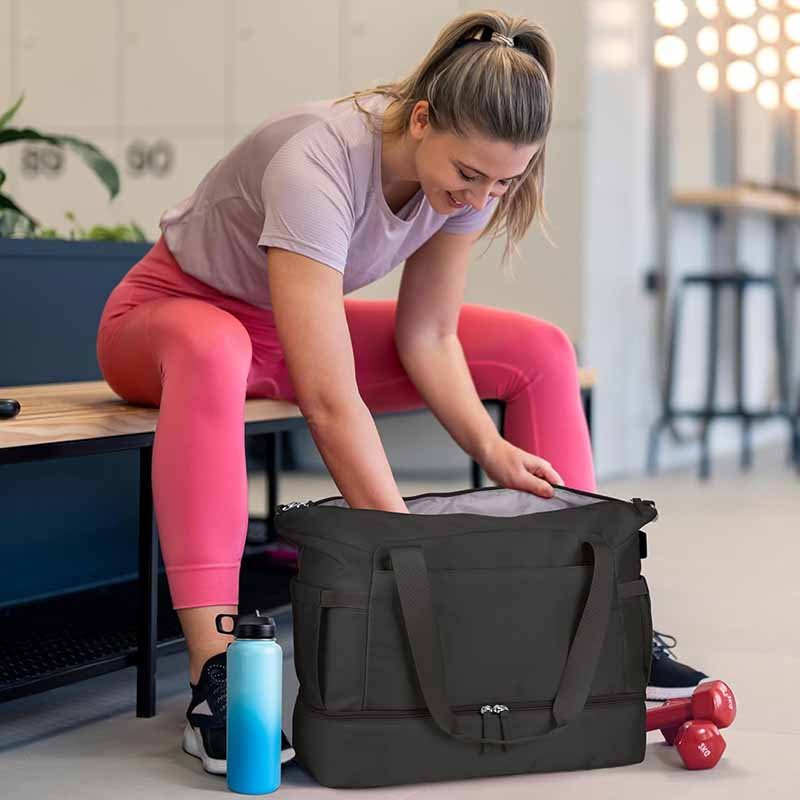
Popular fashion, sports, and lifestyle duffle bags include gym duffles, sports team equipment duffles, designer weekender bags, leather fashion duffles, canvas lifestyle duffles, and branded promotional duffles. These bags prioritize style, organization, comfort, and daily usability. Modern consumers choose them for fitness, commuting, weekend travel, or fashion-forward looks.
Fashion, sports, and lifestyle duffle bags make up the fastest-growing segment of the duffle bag market, driven by the global rise in fitness culture, hybrid work lifestyles, short city trips, and the increasing role of fashion in functional carry goods. Unlike outdoor or military duffles that emphasize rugged durability and weather protection, lifestyle duffles prioritize style, convenience, and everyday usability. These bags must not only function well but also complement personal style—making them popular among urban commuters, college students, fitness enthusiasts, and fashion-forward travelers.
This category includes several subtypes: gym duffles, sports team duffles, designer fashion duffles, leather weekenders, canvas lifestyle duffles, and branded promotional duffles. Each design serves a specific demographic and activity, creating a broad spectrum of demand across brands, retailers, and private-label buyers.
Below is a detailed guide of the most influential lifestyle duffle categories in today’s market.
Gym Duffle Bags
Gym duffles are one of the most widely purchased duffle types due to the global fitness boom. Designed for quick access and daily use, gym duffles include:
- Separate shoe/wet compartments
- Ventilated mesh pockets
- Bottle holders
- Towel pockets
- Quick-access exterior pockets
- Lightweight structure
These duffles typically range from 20–35 liters—small enough to carry daily but spacious enough for essentials like shoes, towels, workout clothes, supplements, and electronics.
Materials: Polyester、nylon、600D oxford、TPU-coated panels.
Why users choose it: Affordable, practical, compact, and ideal for everyday sports use.
Sports Team & Equipment Duffles
Sports team duffles are larger—usually 50–90 liters—and built for athletes carrying gear such as shoes, uniforms, balls, pads, or protective equipment. These types are widely used by:
- Soccer teams
- Basketball teams
- Football teams
- Swimming clubs
- Martial arts schools
Sports equipment duffles often include reinforced bottoms, extra-long zippers, and durable 600D–1680D fabrics to withstand frequent transport and rough handling. Branding (logos, team colors, name embroidery) is essential for this category, making them ideal for private-label customization.
Why users choose it: Durability, very large capacity, excellent for team branding.
Fashion & Designer Duffle Bags
Fashion duffles prioritize visual appeal, craftsmanship, and brand identity. These bags use premium materials and more structured silhouettes to resemble high-end travel accessories. Popular in boutique fashion houses and luxury brands, these duffles appeal to urban travelers and style-conscious consumers.
Common materials include:
- Full-grain leather
- Split leather + reinforced trims
- Waxed canvas
- Heavy cotton canvas with leather accents
- Premium matte nylon or technical fabrics
These bags often include metal hardware, YKK zippers, leather handles, and interior lining such as microfiber suede or cotton twill. They work as both functional travel bags and fashion accessories.
Best uses: Weekend trips, business travel, minimalistic lifestyle travel.
Lifestyle Canvas Duffle Bags
Canvas duffles appeal to lifestyle consumers seeking a casual, rugged, or vintage aesthetic. They are popular among young professionals, students, urban travelers, and outdoor-lifestyle customers who want style without excess weight.
Key features:
- Durable cotton canvas or recycled canvas
- Soft or semi-structured bodies
- Leather trims for added sophistication
- Washable or easily maintainable fabrics
- Sustainable material options (RPET canvas, recycled cotton)
Canvas duffles are often designed around 25–40L capacity, ideal for weekend trips or daily commuting.
Why users choose it: Stylish, natural texture, versatile, and cost-effective.
Leather Weekender Duffles
Leather weekender bags represent the upper-tier of the lifestyle duffle category. Made from full-grain or top-grain leather, these bags offer:
- High durability
- Professional aesthetics
- Long-term patina development
- Structured form suitable for business travel
Customers who choose leather weekenders typically value longevity, craftsmanship, and premium branding. They are popular among luxury travelers, executives, and fashion-forward buyers.
Promotional & Corporate Duffle Bags
Promotional duffles serve the corporate and event market. They focus on:
- Low-cost materials
- Lightweight structure
- Large print areas for logos
- Simple, universal shapes
- Mass-production affordability
Popular for marathons, sports events, universities, tech conferences, and company giveaways, these duffles usually range from 20–40 liters.
Why brands choose it: Affordable, easily customizable, excellent for bulk orders.
Comparison Table — Lifestyle Duffle Types
| Type | Typical Capacity | Materials | Best For | Key Benefits |
|---|---|---|---|---|
| Gym Duffle | 20–35L | Polyester/Nylon | Daily fitness | Ventilated pockets, lightweight |
| Sports Team Duffle | 50–90L | 600D–1680D Polyester | Athletes, clubs | Large capacity, durable |
| Fashion Designer Duffle | 25–40L | Leather/Waxed Canvas | Stylish travel | Premium appearance |
| Canvas Lifestyle Duffle | 25–40L | Cotton canvas | Urban travel, casual | Vintage appeal |
| Leather Weekender | 30–45L | Full-grain leather | Luxury travel | Premium durability |
| Promotional Duffle | 20–40L | Polyester/Canvas | Corporate gifting | Low cost, customizable |
What Materials Are Used to Make Different Duffle Bags?
Duffle bags are commonly made from polyester, nylon, canvas, leather, PVC tarpaulin, TPU-laminated fabric, and hybrid materials. Each material affects strength, waterproofing, weight, stiffness, price, and durability. Polyester is affordable, nylon is stronger, canvas delivers a rugged lifestyle look, leather is premium, and PVC/TPU is ideal for waterproof outdoor duffles.
Material selection is one of the most important factors affecting a duffle bag’s performance, durability, waterproof capability, weight, cost, and target user. A duffle bag built for daily gym use requires very different materials than a waterproof expedition duffle or a luxury leather weekender bag. Understanding material differences helps buyers choose the right duffle type for their audience or OEM project.
Modern duffle bags use seven primary material categories:
- Polyester
- Nylon
- Canvas
- Leather (real or faux)
- PVC tarpaulin
- TPU-laminated materials
- Hybrid or composite fabrics
Each category offers distinct advantages depending on durability requirements, waterproof needs, brand positioning, and budget.
Below is a detailed guide of each major duffle bag material.
Polyester — The Most Popular & Cost-Effective Material
Polyester is the most widely used duffle bag material because of its excellent balance of durability, affordability, and weight. It is available in various denier ratings—210D, 300D, 420D, 600D, 900D—and is often coated with PU or PVC for added water resistance.
Advantages:
- Highly affordable
- Lightweight & colorfast
- Suitable for printing and branding
- Good for gym, travel, and promotional duffles
Common Use Cases:
- Gym duffles
- Sports team bags
- Basic travel duffles
- Promotional/corporate duffles
Nylon — Stronger, Lighter & More Premium than Polyester
Nylon is known for its high tensile strength, abrasion resistance, and smooth handle. Upgraded variations such as ripstop nylon, ballistic nylon (1680D), and Cordura-type nylon provide exceptional durability.
Advantages:
- Stronger and more abrasion-resistant than polyester
- Lightweight with a premium texture
- Ideal for heavy loads and repeated outdoor use
- Water-resistant when coated
Typical Applications:
- Outdoor duffles
- Travel duffles
- Tactical or military-style duffles
- High-performance sports bags
Best for buyers who need:
A stronger material that still remains lightweight and mid-priced.
Canvas — Rugged, Stylish & Perfect for Lifestyle Markets
Canvas is a favorite in fashion and vintage-style duffles. It provides a rugged look and sturdy feel, making it ideal for lifestyle bags, casual travel, and weekend getaways. Waxed canvas adds waterproofing and a premium patina.
Advantages:
- Natural, stylish, vintage appearance
- Heavy-duty and durable
- Works well with leather trims
- Eco-friendly versions available (recycled cotton, RPET canvas)
Popular Uses:
- Weekender bags
- Lifestyle travel duffles
- Canvas fashion duffles
Leather — Premium, Long-Lasting & High Aesthetic Value
Leather duffles represent the luxury segment. They are favored by business travelers, fashion shoppers, and premium lifestyle brands. Full-grain leather is most durable, while top-grain and split leather offer more affordable options.
Advantages:
- Timeless luxury aesthetic
- Extremely durable when well maintained
- Stiff structure retains shape
- High perceived value in retail
Common Use Cases:
- Designer weekenders
- Executive travel duffles
- Premium lifestyle bags
Why brands choose leather:
Higher retail margins, strong brand identity, and premium unboxing experience.
PVC Tarpaulin — Full Waterproof Protection for Harsh Environments
PVC tarpaulin is used for full waterproof duffle bags, often referred to as dry duffles. This material is thick, durable, and fully resistant to water, mud, and snow.
Material Properties:
- Heavy-duty PVC layers (typically 500D–1000D)
- Heat-welded seams instead of stitching
- Waterproof zippers or roll-top closure
Best for:
- Marine activities
- Kayaking, boating, paddleboarding
- Snow sports
- Fishing trips
- Outdoor adventure travel
TPU-Laminated Fabrics — Premium Waterproofing Without the Weight
TPU materials offer similar waterproof performance to PVC but are more flexible, lightweight, and environmentally friendly. TPU is often used in premium outdoor duffles and professional adventure gear.
Advantages:
- Lighter and more durable than PVC
- Eco-friendlier
- Great for high-end waterproof designs
- Excellent abrasion resistance
Ideal For:
High-performance outdoor duffles, motorcycle gear bags, wetsuit bags, or expedition bags.
Hybrid & Composite Materials — Maximizing Performance
Many modern duffles now use hybrid materials that combine strengths from multiple fabrics. These may include:
- Polyester + PU coating for water resistance
- Nylon + EVA molded panels for structure
- Canvas + leather trim for fashion appeal
- TPU + ripstop nylon for lightweight waterproofing
Hybrid constructions allow factories to balance durability, cost, aesthetics, and weight while achieving a unique brand identity.
Best for:
- Travel duffles with added structure
- Fashion duffles seeking premium touches
- High-performance outdoor bags
How Do You Choose the Right Duffle Bag for Your Needs?

Choosing the right duffle bag is not just about picking a style you like; it’s about aligning function, environment, comfort, and brand expectations with the technical features of the bag. A gym-goer who travels by subway every day has very different needs from a hiker crossing rivers or a business traveler flying twice a month. When you look beyond the surface design and focus on how, where, and how often the bag will be used, it becomes much easier to decide which type of duffle truly fits.
How Should You Match a Duffle Bag to Your Activity Type?
Start by asking: What am I really going to use this duffle for?
- Gym & day use: Look for compact, lightweight duffles with shoe/wet compartments and quick-access pockets. Ventilation is more important than extreme durability.
- Weekend & business travel: Choose structured travel or weekender duffles with good organization, a flat base, and possibly a trolley sleeve to stack on suitcases.
- Outdoor & adventure: Prioritize rugged fabrics (ballistic nylon, TPU, PVC tarpaulin), reinforced bases, and waterproof or water-resistant construction.
- Military/tactical & heavy-duty: Opt for tactical duffles with MOLLE webbing, high-denier fabrics, and load-bearing stitching.
- Fashion & lifestyle: Focus on materials like leather, canvas, or premium nylon and consider aesthetics, brand feel, and how the bag complements outfits.
When activity comes first, features become much easier to evaluate.
What Size and Capacity Duffle Bag Do You Really Need?
Capacity is usually measured in liters (L) or simply judged by dimensions. As a simple guide:
- 20–30L: Daily gym, commuting, or overnight use.
- 35–45L: Ideal for 1–3 day trips or multi-gym/travel use.
- 50–70L: Great for extended trips, team sports gear, or bulky loads.
- 70L+ : Expedition, long-term travel, or team equipment.
Go too small and you’ll end up overstuffing the bag, which shortens its life and makes it uncomfortable. Go too large and it becomes awkward to carry, especially in urban settings. For air travel, check airline cabin size limits if you want your duffle to double as carry-on. For brands and OEM buyers, offering 2–3 size options (small, medium, large) in the same style can cover most use scenarios and customer segments.
How Do Carrying Systems Affect Comfort and Use?
Even the best materials won’t fix a duffle that is uncomfortable to carry. Consider how far and how often the bag will be carried:
- Hand-carry handles only: Fine for short distances (car to gym, house to trunk).
- Detachable shoulder strap: Essential for city users, commuters, and anyone walking longer distances. Padding on the strap makes a big difference.
- Backpack straps: Ideal for outdoor, adventure, and heavy loads. Convertible duffle-backpacks are very popular among hikers and travelers.
- Wheeled systems (rolling duffles): Best for long airport journeys, heavy gear, and users who cannot or prefer not to carry weight on their shoulders.
Check whether stress points—where straps attach to the bag—are reinforced. For OEM buyers, testing samples under real load (e.g., 10–20 kg) is crucial before mass production.
How Do Materials and Conditions Influence Your Choice?
Your environment should strongly influence your duffle material:
- Dry urban use (gym, city, office): Polyester or basic nylon is usually enough.
- Frequent travel: Consider stronger nylon or blended fabrics that resist abrasion from luggage conveyors and handling.
- Wet/cold/outdoor conditions: Look for waterproof or highly water-resistant fabrics like TPU-laminated nylon or PVC tarpaulin.
- Style-first use: Leather or canvas shines here, even if they are slightly heavier.
Also think about maintenance: leather needs care and conditioning, canvas can show stains but offers character, synthetic fabrics are easiest to clean. For brands, choosing materials aligned with your price point and sustainability claims (e.g., recycled polyester, organic canvas) is key.
Why Do Organization and Access Features Matter
Internal layout determines whether the bag feels chaotic or efficient. Consider:
- Do you need a separate shoe or laundry compartment?
- Do you carry a laptop or tablet? If yes, look for a padded sleeve.
- Do you need fast access to passport, phone, or wallet? External zip pockets are helpful.
- Do you carry small items (keys, cables, toiletries)? Interior mesh or zip pockets improve organization.
Top-opening duffles with a wide U-shaped zipper provide the best visibility; barrel-style bags are simpler but less structured. For OEM projects, it’s often smart to keep the main compartment clean and add 2–4 targeted pockets instead of over-complicating the layout.
How Should You Balance Budget, Longevity, and Brand Positioning?
Price should be analyzed relative to expected lifespan and brand image. A cheap duffle that fails after a few months is more expensive in the long run—for both users and brands—than a mid-range bag that lasts years.
- Budget/Promo level: Polyester, simpler construction; great for campaigns and giveaways.
- Mid-range retail: Nylon, better zippers, some structure; ideal for sports, travel, and e-commerce brands.
- Premium segment: Leather, waxed canvas, hybrid technical materials; built for high-margin lifestyle or luxury brands.
Conclusion
Duffle bags remain one of the most versatile and profitable categories in the global luggage and travel market. Whether your customers prioritize gym functionality, weekend travel convenience, urban lifestyle aesthetics, outdoor ruggedness, or military-grade durability, every duffle bag type serves a distinct purpose—and understanding these differences gives your brand a competitive edge. From choosing the right materials and capacity to designing features that match real user behavior, selecting the ideal duffle bag is ultimately about aligning function, comfort, and brand identity.
For brands, wholesalers, and startups exploring new product lines, partnering with an experienced manufacturer is the fastest way to turn ideas into high-performing products. With more than 18 years of dedicated manufacturing experience, Szoneier combines advanced materials sourcing, professional pattern development, precise craftsmanship, and strict quality control to deliver premium duffle bags that meet international expectations.
Whether you need lightweight gym duffles, rugged adventure bags, stylish canvas lifestyle duffles, luxury leather weekenders, or fully waterproof outdoor duffles, Szoneier can tailor every detail—including fabric, structure, hardware, colors, logos, printing, packaging, and custom branding elements—to fit your exact specifications. From design to sampling to mass production, our team supports you at every stage, ensuring smooth communication, consistent quality, and on-time delivery.
Ready to Create Your Custom Duffle Bag Collection?
If you’re planning to expand your product line or launch a new duffle bag category, now is the perfect time to collaborate with a manufacturer that understands both function and market demand.
Contact Szoneier today to start your custom duffle bag project and get a professional quote tailored to your brand’s goals.