Skip to content
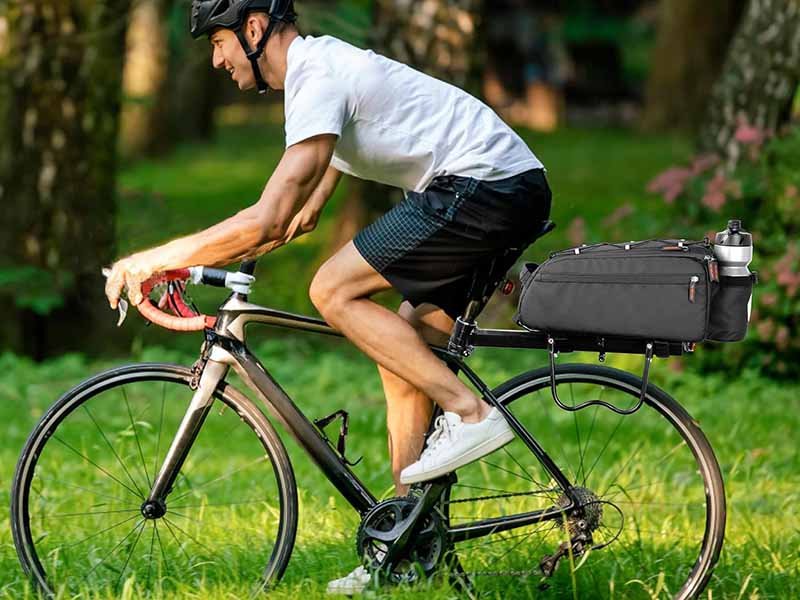
Bike bags used to be simple utility items—functional but rarely stylish. Today, they’ve become an essential part of cycling culture, influencing everything from long-distance touring to daily commuting to extreme bikepacking. Riders now expect their bags to be waterproof, lightweight, durable, aerodynamic, and designed around real cycling ergonomics. But with so many new and established brands in the market—Ortlieb, Topeak, Apidura, Blackburn, Roswheel, and dozens more—choosing the right one can feel overwhelming. What separates a great bike bag brand from a mediocre one? And how should cyclists compare options for different riding styles?
The best bike bag brands are those that offer durable materials, waterproof construction, secure mounting systems, and size options suited for commuting, touring, or bikepacking. Top brands such as Ortlieb, Apidura, Topeak, Blackburn, and Roswheel provide high-performance designs built for stability, weather protection, and easy installation. Choosing the right brand depends on the rider’s terrain, bike type, storage needs, and budget.
Modern cyclists demand more than simple storage—they want gear that matches the way they ride. I once interviewed a bike commuter who said he switched three different bags in one year because “each bag failed for a different reason—water leakage, awkward mounting, or bad zipper.” That’s when he realized that the brand behind the bag matters just as much as the bag’s shape or capacity.
What Is a Bike Bag?
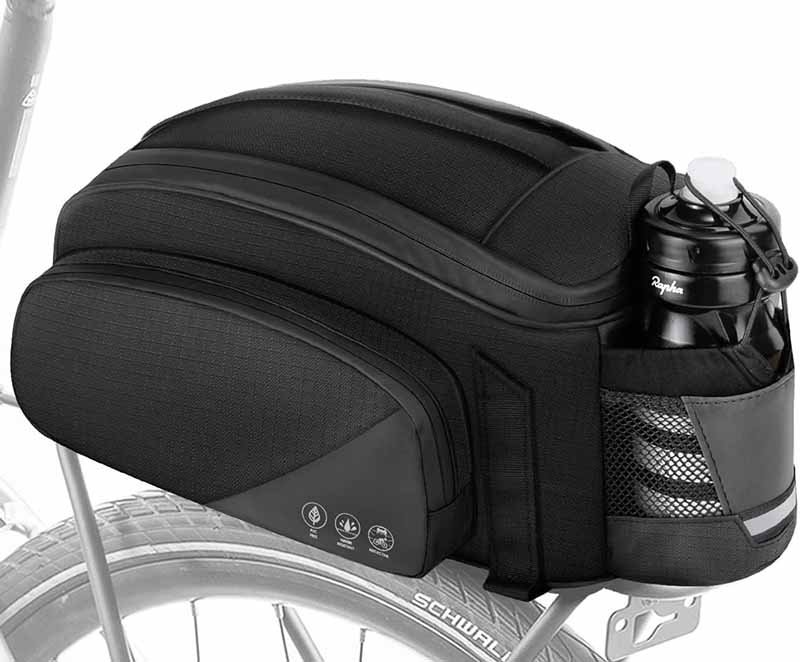
A bike bag is a purpose-built storage accessory mounted on a bicycle’s frame, handlebars, saddle, or rear rack to carry essentials such as tools, clothes, electronics, and food. Cyclists use bike bags to improve stability, reduce back strain, protect items from weather, and optimize weight distribution. Compared with backpacks, bike bags offer better balance, less sweat, and safer handling—making them essential for commuting, touring, bikepacking, and long-distance riding.
The Modern Meaning and Purpose of Bike Bags
A bike bag is not just a container attached to a bicycle—it is a functional extension of the bike itself, designed to improve comfort, stability, and ride efficiency. Today’s bike bags are engineered with purpose: to solve problems that cyclists face daily. Riders need storage, but they also need to maintain balance, aerodynamics, and the ability to ride long distances without fatigue.
Many new cyclists begin with backpacks, only to discover that backpacks cause sweating, shoulder soreness, uneven weight distribution, and reduced mobility. A bike bag eliminates these issues by placing weight directly onto the bicycle frame, where the structure—not the rider—supports the load.
Bike bags are used globally by:
- Commuters who need waterproof storage for laptops, clothes, or lunch
- Road cyclists who need aerodynamic top-tube bags for nutrition
- Touring riders traveling hundreds of kilometers with panniers
- Bikepackers carrying multi-day gear across gravel and mountains
- Delivery riders who need reliable, consistent storage
- Casual riders who simply want a simple place for tools or a phone
Modern bike bags are built around four engineering principles:
1. Weight Distribution
Properly mounted bags keep the bike stable.
- Frame bags store weight centrally
- Panniers distribute load evenly
- Top-tube bags maintain balance
- Saddle bags store compact essentials
The rider wastes less energy balancing the bike.
2. Weather Protection
Cyclists ride through rain, mud, wind, and dust. High-quality bags use:
- TPU-laminated nylon
- 500D–1000D Cordura
- Welded seams (no stitching points for leaks)
- Waterproof YKK zippers
- Roll-top closures
This protects electronics, food, clothing, and tools.
3. Accessibility & Efficiency
Bike bags are designed around ease of use:
- Handlebar bags allow instant access
- Top-tube bags store snacks for on-the-go eating
- Panniers open wide like suitcases
- Saddle bags keep tools reachable during repairs
A good bike bag saves time and effort during the ride.
4. Safety & Riding Comfort
Compared with backpacks, a bike bag:
- reduces back sweat
- improves posture
- eliminates shoulder fatigue
- increases maneuverability
- keeps weight off the rider’s spine
In long-distance riding, this difference is transformative.
What Defines a Bike Bag Style?
Bike bags are defined by:
- Mounting location (handlebar, frame, saddle, rack)
- Purpose (commuting, touring, bikepacking, racing)
- Capacity (0.5L to 50L per bag)
- Material type (waterproof TPU, Cordura, nylon)
- Opening mechanism (roll-top, zipper, buckle)
Each style has a distinct ergonomic function. For example:
- Top-tube bags optimize quick access
- Panniers maximize volume
- Frame bags improve center-of-gravity stability
- Handlebar bags offer easy reach
The style determines not only appearance, but how the bike handles under load.
Why Do Cyclists Choose Bike Bags?
Cyclists choose bike bags because they:
- reduce physical strain
- increase storage volume
- protect items from weather
- reduce aerodynamic drag
- make long rides more comfortable
Backpacks trap heat, cause sweating, and shift during rides. Bike bags stay fixed, secure, and balanced.
For touring or bikepacking, bike bags become a survival system—carrying food, repair tools, clothing, water, sleeping gear, and electronics. A well-designed bike bag setup can support multi-day self-supported rides.
What Features Should a Bike Bag Include?
A high-quality bike bag should have:
- waterproof or highly water-resistant material
- reinforced Velcro or bolt-on mounting
- anti-sway mechanisms
- abrasion-resistant bottom panels
- reflective strips for safety
- easy-access pockets
- durable zippers
- structural support (foam or stiffeners)
Premium bags also include:
- welded seams
- modular mounting
- internal organization
- aerodynamic shapes
These features determine whether a rider feels confident during long rides—or frustrated by constant shifting, rubbing, or leakage.
Which Brands Lead the Bike Bag Market?
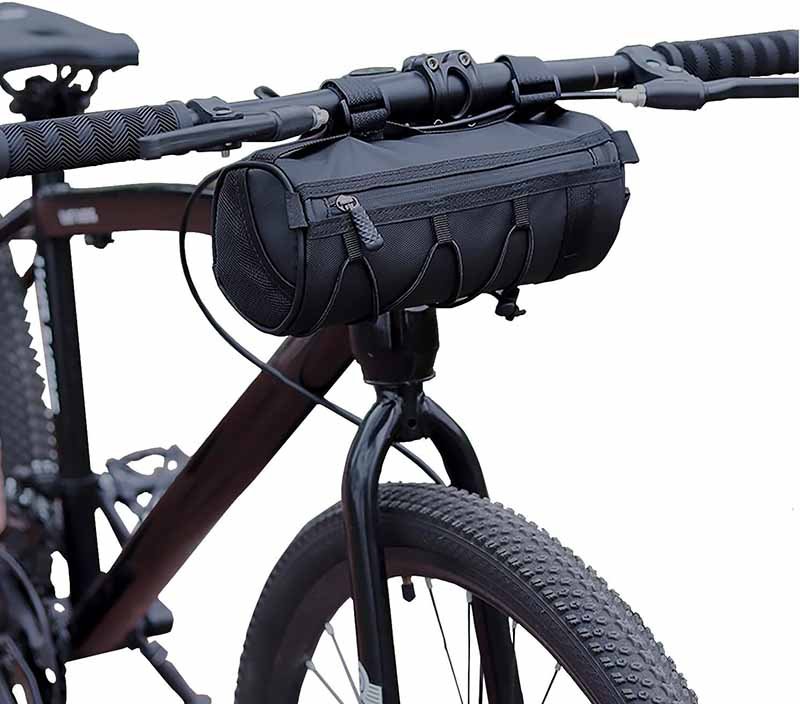
Leading bike bag brands include Ortlieb, Apidura, Revelate Designs, Blackburn, Vaude, Arkel, Topeak, Brooks England, EVOC, and others. These brands dominate thanks to waterproofing performance, stability, durability, and rider-focused engineering. The best choice depends on whether you commute, tour, race, or bikepack, as each brand specializes in different strengths like ultralight design, heavy-duty touring, or budget-friendly versatility.
1. Ortlieb (Germany) – The Gold Standard of Waterproof Touring Bags
Ortlieb has long been considered the definitive leader in waterproof cycling bags, especially among touring cyclists and long-distance commuters. Every bag is constructed using RF-welded seams, which create a completely waterproof shell without relying on stitched panels or seam tape—this is why Ortlieb panniers are famous for surviving heavy rain, river splashes, and years of use without leakage. Their classic roll-top designs, such as the Back-Roller series, offer excellent weatherproofing while maintaining surprisingly light weight. Riders particularly appreciate the QL2.1 and QL3 mounting systems, which clip securely onto rear racks and remain stable even under heavy loads. This is crucial for touring, where panniers often carry 20–30 liters per side. Ortlieb’s aesthetics are minimalist but purposeful: bright colorways for visibility, reflective patches, and industrial-grade durability. They are ideal for riders who need reliability above all else—wet climates, cross-country routes, and fully loaded touring setups. The only downside often mentioned is the higher price point, but customers overwhelmingly say the bags “last for a decade,” making them a long-term investment rather than a seasonal accessory.
2. Apidura (UK) – Ultralight Bikepacking Innovation
Apidura dominates the bikepacking segment with bags that are lightweight, aerodynamic, and built with long-distance endurance in mind. Their Racing and Expedition lines are extremely popular among gravel racers and multi-day bikepacking athletes. Instead of traditional panniers, Apidura designs soft-mounted bags that integrate tightly with the frame, improving bike handling and reducing sway on rough terrain. One of the brand’s core strengths is its use of advanced laminated fabrics that combine abrasion resistance, water resistance, and ultralight structure. Riders also praise the stable fit—top-tube bags stay secure even during technical singletrack, and seat packs use anti-sway technology to minimize lateral movement. Apidura also excels at accessibility and ergonomics. Their frame bags have clean internal layouts and cable-port holes for hydration or electronics. Their roll-top closures allow expansion for long trips, and the Racing series uses waterproof zippers for quick-access pockets. Compared with heavier adventure brands, Apidura focuses strongly on weight and efficiency, making it ideal for riders competing in long races like the Tour Divide, Gravel Worlds, or multi-day fastpacking trips. The brand is premium-priced, but its engineering is geared toward riders who demand performance without compromise.
3. Revelate Designs (USA) – Pioneer of Modern Bikepacking
Revelate Designs is often credited with inventing the modern frame bag and pushing bikepacking gear into mainstream cycling. Founded in Alaska, their gear was originally designed for extreme winter ultras, so durability is embedded deeply into the brand’s DNA. Their most iconic products include the Terrapin seat pack and the Ranger frame bag, both known for rugged fabrics and exceptional sway control on uneven terrain. What sets Revelate apart is its use of military-grade materials, reinforced stitching, and heavily tested mounting systems. Riders frequently mention that Revelate bags “outlast the bike they’re mounted on.” The bags are structured yet flexible, allowing them to adapt to various frame geometries. Revelate’s handlebar systems offer modular design—riders can choose harnesses, dry bags, and accessories that work together seamlessly. This is especially helpful for multi-week adventures where weather changes rapidly. Unlike ultralight competitors, Revelate prioritizes long-term reliability, even if it adds a little extra weight. This makes the brand ideal for remote expeditions, desert crossings, winter riding, and rugged gravel conditions. The visual aesthetic is bold and practical rather than minimalist, appealing to riders who value function above all else.
4. Brooks England (UK) – Heritage Leather + Modern Touring Craftsmanship
Brooks England blends traditional craftsmanship with modern cycling needs. While famous for their saddles, Brooks also produces beautifully crafted touring bags made from premium leather, waxed canvas, and natural fibers. The look is iconic—classic, vintage, elegant—and appeals strongly to urban commuters and touring cyclists who prefer timeless aesthetics over ultramodern technical designs. Brooks bags deliver solid weather resistance thanks to treated canvas and tight stitching, though they’re not fully waterproof like welded TPU brands. What they lack in technical waterproofing, they make up for in style: their bags age beautifully, developing unique patina and character over time. The bags typically have structured shapes, leather straps, and brass hardware, making them ideal for steel touring bikes, city bikes, and retro builds. Riders choose Brooks when they want products that feel artisanal rather than industrial. The bags are heavier than modern bikepacking gear, but incredibly durable. They’re also favored by commuters who want a bag that works both on and off the bike—something they can confidently carry into a café or office.
5. EVOC (Germany) – High-Protection + MTB and Gravel Focus
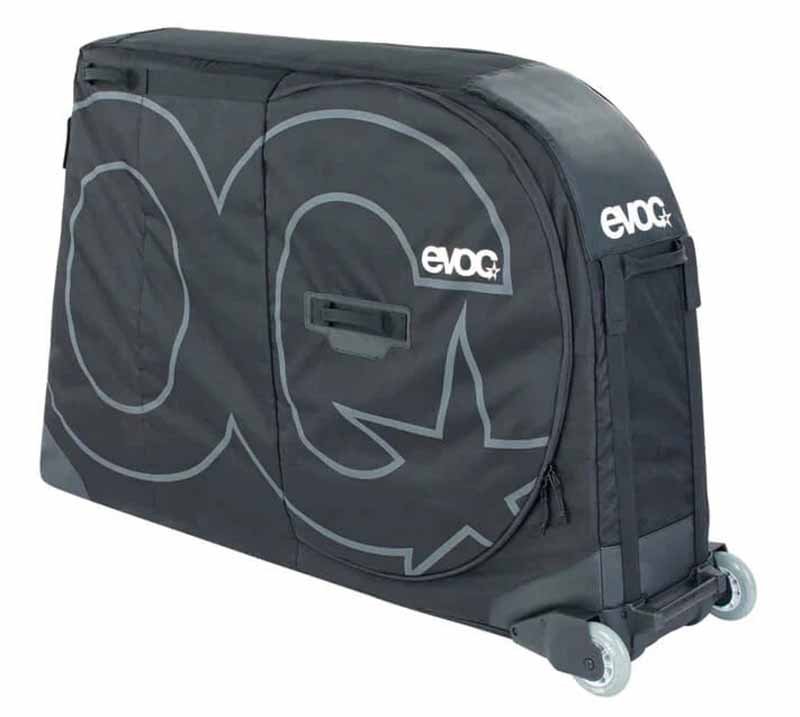
EVOC combines performance engineering with structured protection. Originally known for sports travel cases, the brand applies similar protective design to bike bags. Their frame bags, top-tube bags, and saddle bags are reinforced with semi-rigid shells or EVA foam to protect electronics and tools during aggressive riding. Mountain bikers often choose EVOC because the bags sit securely even during jumps, drops, and rocky descents. Riders also appreciate the clean internal organization, with dedicated pockets for pumps, tire levers, CO₂ cartridges, and small tools. The brand integrates subtle aesthetic design—sleek lines, minimal branding, and strong colorways—which makes their bags look premium without being flashy. While not the lightest option, EVOC is perfect for gravel and MTB riders who prioritize stability and gear protection. They strike a balance between durability and sophistication, appealing to riders who want ruggedness without sacrificing style or comfort.
6. Topeak (Taiwan, China) – Practical Commuter Solutions
Topeak is one of the most widely recognized names in cycling accessories. Their bike bags reflect their design philosophy: functional, reliable, and commuter-friendly. From trunk bags with fold-out panniers to quick-mount handlebar bags, Topeak products are engineered around everyday usability. Their MTX QuickTrack system for rear racks is a standout feature, offering a fast and secure click-on interface that commuters love. Many riders choose Topeak simply because the products are easy to install, simple to operate, and built with practicality rather than trend-chasing. Topeak bags typically use strong zippers, reflective panels, and weather-resistant fabrics. They aren’t always fully waterproof, but they often include integrated rain covers. Topeak gear is perfect for riders who want a dependable, affordable, and no-fuss solution for commuting, weekend rides, or errands. Their wide availability also makes them a go-to recommendation for new cyclists.
7. Blackburn (USA) – Durable Gear at a Fair Price
Blackburn has gained a loyal following for bikepacking because their bags strike a rare balance between durability and value. The Outpost series, for example, delivers reinforced construction, strong mounting straps, and weather resistance at a significantly lower price than boutique brands. Blackburn’s bags are known for being “overbuilt” in the best way: thick fabrics, strong stitching, minimalist hardware, and enough structure to prevent sagging. They perform reliably on gravel routes and rough touring conditions without requiring a premium budget. Riders appreciate the practical features: multiple access points, large volume options, and solid load stability. The brand caters most strongly to riders who want dependable gear for real adventures without paying top-tier prices. Blackburn may not be the lightest or most aerodynamic option, but it consistently ranks among the most recommended for riders doing their first multi-day tour or weekend backpacking trip.
8. Vaude (Germany) – Eco-Conscious Touring Favorite
Vaude is one of the strongest competitors to Ortlieb in the touring pannier segment. They emphasize sustainability, using recycled materials, PVC-free fabrics, and environmentally certified production processes. Many eco-minded cyclists choose Vaude for this reason alone. Their panniers, especially the Aqua series, are highly waterproof thanks to welded seams and robust coating. Riders appreciate that Vaude bags feel extremely well-made, with solid mounting hooks and strong structural integrity. Vaude’s designs tend to be slightly softer than Ortlieb’s, which some riders prefer for ease of packing. The brand also appeals to urban commuters who value both functionality and understated aesthetics. While slightly heavier than some modern bikepacking models, Vaude excels at touring, long-range commuting, and year-round riding, making them a trusted choice for cyclists who ride in unpredictable conditions.
9. Arkel (Canada) – Structured, High-Capacity Touring Pro Gear
Arkel manufactures some of the most robust and structured touring gear available. Their panniers often use aluminum-reinforced frames or stiff internal panels, allowing them to maintain shape even when overfilled. This is a huge advantage for riders who need large-volume storage that remains stable under load. Their mounting systems are extremely secure, making Arkel a favorite among cyclists who carry heavy loads across long distances. Many cycle tourists praise Arkel bags for lasting thousands of miles with minimal wear. The brand also offers exceptional internal organization: multiple pockets, divider sections, and accessible compartments make packing more intuitive. Arkel is ideal for riders who prioritize capacity, stability, and durability, even if that means sacrificing ultralight weight. It is popular among cross-country touring cyclists and long-term bike travelers.
10. Lezyne (USA/Taiwan, China) – Compact Designs for Road Cyclists
Lezyne is best known for compact, cleanly designed saddle bags and top-tube bags geared toward road cyclists. Their designs emphasize aerodynamics, low drag, and minimalist aesthetics, making them perfect for performance-focused riding. Riders love the tight fit and secure Velcro mounting systems, which keep Lezyne bags from wobbling during high-speed rides. The bags are usually small, focusing on essentials like tools, CO₂ cartridges, and spare tubes. While Lezyne doesn’t target the touring or bikepacking market, their products are extremely popular among road riders who want small, reliable storage that doesn’t disrupt the bike’s silhouette. Simplicity, durability, and lightweight design define the Lezyne experience.
11. Rockbros (China) – Modern Waterproof Value Leader
Rockbros has built a large global following, especially through Amazon, by offering affordable but surprisingly well-engineered bags. Their top-tube bags with phone windows, EVA hard-shell models, and waterproof frame bags are especially popular among commuters and gravel riders. Rockbros is known for delivering features usually found only in premium brands: welded seams, TPU waterproof fabrics, touch-screen phone pockets, and high-capacity frame bags. Riders appreciate the wide range of styles and the excellent price-to-performance ratio. However, finishing quality may vary slightly between different models. Overall, Rockbros is ideal for riders who want functional waterproof gear without paying high-end prices, especially casual cyclists and commuters.
12. Rhinowalk (China) – Large-Capacity Waterproof Touring Bags
Rhinowalk specializes in budget-friendly waterproof panniers and multi-purpose bags. Many riders choose Rhinowalk when they need large capacity for commuting or light touring but don’t want to spend premium prices. Their panniers typically feature durable PVC or TPU-laminated materials, roll-top closures, and solid rack hooks. Many models perform surprisingly well under heavy rain, making them a favorite on long commutes. Rhinowalk bags are heavier compared to premium brands, and some riders mention zipper durability varies by model. But overall, the brand offers outstanding volume and waterproofing at very accessible pricing—great for new tourers or utility cyclists.
13. Ibera (USA/Asia) – Reliable Panniers & Rack Systems
Ibera’s strength lies in offering complete pannier + rack systems that are easy to install and highly functional. Their trunk bags with expandable fold-out panniers are very popular among commuters. The brand focuses on practicality: good internal organization, reflective patches, sturdy zippers, and universal rack compatibility. Ibera bags are more affordable than premium touring brands, but still offer excellent durability for everyday commuting. They are a perfect match for hybrid bikes and city riders who want reliable storage without unnecessary complexity.
14. Roswheel (China) – Versatile Bikepacking & Touring Gear
Roswheel has evolved significantly in recent years. Their Off-Road Series uses welded seams, waterproof TPU materials, and MOLLE-style modular mounting—earning respect from gravel and bikepacking riders. They also offer road and touring series, making the brand one of the most diversified options in the market. Riders appreciate the rugged waterproofing and large capacity at a cost-effective price. While heavier than ultralight brands, Roswheel is highly valued by riders who want fully waterproof gear without premium pricing.
15. BV Bike (USA) – Entry-Level, Functional Cycling Storage
BV Bike targets casual riders with simple, affordable saddle bags, trunk bags, and handlebar storage options. They are widely available and consistently praised for offering dependable value. While not intended for harsh gravel or multi-day bikepacking, BV Bike products are excellent for city rides, quick commutes, and basic storage of small tools and personal items. Their bags are lightweight, easy to mount, and offer decent water resistance, making them ideal for beginners and budget-conscious riders.
16. Wild Man (China) – Hard-Shell Phone & Top-Tube Bags
Wild Man stands out for its EVA hard-shell bike bags, particularly top-tube and handlebar bags with touch-screen phone windows. Urban cyclists love being able to view maps or fitness apps without removing their phone. The hard-shell structure protects items during bumps or accidental falls. Some riders note that the rigid shell may create frame rub if installed incorrectly, but the protective benefits outweigh this for many users. Wild Man bags look modern and sleek, making them popular among e-bike and commuting riders.
17. Sahoo (China) – Compact Waterproof Essentials Bags
Sahoo’s top-tube, frame, and small saddle bags are well-known for affordable waterproof performance. Many riders appreciate the sealed zippers, TPU-coated fabrics, and slim profiles that fit a wide variety of bikes. While not suited for extreme bikepacking loads, Sahoo excels in delivering practical everyday storage for casual cycling, short commutes, or urban rides. Their small bags are especially popular for carrying phones, snacks, mini tools, and essentials.
18. Oveja Negra (USA – Colorado)
Oveja Negra is one of the most respected handmade bike bag brands in the U.S., especially within the gravel and bikepacking community. Based in Colorado, the brand builds bags tailored for rugged terrain and long-distance touring. Their signature offerings include the SuperWedgie frame bag, the Bootlegger fork bag, and the Snack Pack top-tube bag. Riders love Oveja Negra for its craftsmanship, vibrant colorways, and playful design personality, which sets them apart from more utilitarian brands. Another standout feature is their use of highly durable X-Pac and Cordura fabrics, which are lightweight yet abrasion-resistant. Their stitching quality and attachment stability also receive consistent praise in rider reviews and gear tests. While the brand doesn’t aim for ultralight racing style like Apidura, it excels in durability, usability, and aesthetic identity. Oveja Negra bags are ideal for gravel riders, adventurers, and bikepackers who want robust gear with a bit of personality and color. The brand has a strong reputation for reliability in harsh desert, mountain, and wet forest environments.
19. Jandd Mountaineering (USA – California)
Jandd is one of America’s oldest cycling and outdoor bag makers, founded in 1983 and known for heavy-duty touring panniers, trunk bags, and rack systems. Unlike modern ultralight bikepacking brands, Jandd focuses on classic touring construction—thick ballistic nylon, reinforced stress points, and straightforward functionality. Their panniers are widely used by cross-country tourers because they’re incredibly durable and able to withstand long-term load stress. Many riders report using Jandd panniers for 10–15 years without significant wear. Their attachment hooks are simple yet exceptionally strong, and the brand offers generous capacity options that appeal to long-range commuters and touring cyclists who want rugged reliability rather than trendy design. Jandd bags are a bit heavier and more traditional looking than other modern competitors, but their durability and practicality make them a cult favorite among serious tourers. If a cyclist wants “old-school American toughness,” Jandd is one of the best choices.
20. North St. Bags (USA – Portland)
North St. Bags is a boutique U.S. manufacturer known for handmade panniers, convertible backpacks, and commuter-focused cycling bags. Their products emphasize urban functionality, sustainability, and modular design—perfect for city riders, e-bike commuters, and work-to-bike transitions. The brand uses U.S.-sourced materials whenever possible and offers customizable color options, which appeal to design-conscious commuters. Their convertible pannier/backpack bags are particularly popular because they allow cyclists to ride to work, detach the bag, and walk into the office in style. North St. bags are water-resistant (some fully waterproof), and they use thick, durable nylon with clean stitching and robust hardware. Their mounting systems are solid and easy to operate, making them strong contenders for everyday commuting. Although not positioned as a hardcore bikepacking brand, North St. excels in the urban cycling and lifestyle utility category, offering high-quality products that combine aesthetics with real-world practicality.
21. Restrap (United Kingdom)
Restrap is a UK-based brand specializing in handcrafted bikepacking bags. Known for zero-waste manufacturing practices and durable earth-tone designs, Restrap has gained a strong following among European gravel and endurance riders. Their bags, including the Bar Bag, Saddle Bag, and Race Range series, use soft-structured yet highly secure mounting systems, so they remain stable even on rough terrain. What riders appreciate most is the brand’s attention to detail—laser-cut straps, magnetic buckles, modular add-ons, and the use of high-quality technical fabrics like VX21 X-Pac. Restrap’s aesthetic is understated and functional, appealing to riders who want serious performance without flashy branding. The brand also excels at weatherproofing; many cyclists praise Restrap for surviving multi-day rain rides across Europe. Its balance between durability, design, and environmental responsibility makes it a standout choice in the European bikepacking scene.
22. Apura (Poland / EU Region)
Apura is a rising European brand gaining attention for offering affordable yet high-quality bikepacking and touring bags. Manufactured in Poland, Apura focuses on durability, reflective visibility, weather resistance, and cyclist-oriented functionality. Their frame bags, saddle bags, and bar rolls often feature TPU-coated materials, water-resistant zippers, and well-planned internal layouts. Apura bags strike a strong balance between price and performance, making them popular among new bikepackers and budget-conscious riders across Europe. Cyclists praise Apura for its clean, understated design, stable mounting straps, and robust stitching. While not as premium as Apidura or Restrap, Apura offers exceptional value for money. The brand is a strong choice for riders who want solid performance without investing in high-end options.
23. Ortlieb Fork-Pack + Vaude’s European Competitor: Basil (Netherlands)
To complement Ortlieb and Vaude, another important European brand is Basil, well-known across the Netherlands and Germany—countries with the highest cycling rate in the world. Basil specializes in commuter, grocery, and leisure cycling bags, especially stylish panniers, basket bags, and e-bike compatible bags. Their designs emphasize everyday usability: quick-lift handles, reflective accents, waterproof fabrics, and elegant styling that fits urban living. Riders choose Basil when they want bags that blend with city fashion rather than rugged outdoor aesthetics. Basil’s commuter panniers are popular across Europe for their versatility: they look appropriate in an office, a café, or a supermarket. Their weather-resistant fabrics and functional internal compartments make them ideal for e-bike commuters, students, and daily city riders. While Basil doesn’t compete directly in the hardcore bikepacking segment, their dominance in the European commuter and lifestyle cycling market makes them a key brand worth noting.
How Do You Evaluate a Bike Bag Brand?
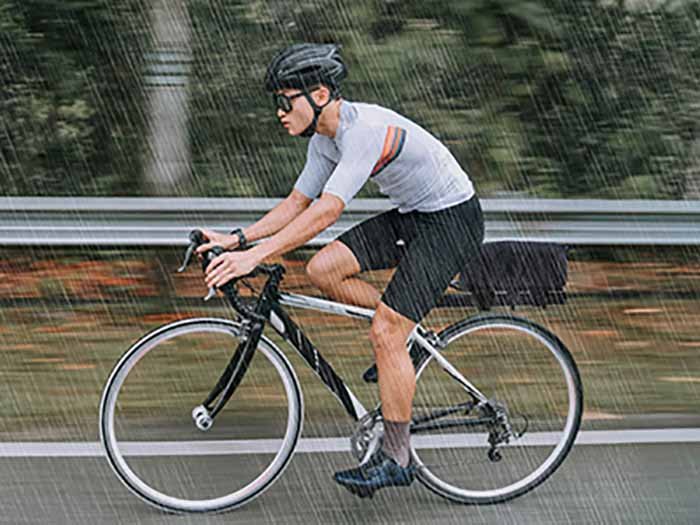
To evaluate a bike bag brand, focus on real performance factors: material durability, waterproofing method, mounting stability, zipper and seam quality, fit across bike geometries, and long-term rider feedback. Strong brands publish clear specs, use proven fabrics (TPU, Cordura, X-Pac), design secure attachment systems, and maintain consistent quality across models. Customer reviews, warranty behavior, and field-testing reputation matter more than marketing claims.
Evaluating a bike bag brand is about separating true ride-tested engineering from surface-level marketing. Many brands look similar online, but their real differences show up after 200 km of rain, vibration, pedal-stroke movement, and repeated packing. A reliable evaluation framework should examine a brand through three angles: technical performance, real-world durability, and trust signals.
How Does Material and Waterproofing Quality Reveal a Brand’s Level?
Material choice is the fastest way to judge a brand’s seriousness. Premium and reliable brands usually specify fabrics clearly—common high-performance standards include TPU-laminated nylon, Cordura 500D–1000D, and X-Pac (VX21/VX42). These fabrics resist abrasion, hold shape under load, and maintain coating performance after years of sun, rain, and grime.
Waterproofing is equally revealing. You’ll usually see three tiers:
- Water-resistant: coated fabric + standard seams (fine for light rain).
- Taped seams: stitched panels sealed with tape (mid-level, depends on execution).
- Welded seams / roll-top: true waterproof construction (top-tier touring/bikepacking).
If a brand says “waterproof” but doesn’t explain how, it’s often a marketing shortcut. Real waterproof brands describe seam method, coating type, and closure system.
How Do Mounting Systems and Fit Show Real Engineering?
Bike bags live or die by stability. Even excellent fabric fails if mounting is weak. Strong brands engineer mounting to prevent three problems:
- sway (side movement on rough terrain)
- rub (bag grinding against frame or tire)
- creep (straps loosening over time)
Look for multiple anchor points, structured harnesses for seat/handlebar bags, and well-placed Velcro or buckle straps that match frame geometry. High-quality pannier brands often use robust hook systems plus lower stabilizers to prevent bouncing.
Fit also matters: brands that truly understand cycling design bags around real bike shapes—tapered seat packs that avoid thigh rub, frame bags with cable ports, handlebar rolls that clear brake levers. If a brand shows only studio photos (no mounted angles), that’s a weaker sign.
How Do Reviews, Warranty Behavior, and Community Trust Confirm a Brand?
You can’t fully evaluate a brand without real rider feedback. Look beyond average star rating and focus on patterns:
- Do reviews mention long-term use (6–24 months)?
- Are failures consistent (zippers, straps, coating)?
- Do riders say they bought a second bag from the same brand?
Community trust is huge in cycling. Brands repeatedly referenced in touring forums, gravel groups, or bikepacking races earn credibility because riders are brutally honest about gear failures.
Warranty behavior is another subtle signal. Strong brands don’t just offer warranties—they honor them fairly. Reviews often reveal whether customer service is responsive or defensive. If a brand’s reputation includes “they replaced it without hassle,” that’s a real trust marker.
Which Bag Types Fit Which Cycling Use Case?
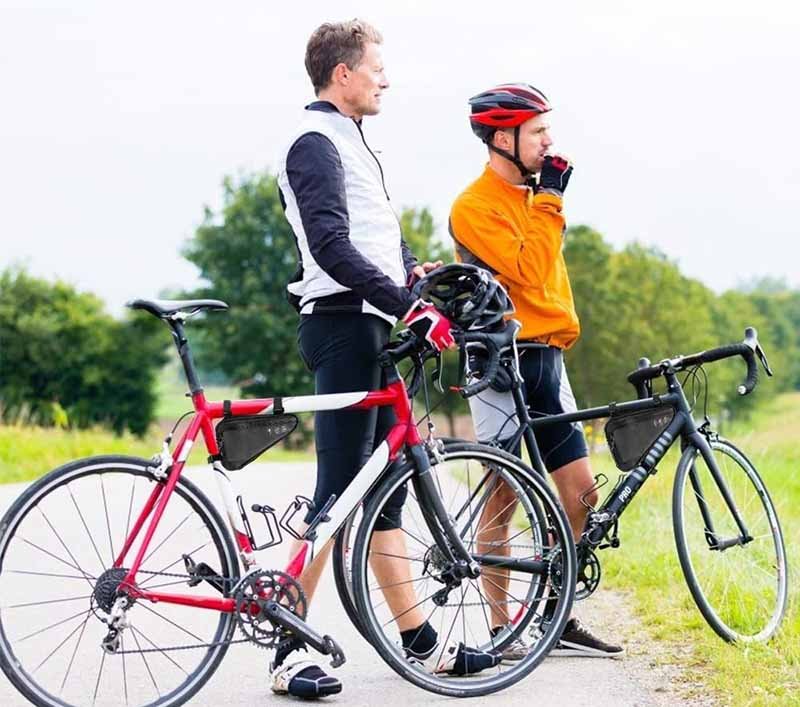
Different bike bag types fit different cycling needs. Handlebar bags offer fast access for commuting and touring, frame bags maximize stability for bikepacking, panniers provide high-volume storage for long-distance touring, and saddle bags hold essential repair tools for everyday rides. Choosing the right bag depends on how far you ride, how much gear you need, and whether you prioritize speed, comfort, or carrying capacity.
Cyclists often make the mistake of choosing bike bags by appearance alone, but the correct approach is to match the type of bag to the riding scenario. Each cycling discipline—commuting, touring, bikepacking, gravel racing, or weekend leisure riding—places different demands on a bag’s stability, capacity, waterproofing, and accessibility.
A commuter riding 10 km each morning needs quick access to essentials like a phone, keys, wallet, work clothes, or lunch. A touring cyclist riding 1,000 km across a country needs balanced weight distribution, waterproof panniers, and weatherproof roll-top storage. A gravel racer needs aerodynamic bags that don’t sway, while a mountain biker needs bags that won’t bounce or rub during aggressive trail riding.
The key is to evaluate what you carry, how often you access it, and how your bike behaves under load. For example, a top-tube bag may look small, but for many cyclists it becomes the most frequently used bag because it allows access to snacks, tools, or a phone without stopping. Meanwhile, frame bags offer unmatched stability because they place weight at the bike’s center of gravity, making them ideal for multi-day trips.
Understanding each bag category allows riders to plan smarter, travel more comfortably, and avoid wasted money on gear that doesn’t fit their style of riding. Below is a detailed guide of the main types of bike bags and their best use cases.
Which Handlebar Bags Work for Commuting and Touring?
Handlebar bags are ideal for cyclists who need quick, easy front access while riding. They’re commonly used in commuting, road touring, and leisure cycling because items such as snacks, maps, sunglasses, chargers, and small cameras can be reached instantly.
For commuting:
- Handlebar bags with rigid shapes and clear organizer pockets help keep daily essentials sorted.
- Some versions include a transparent phone/map window, popular among city riders and delivery cyclists.
For touring:
- Larger roll-top handlebar bags or harness systems can carry sleeping bags, jackets, or larger soft goods.
- Good brands design them to avoid brake lever interference and maintain steering stability.
The main benefit is accessibility—handlebar bags act like a rider’s “glove box.” They do add some front weight, so they’re not ideal for technical MTB trails, but for road and gravel surfaces they are extremely practical.
Which Frame Bags Fit Bikepacking and Long-Distance Riding?
Frame bags are the most stable storage option because they sit inside the bike’s main triangle, keeping weight centered and low. This improves balance, climbing efficiency, and handling on rough surfaces.
They excel in:
- Bikepacking (multi-day rides)
- Gravel racing
- Long-distance touring
Frame bags are perfect for heavier items:
- tools
- pumps
- food
- water bladders
- cooking gear
- extra layers
Riders prefer them because they avoid sway, reduce drag, and maintain predictable steering. Half-frame bags leave room for water bottles, while full-frame bags maximize space for adventure riders.
The only limitation is compatibility: each bike’s frame shape differs, so proper fit matters. But in terms of performance, nothing matches the stability and storage efficiency of a well-made frame bag.
Which Saddle Bags and Panniers Work for Touring and Utility Riding?
Saddle bags and panniers serve different but equally important purposes.
Saddle bags (seat packs) are best for:
- everyday repair kits
- inner tubes
- compact tools
- CO₂ cartridges
- lightweight clothing
Bikepackers use large roll-top seat packs (5–14L) that can replace rear panniers on off-road routes. They offer good capacity without needing a rear rack but must be well-mounted to prevent sway.
Panniers, on the other hand, dominate long-distance touring and utility cycling because they offer:
- large volume (20–60L+)
- waterproof performance
- balanced load distribution
- easy on/off rack systems
Touring cyclists love panniers because they carry everything from clothing to cooking equipment, laptops, groceries, or camping gear. For commuters, panniers replace backpacks entirely, reducing sweat and back strain.
Saddle bags and panniers together cover short-range essentials and high-capacity needs—making them indispensable for most cycling lifestyles.
How to Properly Care for and Maintain Bike Bags?
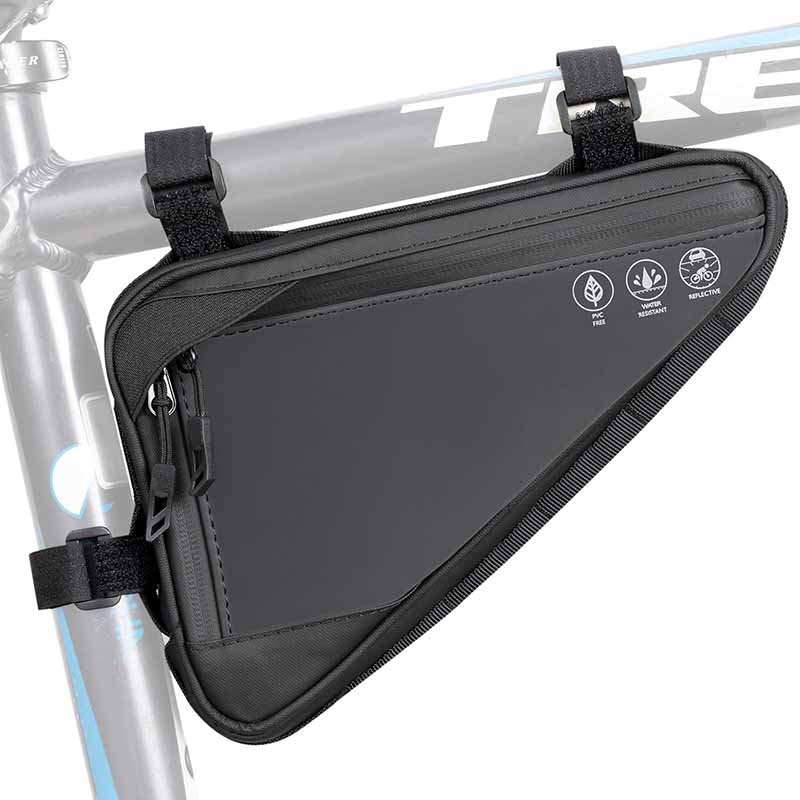
Bike bags face constant exposure to dust, mud, sweat, UV rays, vibration, and rain—conditions far tougher than what most regular bags experience. Proper maintenance is not optional; it directly affects waterproofing performance, zipper functionality, mounting strap lifespan, and overall bag structure. Even the strongest TPU or Cordura fabric can degrade early if neglected.
The goal of bike bag maintenance isn’t just to keep the bags looking clean—it’s to protect the technical materials that make them stable, waterproof, and long-lasting. Dirt absorbs moisture, which leads to mildew. UV light dries out coatings. Salt and sweat corrode zippers. And moisture trapped inside bags causes odors or mold. With a simple but consistent cleaning routine, most riders can double the lifespan of their bike bags.
A smart care routine breaks down into four steps: cleaning, drying, conditioning, and storing. Each step ensures the bag performs reliably whether you commute daily or embark on multi-day bikepacking trips. Below is a detailed guide for each:
How to Clean Bike Bags Properly Without Damaging Materials?
Bike bags should never be machine-washed, pressure-washed, or soaked in hot water, as these can damage waterproof coatings and weaken structural seams.
Correct cleaning steps:
- Remove dust and debris using a soft brush or cloth.
- Mix lukewarm water + mild soap (no bleach, no fabric softeners).
- Use a sponge or microfiber cloth to wipe the exterior and interior.
- Clean zippers using a soft toothbrush to remove grit.
- Rinse gently with clean water—avoid soaking welded seams.
For waterproof bags (TPU, PVC, welded):
- Avoid harsh scrubbing which can scuff coatings.
- Never use solvent-based cleaners.
For fabric bags (Cordura, canvas, nylon):
- Spot cleaning is best.
- Stains should be treated with diluted soap, not chemicals.
After muddy rides, clean the bag as soon as possible, because dried mud acts like sandpaper on coatings and zippers.
How to Dry Bike Bags Safely After Washing or Riding in the Rain?
Improper drying is the #1 cause of mildew, odor, and peeling coatings in bike bags.
Correct drying method:
- Open all compartments and turn the bag partially inside-out (if safe).
- Air dry in shaded, ventilated areas.
- Avoid direct sunlight for long periods—UV rays degrade TPU, nylon coatings, and mesh pockets.
- Never use heat sources: no dryers, radiators, hair dryers, or hot car interiors.
Why sunlight is dangerous:
- UV breaks down waterproof layers
- causes cracking over time
- fades colors
- weakens outer fabric panels exposed to abrasion
If the bag has metal components (zippers, buckles), ensure they are completely dry to prevent corrosion.
For roll-top bags and welded panniers:
- Leave tops open for airflow
- Avoid creasing wet coated fabrics (creases weaken waterproof membranes)
How to Maintain Zippers, Straps, and Waterproof Coatings?
Bike bags fail not because the main fabric wears out, but because zippers, buckles, and straps degrade first.
To protect zippers:
- Lubricate occasionally with zipper wax or silicone lubricant
- Remove grit with a soft brush
- Never force a stuck zipper—clean it and try again
For Velcro straps:
- Remove lint or debris regularly
- Avoid storing straps closed while wet
For buckles:
- Inspect for cracks
- Replace at first signs of stress, especially on heavily loaded panniers
Waterproof coatings (TPU, PU, PVC) require gentle care:
- Avoid bending or folding coated panels sharply
- Store them loosely to prevent crease marks
- Do not use alcohol-based cleaners, which cause peeling
If the bag uses welded seams, avoid twisting the bag aggressively, as this stresses joint lines.
How to Store Bike Bags for Long-Term Protection?
Proper storage dramatically extends bike bag lifespan, especially in humid or very hot environments.
Best practices:
- Ensure bags are 100% dry before storage
- Store in a cool, dry, indoor environment
- Avoid attics, garages, or car trunks (heat accelerates coating breakdown)
- Loosen or remove straps to avoid permanent deformation
- Keep bags uncompressed—do not stack heavy objects on top
For touring panniers:
- Store upright to maintain structural panels
- Keep roll-tops unrolled
For bikepacking bags:
- Keep straps untensioned to avoid permanent strap stretch
- Air them out every few months
If storing for several months, place silica gel packets inside to protect against humidity.
Conclusion
Bike bags are more than simple storage accessories—they are tools that shape the cyclist’s entire riding experience. A well-designed handlebar bag can turn a stressful commute into an effortless daily routine. A stable frame bag can transform a gravel ride from tiring to efficient. And a waterproof pannier can determine whether a long-distance tour is enjoyable or frustrating. Behind every great ride is gear that works seamlessly with the rider, the terrain, and the bike.
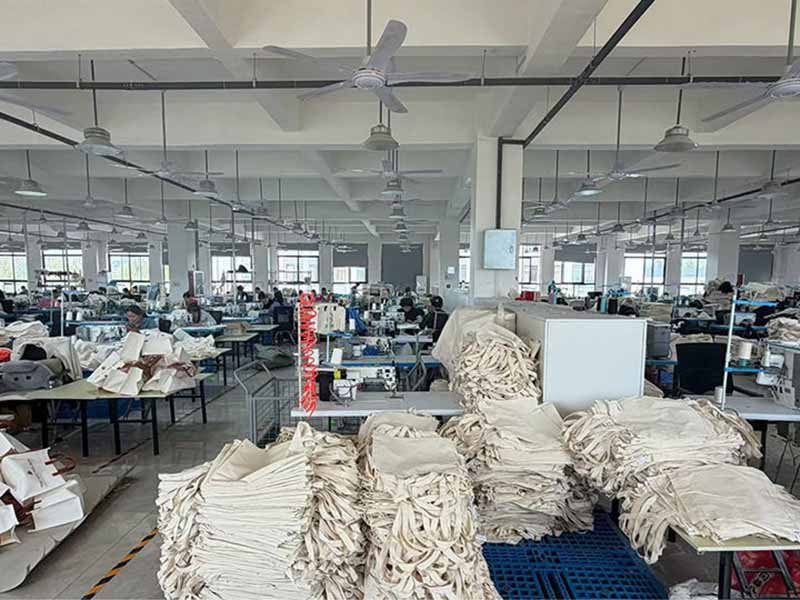
From lightweight bikepacking bags to structured panniers, from waterproof TPU constructions to modern hard-shell top-tube bags, from simple commuter storage to complete multi-bag setups—Szoneier can tailor every detail:
- Fabric selection (TPU, nylon, Cordura, ripstop, EVA shell)
- Waterproofing method (taped seams, welded seams, roll-top designs)
- Bag architecture (frame-fit geometry, anti-sway seat mounts, modular MOLLE systems)
- Mounting solutions (Velcro, buckle systems, quick-release designs)
- Branding touches (logo patches, reflective elements, custom colorways)
Our development process is built for speed and precision—free design support, low MOQ, fast sampling, and a professional QC system ensure consistency from the first prototype to full production.
If you’re exploring a new cycling bag line or looking to expand your product catalog—whether for commuting, touring, gravel, MTB, road, or e-bike markets—our team is ready to support you from concept to finished product.
Contact Szoneier today to start your custom bike bag project. Let’s build gear that moves with your customers, protects their essentials, and elevates every ride.