 Skip to content
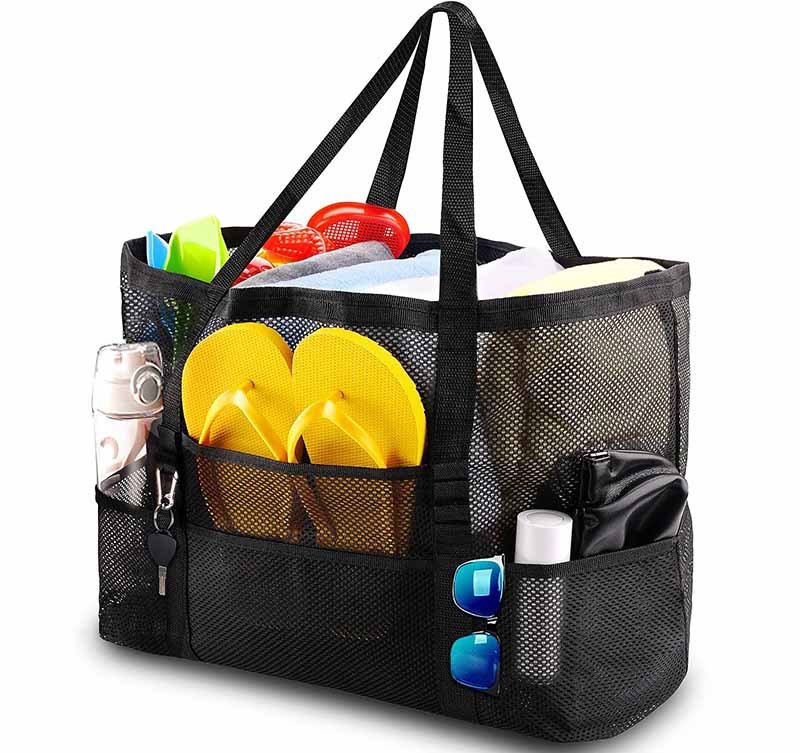
Beach days look effortless on Instagram—but the bags people carry tell a very different story. Some beach bags fall apart after a single trip, while others survive seasons of sun, salt, sand, sunscreen, and wet towels. Today’s shoppers want more than “a cute summer tote”—they want durability, waterproof protection, functional pockets, easy cleaning, and enough space for half the shore. That’s why the search for the best beach bag list has skyrocketed on Google, especially as brands launch dozens of designs claiming to be “the new essential.”
The best beach bags are durable, waterproof or water-resistant, lightweight, large-capacity, and easy to clean. Popular styles include mesh totes, waterproof dry bags, insulated cooler beach bags, oversized canvas totes, and sand-proof beach bags. Choosing the right one depends on your needs—whether it’s carrying towels, snacks, sunscreen, toys, or electronics. A high-quality beach bag balances comfort, capacity, weight, and weather resistance.
Yet the beach bag market is more complex than it appears. What works for families may not work for solo travelers. What works for a brand launching a beachwear collection may not suit a luxury lifestyle brand. And with so many materials—nylon, canvas, mesh, PVC, neoprene, TPU, and polyester—understanding which bag truly offers value requires looking beyond aesthetics. Before we explore the top beach bag styles, let’s start with the most important question: What types of bags are truly made for beach conditions?
What Types of Bags Are Suitable for Beach Use?
Beach bags face harsher conditions than most everyday bags — sun exposure, saltwater, sand, humidity, moisture, and heavy loads. Because of that, not every bag is built for the beach environment. Below are the eight most suitable beach-day bag types, each explained with material benefits, ideal use cases, strengths, and limitations.
1. Mesh Beach Bags — Best for Sand Control & Ventilation
Ideal for: families, parents with kids, toy storage, wet items Material: large-hole nylon or polyester mesh
Mesh beach bags are the most practical choice for sand-heavy environments because their open-grid structure allows sand to fall out naturally with a quick shake. This makes them extremely easy to clean and perfect for carrying beach toys, water shoes, goggles, and wet towels. Their lightweight design also ensures they remain comfortable even when packed full.
Mesh bags dry very quickly, resist odor buildup, and usually come in oversized shapes. These bags are ideal for families or travelers who carry a lot of items that inevitably get sandy or wet. Their only drawback is lower privacy and less structure, making them unsuitable for valuables or heavier items. Still, for pure beach functionality, mesh is unbeatable.
2. Canvas Beach Totes — Strong, Stylish & High-Capacity
Ideal for: long beach days, style-conscious travelers, families Material: heavy-duty canvas / cotton canvas / waxed canvas
Canvas beach totes remain one of the most iconic beach bag styles thanks to their durability, clean look, and huge storage capacity. Thick canvas (16oz–20oz) provides structure and strength for carrying multiple towels, clothing, snacks, sunscreen bottles, and beach accessories without collapsing.
Modern designs often include waterproof or water-resistant linings such as TPU, EVA, or coated polyester to combat moisture and prevent mold. Canvas is also easy to print on, making it popular for boutique brands, beach resorts, and promotional campaigns.
The only disadvantage is that canvas absorbs water if not lined and can be slightly heavier than polyester. However, for beachgoers who want a stylish, long-lasting bag, canvas totes are a top choice.
3. Waterproof Dry Bags (PVC/TPU) — Best for Water Sports & Electronics
Ideal for: snorkeling, surfing, kayaking, boating, protecting valuables Material: PVC / TPU / coated nylon with welded seams
Dry bags are the most waterproof option available. Built with roll-top closures, they can reach IPX6–IPX8 waterproof levels, protecting items even from full submersion. They’re perfect for storing electronics, dry clothes, towels, wallets, and essential travel documents during beach trips or water sports.
These bags are especially useful in tropical destinations or for adventurous beachgoers who spend time on boats or in the water. Their only limitation is that they have a sporty look, which may not appeal to fashion-focused users. Still, when protection is the priority, dry bags are unmatched.
4. Neoprene Beach Bags — Soft, Flexible, and Premium-Looking
Ideal for: influencers, premium shoppers, families, fitness/beach crossover use Material: neoprene (diving material) + rope or webbing handles
Neoprene beach bags have become one of the hottest trends thanks to their flexibility, softness, premium feel, and stylish silhouette. Neoprene is naturally water-resistant, UV-resistant, washable, and durable — making it perfect for beach conditions.
These bags feel luxurious yet sporty, and they offer great structure without being rigid. They’re also easy to clean, making them ideal for families or fashion-driven beachgoers. Neoprene bags typically cost more than mesh or polyester options, but their aesthetic appeal and durability offer high perceived value.
5. Polyester & Oxford Beach Bags — Lightweight & Affordable
Ideal for: casual travelers, budget-conscious buyers, resorts, gift markets Material: 210D / 300D / 600D polyester or Oxford fabric
Polyester and Oxford fabrics are the most common beach bag materials due to their lightweight feel, durability, affordability, and unlimited print possibilities. They resist abrasion, dry quickly, and work well with waterproof coatings.
These fabrics are perfect for beach totes, foldable travel bags, and mid-priced beach bags. They don’t offer the luxury feel of canvas or neoprene, but they offer great performance at a lower price — making them ideal for high-volume retail and promotional products.
6. Beach Cooler Bags — Best for Families & Beach Picnics
Ideal for: families, couples, picnic lovers Material: insulated PEVA lining + foam padding + polyester/canvas outer shell
Cooler beach bags combine two categories into one: a traditional beach tote plus a cooler compartment. Their insulated lining helps keep drinks, fruit, and snacks cold for hours, while the outer bag carries towels, clothing, or toys.
These are excellent for families who spend long hours at the beach, or for travelers who prefer picnics by the shore. The main trade-off is slightly more weight, but the added functionality makes cooler bags a high-value choice.
7. Foldable Travel Beach Bags — Most Convenient for Vacation Travelers
Ideal for: frequent flyers, resort guests, hotel amenities Material: nylon / polyester / ripstop
Foldable beach bags are ultra-lightweight and compress into a small pouch, making them perfect for travel. Tourists love them because they pack flat inside luggage yet expand to full size when needed at a resort or beach.
Although they don’t offer the structure of canvas or neoprene, their convenience and versatility make them essential for international travel, cruise trips, or spontaneous beach visits.
8. Multi-Compartment Beach Backpacks — Hands-Free & Highly Functional
Ideal for: hikers, parents, long walks from car to beach Material: durable nylon, mesh pockets, coated fabrics
Beach backpacks are becoming extremely popular because they free your hands and distribute weight evenly — perfect for families carrying multiple items or beachgoers who walk a long distance.
With multiple compartments, bottle holders, wet-dry separation pockets, and padded straps, they combine the comfort of hiking packs with beach-ready materials. While not as waterproof as dry bags or as stylish as neoprene totes, their convenience and ergonomics give them a unique advantage.
Which Styles of Beach Bags Are Trending Now?
Popular beach bag styles currently trending include mesh beach totes, waterproof dry-bags, neoprene fashion beach bags, insulated cooler beach totes, oversized canvas beach bags, and foldable travel friendly beach bags. These styles merge functionality—such as sand-proofing, water resistance and easy cleaning—with style versatility. They cater to different user needs: families, adventure travellers, fashion oriented shoppers, and casual day-trippers.
1. Mesh Beach Totes — Lightweight, Sand-Proof & Family-Friendly
Mesh beach totes are seeing rapid uptake because they directly solve one of the biggest beach bag pain-points: sand. Their open-weave structure allows sand and water to simply fall through or drain away, making them ideal for families carrying toys, water shoes, wet towels, and beach accessories. The lightweight nature means even when packed full they remain manageable.
In terms of design, mesh totes often come with brightly coloured piping, reinforced base panels, contrast handles, and occasionally inner pouch liners for smaller items and valuables. They work well for both beach and poolside use, as the ventilation prevents mildew. While they don’t offer rigid structure or high fashion status, their practicality makes them a staple in the beach bag market.
2. Waterproof Dry Bags — Adventure-Ready & Versatile
Dry bags originally catered to water sports, boating, and kayaking, but are now increasingly used in beach-bag form by active travellers. Made from TPU, PVC-coated nylon or welded seams, these bags protect contents from splashes, sand storms, or unexpected rain. Some roll-top designs double as beach benches or equipment carriers for surf, paddle-board or snorkel gear.
These bags trend among travellers who want one bag for both beach and adventure use. They pair well with activewear brands and resort wear labels. The design aesthetic tends to be functional—bold colours, utility straps, side mounts—but many brands are adding aesthetic elements like tonal textures, branded buckles, and sleek silhouettes to appeal to fashion-forward consumers.
3. Neoprene Fashion Beach Bags — Premium Casual & Influencer-Friendly
Neoprene has jumped from gym bags into beach bags because it offers the unique combination of sport-luxury feel plus beach durability. Its advantages include softness, stretch, water-resistance, UV resistance, and machine washability. For style-driven shoppers, neoprene beach bags offer structured silhouettes, cable or rope handles, embossed logos, and premium hardware, making them suitable for both beach and city use.
These bags are trending especially among younger, style-conscious consumers who expect their beach accessories to double as everyday designer-looking pieces. While the cost is higher compared to standard canvas or mesh, neoprene commands higher perceived value and aligns with lifestyle brands that blur the line between resort and urban.
4. Insulated Cooler Beach Bags — Function Meets Leisure
The trend toward all-day beach outings, picnics, sunset gatherings and beachside snacks has pushed insulated cooler beach bags into prominence. These bags combine a fashion-forward exterior with an insulated inner compartment (PEVA or aluminum lined) to keep drinks and food cold while you carry towels, shoes, and beach gear.
This trend caters to groups who treat the beach as more than just a swim spot—think group picnics, picnic-by-the-shore, beach bar setups, family gatherings. These bags often include side bottle pockets, integrated bottle openers, sand-resistant bottoms and easy-wipe interiors. They appeal to buyers looking for multifunction bags rather than single-purpose beach totes.
5. Oversized Canvas Beach Totes — Style & Capacity Combined
Canvas beach totes remain timeless, but current trends favour oversized formats with bold prints, brand logos, and premium finishings (leather handles, base reinforcement, printed linings). These bags combine high capacity—large enough for family gear or long beach stays—with elevated design. Many brands now include detachable pouch liners, inner zip pockets, and waterproof bases to enhance functionality.
For fashion-oriented beachgoers, canvas totes offer both “day at the shore” and “city weekend getaway” versatility. The silhouette is expansive, offering a blank canvas for printed motifs—tropical, nautical, abstract—and large branding. The trend is that even utility-based beach bags now carry strong style cues.
6. Foldable Travel Beach Bags — Convenience First & Vacation-Essential
With many beachgoers also flying, cruise-going or resort-hopping, foldable beach bags are trending because they blend portability with utility. These bags can collapse or roll into a pouch, making them ideal for travellers who need space-saving items in luggage. When deployed at the destination, they expand to full beach bag functionality.
These bags often feature ultra-lightweight nylon or ripstop polyester, compact zipped pouches, shoulder straps and optional prints. They are popular as resort gift items, hotel amenities, or promotional merchandise, and increasingly used by lifestyle brands wanting a “travel-ready” beach bag line.
How Do You Choose the Right Size and Capacity for a Beach Bag?
Choosing the right size for a beach bag is one of the most overlooked decisions shoppers make. Many people end up with bags that are too small to be useful or too large to carry comfortably. A well-chosen beach bag should match not only the number of items you bring but also your beach lifestyle, walking distance, transportation method, and who you travel with.
The beach environment demands a lot from a bag: towels, sunscreen bottles, spare clothes, wet swimsuits, snacks, water bottles, toys, electronics, and sometimes even picnic items or blankets. That’s why size and capacity should be based on real usage scenarios, not guesswork.
A beach bag that’s too small will force you to carry multiple bags; one that’s too big becomes bulky, uncomfortable, and unbalanced—especially during long walks from a parking lot to the shore. Handle design, strap length, and the size of the bag opening also affect how easy the bag is to load, unload, and carry.
Below is a detailed guide of the different capacity levels and how each fits specific beach behaviors.
1. Small Beach Bags (10–15L) — Best for Minimalists & Resort Guests
Ideal for: solo travelers, short beach stays, hotel pool visits Typical contents: one towel, sunscreen, sunglasses, small water bottle, phone
Small beach bags are perfect for travelers staying at resorts, beach hotels, or cruise ships where you only need the essentials. These bags prioritize convenience and compactness. They fit easily inside luggage and are carried effortlessly to the pool or beach. Their lightweight build prevents shoulder fatigue and makes them ideal for vacations where you’ll be frequently moving between activities.
However, small bags cannot accommodate large towels, toys, or multiple water bottles, so they are not ideal for families or long beach days.
Recommended styles:
- small canvas totes
- mini neoprene beach bags
- compact mesh totes
- lightweight foldable nylon bags
2. Medium Beach Bags (20–25L) — Best for Couples, Day Trips & Light Travelers
Ideal for: couples, friends, short beach visits, city-to-beach outings Typical contents: two towels, sunscreen, snacks, water bottles, book/tablet
Medium-capacity beach bags strike the perfect balance between size and practicality. They are ideal for beachgoers who want a comfortable day trip without carrying excessive gear. They offer enough room for the essentials but remain easy to carry during longer walks.
Because medium-sized beach bags are not overly deep or wide, they maintain shape better and prevent items from sinking to the bottom. They’re highly versatile and double as travel totes or weekend bags.
Recommended styles:
- medium canvas tote
- medium neoprene tote
- polyester beach tote
- compact cooler beach bag
3. Large Beach Bags (30–40L) — Best for Families & All-Day Beach Adventures
Ideal for: families with kids, long beach days, group gatherings Typical contents: multiple towels, swimsuits, snacks, toys, drinks, shoes, blankets
Large beach bags are the true workhorses of the beach world. Families typically need these because children require extra towels, clothing, toys, flotation devices, snacks, and sunscreen. A 30–40L bag can handle all of this while still offering room for unplanned items like shells, water bottles, or last-minute purchases.
These bags must have:
- reinforced stitching
- wide padded straps
- strong base panels
- large openings
- wet/dry separation pockets Because weight increases significantly at this size, comfort features matter more than in smaller bags.
Recommended styles:
- oversized canvas beach totes
- large neoprene totes
- multi-pocket polyester beach bags
- large mesh beach bags with structure
- family-sized cooler beach totes
4. Extra-Large Beach Bags (40L+) — Best for Large Families, Picnics & Gear-Heavy Trips
Ideal for: family picnics, beach gear, group gatherings, long-distance travel Typical contents: picnic items, heavy blankets, umbrellas, multiple beach toys, laptops/tablets, extra clothing
Extra-large bags serve a very specific purpose: they are ideal for group-oriented beach days, picnics, or situations requiring bulky items. These are especially common for car trips or camping-style beach outings.
They sometimes include internal frames, reinforced bottoms, insulated compartments, and waterproof linings to handle heavy use. Due to their size, they should also be foldable or collapse-friendly when empty.
Recommended styles:
- extra-large canvas totes
- hybrid cooler bags
- gear-lugging mesh bags
- oversized foldable beach bags
Additional Factors That Influence Size Choice
Handle & Strap Comfort — Does It Match the Bag Size?
Strap design matters greatly. A large 40L bag with thin straps becomes painful quickly, while a small bag with padded straps may be unnecessary. Wider straps distribute weight better and prevent shoulder strain. Adjustable straps help the bag fit different body types. Backpack-style handles reduce pressure for long distances and heavy loads. For family or long-day beach trips, comfort-oriented straps are essential.
Organization, Pockets & Access — Does the Inside Layout Support the Size?
The larger the beach bag, the more critical its internal organization becomes. Small bags may not need many pockets, but large bags require them to prevent chaos. Key considerations include:
- zipper pockets for valuables
- mesh pockets for wet items
- external side pockets for water bottles
- central compartments for towels
- insulated sections for snacks A well-organized bag feels larger and more functional; a poorly organized large bag feels messy and frustrating.
What Material Options Exist for Beach Bags and How Do They Impact Cost and Performance?
Beach bag materials include mesh, canvas, polyester, Oxford fabric, neoprene, PVC, TPU, ripstop nylon, and insulated PEVA lining. Each material affects durability, water resistance, sand behavior, weight, cost, and overall performance. Mesh is breathable and sand-proof, canvas is durable and stylish, polyester is lightweight, TPU/PVC are fully waterproof, neoprene is premium and flexible, and insulated linings support cooler bags. Choosing the right material determines the bag’s comfort, lifespan, and price.
A Comprehensive Material Guide for Beach Bags
Beach bags are exposed to some of the harshest conditions of any lifestyle accessory — UV rays, saltwater, sand abrasion, sunscreen oils, humidity, wet towels, and heavy loading. Because of this, material selection is the single most important factor affecting a beach bag’s durability, performance, and cost.
Below is a complete breakdown of the most common beach bag materials, how they behave at the beach, and what brands need to know when choosing materials for their product line.
1. Mesh — Best for Sand-Proof and Wet-Item Use
Performance: ★★★★☆ Cost: Low Durability: Moderate Water-Resistance: Low (but dries fast)
Mesh is arguably the most practical material for families and heavy beach users. It excels at one thing no other material can do: naturally release sand. With large ventilation holes, mesh allows sand to fall out as you walk or shake the bag. This makes it ideal for wet toys, swim gear, water shoes, shells, floats, or towels.
Advantages:
- Sand-proof by design
- Lightweight and easy to carry
- Very quick drying
- Perfect for kids and water-sport users
- Affordable and high-volume production friendly
Disadvantages:
- Low privacy
- Not suitable for valuable electronics
- Less structured compared to canvas or neoprene
Best For: Families, kids’ toy bags, snorkeling sets, beach rentals, water shoes, wet towels
2. Canvas — Classic, Stylish, and Highly Durable
Performance: ★★★★★ Cost: Moderate–High Durability: High Water-Resistance: Medium (high with lining)
Canvas is the most “fashion-forward” and durable option in the beach bag world. Thick cotton canvas (16oz–20oz) is strong, breathable, and naturally textured, giving it a premium look. Canvas maintains shape well and handles heavy loads, making it ideal for all-day beach trips.
Modern beach bags frequently add waterproof linings such as EVA, TPU, PVC, or coated polyester to protect the canvas from moisture.
Advantages:
- Strong, structured, long-lasting
- High-end aesthetic
- Excellent for large prints, branding, embroidery
- Premium feel for boutique or lifestyle brands
Disadvantages:
- Heavier than polyester
- Absorbs water without lining
- More expensive to produce
Best For: Premium brands, resorts, fashion beach bags, tote-style designs
3. Polyester & Oxford Fabrics (210D / 300D / 600D)
Performance: ★★★★☆ Cost: Low–Moderate Durability: Moderate–High Water-Resistance: Medium (high with coating)
Polyester and Oxford fabrics are the best value-for-money materials. They offer excellent abrasion resistance, strong colorfastness, and fast drying. 300D and 600D materials are especially good for structure and load-bearing.
Coated polyester (PU, PVC, or Teflon coatings) dramatically improves water resistance, making it well-suited for beach totes.
Advantages:
- Lightweight, durable, cost-effective
- Huge range of prints and colors
- Good for large-capacity bags
- Quick-drying and low maintenance
Disadvantages:
- Less luxurious than canvas or neoprene
- Needs coating to become waterproof
Best For: Mass-market beach bags, promotional beach totes, foldable bags
4. TPU & PVC — Fully Waterproof for Dry Bags and Water Sports Bags
Performance: ★★★★★ Cost: Medium–High (TPU) / Low–Medium (PVC) Durability: Very High Water-Resistance: Complete (waterproof)
TPU (thermoplastic polyurethane) and PVC are the gold standard for waterproof beach bags. They keep contents dry even when submerged and are used for dry bags, boating bags, surf bags, and waterproof pouches.
TPU is more eco-friendly, flexible, and premium, while PVC is cheaper and slightly stiffer.
Advantages:
- 100% waterproof
- Sand-proof and easy to clean
- Suitable for electronics and wet/dry separation
- Excellent for water sports
Disadvantages:
- Less breathable
- Sporty appearance (not fashion-focused)
- TPU is more expensive
Best For: Dry bags, boat trips, snorkeling, adventure travelers, beach electronics protection
5. Neoprene — Premium, Flexible, Stylish, and Durable
Performance: ★★★★★ Cost: Medium–High Durability: High Water-Resistance: High
Neoprene is one of the most premium materials for modern beach bags. It is soft, flexible, machine-washable, UV-resistant, and naturally water-resistant. Neoprene provides a “soft luxury” aesthetic making it popular among fashion-forward customers.
It also absorbs shock and maintains structure, making it ideal for larger beach totes.
Advantages:
- Very comfortable to carry
- High-end, clean aesthetic
- UV-resistant & washable
- Durable and long-lasting
Disadvantages:
- Higher cost
- Slightly heavier than polyester
- Must air-dry thoroughly to avoid odor
Best For: Premium beach brands, influencers, lifestyle markets, gym-to-beach crossover bags
6. Ripstop Nylon — Lightweight, Foldable, Travel-Friendly
Performance: ★★★★☆ Cost: Low–Moderate Durability: Medium Water-Resistance: Medium (high with coating)
Ripstop nylon is engineered with reinforced grids that resist tearing, making it ideal for lightweight travel beach bags. It folds small yet expands large when needed. Travelers love this material because it’s compact, strong, and easy to pack.
Advantages:
- Ultralight
- Great tear resistance
- Ideal for foldable bags
- Cost-effective
Disadvantages:
- Less structured
- Not as premium looking
- Requires coating for water resistance
Best For: Travel beach totes, packable bags, resort guests, flight-friendly items
7. Insulated Materials (PEVA / Aluminum Foil / Foam Padding)
Performance: ★★★★☆ Cost: Moderate Durability: Medium Water-Resistance: High (interior)
Insulated materials are essential for cooler-style beach bags, allowing users to keep drinks, snacks, and fruit cold during a long beach day. PEVA is food-safe, easy to wipe, and odor-resistant, making it the most common choice.
Advantages:
- Keeps items cold
- Supports multi-functional use
- Great for family beach trips
Disadvantages:
- Adds weight
- More costly to produce
- Requires structured panels
Best For: Families, picnics, long beach days, sunset gatherings
8. EVA & Rubberized Materials — For Wet/Dry Separation & Smell Control
Performance: ★★★★☆ Cost: Moderate Durability: High Water-Resistance: High
EVA and rubberized materials are used inside pockets or full bag constructions to prevent odor, resist moisture, and isolate wet swimsuits. They eliminate mildew risk and are easy to wipe clean.
Advantages:
- Excellent smell control
- Waterproof
- Ideal for wet clothes or swimsuits
Disadvantages:
- Less flexible
- Not suitable for full bag construction unless paired with fabric
Best For: Wet/dry compartments, swim bags, hybrid beach/gym bags
How Do You Care for and Maintain Beach Bags to Maximize Lifespan?
Beach bags are exposed to harsh conditions such as UV rays, sand, saltwater, sunscreen, moisture, and heavy loads. Without proper care, even high-quality bags can fade, stretch, lose shape, or develop mold. Maintaining a beach bag correctly is not difficult — but it requires understanding how materials behave when repeatedly exposed to sun, water, and sand.
Below is a comprehensive look at how to maximize your beach bag’s performance and lifespan.
1. Removing Sand, Salt, and Debris
Sand is abrasive and can lodge deep into seams, zippers, and lining fabrics. Saltwater can stiffen fibers and cause metal hardware to tarnish.
Best Practices:
- Shake the bag vigorously upside down after each beach use.
- For mesh bags, rinse directly under running water to flush out fine sand.
- For canvas or polyester bags, use a soft brush to sweep away sand without damaging fibers.
- Turn the lining inside out and tap the interior to release hidden debris.
- For zipper areas, use a toothbrush to remove trapped sand grains.
Why it matters: Sand slowly erodes stitching, weakens zipper teeth, and damages printed surfaces. Removing it early protects both aesthetics and structure.
2. Managing Moisture, Wet Towels, and Saltwater Exposure
Moisture is the biggest cause of odor, mold, and discoloration in beach bags.
Best Practices:
- Never leave wet swimsuits or towels inside the bag for long periods.
- Empty the bag immediately after returning from the beach.
- Air-dry the bag in a shaded, ventilated area until completely dry.
- Avoid direct sun drying for long hours — UV rays fade colors and weaken fabric fibers.
- If the bag was exposed to seawater, rinse or wipe it to remove salt crystals.
Why it matters: Salt breaks down coatings and dyes. Moisture breeds mildew. Combined, they significantly shorten the life of any bag.
3. Cleaning Different Beach Bag Materials the Right Way
Every material requires a different cleaning method. Using the wrong method can cause shrinkage, peeling, fading, or misshaping.
Canvas Beach Bags
- Spot-clean with mild soap and cool water.
- Avoid soaking unless the canvas is pre-shrunk.
- Do not machine dry — let the bag air-dry naturally.
- Clean oils (like sunscreen) immediately to prevent stains.
- Brush off sand gently before washing.
Polyester / Oxford Fabric Bags
- Wipe with a damp cloth and mild detergent.
- They dry quickly and resist stains better than canvas.
- Avoid harsh bleach, as it damages the waterproof coating.
- Machine washing is possible for some, but air-drying is always better.
Neoprene Beach Bags
- Hand-wash with cold water; avoid hot water (it may warp).
- Do not machine dry — neoprene must air-dry flat to retain shape.
- Keep away from heavy stretching while wet.
- Rinse to remove salt and chlorine, which degrade neoprene over time.
Mesh Bags
- Rinse thoroughly with fresh water; air-dry in minutes.
- Mesh can trap fine sand — shaking and rinsing are key.
- Avoid softening agents to prevent mesh weakening.
TPU/PVC Dry Bags
- Wipe clean with a damp cloth; do not scrub aggressively.
- Allow to dry fully before folding, to avoid creasing.
- Keep away from prolonged heat exposure (cars, hot sand).
- Rinse hardware to avoid salt corrosion.
Nylon & Ripstop
- Spot-clean; avoid harsh chemicals.
- Air-dry to protect the waterproof coating.
- For packable bags, ensure they are completely dry before folding away.
4. Handling Sunscreen, Oil, and Food Stains
Sunscreen is one of the most common causes of stubborn stains on beach bags.
Best Practices:
- Blot sunscreen immediately with a dry cloth.
- Use mild soap and cool water to break down oils.
- For canvas, use a mixture of baking soda and water for spot treatment.
- For polyester, use diluted dish soap; it lifts oils without damaging fibers.
- Avoid rubbing too aggressively — this can damage print designs.
5. Proper Storage: The Secret to Long-Term Durability
How you store the bag matters just as much as how you clean it.
Best Practices:
- Ensure the bag is 100% dry before storing — even slight dampness leads to mildew.
- Store in a cool, well-ventilated area away from direct sunlight.
- Stuff the bag lightly with tissue, cloth, or bubble wrap to maintain shape.
- Avoid storing in sealed plastic bags — they trap moisture.
- For TPU/PVC dry bags, keep the bag unrolled to prevent permanent creases.
For neoprene:
- Store flat or upright; avoid folding sharply.
- Keep away from sharp items that may puncture the material.
6. Protecting Hardware, Zippers, and Stitching
Hardware is often the first component to fail.
Best Practices:
- Rinse zippers and metal pieces after saltwater exposure.
- Lubricate zippers occasionally with zipper wax or candle wax.
- Avoid overloading bags — this strains stitching and handles.
- Check seams regularly and repair small tears before they grow.
Avoiding Common Mistakes That Shorten Bag Lifespan
Mistake 1: Leaving the bag in a hot car
Extreme heat warps synthetic materials and melts coatings.
Mistake 2: Machine drying
Heat destroys materials like neoprene, canvas, and TPU.
Mistake 3: Overloading
Weight stress weakens handles and causes permanent shape distortion.
Mistake 4: Using bleach and harsh cleaners
These strip color and destroy waterproof coatings.
Mistake 5: Folding the bag while damp
This is the #1 cause of mold and odor.
Conclusion
The perfect beach bag balances durability, comfort, capacity, and style. Whether customers prefer mesh bags for sand control, canvas totes for all-day adventures, waterproof dry bags for water sports, or insulated bags for picnics, each type serves a unique purpose. As this guide shows, the material, features, and construction all influence real-world performance—and smart brands take these factors seriously.
For companies planning a seasonal collection, launching a beachwear line, or building a private-label accessories brand, choosing the right manufacturing partner makes all the difference.
If you’re planning to develop your own beach bag collection—or want guidance on fabrics, pricing, target markets, or trending designs—Szoneier’s expert team is ready to support you.
Ready to Create Your Own Beach Bag Line?
Contact Szoneier today to request samples, custom designs, or an accurate quotation. Your next bestselling beach bag starts here.
manufacturer Categories
- Custom Tote Bags Manufacturer
- custom backpacks Manufacturer
- custom travel bags& Duffle bags manufacturer
- custom makeup bags & toiletry bags manufacturer
- custom cooler bags manufacturer
- custom drawstring bags manufacturer
- custom makeup bags & toiletry bags manufacturer
- custom golf bags manufacturer
- custom fireproof bags manufacturer
- custom dry bags manufacturer
- custom ski bags manufacturer
- custom gym & sports bags manufacturer
- custom laptop bags manufacturer
- custom tactical bags manufacturer
- custom beach bags manufacturer
- custom medical bags manufacturer
- custom camera bags manufacturer
- custom wetsuits manufacturer
- custom leather goods manufacturer
- more personalized products
Can't find the answers?
No worries, please contact us and we will answer all the questions you have during the whole process of bag customization.
Make A Sample First?
If you have your own artwork, logo design files, or just an idea,please provide details about your project requirements, including preferred fabric, color, and customization options,we’re excited to assist you in bringing your bespoke bag designs to life through our sample production process.
