 Skip to content
When sourcing materials for backpacks, travel bags, cooler bags, or corporate gift totes, buyers often face a common dilemma: Oxford fabric or polyester? Both are widely used in the bag manufacturing industry, each offering unique strengths in durability, cost-efficiency, water resistance, and eco-friendliness. Yet, choosing the wrong fabric can lead to shorter product lifespans, unhappy customers, or unexpected costs for brands and private-label businesses.
Oxford fabric provides higher tensile strength, premium texture, and breathability, making it perfect for heavy-duty and premium products. Polyester delivers lightweight efficiency, cost savings, and eco-friendly rPET options, ideal for budget-friendly or mass-market bags. The best choice depends on end-use requirements, price points, and sustainability goals, with OEM manufacturers like Szoneier offering both fabrics for customized, low-MOQ production solutions.
In this article, we’ll compare fabric properties, pros and cons, pricing tiers, and sourcing insights to help brands make the right decision — plus share how Szoneier supports custom design, sampling, and global OEM production for both materials.
What Is Oxford Fabric and How Is It Made?
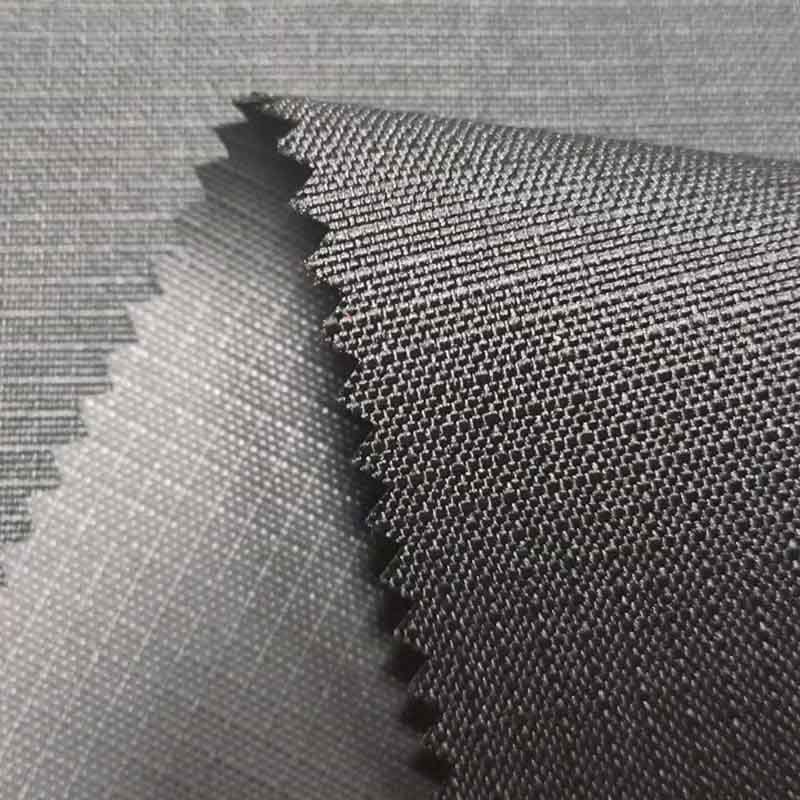
Oxford fabric is a durable woven textile made with a basket-weave pattern using polyester, nylon, or blended yarns. Originally derived from cotton in the 19th century, today’s Oxford fabrics are synthetic-based for strength, water resistance, and affordability. Denier grades like 210D, 420D, 600D, and 900D determine weight, thickness, and durability. Coatings such as PU, PVC, or TPU enhance waterproofing, fire resistance, or anti-UV properties, making Oxford fabrics versatile for backpacks, travel bags, tool bags, and industrial totes.
Origins and Evolution of Oxford Fabric
Oxford fabric takes its name from Oxford University, where this distinct weaving style was first used for shirts and uniforms in the 19th century. Over time, natural cotton yarns gave way to synthetic polyester and nylon filaments, offering better tensile strength, abrasion resistance, and weather protection. Today, Oxford fabrics dominate the global bag industry for applications ranging from school backpacks to outdoor adventure gear.
Weaving Structure and Yarn Types
The hallmark of Oxford fabric is its basket-weave or plain-weave structure, typically created with warp (vertical) and weft (horizontal) yarns interlaced in a 2×2 or 3×3 pattern.
- Warp Yarns: Usually finer yarns for strength.
- Weft Yarns: Thicker yarns for texture and durability.
This weaving style creates a checkerboard effect with subtle texture while ensuring dimensional stability under heavy loads — ideal for industrial and travel bags.
Manufacturing Process: Step by Step Guide
| Stage | Details | Impact on Quality |
|---|---|---|
| Yarn Extrusion | Polyester or nylon chips melted & extruded into filaments | Determines strength & flexibility |
| Spinning & Twisting | Filaments spun into multi-ply yarns | Higher ply = stronger tensile strength |
| Weaving | Interlaced on looms using basket-weave patterns | Creates Oxford’s signature texture |
| Dyeing | Piece-dyed or solution-dyed for colorfastness | Solution-dyed = UV stability, eco-friendly |
| Finishing & Coating | PU/PVC/TPU coatings for water, fire, or UV resistance | Specialized coatings meet market requirements |
| Calendering & Testing | Heat pressing for surface smoothness & QC inspections | Ensures uniform thickness & performance |
Denier Ratings and Applications
Denier (D) measures yarn thickness:
- 210D–420D: Lightweight totes, shoe bags, promotional giveaways
- 600D: School backpacks, gym bags, travel duffels (most common)
- 900D–1200D: Military-grade gear, industrial tool bags, outdoor adventure packs
OEM Insight: Szoneier supplies 600D Oxford as a standard for backpacks and travel gear, with PU coatings for water resistance and custom logo printing for private-label brands.
Advanced Coatings & Finishes
To meet diverse buyer needs, Oxford fabrics often receive specialized finishes:
- PU (Polyurethane) Coating: Lightweight waterproofing for school or corporate bags.
- PVC Coating: Heavy-duty waterproofing for outdoor and marine use.
- TPU Film Lamination: Eco-friendly, abrasion-resistant, and recyclable.
- FR Treatment: Flame-retardant coatings for industrial or safety equipment bags.
Advantages and Disadvantages of Oxford Fabric
| Advantages | Disadvantages |
|---|---|
| High durability for outdoor & heavy use | Heavier than plain polyester in higher deniers |
| Customizable with coatings & branding | Higher cost vs. basic polyester fabrics |
| Wide denier range for multiple applications | Less flexible without coatings |
| Good abrasion & tear resistance | Breathability may decrease with PU/PVC layers |
| Aesthetic texture & premium look | Requires finishing to achieve waterproofing |
Real-World Applications in Bag Manufacturing
| Bag Type | Oxford Denier | Key Advantages |
|---|---|---|
| School Backpacks | 600D | Affordable, durable, easy to clean |
| Travel Duffels | 900D | High abrasion resistance, PU-coated waterproofing |
| Cooler Bags | 420D PU-Lined | Lightweight, moisture barrier |
| Tool Bags | 1200D PVC-Coated | Industrial strength, tear-resistant |
| Corporate Totes | 600D rPET Oxford | Eco-friendly branding, EU/US compliance |
What Is Polyester and How Is It Manufactured?
Polyester is a synthetic polymer-based fabric made primarily from polyethylene terephthalate (PET) derived from petroleum or recycled plastics. Created through polymerization and melt spinning, polyester fibers are lightweight, durable, water-resistant, and cost-effective, making them a top choice for bags, apparel, home furnishings, and industrial textiles. Newer variants like recycled polyester (rPET) transform post-consumer PET bottles into fabric yarns, offering eco-friendly options that meet global sustainability standards like GRS and OEKO-TEX.
Origins and Evolution of Polyester Fabric
Polyester was first developed in the 1940s by British chemists Whinfield and Dickson as a synthetic alternative to natural fibers like cotton or wool. By the 1970s, its low cost, easy maintenance, and mass production potential made polyester the world’s most widely used textile fiber.
Today, polyester accounts for over 50% of global fiber production, used in industries ranging from fashion and sportswear to luggage, automotive, and industrial applications. The rise of rPET (recycled polyester) in the 2010s aligned the fabric with global sustainability regulations and consumer eco-demands.
Chemical Structure and Basic Properties
Polyester is primarily polyethylene terephthalate (PET), a thermoplastic polymer composed of ethylene glycol and terephthalic acid. Its structure creates:
- High tensile strength for durability.
- Hydrophobic properties for low water absorption.
- Thermal stability for heat-set fabric finishes.
- Dimensional stability to resist shrinkage and stretching.
Manufacturing Process: Step-by-Step
| Stage | Process Details | Impact on Fabric Quality |
|---|---|---|
| Polymerization | Ethylene glycol + terephthalic acid react to form PET polymer chips or granules. | Determines molecular weight and fiber strength. |
| Drying | Polymer chips dried to remove moisture impurities. | Ensures smooth extrusion and prevents fiber defects. |
| Melt Spinning | PET melted and extruded through spinnerets into continuous filaments. | Controls filament thickness (denier) for different applications. |
| Drawing & Stretching | Fibers stretched 3–5× to align molecular chains. | Increases tensile strength and reduces elongation. |
| Crimping & Cutting | Filaments crimped for texture or cut into staple fibers. | Staple fibers mimic natural fibers; filaments for smooth fabrics. |
| Texturizing & Weaving | Yarns processed (e.g., air-jet texturing) then woven or knitted into fabrics. | Adds bulk, softness, and surface aesthetics. |
| Dyeing & Finishing | Piece-dyed, solution-dyed, or coated with PU/TPU/PVC for performance finishes. | Solution-dyeing improves UV resistance & colorfastness. |
Types of Polyester Fabrics in Bag Manufacturing
- Standard Polyester (210D–600D)
- Lightweight, cost-effective, commonly used in school backpacks, cooler bags, and promotional totes.
- Ripstop Polyester
- Reinforced with thicker crosshatch yarns to prevent tears; ideal for outdoor gear and travel bags.
- PU or TPU-Coated Polyester
- Enhanced waterproofing and chemical resistance for medical equipment bags or industrial cases.
- Recycled Polyester (rPET)
- Made from post-consumer PET bottles, offering GRS certification for eco-conscious brands.
Key Advantages and Disadvantages of Polyester
| Advantages | Disadvantages |
|---|---|
| Lightweight and low-cost | Less breathable than cotton or nylon |
| Strong & durable for most bag applications | Static buildup in very dry conditions |
| Naturally hydrophobic & quick-drying | Environmental concerns with virgin PET production |
| Excellent chemical & abrasion resistance | Melts under extreme heat, limiting some finishes |
| Easy to coat with PU/PVC for waterproofing | Feels less premium vs. high-denier Oxford fabrics |
| rPET variant meets global eco-compliance | Slightly lower tensile strength vs. nylon |
Modern Sustainability Shift: rPET (Recycled Polyester)
With EU’s Textile Strategy 2030 and US brands pledging 50%+ recycled content, rPET has transformed polyester’s market position:
- Process: PET bottles → washed → shredded → melted → extruded → spun into yarns.
- Certifications: GRS, OEKO-TEX, and Global Compact Standards.
- Impact: Reduces landfill waste, CO₂ emissions, and energy consumption by 30–50% compared to virgin PET.
OEM Insight: Szoneier offers rPET polyester with custom branding options for eco-conscious retailers in EU and North America, meeting REACH and CPSIA export regulations.
Denier Ratings for Polyester Fabrics in Bags
| Denier (D) | Weight & Thickness | Common Applications |
|---|---|---|
| 210D–300D | Lightweight, flexible | Promotional totes, shoe bags, cosmetic pouches |
| 420D–600D | Mid-weight, durable | Backpacks, duffel bags, corporate gift totes |
| 900D+ | Heavy-duty, reinforced | Travel luggage, industrial tool bags, outdoor gear |
Real-World Applications in Bag Manufacturing
| Bag Type | Polyester Type | Performance Benefits |
|---|---|---|
| School Backpacks | 600D Polyester | Cost-effective, durable, easy to clean |
| Travel Duffels | 900D Ripstop Polyester | Tear-resistant, weatherproof coatings |
| Cooler Bags | TPU-Coated Polyester | Waterproof lining, food-safe certifications |
| Corporate Gift Totes | rPET Polyester | Eco-friendly branding, compliance-ready |
| Outdoor Gear & Camping | Ripstop + PU Coating | Lightweight, UV and abrasion-resistant |
How Do Oxford Fabric and Polyester Compare in Performance?
Oxford fabric offers higher tensile strength, better abrasion resistance, and premium texture—especially in heavier deniers like 600D or 900D—making it ideal for backpacks, travel gear, and heavy-duty tote bags. Polyester provides lighter weight, cost-efficiency, and natural water resistance, widely used for budget-friendly, eco-conscious, or mass-market bags.
Performance Comparison:
| Property | Oxford Fabric (e.g., 600D/900D) | Polyester (Standard & rPET) | Impact on Bag Applications |
|---|---|---|---|
| Tensile Strength | 4,500–6,000 N (High) | 3,000–4,500 N (Moderate) | Heavy-duty bags require Oxford for load capacity |
| Abrasion Resistance | >20,000 Martindale cycles | 10,000–15,000 Martindale cycles | Oxford withstands rough outdoor environments better |
| Water Resistance | Needs PU/PVC/TPU coatings | Naturally hydrophobic + coatings available | Polyester lighter for waterproof, weatherproof bags |
| UV Resistance | Moderate unless solution-dyed | Higher in solution-dyed or rPET variants | Polyester holds color longer in outdoor use |
| Weight at Equal Deniers | Heavier, denser weave | Lighter by 10–20% for same denier | Polyester reduces overall bag weight |
| Cost Range (per meter) | $3.0–$5.5 depending on coatings & denier | $1.5–$3.5 for standard or rPET | Polyester fits budget-friendly or promotional bags |
| Eco Options | Limited (cotton blends, organic dyes) | rPET with GRS/OEKO-TEX compliance widely available | Polyester preferred for eco-conscious brands |
Strength and Abrasion Resistance
- Oxford fabric uses a basket-weave pattern with thicker yarns, providing better tear resistance and durability under heavy loads.
- Polyester in standard weaves offers moderate strength, though ripstop polyester reinforces tear-prone areas with thicker threads, narrowing the gap with Oxford.
- Use Case:
- Military backpacks, industrial tool bags → Oxford 900D
- Lightweight promotional totes → Polyester 210D–420D
Water and Weather Performance
- Oxford fabric requires PU/PVC coatings for full waterproofing; untreated Oxford is only water-resistant, not fully waterproof.
- Polyester is hydrophobic by nature, absorbing <0.4% moisture vs. Oxford’s 4–5% in untreated forms.
- OEM Insight: Polyester with TPU lamination or solution-dyed rPET provides UV stability and water resistance for outdoor gear.
Weight and Packability
- Polyester is 10–20% lighter than Oxford for the same denier rating, reducing shipping weight and final bag mass—key for airline travel bags or foldable designs.
- Oxford fabric, while heavier, provides better structure and shape retention, preferred for formal or high-end fashion bags.
Thermal and Chemical Resistance
- Polyester withstands temperatures up to 150–170°C before melting; Oxford (polyester- or nylon-based) behaves similarly but may degrade faster under UV or chemical exposure unless treated.
- For industrial or medical bags, both fabrics often get antimicrobial or flame-retardant coatings during OEM finishing processes.
Eco-Friendliness and Regulatory Compliance
- Oxford fabric options with organic cotton blends exist but remain niche.
- Polyester rPET made from post-consumer PET bottles meets GRS, OEKO-TEX, REACH, and CPSIA certifications, aligning with EU’s Sustainable Textile Strategy 2030.
- Brands seeking eco-friendly corporate gifting or retail bags increasingly prefer rPET polyester.
Real-World Application Matrix
| Bag Type | Oxford Recommended | Polyester Recommended |
|---|---|---|
| School Backpacks | 600D Oxford for durability | 420D Polyester for low-cost options |
| Travel Duffels | 900D Oxford + PU Coating | 600D Ripstop Polyester for weight saving |
| Cooler Bags | 600D Oxford TPU-Lined | TPU-Coated Polyester for waterproofing |
| Gym Bags | 600D Oxford | 420D Polyester lightweight version |
| Promotional Totes | Not cost-effective | 210D Polyester (budget-friendly) |
| Corporate Gift Bags | 600D Oxford for premium look | rPET Polyester for sustainability |
Which Fabric Is Better for Specific Bag Types?
For heavy-duty backpacks, travel duffels, tool bags, and outdoor gear, Oxford fabric (600D–900D) offers superior abrasion resistance, structure, and load-bearing capacity. For lightweight gym bags, cooler bags, promotional totes, and eco-friendly corporate gifts, polyester (420D–600D or rPET) delivers cost-efficiency, water resistance, and sustainable options. Many OEM buyers adopt hybrid designs using Oxford panels for structure with polyester linings for weight reduction and pricing balance.
1. Backpacks
- Oxford 600D–900D remains the industry standard for school backpacks, hiking packs, and tactical bags.
- Features like PU or TPU coatings improve water resistance, while high deniers withstand abrasion from daily use.
- Polyester 420D–600D works for budget-friendly or corporate promotional backpacks where weight and cost outweigh extreme durability.
2. Travel Duffel Bags & Luggage
- Oxford 900D or 1200D with PVC or TPU coating offers rigidity, structure, and impact resistance, critical for airline travel and outdoor expeditions.
- Polyester Ripstop 600D suits lightweight foldable travel bags for cost-sensitive retail chains or giveaway programs.
| Bag Feature | Oxford Advantage | Polyester Advantage |
|---|---|---|
| Durability & Tear Strength | Withstands baggage handling impacts | Moderate durability for short trips |
| Weight & Packability | Heavier but more structured | Lightweight, compressible, lower cost |
| Water Resistance | PU/PVC-coated Oxford fully waterproof | TPU-coated Polyester equally water-tight |
3. Cooler Bags & Thermal-Insulated Bags
- Polyester with TPU or PEVA lining dominates due to lightweight waterproof coatings and food-safe certifications.
- Oxford 600D is used for premium cooler bags demanding aesthetic appeal and structural stability.
Example: Szoneier supplies 420D polyester TPU-coated cooler bags for European supermarket chains requiring EU food-contact compliance (EC No 1935/2004).
4. Gym Bags & Sports Duffels
- Polyester 420D–600D offers lightweight convenience, quick-drying properties, and vivid sublimation printing options for team or brand logos.
- Oxford 600D used in mid- to premium-range sports duffels for tournament merchandise or corporate fitness programs.
| Parameter | Oxford Fabric | Polyester Fabric |
|---|---|---|
| Printing Options | Embroidery, heat transfer | Sublimation, screen printing |
| Weight Considerations | Slightly heavier | 10–20% lighter, better packability |
| Water Resistance | PU/PVC coatings available | Naturally hydrophobic + coatings |
5. Promotional Tote Bags & Corporate Gifts
- Polyester 210D–420D is the most cost-effective choice for giveaway totes, conference bags, or advertising campaigns, especially with digital or screen-printed logos.
- rPET polyester aligns with eco-conscious branding and EU Single-Use Plastics Directive compliance.
- Oxford 600D reserved for premium corporate gifts demanding better aesthetics and longer lifespan.
Example: For a US marketing firm, Szoneier produced 50,000 pcs 420D rPET polyester tote bags with sublimation-printed logos meeting GRS certification.
6. Tool Bags & Industrial Equipment Cases
- Oxford 900D–1200D reinforced with PVC backing dominates due to tensile strength, tear resistance, and structural rigidity.
- Polyester rarely used unless for lightweight electrician kits or low-cost DIY tool organizers.
| Requirement | Recommended Fabric | Reason |
|---|---|---|
| Heavy Tools, Load Capacity | Oxford 900D–1200D PVC-Coated | High tensile strength, abrasion resistance |
| Lightweight Organizer Kits | Polyester 600D Ripstop | Cost-efficiency, easy portability |
| Outdoor Industrial Gear | Oxford TPU-Coated | Waterproof, chemical-resistant |
7. Outdoor Camping & Tactical Gear
- Oxford 900D–1200D preferred for tents, tactical backpacks, and military duffels, especially with PU waterproofing and IRR camouflage printing.
- Polyester Ripstop 600D used for ultralight camping gear where weight reduction is critical.
Fabric Recommendations by Bag Type
| Bag Type | Preferred Fabric | Key Factors |
|---|---|---|
| School Backpacks | Oxford 600D / Polyester 420D | Cost vs durability balance |
| Hiking & Tactical Gear | Oxford 900D–1200D | Abrasion resistance, weatherproof coatings |
| Travel Duffels & Luggage | Oxford 900D + PU/PVC Coating | Structure, impact resistance |
| Cooler & Insulated Bags | Polyester 420D TPU-Coated | Food safety, lightweight waterproofing |
| Promotional Totes | Polyester 210D–420D / rPET | Low cost, eco-compliance |
| Corporate Gift Bags | Oxford 600D / rPET Polyester | Premium branding, EU/US compliance |
| Gym & Sports Bags | Polyester 420D–600D | Lightweight, easy customization |
| Industrial Tool Bags | Oxford 900D–1200D PVC-Coated | Heavy-duty performance, load-bearing capacity |
How Can You Source Custom Bags Using These Fabrics?
To source custom bags made from Oxford or polyester fabrics, buyers should partner with OEM/ODM manufacturers offering material selection support, free prototyping, low-MOQ runs, compliance certifications, and global logistics. Key steps include fabric choice by application, prototype sampling, branding customization, performance testing, and bulk production. Manufacturers like Szoneier streamline this process with 18+ years’ experience, ensuring premium quality, fast lead times, and EU/US compliance for retail, promotional, and private-label markets.
1. Step-by-Step OEM Sourcing Workflow
| Sourcing Stage | Key Actions | Buyer Benefits |
|---|---|---|
| Fabric Consultation | Select Oxford (600D–900D) or Polyester/rPET (210D–600D) by bag type | Optimized durability, weight, and cost balance |
| Sampling & Prototyping | 3–7 days for sample bags with branding, coatings, or linings | Design approval before bulk production |
| Customization Design | Digital printing, embroidery, RFID linings, TPU waterproofing options | Full creative control for private-label branding |
| Performance Testing | Abrasion, tensile strength, waterproofing, colorfastness tests | Meets ISO, REACH, and CPSIA standards |
| Bulk Production | 25–35 days after sample confirmation | Short lead times for EU/US exports |
| Packaging & Logistics | Flat pack, palletization, door-to-door shipping | Ready for retail, Amazon FBA, or direct distribution |
2. Fabric Selection Guidelines
- Oxford 600D–1200D: For heavy-duty backpacks, travel gear, tool bags, requiring high tensile strength, abrasion resistance, and premium aesthetics.
- Polyester 210D–600D: For lightweight gym bags, cooler totes, promotional bags, emphasizing cost efficiency and low shipping weight.
- rPET Polyester: For eco-conscious corporate gifts and EU retail brands, meeting GRS, OEKO-TEX, and REACH compliance.
3. Customization Options for Private-Label Brands
Branding Methods:
- Screen printing for budget runs
- Sublimation for full-color graphics
- Embroidery for premium branding
- Heat transfer or reflective logos for sports/outdoor bags
Functional Add-ons:
- RFID-blocking linings for corporate gift totes
- Insulated TPU layers for cooler bags
- Water-repellent PU coatings for travel gear
Design Flexibility:
- Multiple compartments, detachable straps, foldable structures
- OEM packaging with custom swing tags, dust bags, and cartons
4. Quality Control & Compliance
- Fabric Testing: Abrasion (Martindale), colorfastness, waterproofing, UV resistance
- Certifications: ISO 9001, OEKO-TEX Standard 100, REACH (EU), CPSIA (US)
- Eco-Compliance: GRS-certified rPET fabrics for sustainable markets
- Batch Inspections: Pre-production, mid-production, and final AQL checks
Example: Szoneier supplies GRS-certified rPET tote bags to European clients, ensuring traceability of recycled materials under EU Green Deal guidelines.
5. MOQ & Production Flexibility
- Low-MOQ: 300–500 pcs/SKU for startups or seasonal collections
- Mid-Range MOQ: 1,000–3,000 pcs/SKU for regional retail chains
- High-Volume Runs: 10,000+ pcs/SKU for global distributors and promotional campaigns
This flexibility helps Amazon FBA sellers, corporate buyers, and retail brands scale production without overstocking risk.
6. Lead Times & Logistics
- Prototyping: 3–7 working days
- Bulk Production: 25–35 days post-sample approval
- Shipping Options:
- Sea freight for cost efficiency (20–40 days)
- Air freight for urgent orders (5–10 days)
- Rail freight for EU-Asia deliveries (15–20 days)
Szoneier offers door-to-door shipping with customs clearance included, simplifying delivery for first-time buyers.
7. Cost Factors in Custom Bag Sourcing
| Cost Driver | Oxford Fabric Impact | Polyester Fabric Impact |
|---|---|---|
| Fabric Price (per meter) | $3.0–$5.5 depending on denier | $1.5–$3.5 standard or rPET |
| Coatings & Treatments | PU/PVC/TPU add $0.3–$0.8/m | Similar cost range |
| Printing & Branding | Embroidery adds more vs. printing | Sublimation economical for polyester |
| Hardware (zippers, straps) | Similar for both fabrics | Similar for both fabrics |
| Packaging & Logistics | Weight affects freight cost | Polyester lighter = lower shipping |
Conclusion: Partner with Szoneier for Custom Bag Solutions
Choosing between Oxford fabric and polyester depends on your budget, durability needs, and sustainability goals. For backpacks, travel gear, or premium totes, Oxford offers long-lasting strength. For lightweight, cost-effective, or eco-certified products, polyester — especially rPET — delivers scalability and compliance.
Contact Szoneier today to request free samples, material swatches, or OEM quotes for your next custom bag project.
manufacturer Categories
- Custom Tote Bags Manufacturer
- custom backpacks Manufacturer
- custom travel bags& Duffle bags manufacturer
- custom makeup bags & toiletry bags manufacturer
- custom cooler bags manufacturer
- custom drawstring bags manufacturer
- custom makeup bags & toiletry bags manufacturer
- custom golf bags manufacturer
- custom fireproof bags manufacturer
- custom dry bags manufacturer
- custom ski bags manufacturer
- custom gym & sports bags manufacturer
- custom laptop bags manufacturer
- custom tactical bags manufacturer
- custom beach bags manufacturer
- custom medical bags manufacturer
- custom camera bags manufacturer
- custom wetsuits manufacturer
- custom leather goods manufacturer
- more personalized products
Can't find the answers?
No worries, please contact us and we will answer all the questions you have during the whole process of bag customization.
Make A Sample First?
If you have your own artwork, logo design files, or just an idea,please provide details about your project requirements, including preferred fabric, color, and customization options,we’re excited to assist you in bringing your bespoke bag designs to life through our sample production process.
