 Skip to content
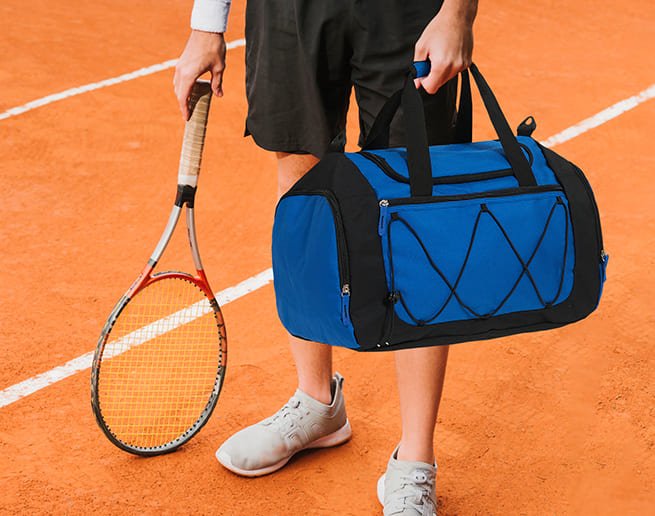
In a world where staying active is as much a lifestyle statement as it is a health pursuit, your sports bag becomes a daily companion—toting your gear to gyms, courts, fields, and planes. From sweat‑resistant fabrics to modular compartments and sleek, brand‑led styling, the right sports bag brand can make or break your routine. But with so many labels vying for attention—global giants, niche newcomers, and private‑label specialists—how do you know which names truly lead the pack?
The top sports bag brands distinguish themselves through durable, performance‑driven materials, innovative designs tailored to specific activities, and reputations built on quality and customer trust—factors that earn them top spots in the market.
Whether you’re a casual gym‑goer, a weekend warrior, or a professional athlete, aligning your needs with a brand’s strengths ensures you get a carrier that lasts, protects your gear, and reflects your personal style.
You’ll learn the names that matter—from Nike’s Dri‑Fit innovations to Szoneier’s bespoke OEM solutions—and gain actionable insights to guide your next purchase or private‑label partnership. Ready to roll? Let’s dive into the world’s top sports bag brands—and discover which one carries your game forward.
What Defines a Leading Sports Bag Brand?
A leading sports bag brand combines high‑denier, water‑resistant fabrics; ergonomic, activity‑specific designs (ventilated shoe pockets, wet/dry zones); robust hardware; and a track record of innovation and customer satisfaction—often validated by longevity, athlete endorsements, and proprietary technologies.
When evaluating sports bag brands, savvy consumers and retailers look beyond logo recognition. True leadership in this category arises from a fusion of material science, design expertise, and brand integrity:
Material Innovation
- High‑Denier Fabrics: Top brands use 600D–1680D polyesters or Cordura nylons that balance weight with abrasion resistance. These fabrics withstand repeated drag across gym floors or locker rooms without pilling or tearing.
- Water‑Resistant Coatings and Laminates: Durable water‑repellent (DWR) finishes and polyurethane/TPU membranes protect gear from rain, sweat, and accidental spills—essential for athletes and travelers alike.
Activity‑Specific Design
- Compartmentalization: Leading brands tailor pocket layouts to sport: ventilated shoe chambers, insulated cooler pockets for post‑workout drinks, wet/dry zones for swim gear, and padded laptop sleeves for hybrid work/gym routines.
- Accessibility Features: Quick‑access pockets for phones, key‑leash clips, and external straps for yoga mats or water bottles streamline transitions between workouts and daily life.
Ergonomics and Comfort
- Supportive Straps: Whether in backpack or duffle form, quality brands refine strap geometry and padding— incorporating mesh‑lined back panels, sternum straps, and detachable waist belts to distribute weight and reduce fatigue.
- Balance and Stability: Thoughtful placement of load‑stabilizing straps and compression cinches prevents gear from shifting, maintaining balance during active commutes or travel.
Hardware Durability
- Zippers and Buckles: YKK, SBS, or branded heavy‑duty zippers paired with corrosion‑resistant metal or reinforced polymer buckles ensure years of snags‑free operation.
- Reinforcements: Bar‑tacked stitching, rivets at stress points, and bonded seams guard against seam failure under the tension of heavy loads.
Brand Heritage and Innovation
- Athlete Collaborations and Endorsements: Partnerships with elite athletes or teams—such as Nike’s Kyrie Irving collection or Adidas’s Real Madrid series—signal trusted performance credentials.
- R&D and Patents: Proprietary technologies, from Under Armour’s UA Storm water‑resistance to The North Face’s FuseForm construction, underscore a genuine commitment to pushing materials and designs forward.
Sustainability and Ethics
- Recycled and Eco‑Friendly Materials: Brands like Adidas (Parley Ocean Plastic) and Patagonia (recycled PET) lead in turning waste into high‑performance fabrics.
- Supply Chain Transparency: Certifications (e.g., bluesign®, Fair Labor Association) and corporate responsibility reports bolster consumer trust and differentiate socially conscious leaders.
Customer Experience and After‑Sales Support
- Warranty Programs: Extended warranties and repair services—such as Patagonia’s Ironclad Guarantee—reinforce product confidence and long‑term brand loyalty.
- Customization Options: Direct‑to‑consumer personalization (monogramming, color selection) adds a premium touch and deepens brand engagement.
Defining Attributes of Top Sports Bag Brands
| Attribute | Industry Benchmark | Example Brands |
|---|---|---|
| Fabric Denier | 600D–1680D | Cordura-based packs (TNF) |
| Water Resistance | DWR + PU/TPU laminate | Under Armour UA Storm |
| Compartment Diversity | 4+ specialized pockets | Nike, Adidas |
| Strap Ergonomics | Padded mesh back + sternum belt | Osprey (convertible) |
| Hardware Quality | YKK zippers; metal buckles | Patagonia, Deuter |
| Sustainability Initiatives | 100% recycled fabrics; certification | Adidas Parley, Patagonia |
| Warranty & Repairs | Lifetime/10-year repair programs | Patagonia, Lululemon |
Which Global Brands Dominate the Sports Bag Market?
Nike, Adidas, and Under Armour lead globally, combining technical fabrics, athlete-driven innovation, and expansive product lines—from basketball duffles to running backpacks—backed by worldwide retail networks and strong brand equity.
The sports bag market’s heavyweights earn top positions through decades of brand building, R&D investment, and cultural impact:
- Nike
- Innovation Legacy: From Air cushioning to Dri‑Fit textiles, Nike leverages cross‑category tech in its bag lines—breathable mesh panels, lightweight ballistic nylon, and reflective elements for safety.
- Athlete Collaborations: Signature series—like LeBron James and Serena Williams—feature logos and colorways that resonate deeply with fans, driving bag sales in tandem with footwear and apparel.
- Product Range: Over 150 bag SKUs globally, from Jordan-branded duffles to NikeLab premium satchels.
- Adidas
- Sustainable Initiatives: Adidas’ partnership with Parley for the Oceans transforms plastic waste into bag fabrics, with over 11 million pairs of shoes and countless bags produced from recycled materials.
- Design DNA: Three‑stripe branding integrates into zip pulls, jacquard lining, and webbing, offering unified aesthetics across training, lifestyle, and team collections.
- Global Reach: Flagship stores in 70+ countries, e‑commerce in 200+ markets—fueling consistent bag innovation tailored to regional sports preferences.
- Under Armour
- Technical Focus: UA Storm water‑resistance repels moisture without sacrificing breathability; 4‑way stretch pockets adapt to gear volume.
- Performance Partnerships: Endorsements with NFL, NBA, and Olympic athletes inform feature sets—ventilated foot pockets, insulated shaker cup carriers, and anti‑odor treatments.
- Omni‑Channel Presence: Strong direct‑to‑consumer growth supplemented by wholesale distribution in major sports retailers worldwide.
- Puma, Reebok, New Balance
- Puma: Emphasizes lifestyle crossover, blending casual silhouettes with sports utility—evident in its Urban Mobility collection.
- Reebok: Focuses on studio and functional fitness, with minimalist duffles and cross‑training backpacks featuring anti‑odor linings and dedicated yoga mat straps.
- New Balance: Leverages runner heritage, offering hydration-compatible running vests and trail‑ready backpacks with integrated pack pockets.
- Market Share & Growth Trends
- Nike commands roughly 30% of the global sports bag segment, Adidas 20%, Under Armour 10%, with the remaining 40% split among niche and regional players.
- Annual market growth projected at 6.5% through 2028, driven by athleisure trends and eco‑material adoption.
Global Brand Snapshot
| Brand | Annual Bag SKUs | Key Tech | Sustainability | Global Reach |
|---|---|---|---|---|
| Nike | 150+ | Dri‑Fit, Shield | Limited lines | 70+ countries |
| Adidas | 120+ | Parley UP, Clima | 100% recycled goal | 80+ countries |
| Under Armour | 100+ | UA Storm, Antimicrobial | Some lines | 60+ countries |
| Puma | 80+ | Urban Mobility | Minimal | 50+ countries |
| Reebok | 60+ | Studio Tech | Moderate | 40+ countries |
| New Balance | 50+ | Run‑specific | Low | 30+ countries |
What Premium and Niche Brands Are Rising Stars?
Premium labels like Lululemon, The North Face, and Patagonia are redefining sports bags with technical fabrics and sustainability initiatives, while niche players such as Cotopaxi, Bellroy, and Herschel Supply Co. carve out loyal followings through modular designs, minimalist aesthetics, and direct‑to‑consumer agility.
1. Lululemon: From Yoga Mats to Technical Duffels
Originally synonymous with yoga apparel, Lululemon has leveraged its community‑driven ethos into a line of technical bags. Their “Command” backpack and duffle series feature water‑resistant, abrasion‑proof fabrics, heat‑sealed seams, and thoughtful compartments for water bottles and yoga mats. More than mere branding exercises, these bags reflect Lululemon’s broader shift into performance gear, targeting consumers who demand the same quality in their carry items as in their clothing. Limited‑edition colorways, tied to their seasonal apparel drops, fuel repeat purchases and social buzz.
2. The North Face & Patagonia: Sustainability Meets Function
Outdoor stalwarts The North Face and Patagonia have long championed eco‑credentials alongside rugged performance.
- The North Face: Its Fuseform™ backpacks use no‑sew, multi‑material constructions that reduce waste, while ThermoBall™-lined cooler bags keep gear insulated. The brand’s Clothes the Loop recycling program offers incentives for used gear drop‑offs, reinforcing a circular economy.
- Patagonia: Famous for the Ironclad Guarantee, Patagonia’s bags—from the Black Hole duffel to the Arbor backpack—utilize 100% recycled polyester and PVC‑free fabrics. Their Ironclad repair service and Worn Wear initiative extend product lifespans, creating deep brand loyalty among environmentally conscious consumers.
3. Cotopaxi: Adventure‑Ready & Socially Impactful
Cotopaxi stands out by blending vibrant aesthetics with social purpose. Each bag’s colorway is unique—mixed from surplus materials—so no two packs are identical. Their Del Día duffels and Allpa travel packs feature weatherproof zippers, internal organization panels, and TPU welded bases for abrasion resistance. A portion of every sale supports sustainable poverty‑alleviation programs, creating a sense of community and mission beyond mere utility.
4. Bellroy: Minimalist Craftsmanship for Urban Explorers
Bellroy approaches sports bags through the lens of urban minimalism. Their Shift Backpack and Duo Tote combine premium vegetable‑tanned leather accents with recycled nylon bodies, accommodating laptops, tablets, and footwear with discreet, zip‑in pockets. Bellroy’s strength lies in their clean lines, hidden compartments, and commitment to reducing waste—every product carries an environmental footprint label, fostering transparency.
5. Herschel Supply Co.: Cultivating Nostalgia with Modern Utility
Herschel Supply Co. bridges heritage styling with contemporary needs. Their novel Stage Coach duffel nods to 1950s railroad bags, reimagined with abrasion‑resistant polyester, airtight zippers, and padded tech sleeves. Herschel’s direct‑to‑consumer model and social media‑driven collaborations (e.g., with Disney, Marvel) appeal to younger buyers seeking both nostalgia and practicality.
How Do Budget and Fast‑Fashion Brands Compare?
Budget and fast‑fashion sports bag brands—such as Decathlon’s Quechua line, Target’s C9 Champion, AmazonBasics, H&M, and Uniqlo—prioritize low price and broad accessibility over cutting‑edge materials and ergonomics. While they offer acceptable durability for light to moderate use, they typically use lower‑denier fabrics (300D–600D), basic compartment layouts, and simple hardware. For infrequent gym visits or casual errands, they deliver value; heavy athletes or frequent travelers may find their performance and longevity lacking.
When evaluating budget and fast‑fashion sports bags, it’s essential to understand the trade‑offs these brands make to hit aggressive price points. Below, we break down the key dimensions where they diverge from premium labels, helping you decide when a low‑cost option suffices—and when to invest in higher‑tier performance.
1. Material Selection & Durability
Fabric Denier & Strength:
- Fast‑Fashion: Typically use 300D–600D polyester or low‑grade nylon. These fabrics resist light abrasions but show wear—such as pilling and tears—after 100–200 abrasion cycles (Martindale test).
- Premium Brands: Employ 600D–1680D Cordura or reinforced ripstop nylon, withstanding 20,000+ abrasion cycles before degradation.
Water Resistance:
- Fast‑Fashion: Often lack durable water‑repellent (DWR) finishes; water beads can soak through in minutes.
- Premium: Integrate DWR coatings and taped seams, repelling rain and sweat for hours.
2. Design & Functionality
Compartment Layout:
- Fast‑Fashion: Basic main compartment plus one or two simple side pockets. Zippered sections lack internal dividers, leading to jumbled gear.
- Premium: Multiple specialized pockets—ventilated shoe slots, wet/dry zones, insulated bottle pockets, and admin panels—tailored to specific sports.
Ergonomics:
- Fast‑Fashion: Single unpadded strap or minimal shoulder padding. Lack sternum straps or load‑balancing features, causing discomfort on longer carries.
- Premium: Contoured, foam‑padded straps, sternum and waist belts, and ventilated back panels to distribute weight and wick moisture.
3. Hardware & Construction Quality
Zippers & Fasteners:
- Fast‑Fashion: Use generic metal or plastic zippers prone to jamming and breakage; basic plastic buckles may snap under moderate tension.
- Premium: Feature YKK or equivalent high‑tensile zippers, metal D‑rings, and corrosion‑resistant alloy buckles rated for hundreds of open/close cycles.
Seam Reinforcement:
- Fast‑Fashion: Single‑stitch seams without bar‑tacking; stress points often fray after weeks of heavy use.
- Premium: Double or triple‑stitching at stress points, bar‑tacking on load‑bearing areas, and riveted reinforcements.
4. Aesthetics & Brand Perception
Style Consistency:
- Fast‑Fashion: Rapidly changing colorways to match seasonal apparel lines, but often with inconsistent quality control and mismatched materials.
- Premium: Cohesive seasonal palettes supported by performance testing, ensuring colorfastness and consistency across SKUs.
Brand Equity:
- Fast‑Fashion: Value‑driven shoppers appreciate low price; however, brand loyalty is low, with customers replacing bags every season.
- Premium: Strong loyalty among athletes and enthusiasts, backed by warranties and repair services—fostering repeat purchases and referrals.
5. Price vs. Performance
Cost Dynamics:
- Fast‑Fashion: Bags typically range $15–$40, making them accessible to all budgets.
- Premium: Prices span $60–$200+, reflecting investment in materials, R&D, and brand services.
Cost‑Per‑Use Analysis:
- A $30 fast‑fashion bag lasting 6 months equates to $0.17/day; a $150 premium bag lasting 3 years equates to $0.14/day—demonstrating that higher upfront costs can yield better long‑term value for frequent users.
6. Ideal Use Cases
Fast‑Fashion Bags Are Best For:
- Occasional gym visits, light errands, or as a temporary/new-user test.
- Shoppers who value trend‑driven styles and low commitment.
Premium Bags Are Best For:
- Daily athletes, travelers, and those carrying specialized gear.
- Individuals prioritizing ergonomics, longevity, and brand support.
| Feature | Fast‑Fashion Brands | Premium Brands |
|---|---|---|
| Fabric Denier | 300D–600D | 600D–1680D |
| Water Resistance | Minimal | DWR + taped seams |
| Ergonomic Straps | Basic padding | Contoured, ventilated |
| Hardware Quality | Generic zippers/buckles | YKK, brass, stainless |
| Compartment Diversity | 2–3 pockets | 6+ specialized zones |
| Price Range | $15–$40 | $60–$200+ |
| Typical Lifespan | 6–12 months | 3–5 years |
| Cost‑Per‑Use (Daily) | $0.17–$0.11 | $0.14–$0.05 |
20 Best Sports Bag Brands :List Guide
Below is an expanded look at each of the Top 20 Sports Bag brands, highlighting their signature technologies, best‑use scenarios, material choices, and value propositions.
1. Nike
- Signature Tech: Dri‑Fit lining wicks sweat; Nike Shield water‑repellent coating; reflective accents.
- Materials: High‑denier polyester (600–900D), TPU‑laminated pockets.
- Styles: Team duffels with ventilated shoe compartments; “Brasilia” backpacks; athletic sling packs.
- Ideal For: Basketball, football teams, gym‑goers who need quick‑dry, weather‑resistant bags.
- Price Range: $40–$150
2. Adidas
- Signature Tech: ClimaProof weather protection; Parley Ocean Plastic recycled materials.
- Materials: 600D recycled polyester, 3‑stripe jacquard webbing.
- Styles: “Tiro” soccer duffels, “Primegreen” training backpacks, weekend sports totes.
- Ideal For: Eco‑focused athletes, soccer players, multipurpose gym/travel use.
- Price Range: $35–$140
3. Under Armour
- Signature Tech: UA Storm water‑repellent finish; anti‑odor technology; 4‑way stretch pockets.
- Materials: 600–1000D polyester with micro‑mesh lining.
- Styles: “Undeniable” duffels with padded laptop sleeves; workout backpacks; shaker cup holders.
- Ideal For: Cross‑fitters, gym rats, commuters wanting integrated tech pockets.
- Price Range: $30–$130
4. The North Face
- Signature Tech: FuseForm no‑sew construction for targeted durability; ThermoBall™ insulated cooler packs.
- Materials: 1120D ballistic nylon, 600D recycled nylon, DWR finish.
- Styles: “Base Camp” duffels in multiple sizes; expedition backpacks; travel rolling duffels.
- Ideal For: Adventure travelers, outdoor athletes, weekend campers.
- Price Range: $60–$200
5. Patagonia
- Signature Tech: 100% recycled fabrics; Ironclad Guarantee repairs; Fair Trade certified sewing.
- Materials: Recycled ripstop polyester, TPU backing, bluesign® approved dyes.
- Styles: “Black Hole” duffels; Stormfront tote; Arbor daypacks.
- Ideal For: Eco‑conscious adventurers, multi‑sport users, anyone valuing repairable gear.
- Price Range: $70–$180
6. Puma
- Signature Tech: Lightweight Ripstop panels; Puma’s signature Cat logo embossing.
- Materials: 420–600D polyester, PU trim.
- Styles: “Phase” backpacks; team duffels; casual gym totes.
- Ideal For: Fashion‑driven users seeking sporty aesthetics at budget prices.
- Price Range: $25–$80
7. Reebok
- Signature Tech: F.I.T. compression straps; ventilated shoe wells.
- Materials: 600D polyester with PU reinforcement.
- Styles: “Studio” duffels; CrossFit‑friendly travel bags; yoga mat carriers.
- Ideal For: Functional fitness athletes, studio enthusiasts, casual gym attendees.
- Price Range: $30–$90
8. New Balance
- Signature Tech: Reflective strips; running‑inspired hydration pockets.
- Materials: 420D nylon, mesh ventilation panels.
- Styles: Running vests; lightweight backpacks; weekend sport satchels.
- Ideal For: Runners, cyclists, light‑pack travelers.
- Price Range: $40–$100
9. Lululemon
- Signature Tech: Water‑resistant welded seams; quick‑dry inner lining.
- Materials: 900D nylon; faux‑leather accents; silver‑ion odor control.
- Styles: “City Adventurer” backpacks; “Gym to Work” duffels; All‑Day carryalls.
- Ideal For: Yoga and gym crossover, urban commuters wanting premium finishes.
- Price Range: $80–$200
10. Cotopaxi
- Signature Tech: Del Día one‑of‑a‑kind colorways from scrap fabrics; weatherproof zippers.
- Materials: 800D repurposed nylon; TPU‑laminated base.
- Styles: Del Día duffels; Allpa travel packs; Luzon daypacks.
- Ideal For: Sustainable shoppers, digital nomads, those craving unique looks.
- Price Range: $60–$180
11. Bellroy
- Signature Tech: Slim profile with hidden compartments; eco‑tanned leather trims.
- Materials: Recycled nylon body; vegetable‑tanned leather accents.
- Styles: Shift backpack; Duo tote; Apex gym sac.
- Ideal For: Urban professionals, minimalist packers who value style and sustainability.
- Price Range: $100–$250
12. Herschel Supply Co.
- Signature Tech: Retro‑inspired silhouettes; custom woven interior linings.
- Materials: 600D polyester; leather strap accents; classic striped lining.
- Styles: “Novel” duffels; Little America backpacks; Chapter sport totes.
- Ideal For: Students, trend‑conscious city dwellers, lifestyle‑oriented travelers.
- Price Range: $50–$130
13. Osprey
- Signature Tech: AntiGravity™ mesh harness; adjustable torso fit systems.
- Materials: 630D nylon packcloth; 210D nylon dobby; Airscape™ backpanel foam.
- Styles: Transport DUFFEL; Daylite; Farpoint convertible.
- Ideal For: Hikers, backpackers, commuters needing ergonomic support.
- Price Range: $70–$200
14. Fjällräven
- Signature Tech: G‑1000 Eco fabric with Greenland Wax; timeless Kånken design.
- Materials: Recycled polyester/cotton blend; leather logo tags.
- Styles: Kånken backpacks; High Coast Duffel; Greenland Pack.
- Ideal For: Nordic‑style minimalists, light urban use with outdoor cred.
- Price Range: $80–$170
15. Gregory
- Signature Tech: Response A3 suspension; BioSync waist belt systems.
- Materials: 420D Super Polytex; 210D ripstop internal.
- Styles: Zulu ultralight packs; Jade women’s series; Expedition duffels.
- Ideal For: Serious hikers, mountaineers, heavy‑load travelers.
- Price Range: $100–$300
16. Deuter
- Signature Tech: Aircomfort mesh back; FrontLoader zip openings.
- Materials: 600D polyester; 210D polyamide lining.
- Styles: Speed Lite trail packs; Aviant touring; OnTop duffel.
- Ideal For: Trekking, sports travel, ergonomic daily commute.
- Price Range: $80–$250
17. Peak Performance
- Signature Tech: Waterproof zippers; welded seams in ski‑inspired designs.
- Materials: 500D coated polyester; PFC‑free DWR.
- Styles: Ski duffels; gym satchels; convertible slings.
- Ideal For: Winter sports, alpine travel, active lifestyle meets high fashion.
- Price Range: $100–$220
18. Eagle Creek
- Signature Tech: Pack-It™ compression cubes; bi‑fold organizational panels.
- Materials: 840D ballistic nylon; Bi-Tech™ fabric.
- Styles: Cargo Hauler Duffel; Global Companion; Pack-It Specter.
- Ideal For: Organized travelers, frequent flyers, those who love modular packing.
- Price Range: $60–$180
19. ELLESPORT / Everlane
- Signature Tech: Transparent cost breakdowns; simple, recycled materials.
- Materials: Recycled nylon bodies; clean unbranded designs.
- Styles: Canvas tote hybrids; simple backpacks; zip‑around gym cases.
- Ideal For: Conscious consumers, fashion‑meets‑function on a budget.
- Price Range: $30–$80
20. Szoneier (OEM/ODM)
- Signature Tech: Fully custom fabrics, hardware, and compartments; free design service.
- Materials: Client‑specified—polyester, nylon, TPU, fire‑retardant, cooler linings, etc.
- Styles: Tailor‑made tote bags, gym sacks, duffels, cooler bags, dry bags, smell‑proof bags, and more.
- Ideal For: Brands seeking private‑label or bespoke sports bags with low MOQs, rapid sampling, and end‑to‑end quality control.
- Price Range: $20–$200 (depending on customization)
Which Brands Excel in Customization and OEM/ODM Services?
For retailers, teams, and emerging brands, the ability to differentiate through bespoke features and branding is crucial. Below we explore how Szoneier and a few other leading OEM/ODM players deliver tailored sports bag solutions—and why their capabilities outpace standard private‑label offerings.
1. Low‑MOQ Flexibility and Rapid Sampling
- Szoneier’s Advantage: With MOQs as low as 100–200 units per style, Szoneier empowers small businesses and niche labels to launch custom sports bag lines without the capital burden of large orders. Their in‑house sampling department produces initial prototypes in as little as 5–7 days, dramatically shortening development cycles.
- Industry Context: Traditional OEM factories often require 1,000+ units per SKU and 4–6 weeks for samples, locking out smaller brands.
2. Free Design & Technical Support
- Collaborative Design: Szoneier’s design team co‑creates with clients—offering 2D CAD sketches, 3D renders, and material mock‑ups at no extra charge. This “no‑charge” design guarantee eliminates hidden fees common among other OEMs.
- Engineering Expertise: From load‑bearing strap configurations to waterproof seam sealing, Szoneier’s engineers advise on stress testing, denier selection, and trim reinforcement—ensuring that aesthetic customizations don’t compromise performance.
3. Integrated Supply Chain & Fabric Sourcing
- Vertical Integration: Szoneier controls its supply chain end‑to‑end—owning or partnering directly with mills for polyester, nylon, TPU laminates, and specialty coatings. This integration yields competitive pricing, consistent color matching (at Delta E <1), and real‑time inventory transparency.
- Custom Fabric Development: Whether you need custom camo patterns, reflective prints, or antimicrobial linings, Szoneier’s R&D team formulates bespoke textiles in house—validated by internal lab testing for abrasion (10,000+ Martindale cycles) and water resistance (10,000mm hydrostatic pressure).
4. Hardware & Branding Options
- Custom Hardware: From engraved metal buckles and molded zipper pulls to color‑matched webbing clamps, Szoneier offers hundreds of hardware SKUs, plus the ability to create unique dies at low tooling costs (under $500).
- Logo Applications: Clients choose from embroidered patches, heat‑transferred labels, debossed silicone badges, or laser engraving—each method integrated into the production line to maintain throughput and quality consistency.
5. Quality Control & Certifications
- In‑Line Inspections: Szoneier employs a four‑stage QC process—pre‑production material check, inline sewing inspection, final assembly audit, and random drop test sampling—to ensure each bag meets or exceeds client specifications.
- Compliance & Certifications: Facilities are ISO 9001 certified, with bluesign® partnerships for eco‑friendly dye processes, and BSCI auditing to guarantee ethical labor practices.
6. Value‑Added Services
- Co‑Packing & Fulfillment: Beyond bag production, Szoneier offers kitting (pairing bags with branded accessories), bulk embroidery services, and drop‑shipping capabilities. This turnkey approach simplifies inventory management for brands of all sizes.
- After‑Sales Support: Spare parts (straps, buckles) and repair services are available, extending product lifecycles and reinforcing brand reputation for reliability.
7. Impact on Brand Value
- Differentiation: Truly custom sports bags—featuring signature colorways, proprietary compartment layouts, or unique hardware—elevate a brand’s market positioning, allowing premium pricing and customer loyalty.
- Speed to Market: Rapid prototyping and low‑MOQ flexibility enable brands to respond to trends (e.g., print-on-demand collaborations) without overstock risk, driving dynamic marketing campaigns.
How Do You Choose the Right Sports Bag Brand for Your Needs?
To pick the ideal sports bag brand, start by listing your core activities—gym workouts, team sports, travel—and the gear you carry (shoes, water bottle, tech). Then match those needs against brand strengths: material performance (denier rating, water resistance), ergonomic design (strap padding, compartment layout), price point, and after‑sales support (warranty, repairs). Finally, factor in brand values—sustainability, customization options, and reputation—to ensure your bag delivers both function and long‑term satisfaction.
Choosing a sports bag brand isn’t just about logo recognition or style—it’s a strategic decision that affects your comfort, gear protection, and overall experience every time you head out. Here’s a step‑by‑step framework to guide your selection:
1. Audit Your Gear and Activities
- Make a Gear Inventory: List everything you carry: sneakers, change of clothes, towel, water bottle, protein shaker, gadgets, keys, wallet. Don’t forget sport‑specific items like swim goggles or balls.
- Categorize Your Activities: Are you a casual gym attendee, a weekend hiker, an everyday commuter, or a traveling athlete? Different sports and routines impose distinct requirements on bag design and materials.
2. Match Brand Strengths to Your Needs
Material Durability:
- High‑Use Scenarios: If you drag your bag across rough locker‑room floors or rock trails, prioritize brands using 1000D–1680D Cordura nylon (e.g., The North Face, Patagonia) for superior abrasion resistance.
- Light‑Use or Style‑Focus: Brands like Herschel or Bellroy leverage 600D–800D polyester for a balance of weight and looks—sufficient for office commuters or light‑pack gym users.
Water and Odor Resistance:
- Swim or Rain Exposure: Look for DWR‑coated fabrics and TPU‑lined wet/dry pockets (Under Armour’s UA Storm, Nike Shield series).
- Odor Control: Brands such as Patagonia and Szoneier integrate antimicrobial linings or odor‑resistant treatments, keeping sweaty gear fresher between washes.
3. Evaluate Ergonomics and Organization
Strap and Carry Options:
- Hands‑Free Needs: If you bike or walk long distances, brands like Osprey and Cotopaxi offer ergonomic harness systems with load‑balancing hip belts and chest straps.
- Quick Access: Gym‑centric brands (Adidas, Reebok) often feature side bottle pockets, mesh shoe compartments, and external bungee cords for quick stashing.
Compartment Layout:
- Multi‑Sport Use: If you frequently switch between activities, opt for modular designs—Bellroy’s Shift line or Szoneier’s bespoke layouts allow removable pouches and configurable dividers.
- Tech Integration: For work/gym hybrids, choose bags with fleece‑lined laptop sleeves (15″–17″) and cable‑management pockets—common in Nike’s Tech Pack and Under Armour’s Hustle series.
4. Consider Price, Warranty, and Brand Support
Budget vs. Performance:
- Economy Options: Fast‑fashion and budget lines (AmazonBasics, Decathlon’s Quechua) deliver bags under $40 but often lack longevity and specialized features.
- Investment Pieces: Premium bags ($100–$250) from Nike, Adidas, Patagonia, or Szoneier offer warranties (often 1–5 years) and repair services that extend product life.
Warranty and Repairs:
- Peace of Mind: Brands like Patagonia provide Ironclad Guarantees and repair clinics; Szoneier extends OEM/ODM repair support and spare‑parts availability for private‑label clients.
5. Align with Brand Values and Customization
Sustainability and Ethics:
- Eco‑Materials: If environmental impact matters, choose brands using recycled or upcycled fabrics—Adidas Parley, Patagonia’s recycled polyester, or Szoneier’s eco blends.
- Ethical Production: Look for BSCI, bluesign®, or Fair Labor Association certifications indicating responsible labor and resource practices.
Customization Potential:
- Private‑Label Needs: For teams or small labels, Szoneier’s low MOQ, custom colorways, logo embroidery, and hardware options empower you to create unique products—far beyond off‑the‑shelf offerings.
6. Make Your Decision with a Cost‑Per‑Use Mindset
- Cost‑Per‑Use Calculation: Divide the bag’s price by the number of uses you expect over its lifetime. A $100 bag lasting 500 uses costs $0.20 per use; a $30 bag lasting 100 uses costs $0.30 per use—making the premium bag a better value if you’re a frequent athlete.
| Brand | Price Range | Durability | Warranty | Specialty Features |
|---|---|---|---|---|
| Nike | $60–$150 | Medium–High | 1–2 years | Shield fabrics, Dri‑Fit linings |
| Adidas | $50–$160 | High | 1–3 years | Parley recycled, ClimaBase tech |
| Patagonia | $80–$200 | Very High | Ironclad | Recycled fabrics, repair service |
| The North Face | $70–$180 | Very High | 2 years | FuseForm, water‑resistant seams |
| Szoneier (ODM) | $40–$200 | High–Customizable | Custom terms | Low MOQ, bespoke materials |
| AmazonBasics | $15–$40 | Low–Medium | 1 year | Basic compartments |
Ready to Create Your Custom Sports Bag?
With over 18 years of OEM/ODM expertise, Szoneier offers end‑to‑end solutions—from fabric selection and design to low‑MOQ private‑label production. Elevate your brand’s bag lineup with tailored features, logos, and eco‑materials.Contact us ato discuss your custom sports bag project today.
manufacturer Categories
- Custom Tote Bags Manufacturer
- custom backpacks Manufacturer
- custom travel bags& Duffle bags manufacturer
- custom makeup bags & toiletry bags manufacturer
- custom cooler bags manufacturer
- custom drawstring bags manufacturer
- custom makeup bags & toiletry bags manufacturer
- custom golf bags manufacturer
- custom fireproof bags manufacturer
- custom dry bags manufacturer
- custom ski bags manufacturer
- custom gym & sports bags manufacturer
- custom laptop bags manufacturer
- custom tactical bags manufacturer
- custom beach bags manufacturer
- custom medical bags manufacturer
- custom camera bags manufacturer
- custom wetsuits manufacturer
- custom leather goods manufacturer
- more personalized products


Can't find the answers?
No worries, please contact us and we will answer all the questions you have during the whole process of bag customization.
Make A Sample First?
If you have your own artwork, logo design files, or just an idea,please provide details about your project requirements, including preferred fabric, color, and customization options,we’re excited to assist you in bringing your bespoke bag designs to life through our sample production process.
