 Skip to content
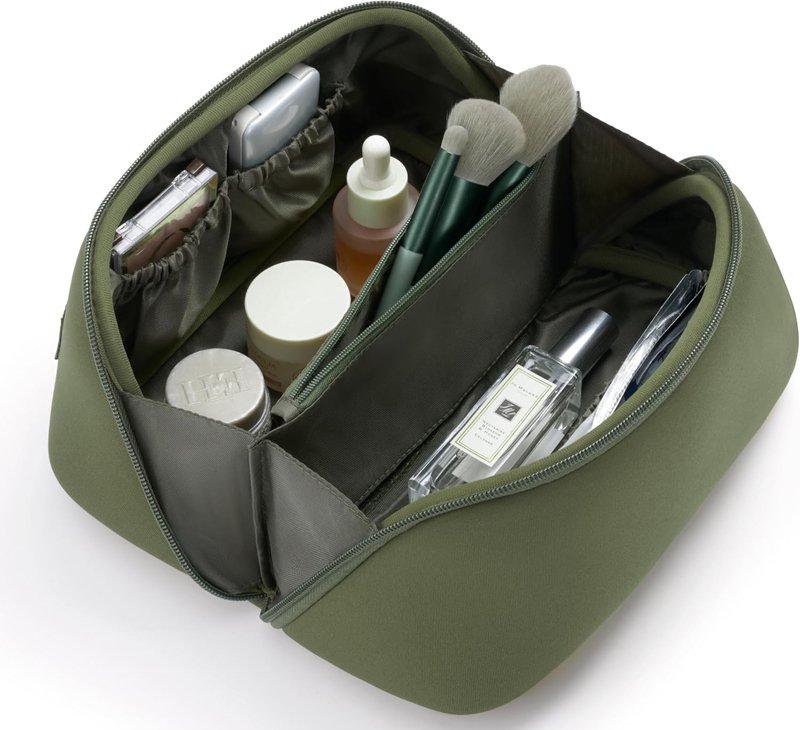
Every designer’s dream—seeing a sketch transform into a fully realized, functional bag—hinges on a complex choreography of materials, machinery, and meticulous craftsmanship. From the moment a raw leather hide arrives at the tannery to the final stitch that secures the lining, each stage affects cost, quality, and performance. Behind every zipper, every seam, stands a factory like Szoneier: eighteen years of R&D, pattern-making, rapid prototyping, and custom, low-MOQ production ensure that your vision takes shape without compromise.
Bags are manufactured by first selecting and cutting materials (leather, fabrics, linings) using CAD-driven patterns or die-cuts, then assembling components through industrial sewing and edge-finishing. Hardware (zippers, buckles, rivets) is installed via press-machines or hand-setting tools, followed by multi-stage quality inspections (AQL sampling, performance tests). Scaled production leverages pilot runs, batch scheduling, and workflow optimization—enabling both bespoke runs (50+ pcs) and mass manufacture (thousands of units) with consistent quality.
Imagine a tote bag arriving on a buyer’s desk—each panel perfectly aligned, zipper gliding smoothly, corners crisp. How did that happen? Stay with us as we dive into materials, cutting, assembly techniques, hardware fitting, quality control, mass-production strategies, and emerging green practices that make modern bag manufacturing a blend of art, science, and relentless efficiency.
What are Most Popular Styles of Bags in The Market?
Here are some of the most popular bag styles dominating today’s market, along with what makes each one a go-to choice:
Tote Bag
- Think of the classic canvas shopper you sling over your shoulder on Saturday mornings—roomy enough for groceries, gym gear, or your 15″ laptop. Brands like Longchamp’s Le Pliage and Everlane’s Market Tote turned this no-frills carryall into a fashion staple.
- Signature Features: Open top (sometimes with a snap), unlined interior or simple pocket, straps long enough to wear over coat sleeves. Perfect for urban moms, market runs, and impromptu beach days.
Backpack
- The evolution from schoolyard carry to sleek commuter essential—seen everywhere from college campuses to downtown co-working spaces. Iconic styles include Herschel’s Little America and Fjällräven’s Kånken, blending form, function, and colorways that pop.
- Signature Features: Padded shoulder straps, reinforced grab handle, laptop sleeve, multiple zippered pockets. Ideal for students hauling textbooks or professionals biking to the office.
Crossbody Bag
- Security meets style—your phone, keys, and wallet are always in sight. Cult favorites like Coach’s Tabby Crossbody and Tory Burch’s Kira Chevron are proof that the silhouette can read luxe or laid-back.
- Signature Features: Adjustable long strap, compact 6–8″ width, zip or flap closure. The go-to for day-trippers, museum visits, or hands-free brunch.
Shoulder Bag
- From Chanel’s Classic Flap to Celine’s Triomphe, shoulder bags anchor a capsule wardrobe. They strike the perfect balance between work and weekend, dressing up a tee-and-jeans look or slipping under a blazer.
- Signature Features: One or two straps that sit comfortably under the arm, structured or softly slouchy bodies, magnetic snaps or turn-lock hardware.
Satchel
- The “business chic” hero—structured, polished, and effortlessly professional. Kate Spade’s Margaux and Michael Kors’ Mercer Satchel carry your day’s documents with poise.
- Signature Features: Stiff body, double top handles, detachable crossbody strap, exterior front flap or buckles. Favored by working parents and young executives alike.
Clutch
- Small but mighty—an evening essential that goes from black-tie gala to cocktail bar. Think Bottega Veneta’s intrecciato pouch or Mansur Gavriel’s soft leather foldover.
- Signature Features: No straps (or a tiny wristlet), sleek envelope or box shape, emphasis on texture or embellishment.
Bucket Bag
- Boho-meets-modern utility. Mansur Gavriel’s bucket bag ignited the trend, and now Céline and Madewell offer cotton-canvas and leather twists.
- Signature Features: Drawstring closure, comfortable top handle, often convertible to crossbody. Perfect for carrying everything from your notebook to a light scarf.
Messenger Bag
- The cyclist’s classic—lauded for quick-access flap design and roomy interior. Timbuk2 and Chrome Industries pioneered this commuter favorite; large versions double as weekend duffels.
- Signature Features: Wide, adjustable shoulder strap worn across the chest, protective laptop compartment, weather-resistant fabrics.
Duffel Bag
- Gym, travel, or “overnight at a friend’s”—duffels do it all. Patagonia’s Black Hole Duffel and Nike’s Champion Duffel combine durability with sporty style.
- Signature Features: Cylindrical or rectangular shape, sturdy top handles and/or shoulder strap, large main compartment.
Belt Bag (Fanny Pack)
- Once retro, now runway-ready—seen on Gucci, Prada, and street-style stars. Wear it crossbody or around the waist to keep essentials ultra-accessible.
- Signature Features: Compact pouch, zippered front pocket, adjustable belt or strap. Ideal for festivals, travel security, and hands-free convenience.
Hobo Bag
- That 90s slouch is back—soft, crescent-shaped bags from brands like Urban Originals and AllSaints feel both relaxed and refined.
- Signature Features: Single shoulder strap, unstructured silhouette, spacious interior. Perfect for effortless weekend styling.
What Materials and Leathers Are Used to Make Bags?
Bag manufacturers choose materials based on function, aesthetics, and cost. Natural leathers include full-grain (premium strength, patina), top-grain (uniform finish), and split leathers (corrected grain). Synthetics—nylon, polyester, canvas—offer weight savings and water resistance, often coated with PU or TPU. Technical fabrics like ripstop and Cordura® deliver superior abrasion performance. Linings (nylon taffeta, cotton drill) and interfacings add structure. Webbing, foam padding, and hardware finishes round out component choices, defining a bag’s look and life span.
Selecting the right combination of materials is foundational to a bag’s performance, durability, cost, and brand positioning. Below, we examine the major material families, their properties, and real-world trade-offs that guide both mass-market and luxury bag manufacturers.
1. Natural Leathers
Full-Grain Leather
- Source & Characteristics: Harvested from the top layer of hide, retaining the complete grain and natural markings.
- Performance: Exceptional tensile strength, breathability, and develops a unique patina over time.
- Applications: Premium handbags, briefcases, and high-end luggage.
- Cost Implications: $20–$50 per square foot; requires careful nesting to minimize waste.
Top-Grain Leather
- Source & Characteristics: Sanded or buffed to remove surface imperfections, then often pigmented for uniformity.
- Performance: Slightly less breathable than full-grain, but still durable and more affordable.
- Applications: Mid-range totes, wallets, and travel bags.
- Cost Implications: $10–$25 per square foot, balancing luxury feel with budget.
Corrected-Grain & Split Leathers
- Source & Characteristics: Lower hide layers coated with polymer finishes to simulate grain.
- Performance: Good visual uniformity, moderate durability, higher resistance to stains.
- Applications: Fashion-forward, price-sensitive lines.
- Cost Implications: $5–$12 per square foot, offering mass-market accessibility.
Exotic Leathers (e.g., crocodile, ostrich)
- Characteristics: Unique textures and prestige, often used sparingly as trim or accents.
- Cost & Supply: Very high—$200+ per piece—sourced from specialized, regulated farms.
2. Synthetic Fabrics
Nylon & Polyester
- Denier & Weave Variations: From lightweight 200D to heavy-duty 1000D Cordura®.
- Coatings: Polyurethane (PU) coatings (5,000–10,000 mm water resistance) or thermoplastic polyurethane (TPU) laminates enhance weatherproofing.
- Applications: Backpacks, gym bags, and utilitarian workbags.
- Cost Implications: $1.50–$8 per yard, depending on weight and coating.
Canvas & Technical Canvas
- Characteristics: Robust, slightly stiffer hand, excellent tear resistance.
- Applications: Casual totes, military-style packs, heavy-use travel bags.
- Cost Implications: $3–$6 per yard; often wax-treated for weatherproofing.
Ripstop & High-Tech Fabrics
- Characteristics: Grid-reinforced weaves stop tears in their tracks; popular in outdoor and tactical bags.
- Applications: Expedition backpacks, outdoor gear, technical duffels.
- Cost Implications: $5–$12 per yard, justified by extreme durability.
3. Linings & Interfacings
Nylon Taffeta (210T–420T)
- Function: Lightweight, smooth, affordable.
- Cost: $1–$2 per yard; common in everyday backpacks and fashion totes.
Cotton Drill & Twill
- Function: Natural feel and structure, breathability.
- Cost: $2–$4 per yard; used in heritage or eco-focused lines.
Non-Woven & Foam Interfacing
- Function: Provide stiffness to flat panels (totes, briefcases) and padding in straps or backs.
- Cost: $0.50–$1 per yard; critical for shape retention and comfort.
4. Trims & Hardware Materials
Webbing & Straps
- Materials: Polypropylene ($0.10/yard) for basic, nylon ($0.50+/yard) for premium feel.
- Features: UV-resistance, load capacity, hardness.
Zippers
- Types & Costs:
- YKK® #5 coil ($0.60 each) vs. #8 waterproof ($1.50); metal zippers ($1+).
- Impact: One of the highest-visibility wear points; quality zippers can make or break functionality.
Buckles & Fittings
- Plastic vs. Metal: Basic plastic side-release ($0.20) vs. metal or magnetic closures ($1–$3).
- Attachment: Stitched-in or bolt-through with backing plates for high-load applications.
5. Sustainability Considerations
Recycled Fabrics
- rPET nylon and polyester with up to 100% recycled content; cost premium ~$0.50/yard, yet strong marketing appeal.
Vegetable-Tanned Leather
- Chrome-free, biodegradable, marketed as premium eco-option. Production costs 10–20% higher; small-batch availability.
Circular-Economy Practices
- Off-cut recycling into small accessories; lean nesting and laser cutting reduce scrap by up to 15%.
Material choices are critical for positioning your bag—balancing price points, performance expectations, and brand values. At Szoneier, we guide clients through material sourcing, offering free swatches and technical recommendations to achieve the perfect blend of look, durability, and cost.
How Are Bag Components Prepared and Cut?
Bag component prep begins with pattern making—digital CAD files or paper masters. Materials are then cut via die-cutting (steel rule dies) for volume runs or laser cutting for precision and prototyping. Edges may be skived or buffed. Linings and interfacings are cut similarly. Proper nesting maximizes material yield, reducing waste by up to 15%. Accurate cutting ensures seam allowances and panel shapes align perfectly for efficient assembly and consistent fit.
Pattern-making and cutting transform material choices into tangible panels ready for sewing—crucial for both quality and economics. Here’s an in-depth look at these preparatory phases.
1. Pattern Making
Concept to CAD:
Designers translate sketches into 2D CAD patterns, specifying panel dimensions, seam allowances (typically 10–12 mm), and notches for alignment.
Proto Patterns:
Physical mock-ups using low-cost muslin or heavyweight paper validate shape and ergonomics before expensive material cuts. Multiple iterations refine gusset angles, pocket placements, and strap paths.
2. Cutting Techniques
- Die-Cutting:
- Steel-Rule Dies: Custom-made for each panel shape; investment of $200–$500 per die.
- Volume Efficiency: Ideal for runs above 500 units, enabling rapid cutting (1000+ panels/hour).
- Material Constraints: Thicker leathers and multi-layer assemblies cut cleanly but require heavier presses.
- Laser Cutting:
- Flexibility: No die tooling needed—rapid prototyping and small-batch runs.
- Precision: Micro-cuts and engraving possible; perfect for intricate logo cut-outs.
- Speed & Cost: Slower per unit but eliminates die fees—cost-effective for MOQs under 200.
3. Edge Preparation
- Skiving:
- Thinning Edges: Ensures smooth seams where multiple layers overlap—critical for leather collars and gussets.
- Equipment: Cylinder head skiving machines achieve consistent bevel thickness (~1.0–1.2 mm).
- Buffing/Finishing:
- Surface Prep: Removes grain irregularities, enhances adhesive bonding for lamination.
4. Nesting & Waste Reduction
- Software-Assisted Nesting:
- CAD tools arrange patterns to maximize yield, reducing waste costs by 10–15%.
- Off-cuts Management:
- Recycle scraps into small-goods like keychains or apply to sample shoes, further minimizing material loss.
Accurate component prep not only ensures assembly efficiency but also upholds product consistency—vital for brand reputation. Szoneier leverages both die-cut and laser technologies, tailoring processes to order sizes and complexity, ensuring each panel arrives ready for sewing with zero surprises.
Which Sewing and Assembly Techniques Ensure Durability?
Durable bags rely on lock-stitch seams (single-needle) for core strength, bar-tacks at high-stress points (strap bases, zipper ends), and flat-felled or French seams to fully enclose raw edges. Overlock/serger finishing prevents fraying, while edge binding or bias tape seals cut panels. Thread choice (bonded nylon Tex 135) and proper tension (6–8 SPI) keep stitches secure under load. Reinforced sub-assemblies—pockets, strap modules—are pre-tested before final shell integration to guarantee long-term performance.
A bag’s longevity ultimately rests on the quality of its stitching and the rigor of its assembly workflow. Here’s an in-depth look at the techniques and best practices that manufacturers like Szoneier employ to ensure every seam and component stands up to real-world use.
1. Core Seam Types
Lock-Stitch (Single-Needle):
- Why It Matters: The lock-stitch binds top and bottom threads in the fabric’s neutral plane, creating a seam that resists unraveling and handles dynamic loads.
- Applications: Main body seams, strap attachments, and panels bearing weight.
- Machine Specs: Industrial post-bed machines with walking feet or compound feed to handle thick leathers or multi-layer fabrics.
Chain-Stitch (Double-Needle):
- Why It Matters: Offers slight elasticity—useful on seams that flex, such as curved gussets or top-stitch decorative lines.
- Caveat: Less secure than lock-stitch for high-stress seams; usually supplemented with lock-stitch back-tacks at start and end.
2. Seam Reinforcements
Bar-Tacks and Rivets:
- Placement: At strap anchors, zipper stops, and pocket corners.
- Equipment: Automated bar-tack heads sew dense zigzag stitches (15–20 mm wide), while hydraulic presses set rivets with consistent pressure (2–5 ton).
- Load Ratings: Properly applied bar-tacks withstand upward of 200 kg without tearing.
Flat-Felled and French Seams:
- Flat-Felled Seams: Raw edges folded under and stitched twice, ideal for exterior bag seams—fully encapsulated for weather resistance.
- French Seams: Raw edges enclosed inside a second seam—common on delicate linings and interior pocket bags.
3. Edge and Panel Finishing
Edge Binding & Bias Tape:
- Function: Covers raw fabric edges on linings and lightweight panels; adds aesthetic trim.
- Material: Cotton or polyester bias strips, cut at 45° to fabric grain for smooth wrap.
Burnishing & Edge Paint (Leather):
- Burnishing: Mechanical friction seals and smooths leather edges before applying wax or polyurethane edge paint.
- Outcome: Prevents fiber fray and water ingress along leather panels.
4. Thread Selection and Tension Control
Thread Types:
- Bonded Nylon Tex 135: High tensile strength (≥50 N), abrasion resistance, UV-stable.
- Polyester Core-Spun: Ideal for outdoor gear; resists mildew and rot.
Stitch Density:
- 6–8 stitches per inch (SPI): Balances strength and fabric perforation; higher SPI for delicate linings, lower for heavy leather to prevent perforation weakening.
Tension Calibration: Regular machine checks ensure even stitch formation without puckering or skipped stitches.
5. Sub-Assembly Workflows
Module Assembly:
- Straps, Handles, Pockets: Sewn in dedicated stations with specialized jigs to guarantee uniform length, loop size, and reinforcement.
- Benefits: Errors caught early—defective straps never progress to the final shell, reducing rework.
Final Shell Integration:
- Sequence: Outer shell, pocket modules, strap assemblies, and lining converge in a structured workflow, with quality checkpoints between each step.
- Inspection: Supervisors verify alignment and seam integrity before moving to hardware installation.
6. Quality Control Integration
In-Process Audits: Operators inspect every 50th bag for seam tension, stitch uniformity, and reinforcement compliance.
AQL Sampling: Final lots undergo ISO 2859-1 single-sampling (AQL 2.5% for major defects), including seam-slippage and pull-off tests on bar-tacks and rivets.
Destructive Testing: Random units tested for seam tensile strength (ASTM D5034) and abrasion resistance (Martindale ≥20,000 cycles) to validate long-term durability.
How Is Hardware Installed and Secured?
Hardware installation uses specialized presses and hand tools: rivets and grommets set with hydraulic or manual arbor presses; zippers attached via edge-crimp machines and reinforced with top-stitching; buckles and D-rings threaded onto webbing and secured with box-X stitches or bolt-through plates; and feet or handles anchored with screws and backing washers. Consistent placement jigs and torque-controlled presses ensure each component withstands specified pull-off forces (typically 100–200 N) for lasting durability.
Properly installed hardware transforms a bag from a soft accessory into a functional, load-bearing product. Below, we explore the full spectrum of hardware types, the machines and techniques used to set them, and the quality-assurance measures that guarantee reliable performance.
1. Rivets and Grommets
Types & Functions:
- Rivets: Solid metal pins (brass, nickel) used to secure tab ends, strap anchors, and handle bases.
- Grommets/Eyelets: Reinforce holes for drawstrings or ventilation, preventing fabric tear.
Installation Equipment:
- Hydraulic Arbor Presses: Deliver 2–5 ton of force to crimp caps and posts flush against materials up to 5 mm thick leather or layered fabric.
- Manual Hand Presses: Offer portability for small-batch runs or delicate placements, though slower than hydraulics.
Placement Jigs:
- CNC-Cut Fixtures: Ensure rivets align precisely—within ±0.5 mm—across production runs, maintaining consistent aesthetics and structural integrity.
Quality Checks:
- Pull-Off Tests: Random rivets undergo tension testing; well-set rivets endure 150–200 N without loosening or material tear.
2. Zippers and Slider Assemblies
Zipper Types:
- Coil (Nylon) Zippers: Lightweight, flexible; common in casual bags.
- Metal and Waterproof Zippers: Higher durability and weather resistance for technical packs.
Attachment Process:
- Edge-Crimp Machines: Precisely crimp zipper tape between outer shell fabric and lining, ensuring even pressure and alignment.
- Top-Stitch Reinforcement: A lock-stitch or chain-stitch along zipper edge secures the tape and prevents delamination.
End Stops & Pull Tabs:
- Bar-Tack Stops: Secure zipper ends; applied with an automated bar-tack head for consistent density (15–20 mm width).
- Pull Tabs: Added via small rivets or stitched loops; tested for 10,000 open/close cycles in accelerated wear studies.
3. Buckles, D-Rings, and Slider Hardware
Thread-Through vs. Bolt-Through:
- Thread-Through: Webbing loops through hardware and is secured by box-X or Z stitching—common for straps and adjusters.
- Bolt-Through: Metal bolts pierce fabric and are fastened with backing plates—used on heavier designs or when a clean backside is critical.
Tooling & Jigs:
- Stitch-Placement Fixtures: Hold webbing and buckle in place, ensuring stitch paths clear edges and provide maximum load distribution.
- Torque Gauges: Confirm bolt-through fasteners achieve correct torque (e.g., 2 Nm) without crushing materials.
4. Feet, Handles, and Frame Components
Screw-In Feet:
- Materials: Nylon or metal feet protect bag base from abrasion.
- Attachment: Screws and threaded inserts with washers secure feet; a torque wrench ensures consistent tightness without stripping threads.
Handles & Frame Fittings:
- Bolted Loops: Metal handle loops bolted through top panels into backing plates inside the bag, distributing load across a wider area.
- Internal Frames: Plastic or aluminum stays slide into sewn channels and are locked at endpoints with bar-tacks or rivets to prevent migration.
5. Performance Testing & Inspection
Pull-Off & Torque Tests:
- Each hardware type undergoes standardized tests: buckles tested to 200 N, snaps to 100 N, and rivets to 150 N.
Cycle Testing:
- Zippers are cycled 10,000 times; buckles fastened/unfastened 5,000 times to simulate years of use.
Visual and Dimensional Checks:
- Inspection technicians verify hardware finishes (no plating flake), alignment, and secure setting before final QC.
What Quality Control Measures Guarantee Consistency?
Quality control spans raw-material inspections, in-process checks, and final AQL sampling (ISO 2859-1). Key tests include tensile strength (ASTM D5034), abrasion resistance (Martindale ≥20,000 cycles), and hydrostatic head (ISO 811 ≥5,000 mm). Digital dashboards track defect rates, while third-party audits (BSCI, ISO 9001) validate compliance. Corrective-action reports and root-cause analyses maintain a sub-2% major-defect rate batch after batch.
Ensuring every bag meets brand promises requires a layered QC system. Here’s how leading factories maintain consistency:
Incoming Material Checks
- Leather & Fabric: Measure thickness, tensile strength, and colorfastness.
- Hardware & Notions: Verify dimensions, finishes, and batch traceability.
In-Process Audits
- Cut-Piece Verification: Sample panel dimensions vs. CAD specs (±0.5 mm).
- Stitch Inspection: Daily audits of stitch density and tension; any deviations trigger machine recalibration.
- Adhesive Bond Tests: Peel tests (≥2 N/mm) confirm proper lamination.
Final AQL Sampling
- Sampling Plans: Single-sampling AQL 2.5% for major defects; 4.0% for minor.
- Performance Testing: Random units undergo tensile, abrasion, water-resistance, and hardware pull tests.
Continuous Improvement
- Non-Conformance Reports (NCRs): Logged with root-cause analysis and corrective actions.
- Monthly KPI Reviews: Defect trends, on-time delivery, and sample approval rates inform process upgrades.
By embedding QC at every stage—from raw materials to final dispatch—Szoneier ensures that each bag consistently meets stringent performance and quality benchmarks, delighting end users and protecting brand reputation.
How Do Manufacturers Scale Production for Custom and OEM Orders?
Manufacturers scale custom and OEM bag orders through a three-phase approach: rapid prototyping (5–7 day samples), low-MOQ pilot runs (50–200 units) to refine specs, then full-scale batches (500–5,000+ units) using tiered pricing and ERP-driven scheduling. They deploy sub-assembly lines (straps, pockets, hardware modules), just-in-time material flows, and flexible staffing to switch between styles. This structured workflow ensures on-time delivery, consistent quality, and cost efficiency at every volume.
Custom and OEM production demand both agility for small runs and the capacity to process large volumes cost-effectively. Here’s how leading manufacturers organize their operations:
1. Prototype to Pilot: Locking in Specifications
Technical Packs & CAD Files:
Before any sewing starts, clients provide detailed tech packs—including CAD patterns, bill of materials (BOM), tolerances, and color codes. These digital files feed directly into CAD/CAM systems for precise die-cut tool creation and nesting plans.
Rapid Sampling (5–7 Days):
In-house prototyping teams use laser cutting or quick-change dies to produce initial samples. This rapid turnaround uncovers design issues early—fit, hardware placement, seam integrity—preventing costly rework on bulk runs.
2. Pilot Runs & Tiered MOQs
Low-MOQ Validation (50–200 Units):
A small pilot lets the client assess production quality, ergonomics, and market feedback without overcommitting inventory.
Tiered Pricing Strategy:
Factories quote at breakpoints (300, 500, 1,000 units), providing clear visibility into cost reductions as volumes increase. This transparency helps brands plan launch and replenishment orders aligned with demand forecasts.
| MOQ Tier | Per-Unit Cost Impact | Best Use Case |
|---|---|---|
| 50–200 | +20–30% | Design validation, market tests |
| 300–500 | +10–15% | Initial collections, small batches |
| 1,000+ | Base cost | Core SKUs, seasonal restocks |
3. Modular Sub-Assembly Lines
Component Workstations:
Dedicated teams assemble strap modules, pocket units, and hardware sub-assemblies in parallel. Each station operates like a mini-factory, optimizing expertise and reducing changeover time when switching styles.
Final Integration:
Once modules pass QC checks, they flow to the main assembly line—much like automotive manufacturing—where bags are sewn, lined, hardware-fitted, and edge-finished in a smooth sequence.
4. ERP-Driven Scheduling and Inventory Management
Just-In-Time (JIT) Material Flows:
ERP systems synchronize raw-material deliveries (fabrics, linings, hardware) with production schedules, minimizing warehouse costs and ensuring fresh inputs.
Capacity Planning:
Production managers load balance sewing lines and presses, forecasting bottlenecks and allocating overtime or secondary shifts during peak seasons (e.g., Back-to-School).
5. Quality Assurance at Scale
In-Process Inspections:
As batches run, floor supervisors conduct random seam, hardware, and dimension checks every 100 units—catching defects before they proliferate.
Final AQL Sampling:
Finished lots undergo ISO 2859-1 AQL 2.5% major-defect sampling, accompanied by performance tests (tensile, abrasion, zipper cycles).
Client Portals:
Real-time dashboards allow clients to track production status, QC results, and shipping readiness—ensuring transparency and accountability.
6. Flexible Staffing & Continuous Improvement
Cross-Training:
Teams rotate among sewing, cutting, and QC roles, enabling rapid line reconfiguration for diverse SKUs.
Kaizen Workshops:
Regular process-improvement sessions identify labor-saving innovations—automated bar-tack modules, optimized material layouts, or simplified seam sequences—that shave minutes off cycle times.
What Sustainability Practices Are Emerging in Bag Manufacturing?
Leading bag makers embrace recycled and bio-based fabrics, closed-loop water systems, and scrap upcycling to slash waste. Certifications like OEKO-TEX®, GOTS, and BSCI validate chemical safety and fair labor. Digital sampling reduces physical prototypes by 30%, lowering material use. Factories integrate solar power and biomass boilers, cutting carbon emissions by up to 40%. Together, these green initiatives meet growing consumer demand for eco-friendly products without sacrificing performance.
As consumers and brands prioritize environmental responsibility, bag manufacturers are transforming traditional workflows into lean, green operations. Below are key practices reshaping the industry:
1. Recycled and Bio-Based Materials
rPET & Recycled Nylon:
- Factories source post-consumer PET bottles and fishing nets, recycling them into high-strength polyester and nylon. This cuts virgin‐polymer demand by 50–80 %, reduces landfill waste, and lowers material costs by 10–15 % through bulk procurement partnerships.
- Many brands now specify GRS-certified (Global Recycled Standard) fabrics to guarantee traceability and recycled content.
Bio-Based PU & Cork Leather:
- Innovations in bio-PU use plant oils (castor, soybean) instead of petroleum, reducing cradle-to-gate CO₂ emissions by 20–30 %.
- Cork leather—harvested without trees felling—is emerging for luxury lines, offering a unique texture and full biodegradability at end of life.
2. Water & Chemical Management
Closed-Loop Dyeing and Finishing:
- Advanced zero-liquid discharge (ZLD) systems recycle 60–80 % of process water in dyeing and PU/TPU lamination, trimming freshwater use by up to 50 %.
- Chromium recovery units reclaim 85–90 % of tanning agents, minimizing toxic effluent and cutting chemical purchase volumes.
Low-Impact Chemicals:
- Adoption of OEKO-TEX® Standard 100 and bluesign® approved agents ensures harmful substances are eliminated from upstream suppliers, protecting both workers and consumers.
3. Waste Minimization & Circularity
Zero-Waste Cutting:
- CAD-driven nesting optimizes pattern layouts, reducing off-cut scrap by 15–20 %.
- What remains is funneled into accessory lines—keychains, pouches, and sample boards—creating additional revenue streams and diverting waste from landfills.
End-of-Life Programs:
- Some brands pilot take-back schemes, collecting used bags and mechanically shredding them into composite boards or insulation materials, closing the loop on raw‐material reuse.
4. Renewable Energy & Carbon Reduction
Solar PV & Biomass Boilers:
- Rooftop solar installations can supply 20–40 % of a factory’s electricity needs, reducing grid reliance and CO₂ footprint.
- Biomass boilers—using agricultural residues—provide clean heat for drying and curing processes.
Carbon Audits & Offsets:
- Factories conduct LCA (life-cycle assessments) to pinpoint high-impact stages, then implement energy efficiencies (LED lighting, inverter motors).
- Certified offsets (REDD+ forestry projects) address residual emissions, enabling carbon-neutral product lines.
5. Ethical Labor & Transparency
Fair-Trade and BSCI Audits:
- Ensuring living wages, safe working conditions, and no forced labor is now table stakes—audited by SMETA, WRAP, and BSCI organizations.
- Detailed supply-chain mapping—often via blockchain or QR codes—allows end-consumers to trace raw-material origins, reinforcing brand authenticity.
Local vs. Offshore Balancing:
- Near-shoring smaller runs to reduce shipping emissions, while maintaining offshore bulk capacity for cost efficiency, helps brands optimize total environmental impact.
From raw hides to finished carryalls, modern bag manufacturing unites tradition with innovation—ensuring every stitch, seam, and surface reflects quality, value, and ethics. To bring your custom bag line to life with low MOQs, free design support, and rapid sampling, partner with Szoneier—your one-stop solution for sustainable, high-quality bag production.
Contact us today for swatch kits, prototype quotes, and to discuss how our 18 years of expertise can elevate your brand.
manufacturer Categories
- Custom Tote Bags Manufacturer
- custom backpacks Manufacturer
- custom travel bags& Duffle bags manufacturer
- custom makeup bags & toiletry bags manufacturer
- custom cooler bags manufacturer
- custom drawstring bags manufacturer
- custom makeup bags & toiletry bags manufacturer
- custom golf bags manufacturer
- custom fireproof bags manufacturer
- custom dry bags manufacturer
- custom ski bags manufacturer
- custom gym & sports bags manufacturer
- custom laptop bags manufacturer
- custom tactical bags manufacturer
- custom beach bags manufacturer
- custom medical bags manufacturer
- custom camera bags manufacturer
- custom wetsuits manufacturer
- custom leather goods manufacturer
- more personalized products

Can't find the answers?
No worries, please contact us and we will answer all the questions you have during the whole process of bag customization.
Make A Sample First?
If you have your own artwork, logo design files, or just an idea,please provide details about your project requirements, including preferred fabric, color, and customization options,we’re excited to assist you in bringing your bespoke bag designs to life through our sample production process.
